Buckshot labels narrow the field; the shotgun makes the final decision.
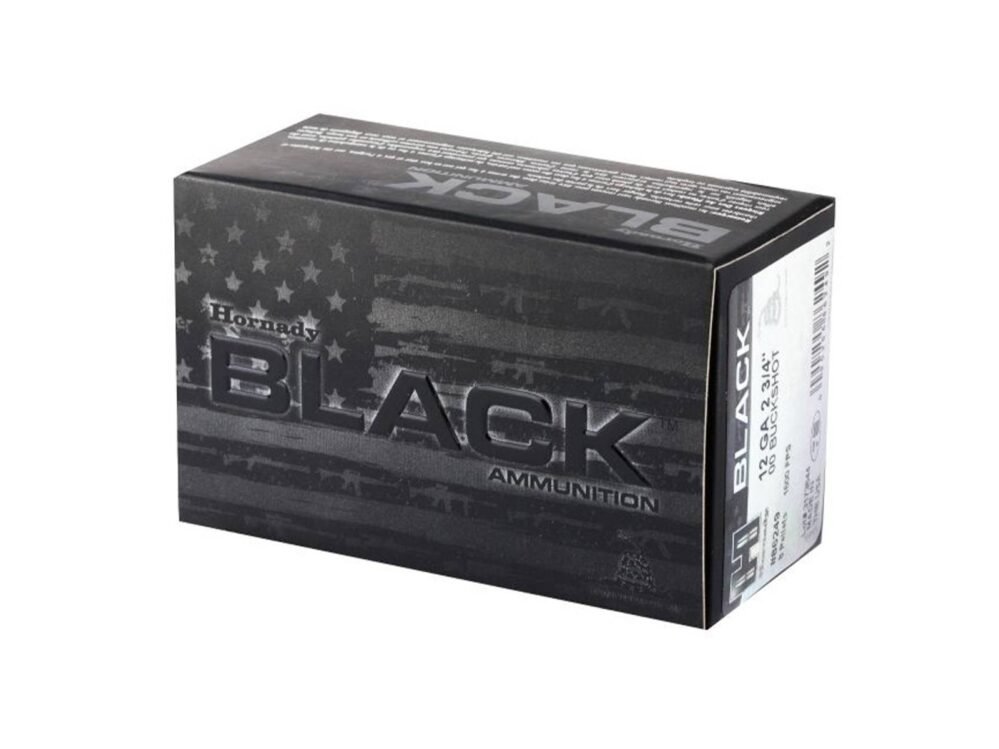
On one shelf, several 12-gauge boxes may list different pellet sizes, pellet counts, shell lengths, velocities, buffering, wads, and recoil claims. Each can appear suitable, but none of those details guarantees dependable performance in a particular shotgun.
First, confirm that the shell length and load type comply with the firearm manufacturer’s manual and barrel markings. Then consider whether the shooter can control recoil and make prompt follow-up shots. A defensive candidate still needs to feed, fire, extract, and eject reliably in that specific firearm. Most importantly, it must produce a consistent pattern at realistic distances within the home. Packaging is useful for building a shortlist—not for replacing function checks and pattern testing with the actual shotgun.
Compatibility and safety come first
Start with the barrel’s chamber marking and the shotgun manufacturer’s instructions. Use only the shell lengths and load types the maker permits; the differences between 2¾-inch and 3-inch buckshot do not matter if a load is incompatible. Semi-automatic owners should also confirm reliable cycling with the specific load.
Check the barrel, choke tube, and manual for buckshot restrictions. Do not assume a constriction is suitable merely because a shell chambers; full-choke compatibility requires maker confirmation. Damaged, mismatched, or unidentified choke components warrant inspection by a qualified gunsmith.
Household planning deserves equal attention:
- Store the shotgun secured against unauthorized access, using a method consistent with local law and the manufacturer’s guidance.
- Establish positive target identification and consider everyone who could be beyond the target.
- Account for buckshot’s ability to penetrate interior walls; no defensive load makes missed shots harmless.
- Treat indoor gunfire as a serious hearing hazard and include hearing protection in training and emergency planning.
Before relying on any load, verify applicable laws, function-test it safely, and pattern it at a lawful range using realistic household distances. Ammunition specifications cannot substitute for safe handling, sound judgment, or firearm-specific confirmation.
What the shell markings actually mean
12 gauge
Gauge identifies the shotgun’s bore system, not pellet size or shell length. Shell length is listed separately and refers to the nominal fired-case length.
00 buck
“00,” commonly called double-aught, is a shot-size designation—not a quantity. The meaning of 00 on the box concerns pellet size, while the count appears elsewhere.
Pellet count
This states how many projectiles the shell contains. Two 12-gauge 00 loads can differ because their payload and internal stacking recipes differ; the 8-pellet and 9-pellet comparison explains the practical distinction.
Payload
Payload describes the shot charge, often expressed by weight. Wad construction, buffering and pellet arrangement can change even when gauge, shell length and shot size match.
Published velocity
Box velocity is typically produced under specified manufacturer test conditions. Barrel length, ammunition lot and environmental conditions can alter results, so the figure cannot predict recoil, cycling or pattern quality in a particular shotgun.
Match pellet size to the home, not a ranking
- 4 buckshot
Its smaller, more numerous pellets can produce denser patterns, but penetration results vary by load. The practical differences between #4 and 00 matter most when assessed against credible gelatin and wall-material tests.
Look forDocumented penetration and tight patterns at measured room distances.AvoidAssuming smaller pellets eliminate danger beyond the target. - 1 buckshot
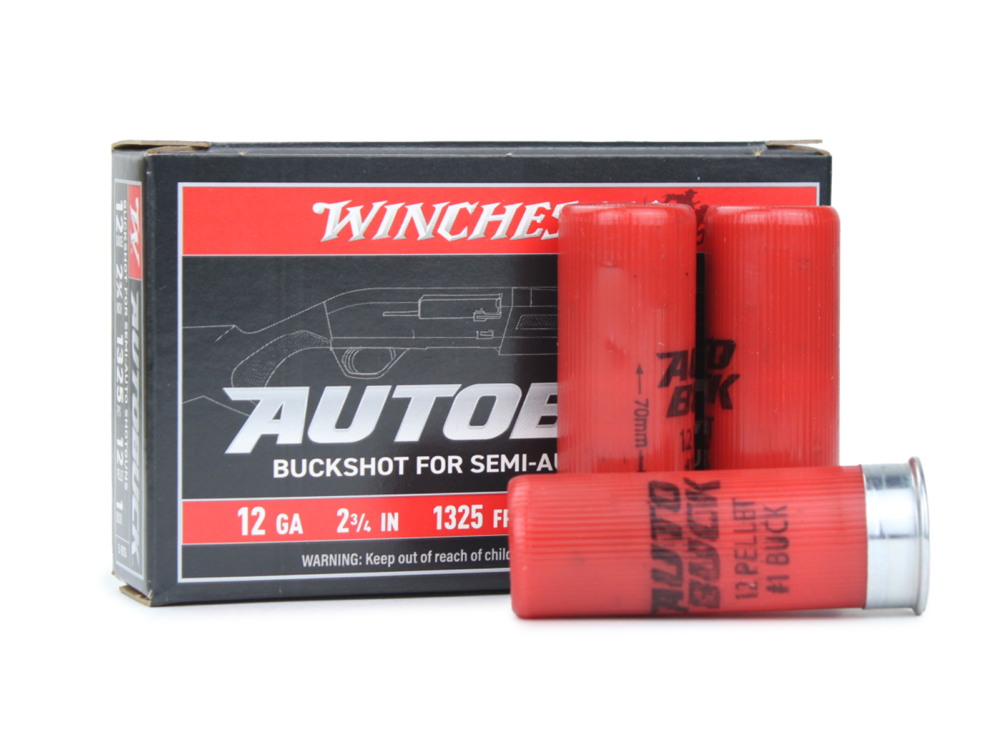
1 occupies a middle ground in pellet size and count, potentially balancing pattern density with penetration. Availability may be limited, making replacement practice ammunition harder to source consistently.
Look forRepeatable supply and published test data for the exact load.AvoidChoosing it solely because it appears to split the difference. - 00 buckshot
Larger pellets and broad availability make 00 a common reference point, though fewer pellets can leave patterns less dense. A direct comparison of #1 and 00 specifications clarifies the payload trade-off.
Look forPatterns without unacceptable gaps from the actual shotgun.AvoidTreating popularity as proof of suitability. - Household context
Measure likely firing distances and consider drywall, doors, adjoining rooms, and neighboring units. Pattern every candidate load in the intended shotgun before relying on it.
Look forA load supported by firearm-specific patterns and relevant penetration evidence.AvoidSelecting from pellet size alone.
Treat velocity and recoil as a system
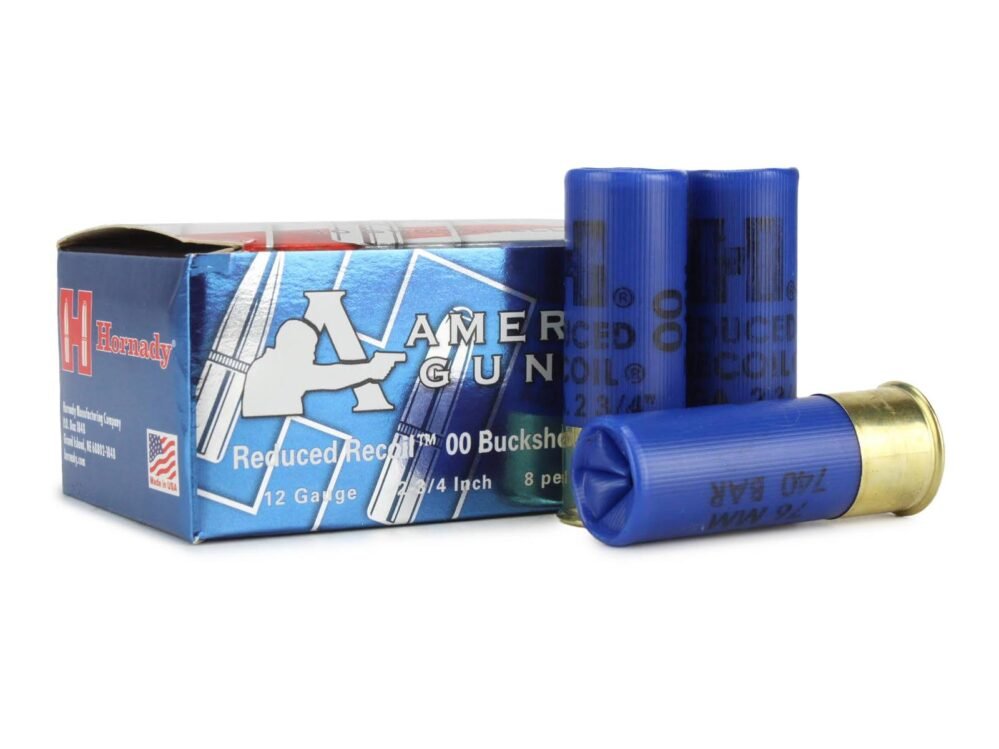
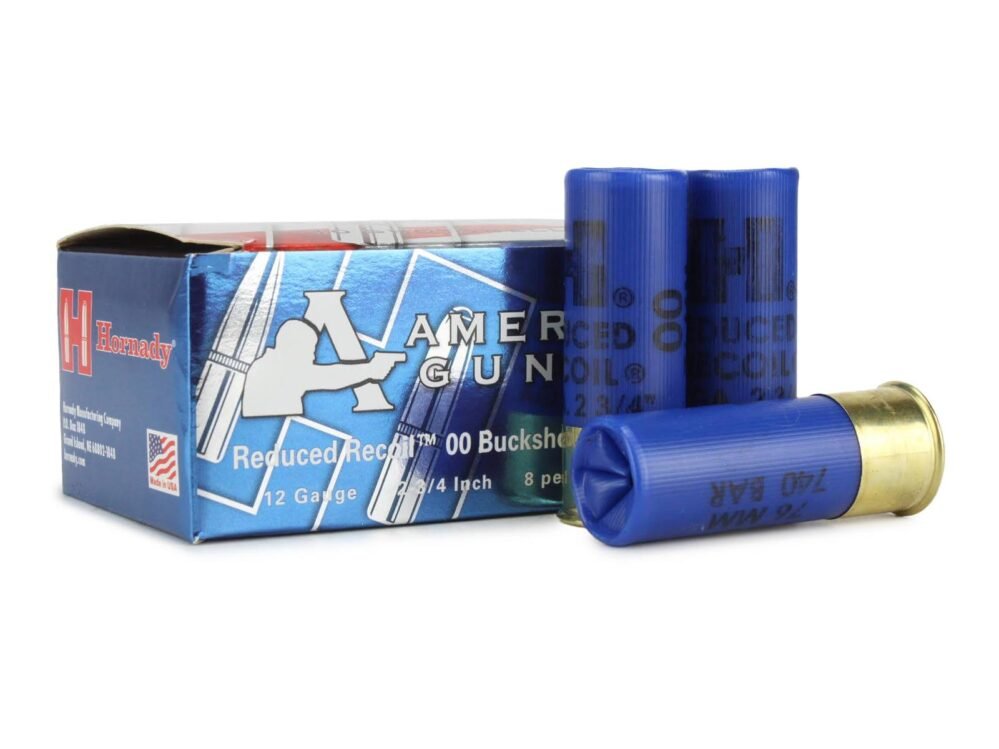
Velocity should not be judged alone. A faster or heavier payload generally increases recoil, which can slow recovery and make accurate follow-up shots harder. The paper differences between standard and reduced-recoil loads provide a useful first comparison, but firearm weight, stock fit and shooting technique also affect control.
When comparing boxes, record the manufacturer-stated velocity, payload and pellet count. Note the test-barrel details when published; velocities from different test conditions may not be directly comparable. Published pattern results for selected reduced-recoil 00 buckshot loads can narrow the field, but they cannot replace patterning in the intended shotgun.
Reduced recoil also needs a reliability check. Semi-automatic shotguns may require sufficient load energy to operate, so ammunition must follow the firearm maker’s guidance and cycle consistently; this semi-auto cycling checklist explains the main variables. Pump-action guns are less dependent on shell energy for cycling, but feeding, extraction and ejection still require confirmation.
A practical choice is the load that combines acceptable patterns with manageable recoil and repeatable function, not simply the highest listed velocity.
Do buffering and plating improve patterns?
Buffering is intended to cushion pellets as the payload accelerates, reducing deformation that can contribute to fliers. The difference between buffered and unbuffered loads explains the mechanism, but buffer alone does not prove a tighter pattern.
Copper plating similarly aims to protect the pellet surface and limit deformation. However, plated and plain lead buckshot cannot be ranked reliably from construction claims alone; plating thickness, lead hardness, wad design, and the firearm may all affect results.
Assign value to a premium load only when a named manufacturer or independent test reports:
- firearm, barrel, and choke used;
- target distance and pattern measurement method;
- results from multiple shells, not one favorable target.
Even then, confirm performance in the intended shotgun.
Pattern performance decides
Buckshot does not open at a fixed rate such as “one inch per yard.” Pattern size and shape depend on the individual barrel, load construction, pellet deformation, wad design, choke, and distance. The reason spread cannot be predicted from distance alone is why package data should narrow candidates—not select one.
Let the target decide
Pattern each candidate through the exact defensive shotgun at the longest plausible in-home distance, plus shorter distances. Use a large paper target and safe backstop, repeating shots to reveal consistency. Record overall pattern, point of impact, and stray pellets; confirm reliable cycling separately according to the firearm maker’s instructions.
Choke may tighten or distort a pattern, or provide little useful change, depending on the barrel and ammunition. Published testing illustrates how choke effects vary among buckshot combinations, so a tighter choke marking does not guarantee a denser, more even result. Use only choke-and-load combinations permitted by both manufacturers.
A stronger candidate produces repeatable, centered patterns while remaining controllable and reliable in that specific firearm.
How to read a buckshot target
At each realistic room distance, fire several single-shot targets from a stable position, following range rules. Mark the intended scoring area beforehand; a tight cluster is not useful if pellets land outside it.
For every target, record:
- Overall diameter: greatest edge-to-edge pellet spread.
- Distribution: whether impacts fill the area evenly or bunch to one side.
- Outliers: isolated hits that enlarge risk beyond the main cluster.
- Containment: number and percentage of pellets inside the marked area.
Compare targets, not just averages. Large swings reveal poor shot-to-shot consistency. Barrel length can influence velocity and handling, but its effect on buckshot patterns is not predictive alone; load design, choke, bore, and the individual barrel also matter.
Run a repeatable pattern test
-
Choose a safe test site
Use a range that permits buckshot, with an adequate backstop and required eye and hearing protection. Confirm the shell, chamber and choke combination is manufacturer-approved.
-
Measure relevant distances
Measure likely in-home lines of fire, then reproduce those distances at the range. Never test by firing inside a residence.
-
Prepare separate, labeled targets
Use a fresh target for every shot. Record distance, target number, firearm make and model, barrel length, choke, ammunition designation and lot number.
-
Fire several samples
Keep the aiming point and setup consistent. Multiple targets reveal variation that a single unusually tight or loose pattern can hide.
-
Score each target consistently
Record point-of-aim shift, overall spread, central density and outliers using the same measurement method. Also note feeding, extraction and manageable recoil without treating one successful cycle as proof of reliability.
-
Compare and preserve the record
Photograph targets beside a ruler and retain notes. Favor loads that repeatedly meet the chosen containment and function criteria in that specific shotgun.
Manufacturer charts and independent tests are more useful when they identify the test firearm or barrel, barrel length, choke, distance, ammunition lot, number of shots and measurement method. A single target without these details shows one result, not dependable consistency. Check whether spread was measured between pellet centers or outer edges, and whether omitted shots or outliers were disclosed.
Start with reduced-recoil 00 buck when controllability is a concern. Examples with manufacturer-published data include Federal Premium LE133 00, an eight-pellet FliteControl load listed at 1,145 fps, and LE132 00, a nine-pellet version at the same listed velocity. Law-enforcement catalog numbers can be intermittently stocked, so confirm the exact product code rather than relying on a retailer’s shortened description.
If reduced-recoil ammunition will not cycle the shotgun reliably, compare standard-velocity loads from the firearm manufacturer’s approved ammunition range. Do not assume a higher listed velocity will pattern better; verify recoil control, point of impact, pellet containment and repeatability in the actual barrel.
Other pellet sizes remain conditional options. No. 1 buck offers more pellets per shell than 00, while No. 4 buck uses smaller pellets and generally produces shallower penetration. Give greater weight to reproducible bare- and barrier-gelatin testing—such as published Lucky Gunner Labs shotgun tests—than to unsourced claims that a size is automatically safer indoors. Pattern results still take precedence.
Source quality should be ranked deliberately:
Manufacturer data: product code, pellet count, payload and test velocity Independent testing: measured patterns, stated barrel and distance, documented gelatin protocol Retail listings: useful for availability, but prone to copied or incomplete specificationsBuy one identifiable lot in sufficient quantity: five shells at each intended test distance, additional rounds for function testing, and the planned reserve. Record the lot number before purchasing more; a new lot should receive at least a confirmation pattern and cycling check.
-
Confirm compatibility
Check gauge, chamber length, choke restrictions, and the shotgun manufacturer’s ammunition guidance before firing.
-
Verify function
Test the exact load and lot for reliable chambering, ignition, cycling, extraction, and ejection.
-
Measure repeatable patterns
Fire multiple labeled targets at realistic household distances. Compare distribution, containment, and outliers—not just average spread.
-
Assess controllability
Confirm that recoil permits safe handling, accurate follow-up shots, and consistent operation under range conditions.
-
Review terminal evidence
Use named, documented test sources to compare penetration and pellet behavior while considering interior walls and other household barriers.
Conduct all testing at an appropriate range with a safe backstop and required eye and hearing protection.
- Keep records of the shotgun, barrel, choke, shell lot, distance, and target results.
- Retest after changing the load, lot, barrel, or choke configuration.
A suitable buckshot load must first be compatible and reliable, then produce repeatable patterns and manageable recoil. Evidence-supported terminal performance matters only after those requirements are met.
Box velocity, branded terminology, and construction claims are screening information—not proof. Final selection requires testing the exact ammunition in the exact shotgun.
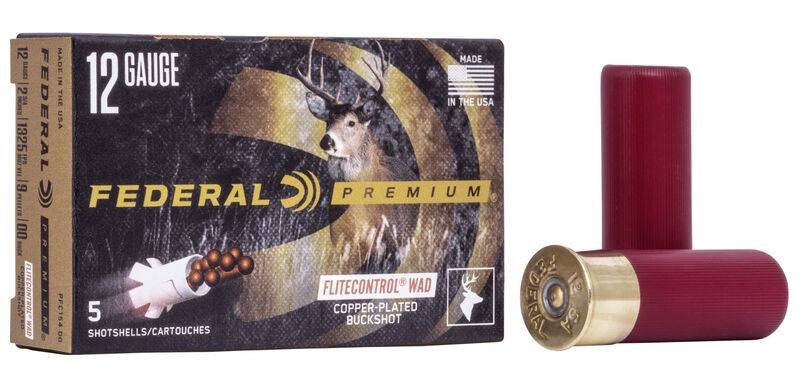
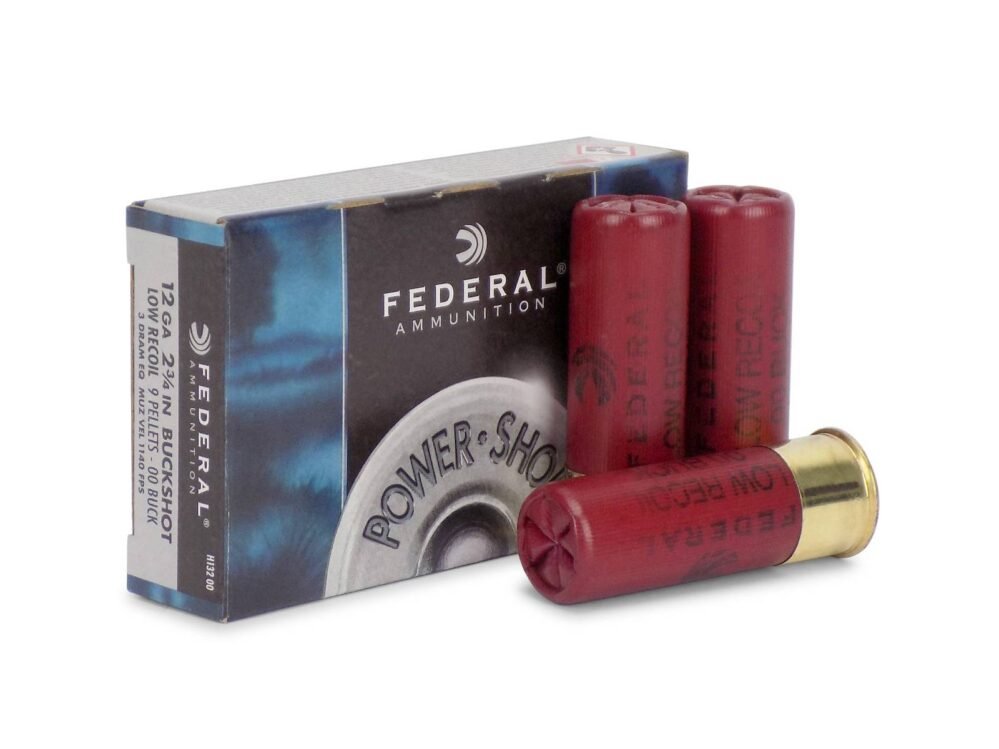
Federal Premium 12 Gauge 2.75 FLITECONTROL 9 Pellet 00 Buckshot (Box)
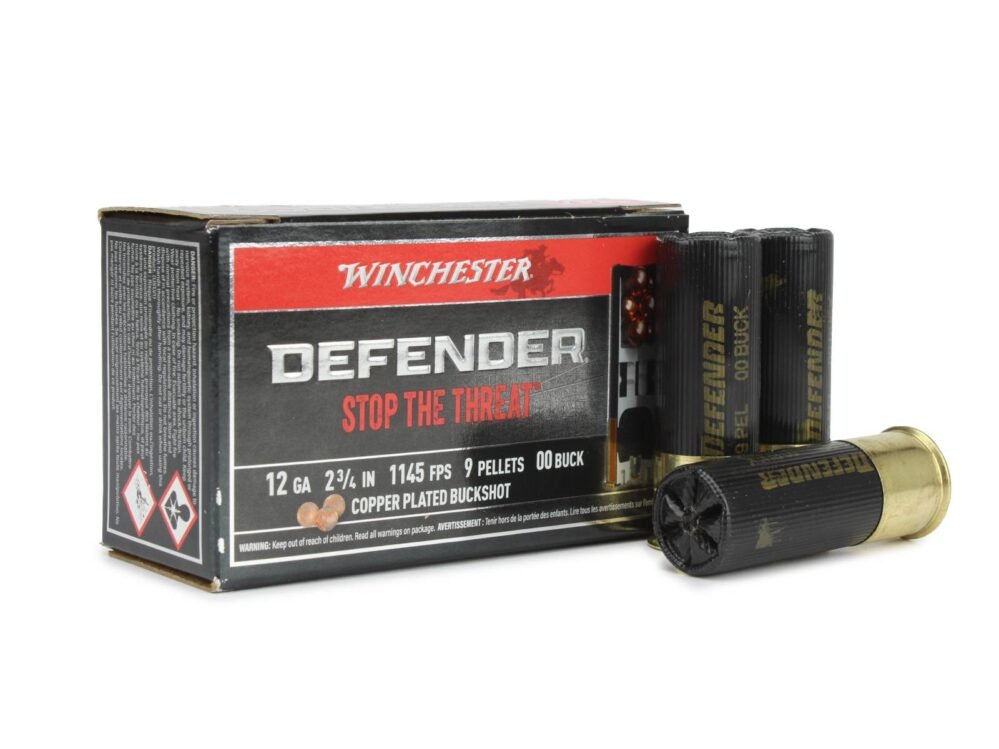
Winchester Defender 12 Gauge 2.75 00 Buckshot (Box) / Rebate Eligible