
Packing a USPSA range bag for a first match is less about matching an experienced shooter's gear pile and more about keeping the essentials easy to reach. A well-organized bag holds eye and ear p...

Your Everyday Carry Load Out Starts Here
Securely store your ammunition and gear with our durable range bags. Shop high-capacity bags and read guides on effective firearm storage.
Packing a USPSA range bag for a first match is less about matching an experienced shooter's gear pile and more about keeping the essentials easy to reach. A well-organized bag holds eye and ear p...
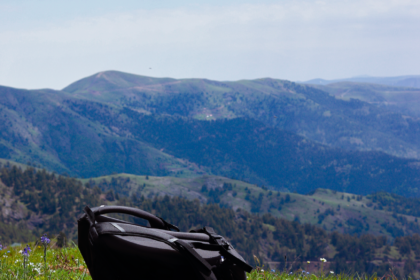
A loadout starts with the day’s actual work, not the size of the bag. Additionally, use a range bag checklist to estimate ammo, since a two-hour check needs less than an all-day session. Estimate ammu...

A compact one-pistol trip rarely needs a purpose-built range bag. A regular backpack with a padded pistol case, one ammunition pouch, eye-and-ear protection in a zip pouch, and a small cleaning sleeve...
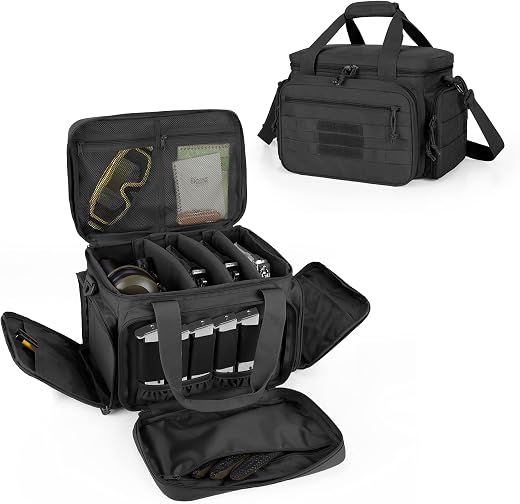
So which range bags for beginners actually keep a handgun kit organized instead of turning into a loose pile? The four picks below range from a tidy two-pistol case to a larger four-handgun bag, and t...
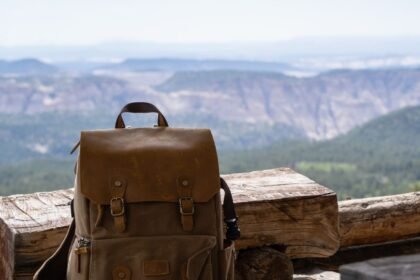
A range bag does not automatically need a lock for a routine trip. When it remains under the owner’s direct control and the firearm is unloaded and carried in an appropriate separate case, adding a sm...
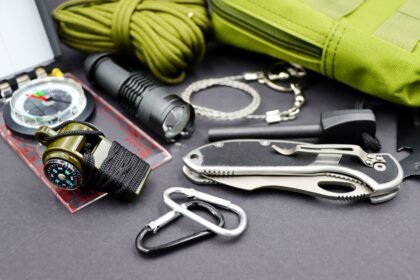
A bag packed for every conceivable activity becomes slow to use. Keep an always-in layer in fixed pockets: eye and ear protection, identification, a small first-aid kit, notebook, marker, water, and b...
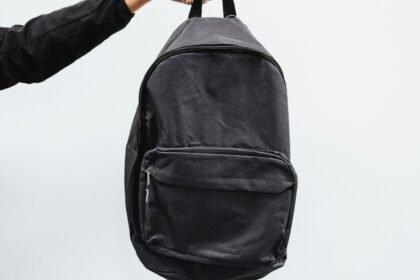
A range backpack is not a distinct class of object so much as a bag organized around a particular job. At its simplest, that job may be carrying eye and ear protection, a small cleaning kit, gloves, w...
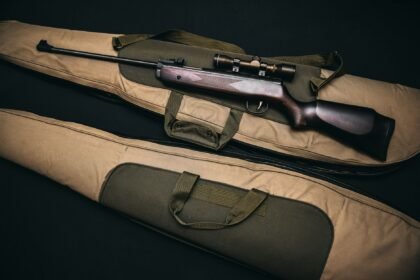
A range bag does not need to be purpose-built. For a first trip, it only needs to do three jobs well: separate small items, protect what should not get crushed or mixed, and keep essentials easy to re...