
Choosing between these two enclosed-emitter optics comes down to how the pistol is actually used. This Acro P2 vs Holosun EPS comparison walks through mounting footprint, durability, and carry profile...

Your Everyday Carry Load Out Starts Here
Explore high-quality red dot sights and optics. Shop the best models and read expert guides on selection, mounting, and optimizing precision shooting.
Choosing between these two enclosed-emitter optics comes down to how the pistol is actually used. This Acro P2 vs Holosun EPS comparison walks through mounting footprint, durability, and carry profile...

An open-emitter sight can lose its aiming reference when lint, oil, rain, snow, sweat, or grit covers the LED emitter. The viewing window may look clear while the dot becomes dim, fractured, smeared, ...

The RMR Type 2’s reputation rests on more than its age or brand recognition. Its forged aluminum housing uses a thick top bridge and angled sidewalls that are intended to route impact loads around the...
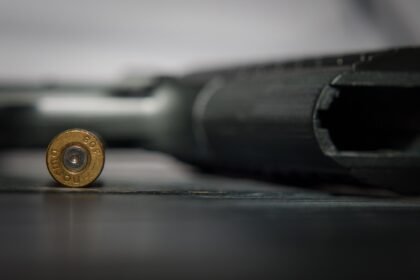
Why budget pistol red dots matter We compared budget pistol red dots on the details that matter most for daily carry. Additionally, they focus on emitter protection, mounting fitment, and battery acce...

For a general-purpose pistol red dot, 15 yards is often the most balanced starting zero. It keeps the correction small at the close distances where a handgun is most commonly used, while retaining use...
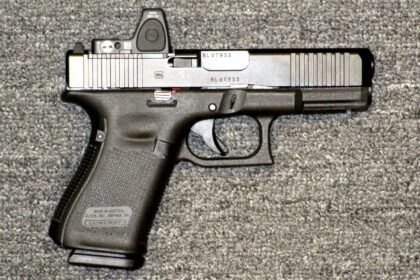
Choosing the right Glock MOS red dot comes down to verifying the full mounting stack — plate, footprint, and screws — rather than trusting a broad compatibility claim on the box. The Glock MOS cut and...

Getting red dot screw torque right means following the exact specification for that optic, plate, and slide stack, since finger feel alone cannot tell safe clamp load from a stripped thread at this sc...

A taller optic mainly changes how the rifle meets the face and eye. The head stays a bit more upright, neck flex is reduced, and the stock may contact slightly lower on the cheek or more along the jaw...

Understanding how red-dot sights work starts with the lens, not the target: a small LED emitter reflects a dot off a coated front lens into the shooter's eye, so nothing is ever projected onto wh...
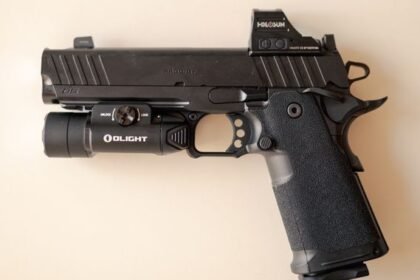
Getting the slide cut right is the foundation of the whole fitment process — once you know whether the pocket is a direct mill or a plate host, you can measure screw spacing, boss location, and pocket...