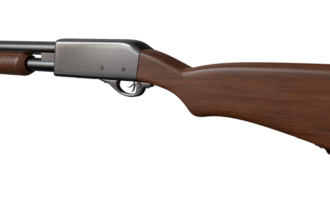
A shorter tube is easy to feel; a wider buckshot pattern is not safe to assume.
Two targets fired at the same distance can look decisive—until one came from a different choke, shell, or aiming point. Barrel length alone cannot predict pellet placement. Bore dimensions, choke geometry, wad design, pellet construction, and the individual barrel-load combination can all affect the result.
The predictable differences are mostly physical: a compact barrel changes balance and swing, while conventional front-and-rear sights may sit closer together. Pattern width and point of impact still require testing with the exact shotgun, choke, and ammunition intended for use.
- Fire separate targets at each relevant distance; mark the load, choke, and aiming point on every sheet.
- Check both group spread and whether the pattern’s center matches the point of aim.
- Repeat shots before treating one unusually tight or loose pattern as representative.
Longer barrels do not guarantee tighter buckshot
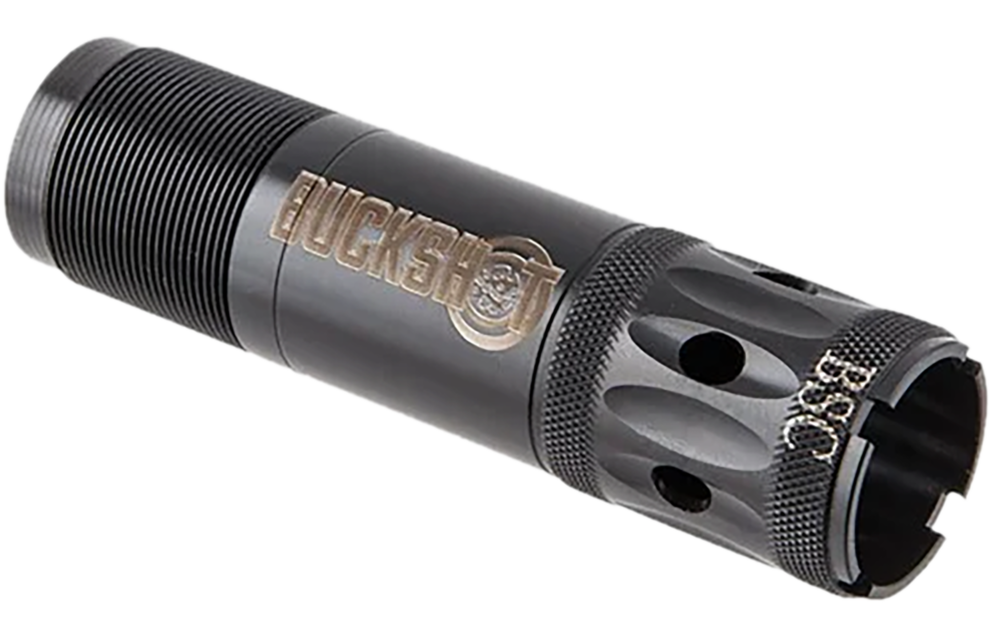
Length alone is a weak predictor. Muzzle constriction, bore diameter and forcing-cone geometry often matter more.
A longer tube may change velocity, but it does not automatically add choke. The NRA’s 10-shot patterning protocol also shows why averages—not one unusually tight target—should guide conclusions.
The result depends on barrel-load compatibility.
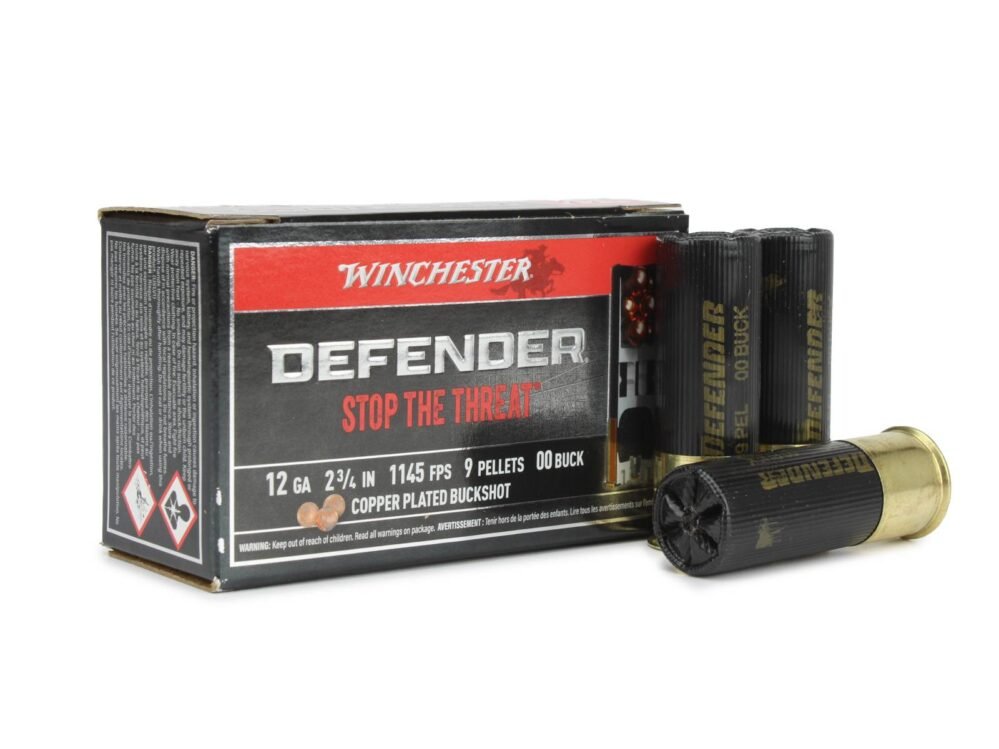
Pellet size, hardness and buffering affect deformation, while specialized wads such as Federal’s FLITECONTROL or Hornady’s Versatite can remain together longer than conventional shotcups. That helps explain why buckshot spread changes between setups.
Several patterns at each intended distance are needed.
Bob Brister’s repeated-pattern work documented substantial shot-to-shot variation. A practical comparison keeps the load, choke, distance and aiming point constant, then measures at least five patterns per setup.
Short barrels do not create instant spread
Short barrels can still keep buckshot in a compact cluster at typical indoor distances.
In Lucky Gunner Labs’ Mossberg 590 Shockwave review, a 14-inch-barreled firearm placed all eight pellets of Federal LE133 00 buckshot into a roughly fist-sized group at seven yards. The test does not predict every shotgun, but it clearly shows that short does not automatically mean wide.
A compact pattern behaves more like one concentrated projectile cluster than a sweeping cloud.
The sights still need to be aligned on an identified threat. Patterning the exact firearm and load is essential when evaluating 12-gauge buckshot choices for home defense.
Every pellet must be accounted for, including pellets that miss the intended target.
Wider coverage can increase risk to bystanders and objects beyond the target. Compact, repeatable patterns support clearer shot placement—but never replace positive target identification and awareness of what lies behind it.
Velocity Is Not a Shortcut to Tighter Patterns
A modest velocity increase does not reliably reduce group size.
Chronograph data measures speed, not pellet distribution. Patterning depends heavily on choke, bore geometry, wad release and whether acceleration deforms soft lead pellets. More deformation can produce flyers even when velocity is higher.
Manufacturer figures are useful reference points, but they do not replace firearm-specific testing.
Federal Premium publishes different nominal velocities for full-power and reduced-recoil buckshot. Actual results can vary with barrel, chamber and ammunition lot; a named chronograph protocol is needed before attributing a difference to barrel length.
Lower velocity can still produce useful patterns, but reliable cycling is firearm-dependent.
Controlled-wad designs may remain compact without full-power velocity. Pattern several rounds at realistic distances, then verify feeding, extraction and lock-back while following reduced-recoil cycling guidance for semi-automatic shotguns.
What Actually Isolates Barrel Length?
That comparison changes the barrel, action, bore dimensions, forcing cone, choke, sights and point of impact—not length alone.
Stronger evidence comes from swapping barrels on the same receiver or patterning one barrel after controlled cut-down stages. The ammunition lot, distance and aiming method should remain constant.
Nominal markings such as “Modified” do not establish identical measured constriction or internal geometry.
Each barrel’s bore and muzzle constriction should be measured and reported. Evidence about choke-driven changes in buckshot patterns remains relevant even when both barrels carry the same stamp.
A single shot may reflect ordinary pattern-to-pattern variation rather than a repeatable barrel effect.
A useful comparison fires several shells from the same lot at each distance, then records pellet count, circle density, point-of-impact shift and the spread across repeated targets.
Pattern the exact shotgun-and-load combination
-
Set up a controlled, safe range
Use an authorized range with an adequate backstop, follow its rules, and wear eye and hearing protection. Keep the shotgun unloaded during target setup and confirm the range is clear before handling targets.
-
Record the complete setup
Note shotgun, barrel length, choke marking or measured constriction, ammunition brand, shell length, pellet size, pellet count, and lot number when available. Change only one variable at a time.
-
Measure relevant distances
Place large, fresh targets at distances representative of the intended use, measuring from the muzzle to the target. Mark a consistent aiming point and use the same supported firing method throughout.
-
Fire repeated patterns
Shoot at least three patterns for each load and distance, using a fresh target each time. Follow the firearm and ammunition manufacturers’ instructions, and verify reliable function without exceeding approved ammunition specifications.
-
Measure every target
Count all pellet strikes, record the widest horizontal and vertical spread, and note the pattern’s offset from the aiming point. Retain photographs labeled with the setup and distance.
-
Compare averages and variation
Calculate the average spread and review the full range of results. A load producing similar, centered patterns is more informative than one unusually tight target surrounded by inconsistent results.
Pattern results apply to the tested shotgun, choke, load, lot, and distance; another nominally identical setup may perform differently.
- Retest after changing the choke, barrel, load, or ammunition lot.
- Choose distances and acceptance zones that match the actual application.
Barrel length is only one variable. Choke, ammunition design, bore geometry, and the individual shotgun can shift both spread and point of impact.
Keep every target and compare repeated results before drawing conclusions or relying on a load.
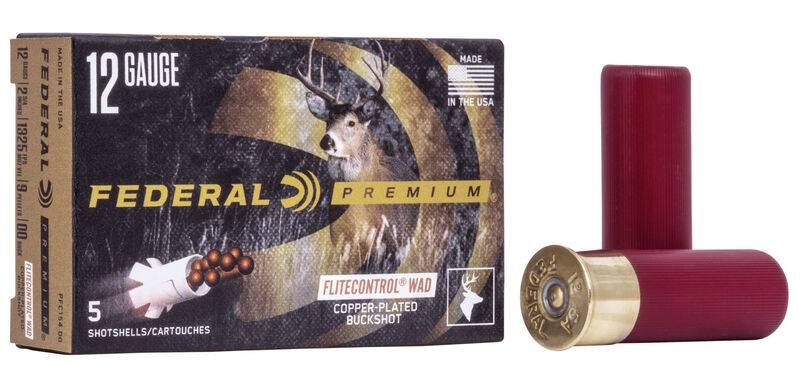
Federal Premium 12 Gauge 2.75 FLITECONTROL 9 Pellet 00 Buckshot (Box)
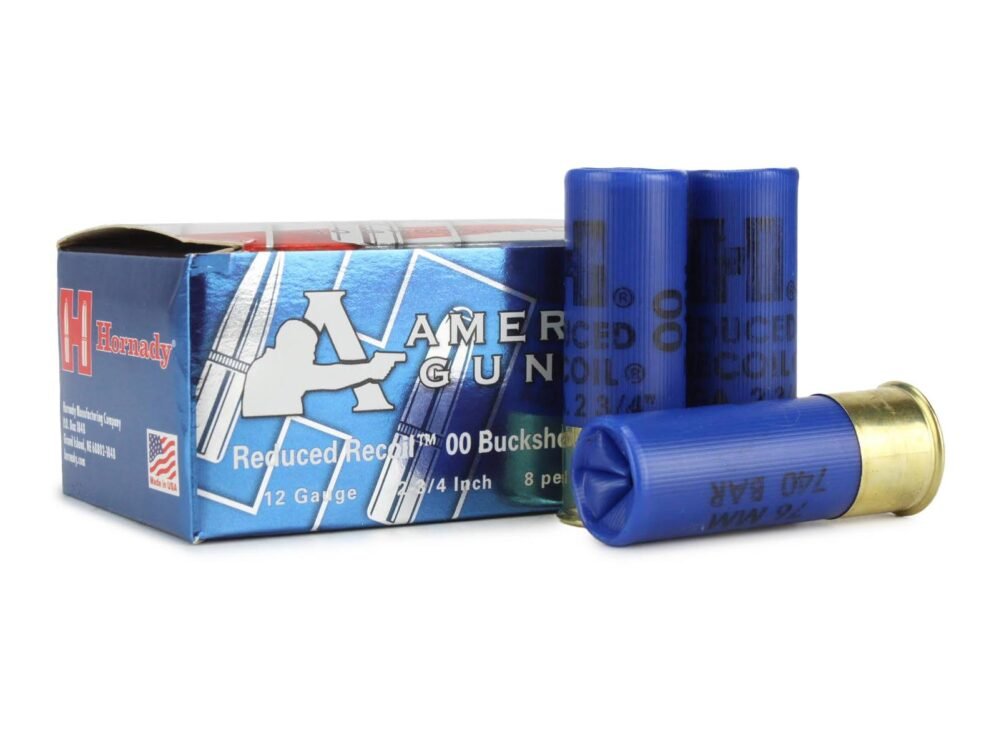
Hornady American Gunner Reduced Recoil 12 Gauge 2.75 00 Buckshot (Box)