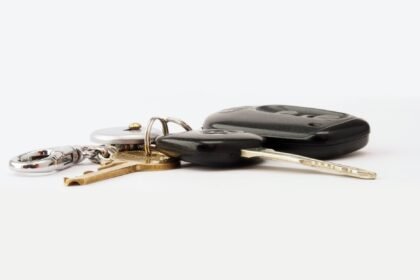
Key organizer block fob signal Leather, fabric, plastic, rubber, and wood are generally electrically non-conductive. At short distances, a sleeve or wrap made from these materials does not block the l...

Your Everyday Carry Load Out Starts Here
Master your keys with our organizers and keychains. Shop functional accessories and read tips for smart organization and daily efficiency.
Key organizer block fob signal Leather, fabric, plastic, rubber, and wood are generally electrically non-conductive. At short distances, a sleeve or wrap made from these materials does not block the l...

First, a key organizer pivot works as a compressed stack, not as one screw acting alone. Additionally, tightening the screw creates preload through the scales, keys, washers or spacers, and often a ba...
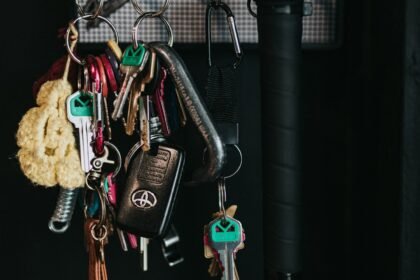

Once excess keys and loose pocket items are gone, a persistent bright jingle usually means two metal surfaces still meet on every step: key blades sliding against each other, a split ring striking a k...

A key organizer earns its space mainly by turning several loose, similar flat keys into a compact stack. Instead of fanning outward on a ring, the keys sit parallel to the pocket fabric. That flatter ...

A key organizer pivot screw replacement often involves a two-piece pivot: a threaded screw and a barrel or sex bolt. The barrel is not merely a spacer—it sets the clamping distance and supplies the th...


Choosing among key organizers with carabiners comes down to how the keys behave once they’re actually loaded onto the clip. A locking gate protects against snags on belt loops and pack straps, w...

A conventional pivot organizer is built for thin, flat keys with a mounting hole. An electronic car fob is a molded housing containing a circuit board, battery, antenna, and button membrane; it is too...

A slim key organizer only stays slim once a multitool joins the stack — the real test isn’t the empty frame, it’s the loaded bundle: key thickness, tool thickness, spacers, and screw heads...