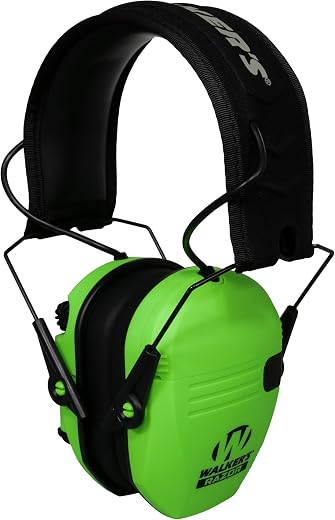
Outdoor Ranges Favor Electronic Awareness An active outdoor range, class, or social shooting day favors the Walker’s Razor Slim when spoken commands matter. Cease-fire calls and conversation matter to...

Your Everyday Carry Load Out Starts Here
Protect your hearing! Shop high-quality earplugs and protection gear. Read our guides on noise pollution and essential safety protocols for a healthier life.
Outdoor Ranges Favor Electronic Awareness An active outdoor range, class, or social shooting day favors the Walker’s Razor Slim when spoken commands matter. Cease-fire calls and conversation matter to...
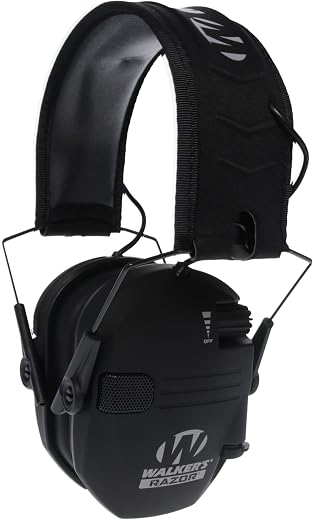
So which budget electronic shooting earmuffs actually hold up at the range — the Razor Slim or the Impact Sport? Both use the same level-dependent amplification to keep range commands audible while cu...

Getting youth shooting ear protection right isn’t about chasing the highest number on the box — it’s about whether the cushion holds a real seal once glasses, hair, a hat, and an actual sh...
Indoor bays multiply the challenge. Concrete, steel, and lane partitions reflect muzzle blast back toward the shooter; a braked rifle on the next lane can be louder at the ear than the firearm being f...
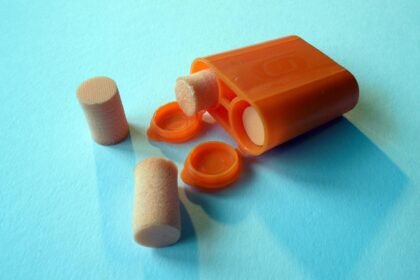
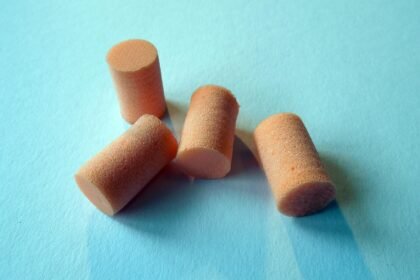
For a dedicated shooting range, an NRR in the mid-to-high 20s is a meaningful entry point for well-fitting earmuffs or earplugs. It generally offers substantially more margin than low-rated casual hea...
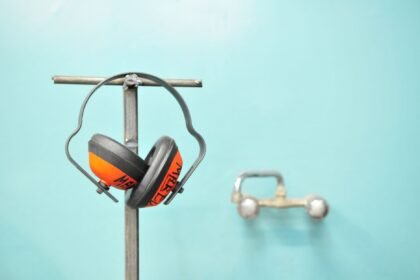
Noise Reduction Rating (NRR) is a standardized U.S. laboratory rating for how much sound a protector reduced under controlled test conditions. It is useful for comparing similarly certified earmuffs a...
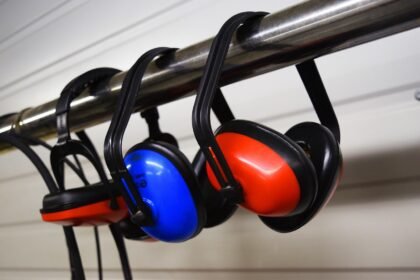
Dual protection is the standard approach for high-exposure shooting environments: pairing earplugs with earmuffs closes the gaps that either device leaves open on its own, adding real margin against i...
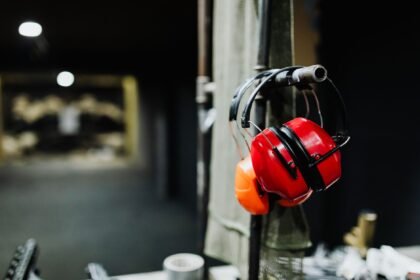
Indoor range earmuffs can be enough in some indoor setups, but they are not automatically sufficient. They depend on four factors that work together: the firearm and load, the room’s acoustics, the se...