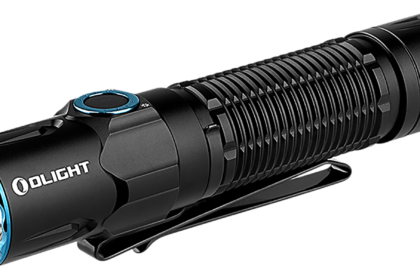
What makes a tactical flashlight different A tactical flashlight is judged on three things: how fast it comes on, where the beam lands, and what it survives. So lumens are the least useful number on t...

Your Everyday Carry Load Out Starts Here
Handheld, head-worn and weapon-mounted illumination for everyday carry and duty use.
What makes a tactical flashlight different A tactical flashlight is judged on three things: how fast it comes on, where the beam lands, and what it survives. So lumens are the least useful number on t...
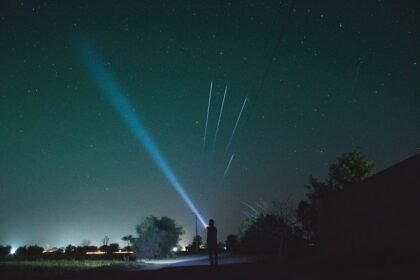
Choosing between Olight EDC flashlights usually comes down to how much light you actually need versus how much bulk you're willing to carry — Olight's everyday-carry catalog runs from coin-s...
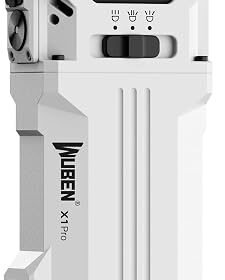
WUBEN X4 Flashlight Rechargeable,EDC Light with Multi-Mode RGB Light 4.0 Check price Amazon.com Features Additional Features 1500 Lumens, Side Light with RGB, Tactile tail switch, Magnetic tail cap, S...

Typically, a runtime claim for a rechargeable vs aa headlamp means time until a light reaches a low cutoff, not its maximum. Usable energy is the portion a cell can deliver through the driver. It depe...
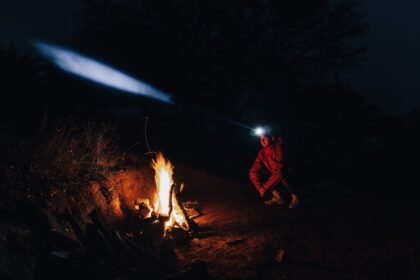
A headlamp bounce running is most stable when its housing sits close to the forehead and the beam is aimed only as low as needed. A steeply tilted lamp shifts its mass forward, so each footstrike can ...
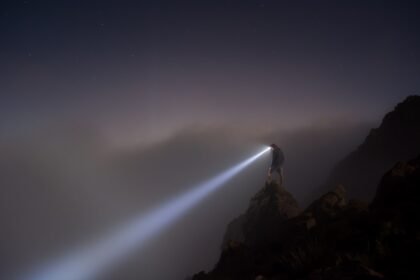
Red mode cuts out when the headlamp is tapped, tilted, or the cable flexed. You may see headlamp red light flicker. The LED driver often loses power for an instant. Common causes include a cell not he...
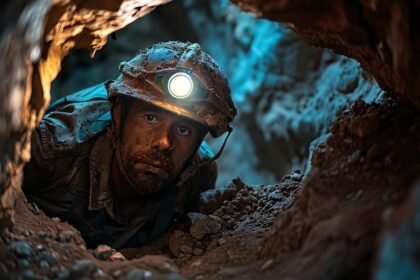
Before swapping cables or cleaning the port, inspect the headlamp in good light. Stop charging and stop using it if the housing is swollen, split, softened, melted, or unusually hot while disconnected...
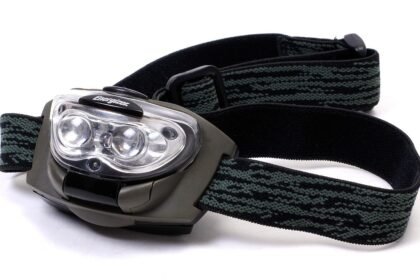
The short version of the headlamp carry-on baggage rules: an ordinary headlamp with its battery installed is fine in either carry-on or checked baggage, but spare lithium-ion cells, removable battery ...

The ANSI/ISEA Z89.1 marking inside a hard hat identifies the protection category. Type I hard hats are designed for top impact. Type II models address certain lateral impacts. Electrical classes G, E,...

A large lumen number can be useful on open descents. A trail running headlamp doesn’t automatically create better trail vision on technical single-track. A powerful hotspot can overlight the pat...