The brightest light in the drawer loses to the adequate one in your pocket.
A tactical flashlight earns the name through activation speed, beam shape and what it survives, not through the number printed on the box. Nearly every light sold today is bright enough for the jobs a pocket light actually gets.
The five below are separated by switch layout, beam reach and how they take power. Those are the things you notice after a year of carry.
- Switch position matters more than lumens, because it is what you touch under stress.
- Beam distance is the honest spec: it cannot be inflated by a short boost mode.
- A light that takes both a rechargeable cell and primaries never strands you.
What makes a tactical flashlight different
A tactical flashlight is judged on three things: how fast it comes on, where the beam lands, and what it survives. So lumens are the least useful number on the box. A light needing two thumb movements to reach high is slower than one needing none, and brightness does not close that gap.
Output is also measured inconsistently unless the maker tests to the ANSI/PLATO FL-1 standard. That standard covers output, runtime, beam distance, impact resistance and water ingress. It is also why two 1,000-lumen lights can look nothing alike.
So read the beam distance before the lumen count, because that figure tells you where the light actually reaches. The wider case sits in beam throw versus raw brightness. And the output question is settled in how many lumens you really need.
Five lights, five different jobs
Output, runtime and the numbers that mislead
Every tactical flashlight here quotes a headline lumen figure. Each one holds it for a few minutes at most. Then thermal throttling steps in and the light settles lower, and that settled figure is the one you live with.
Runtime is quoted the same optimistic way. Makers usually measure down to ten percent of initial output. So a light rated for four hours spent most of them dim. That gap is worked through in why flashlight runtime falls short.
Beam distance is the honest spec. It is measured where the beam falls to a fixed brightness, so a boost mode cannot inflate it. The Nightstick reaches 228 meters on 1,100 lumens, and brighter lights here reach less. Reflector depth simply does more for reach than the emitter does.
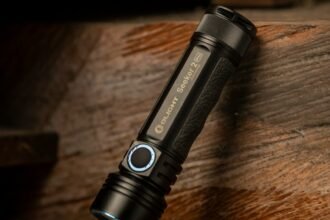
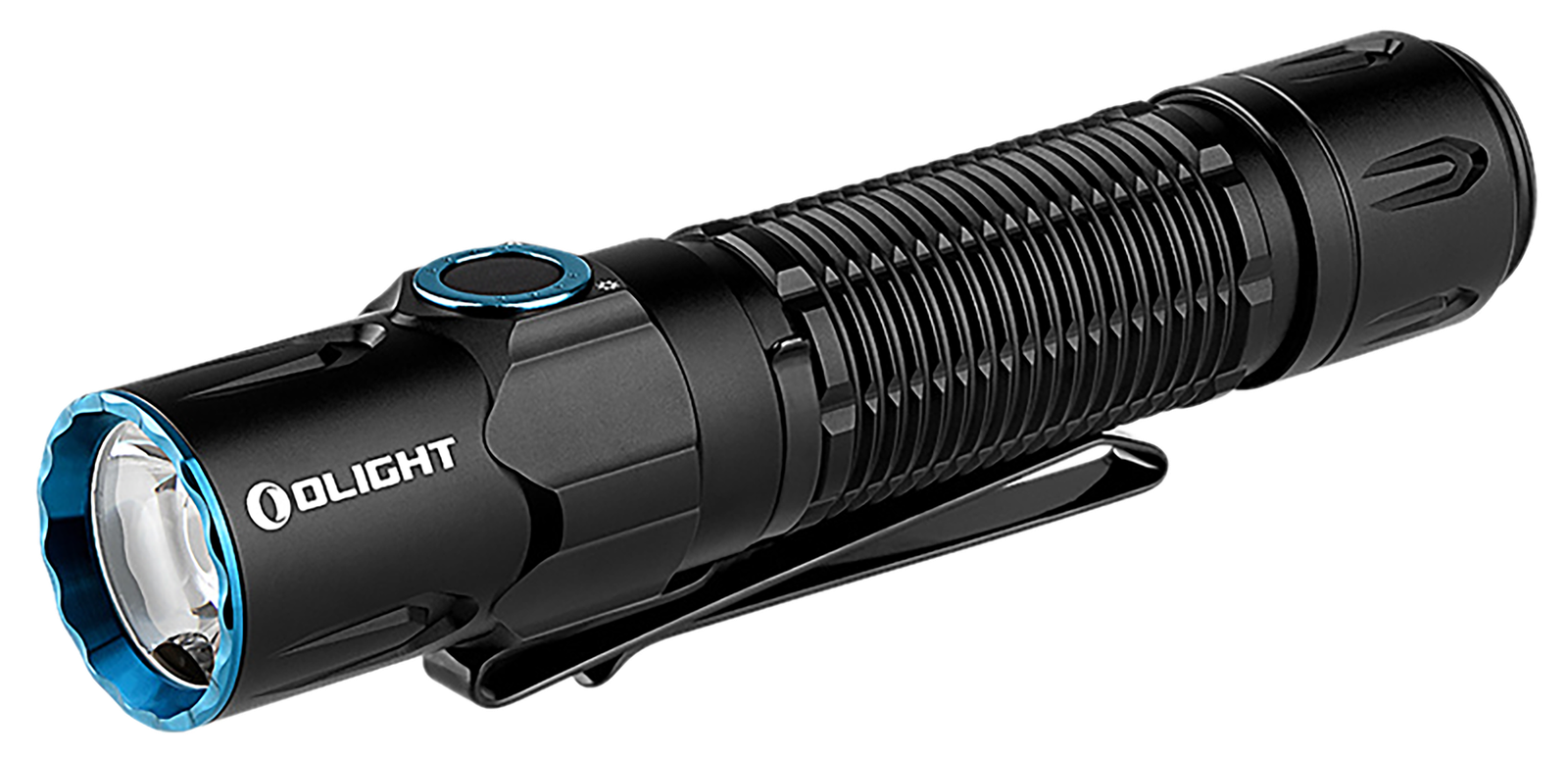
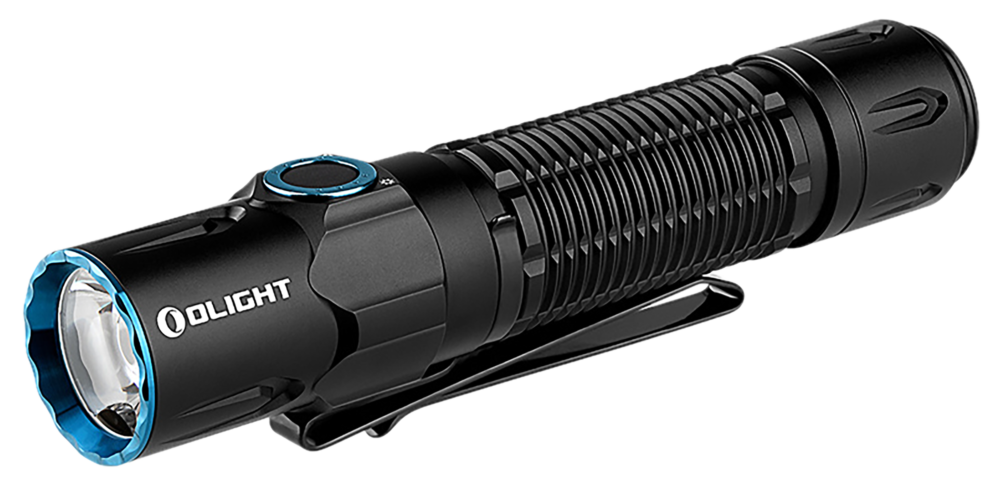
Olight Warrior 3S: output and a switch you can find
01
The most output and the best switch layout of the five
The Warrior 3S wins on the thing you use every time rather than the thing you quote in an argument. Two switches, one at the tail and one on the side, mean you can reach either without shifting your grip.
The 2,300-lumen ceiling matters less than what it buys you underneath it. Running a mid mode on a light with that much headroom keeps the head cool and the runtime long, and the proximity sensor throttles output before the body gets uncomfortable to hold.
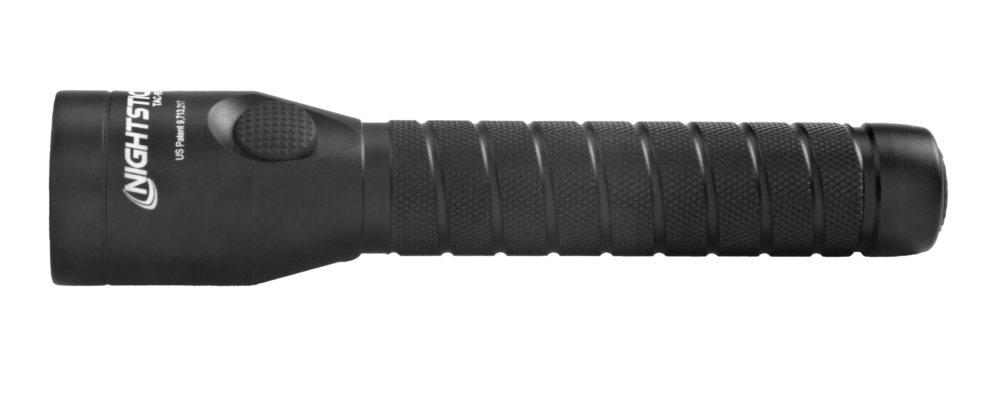
Nightstick TAC-660XL: reach that the lumen number hides
A 228-meter beam from a light that fits a jacket pocket
This is the light that proves beam distance and brightness are different specs. 228 meters from 1,100 lumens beats several brighter lights here, because a deep parabolic reflector collimates the beam rather than spilling it.
The build backs it up. Type III hard-anodized 6061-T6 aluminum is the same spec used on duty lights costing considerably more, and switches at both the bezel and the tail cover either grip.
Warrior 3S | TAC-660XL | ProTac HPL USB | ProTac HL | META 500L | |
|---|---|---|---|---|---|
|
|
|
|
|
| |
| Max output | 2,300 lm | 1,100 lm | 1,000 lm | 750 lm | 500 lm |
| Beam distance | 250 m | 228 m | 240 m | 270 m | 180 m |
| Power | Rechargeable | Rechargeable | USB + primaries | Primaries | Rechargeable |
| Switches | Tail + side | Bezel + tail | Tail | Tail | Tail |
| Best for | One light for everything | Longest reach | Never being stranded | Proven duty use | Spending the least |
| Check price | Check price | Check price | Check price | Check price |
- A switch you can work without looking
Activation speed is the whole premise of the category. Count the thumb movements from off to high, and prefer the light that needs fewer of them.
Look forA tail switch for reverse grip, or dual switches if you carry more than one way.AvoidLights that cycle through low and medium before reaching high. - Beam distance, not headline lumens
Reflector geometry decides where light lands. A deeper reflector throws farther on fewer lumens, and that figure is measured to a fixed standard.
Look forA published beam distance in meters alongside the lumen rating.AvoidA big lumen number with no beam distance quoted next to it. - Batteries you can actually replace
Rechargeable is cheaper per year and useless at hour ten of a power cut. A light that accepts both keeps working either way.
Look forSupport for primaries as well as a rechargeable cell.AvoidA sealed pack with no alternative when the charge runs out.
How to choose a tactical flashlight without overthinking it
Start with the switch, because that is what you touch under stress. A tail switch is faster from a reverse grip. But a side switch is easier one-handed, so the choice follows how you carry rather than what is brighter. The tradeoff is covered in tail switch versus side switch.
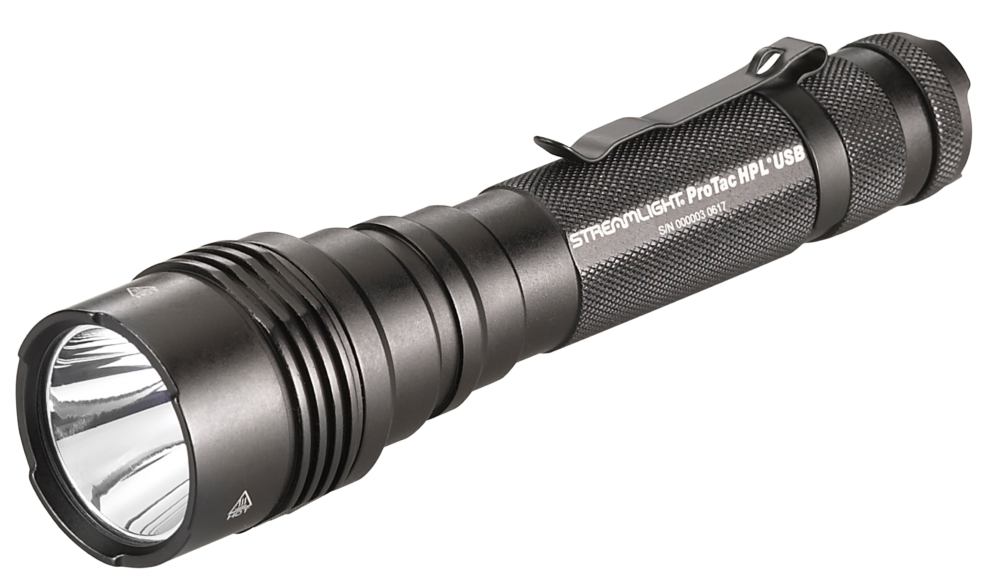
Then decide about batteries. A rechargeable light is cheaper to run. But one that also takes primaries still works on the weekend you forgot the cable. The ProTac HPL USB does both, which is why it earns its price.
Finally check the water rating against where you keep it. IPX7 survives a dunk and IPX8 survives submersion, and the practical difference is explained in IPX7 versus IPX8. For the underlying definition of the category, see what a tactical flashlight actually is.
Frequently asked questions
How many lumens does a tactical flashlight actually need?
Five hundred is plenty for almost everything, and a thousand gives you margin outdoors. Past that you are buying headroom rather than usable brightness, since running a lower mode on a brighter light keeps the head cool and the runtime long.
Is a tail switch really better than a side switch?
It is faster from a reverse grip, which is the grip most defensive techniques assume. A side switch is easier for one-handed work and for cycling modes. Neither is wrong, so pick the one that matches how you actually hold a light.
Do I need a strobe mode?
Most people never use it, and on several of these lights it sits between off and high where it slows you down. If your light supports programming, drop the strobe and keep a simple high-low order.
Are rechargeable lights a bad idea for emergencies?
Only if the light takes nothing else. A model that accepts primaries as well as its rechargeable cell covers both cases, which is why the ProTac HPL USB scores well here despite not being the brightest.
What a brighter tactical flashlight will not fix
No amount of output makes up for a light you cannot find. If it lives in a bag rather than a pocket, it is not there when you need it. So a cheaper light you carry wins.
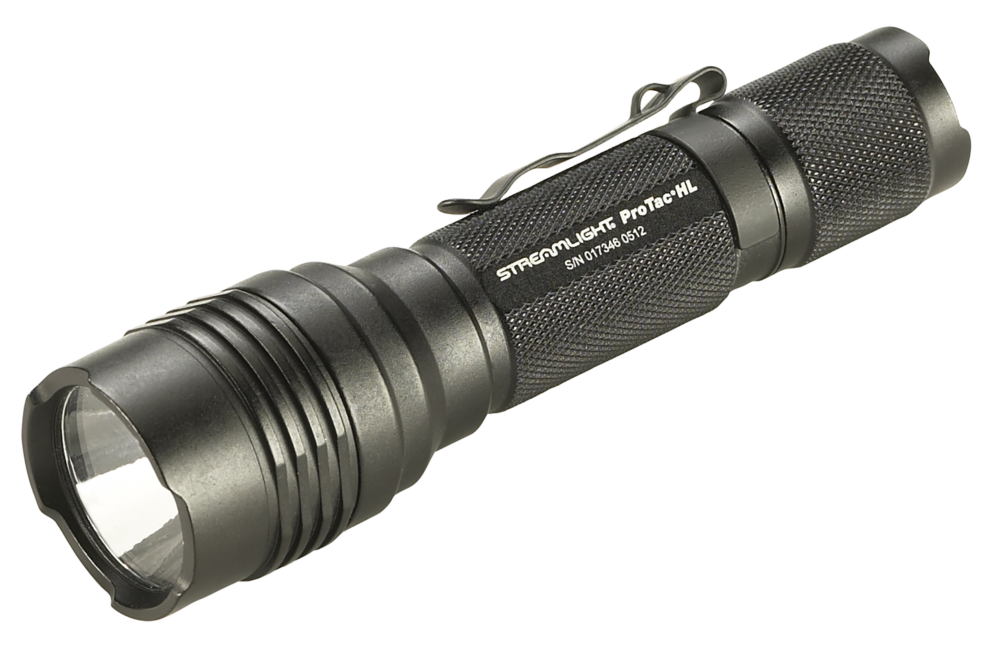
Nor does brightness help if the switch confuses you. Program out the modes you never use. Then practice reaching high from a cold start until it needs no thought. Streamlight's own ProTac HL specifications list the mode order for that line, which is worth reading before you set it.
So buy for the switch and the beam, and treat lumens as a tiebreaker. Every tactical flashlight on this list is bright enough, since none of them fails for lack of output.
Buy the Warrior 3S if you want one light that does everything, because the dual switches and the output headroom cover more situations than any single spec here. Take the Nightstick instead if reach is your priority, or the ProTac HPL USB if being stranded without a charger is the thing you actually worry about.
Buy for the switch, not the spec sheet
- Count the thumb movements from off to high before you compare lumens.
- Beam distance is the spec that cannot be inflated by a boost mode.
- A light that takes primaries as well as a cell never leaves you dark.
Any tactical flashlight on this list is bright enough, so the choice comes down to how it behaves in your hand. Pick the switch layout that matches your grip, check the beam distance against the space you need to light, and stop reading. The light you carry every day beats the brighter one you left on the shelf.
Olight Warrior 3S Tactical Flashlight 2300 Lumens
Nightstick Compact Tactical Flashlight 1100 Lumens
Streamlight ProTac HPL USB Tactical Flashlight
Streamlight Protac HL Tactical LED Flashlight