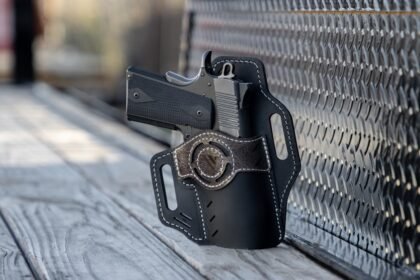
Before changing retention, isolate the hardware. With the holster unloaded, hold the shell near the retention point and move the firearm only enough to assess drag. Then support the shell with a hand ...

Your Everyday Carry Load Out Starts Here
Essential gear for concealed carry. Find reviews and guides on holsters, pouches, and accessories designed for discreet, functional, and reliable daily defense.
Before changing retention, isolate the hardware. With the holster unloaded, hold the shell near the retention point and move the firearm only enough to assess drag. Then support the shell with a hand ...
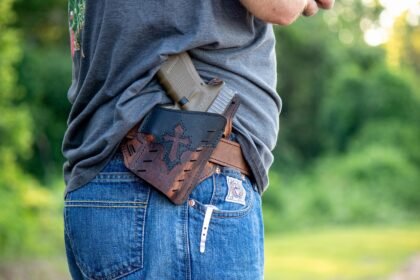
A holster sweat shields approach works by moving the body-contact line from the pistol’s metal or polymer. This shift places the contact area on a broad leather or synthetic panel. That panel keeps sh...

Strikeman 9mm Dry-Fire Laser Training System - Great for Target Shooting Practice with Pistols - Kit Includes Access to Updated App (No Subscription Needed),... 4.0 Check price Amazon.com Features Man...
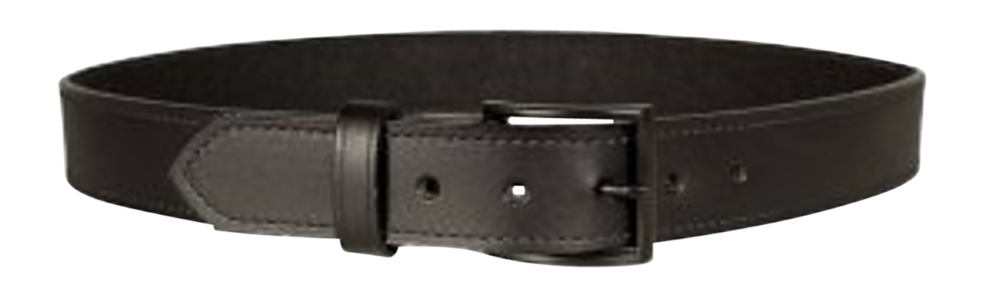
A dress belt is not automatically a concealed carry belt for dress pants merely because it is leather. The useful match depends on the combined load: firearm, holster, spare magazine if carried, and t...

A loaded holster creates a levering force. The belt’s job is to keep the holster mouth at a consistent height. It resists the grip pulling outward and spreads the force across the waist. This prevents...
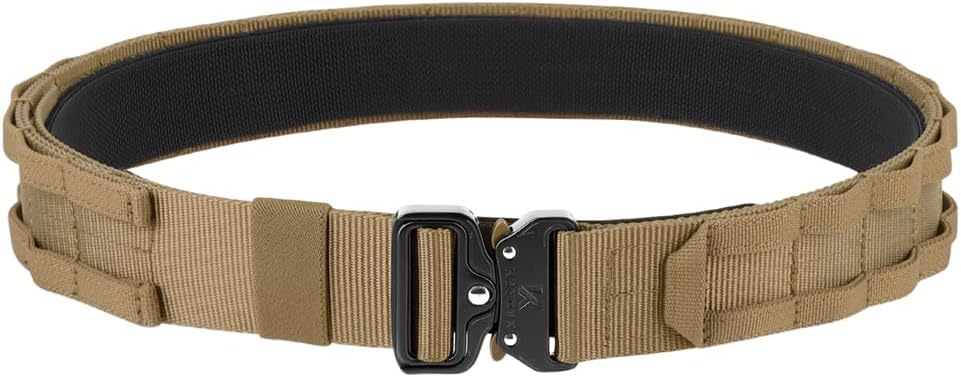
So do belt keepers for concealed carry actually stop a holster from shifting? Yes for belt-layer slippage — not for every kind of movement. The sections below walk through which failure a keeper actua...

An off-body carry bag only earns the word ‘safer’ when it comes with a genuine custody routine — a dedicated compartment that stays separate from keys and loose gear, retention that holds ...
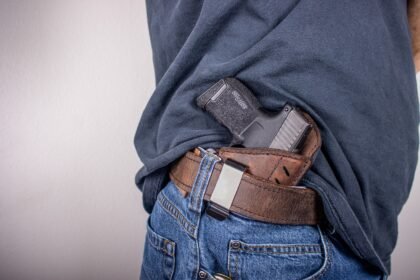
A purpose-built gun belt can make daily carry feel markedly more controlled. By resisting sag and unwanted twist, it helps keep the holster at a consistent cant and ride height, which supports steadie...
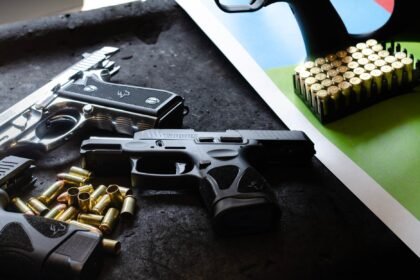
A vehicle works best as a short-gap location, not a routine place to leave a handgun between errands, work shifts, or overnight parking. The more often the gun moves from body to console, lockbox, or ...
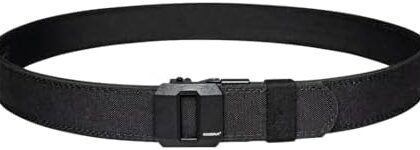
Building a genuinely reliable set of concealed carry accessories starts with support, not gadgets: a stiff ratchet belt, a stabilizing claw or wedge, and breathable soft goods solve the real problems ...