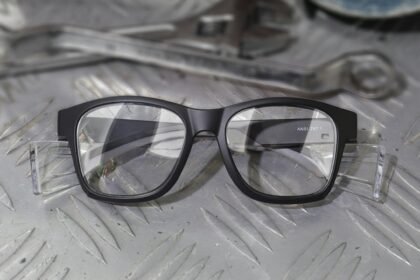
ANSI/ISEA Z87.1 is a voluntary consensus standard in the United States for eye protection performance and markings. Meanwhile, ANSI accredits the standards-development process, while ISEA develops the...

Your Everyday Carry Load Out Starts Here
ANSI/ISEA Z87.1 is a voluntary consensus standard in the United States for eye protection performance and markings. Meanwhile, ANSI accredits the standards-development process, while ISEA develops the...

An LCD does not simply shine ordinary, unpolarized light toward the viewer. The backlight is unpolarized, but the stack includes polarizing films that affect how light reaches the polarized sunglasses...
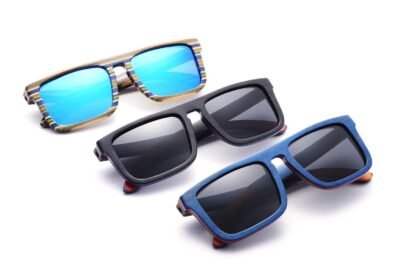
Rain does more than make a route darker. A thin film of water turns asphalt into a broad, uneven reflector, sending bright sky light toward the driver at a low angle. The resulting veil can flatten th...

Folding reading glasses Inward-folding temples reduce width for folding reading glasses while leaving the front intact. Additionally, they are usually the quickest design to deploy: open the arms, sea...
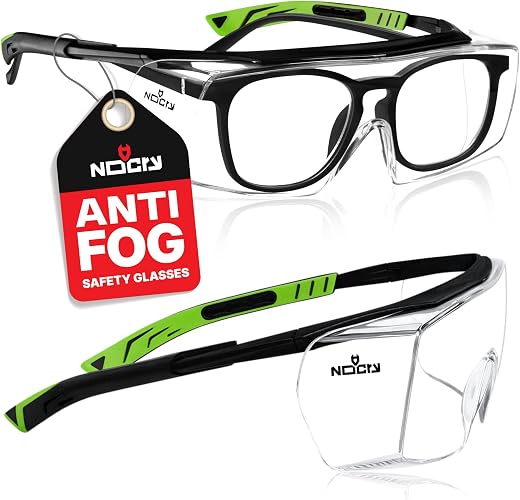
For flying dust, chips, and routine workshop tasks, safety glasses over prescription glasses such as the NoCry and Uvex models can feel less confining and shed heat more readily. Their side coverage m...
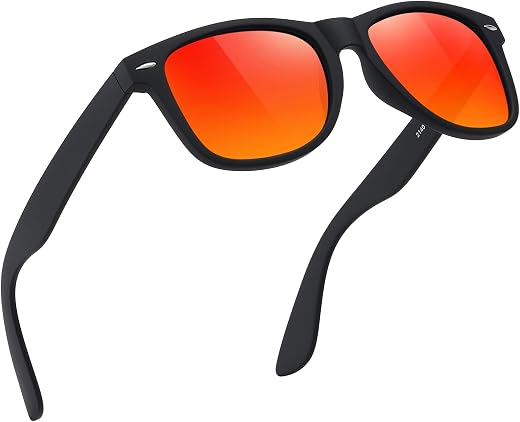
A flexible TR90-style nylon frame can twist and rebound better than a rigid, brittle plastic frame. That is useful when sunglasses are sat on or caught in a pocket seam, but flexibility is not invinci...

Limit criteria for choosing an everyday pair An everyday pair is easier to choose once three limits are fixed: the primary task, the likely damage, and the maximum package worth carrying. Different gl...
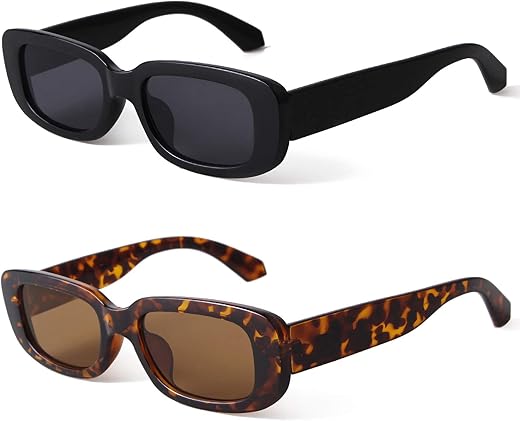
A frame can be light yet awkward to carry. In a pocket or small pouch, shape matters more than weight alone. It covers lens height, front width, temple stack, and the hinge’s widest point. Tall lenses...