
Advertised card counts may reflect what fits when every slot is filled, not what stays easy to access. Embossed numbers create uneven stacks, and folded bills press against pockets or hinges. An ID wi...

Your Everyday Carry Load Out Starts Here
Wallets, key organizers, bags and pocket notebooks: how the load gets carried and kept in order.
Advertised card counts may reflect what fits when every slot is filled, not what stays easy to access. Embossed numbers create uneven stacks, and folded bills press against pockets or hinges. An ID wi...
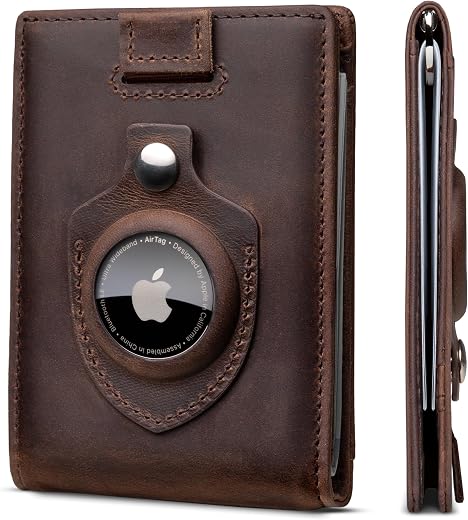
An AirTag is a physical object, and adding one to a slim wallet changes its loaded depth. Five holders compared on tag placement, card capacity, and whether they still sit flat in a front pocket....

A card holder is thinner, but a bifold handles cash, IDs and receipts without a second pocket. What each format actually costs you in access, bulk and daily use....
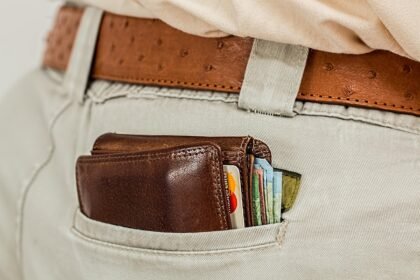
When the hip bends, the thigh moves toward the torso and the front pocket loses usable depth. At the same time, the waistband and trouser leg pull the pocket fabric taut, leaving less room for a walle...
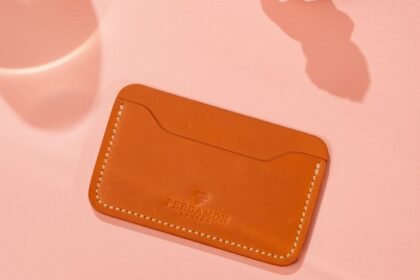
An intact holder that is only mildly loose may tighten somewhat after being emptied and left flat at room temperature for several days. Expect partial contraction rather than a return to factory fit. ...

A realistic 10-card load means 10 physical cards carried at the same time, not five cards doubled up for an occasional trip. It may include payment cards, identification, transit passes, access badges...
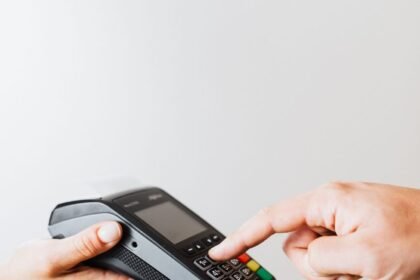
Most contactless credit and debit cards use near-field communication (NFC) at 13.56 MHz, typically following the ISO/IEC 14443 contactless-card standard. NFC is part of the broader RFID family, but “R...
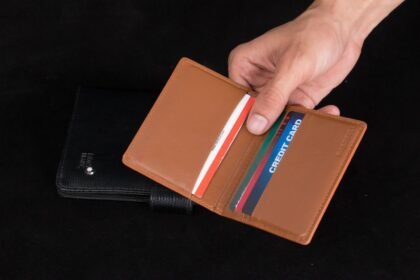
When the entire stack slides rather than one card working free, first check capacity and loading. Find the exact model’s stated minimum and maximum on the maker’s product page, packaging, or manual. S...
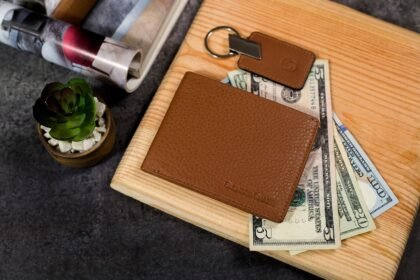
A practical slim-wallet load is often four to six essential cards. That might include a primary payment card, backup payment card, identification, transit pass, access badge, and one frequently used m...

A clip is dependable only when its retention method matches the cash load and remains in good condition. Before deciding whether to , identify how it grips bills: Test the clip with the number and fol...