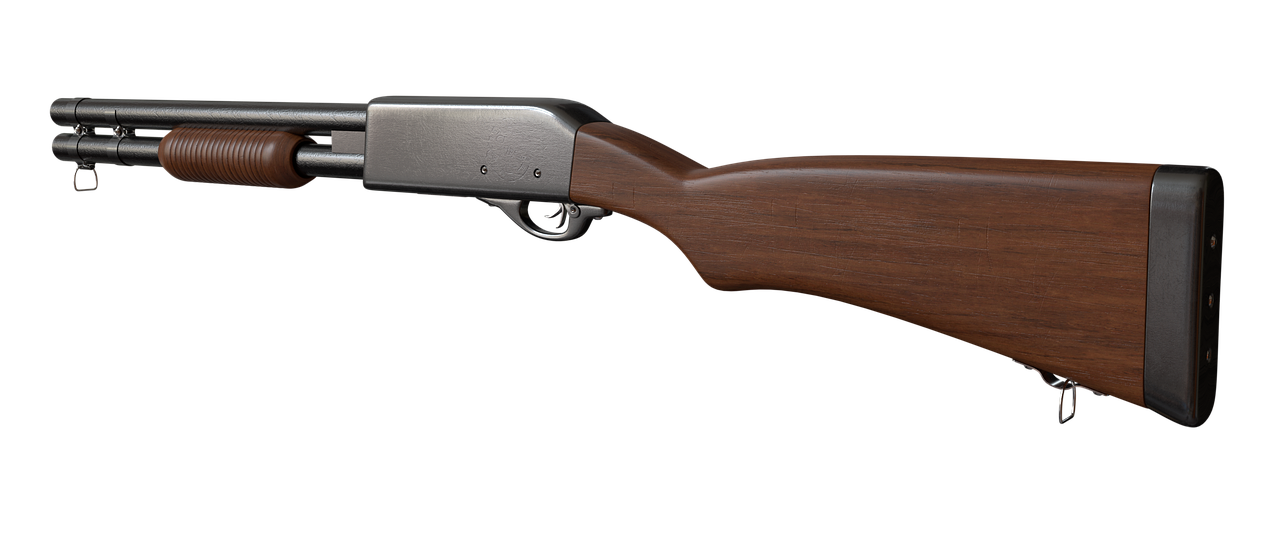
A longer hull adds potential—not automatic effectiveness.
Two boxes can look nearly identical on the shelf, yet the 3-inch load may carry more pellets, produce sharper recoil, and cost more per trigger pull. That extra payload matters only if the shotgun patterns it well and the shooter can deliver fast, accurate follow-up shots.
Hull length alone is a poor buying shortcut. Compare the specific pellet size and count, then pattern both loads through the intended firearm and choke at realistic distances. Factor in reliability, recoil tolerance, and practice cost. A lighter 2¾-inch load may offer better control; a 3-inch load may justify its trade-offs when extra pellet count serves a defined purpose. Always confirm that the barrel is marked for the chosen shell length before firing.
Check chamber compatibility first
Read the barrel’s chamber marking and the firearm manual before comparing payloads. A 3-inch shell must never be fired in a shotgun marked only for 2¾-inch ammunition.
Shell length is nominal and normally refers to the opened, fired hull—not the shorter crimped cartridge. An unfired shell fitting in the chamber or magazine therefore does not prove compatibility.
Confirm four points:
- The exact gauge and chamber length on the installed barrel.
- The manual explicitly permits that shell length and load type.
- The action can cycle the load; some semi-automatics have load-specific limits.
- Magazine plugs, shell stops, and tube geometry permit lawful, reliable feeding. Capacity may change with loaded-shell dimensions.
If barrel and receiver markings differ, the barrel was replaced, or markings are unclear, stop and ask the manufacturer or a qualified gunsmith.
Do not fire a longer shell simply because it chambers. Its crimp can open into the forcing cone, raising pressure and creating a serious hazard.
Read the Load Data, Not Just the Shell Length
Shell length
The nominal hull length after firing—typically 2¾ or 3 inches. It describes chamber compatibility, not pellet count, power, or pattern quality.
Payload weight
The total weight of shot in the shell. A heavier payload may contain more pellets, larger pellets, or both.
Pellet size and count
Pellet size identifies diameter; count states how many projectiles are loaded. Compare #1 and 00 buckshot load differences directly rather than treating their counts as equivalent.
Velocity and recoil
Published velocity is the maker’s stated muzzle speed under specified test conditions. Felt recoil also depends on payload, firearm weight, action type, fit, and shooting position.
Pattern density
The number and distribution of pellet strikes at a stated distance. Shell length alone cannot predict whether a load will pattern evenly in a particular shotgun.
Load construction
Wad design, buffering, pellet hardness, plating, and crimp can affect deformation and dispersion. These variables may explain why equal-length loads pattern differently.
What Matters More Than Extra Payload
- Safe, lawful compatibility
Confirm the exact shell length and load type in the firearm manual, then check local hunting, magazine-capacity, and ammunition restrictions for the intended use.
Look forManufacturer approval and a load legal for the specific activityAvoidAssuming chamber fit makes a load lawful or suitable - Reliable, controllable function
A heavier payload offers little value if it causes feeding problems, excessive recoil, or slower recovery between shots. Function-test with the firearm in its intended configuration.
Look forConsistent cycling, manageable recoil, and repeatable handlingAvoidChoosing pellet count without assessing reliability and control - Repeatable patterns
Pattern both lengths through the actual barrel and choke at realistic distances. Wad design, buffering, and hardened shot may produce a more useful pattern than extra pellets alone.
Look forEven distribution and consistent point of impact across several shellsAvoidJudging performance from one target or advertised payload - Construction and supply
Prefer clear specifications, sound quality control, and dependable availability. Capacity also matters because longer shells may reduce magazine capacity in some firearms.
Look forDocumented components, consistent lots, and sustainable availabilityAvoidA specialized load that is difficult to source or reduces needed capacity
| Baseline load | Federal Power-Shok F127 00 |
| Gauge | 12 gauge |
| Shell length | 2¾ inches |
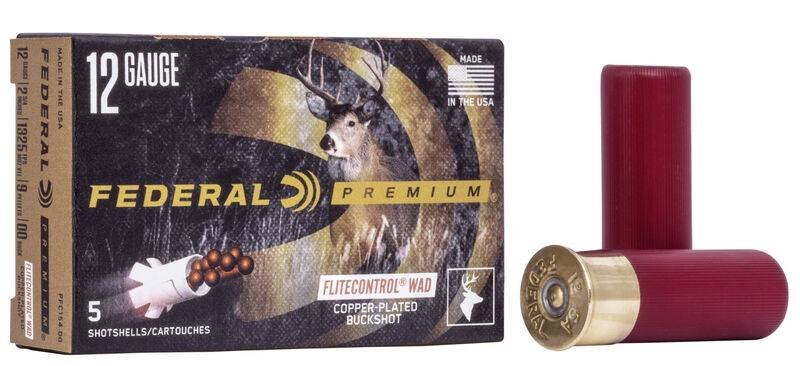
| Payload | Federal lists 9 pellets |
| Shot | 00 buckshot, lead |
| Muzzle velocity | Federal lists 1,325 fps |
| Pressure context | Not labeled reduced recoil; pressure unpublished |
| Testing role | Consider as a conventional reference; confirm cycling and patterning in the specific shotgun |
Recoil Changes the Real-World Result
A heavier payload, higher velocity, or both generally increases recoil. The practical costs can include slower recovery, disrupted mounting, flinching, and less precise follow-up placement. A load that discourages regular practice may offer little advantage over standard and reduced-recoil options that pattern reliably.
Gun weight and stock fit strongly affect perceived recoil. A heavier shotgun usually moves less sharply, while poor length of pull, comb height, or recoil-pad contact can concentrate impact and undermine control. Load design also matters: two shells of the same length may produce noticeably different recoil impulses.
Action type changes the experience and reliability question:
- Gas-operated semiautomatics can spread the recoil impulse, but light loads may not cycle every model reliably.
- Inertia-operated semiautomatics depend on sufficient recoil and a stable mount; manufacturer load guidance is especially important.
- Pump actions are not ammunition-cycled, though heavy recoil can contribute to short-stroking or slower operation.
Before choosing 3-inch buckshot, compare patterns and timed follow-up shots from the intended firearm. Confirm feeding, ejection, and bolt lockback where applicable. If placement or practice frequency declines, the extra payload is unlikely to be a useful trade.
More Pellets Do Not Guarantee a Better Pattern
Pellets can spread unevenly, leave gaps, or separate from the main cluster.
Count hits within a consistent central area, then note overall spread and every outlier. A larger payload matters only if the added pellets land usefully.
Patterns vary from shell to shell, even within the same load.
Fire several rounds on separate paper targets at each relevant distance. Compare average spread, central density, point of impact, and the widest outlier rather than selecting the strongest target.
Barrel, choke, ammunition construction, and point of aim can change the result.
Label every target with the firearm, barrel and choke, exact manufacturer load or catalog number, distance, and round number. Manufacturer-stated pellet count and velocity should remain clearly distinguished from range observations.
Pattern only at a lawful range that explicitly permits buckshot. Follow its target, distance, ammunition, eye-and-ear protection, muzzle-control, and cease-fire rules. Use a secure paper backer with an approved backstop; never substitute improvised land or an unknown impact area.
-
Confirm the exact load
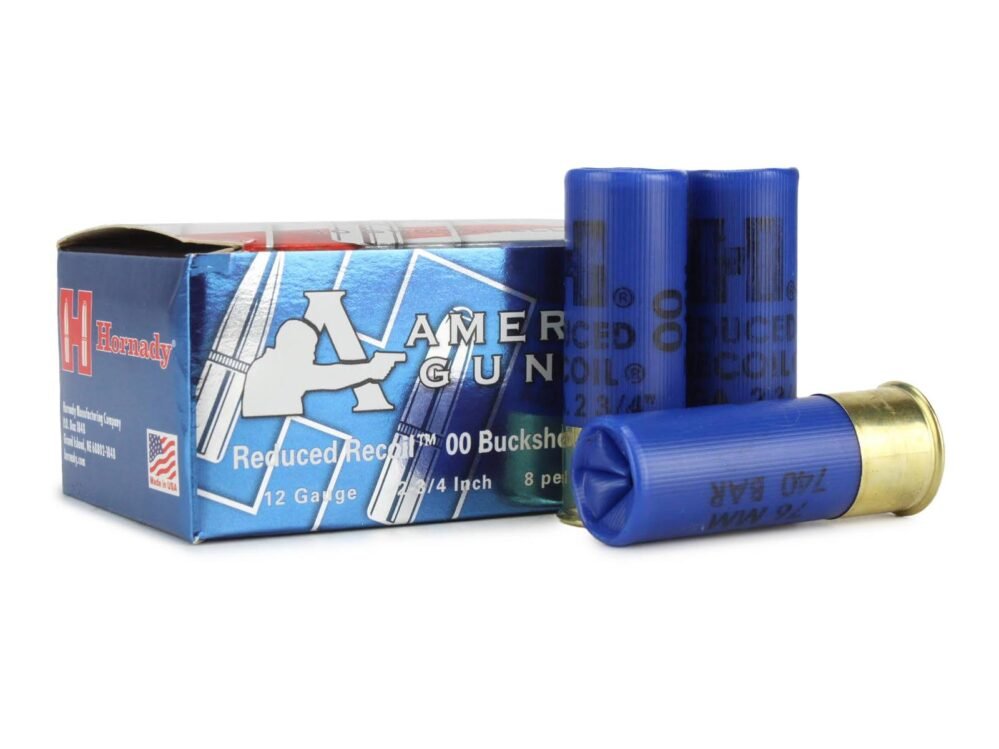
Match the manufacturer, product line, gauge, shell length, pellet size, pellet count, and stock number. Similar packaging can conceal materially different loads.
-
Verify firearm approval
Check the barrel marking and manufacturer’s manual for 3-inch compatibility. Do not rely on what another shotgun of the same gauge accepts.
-
Check the capacity tradeoff
Load the intended magazine configuration safely and confirm whether longer shells reduce capacity or create feeding problems.
-
Buy enough from one lot
Purchase sufficient matching ammunition for function and pattern testing, then record the lot number. Retest after changing lots because performance can vary.
-
Test storage and carriage
Confirm reliable retention and secure shell-card fit with 3-inch loads; longer cartridges may protrude or dislodge under movement.
-
Require a measurable payoff
Choose the heavier load only if testing shows a useful pattern, terminal-performance, or reliability advantage without unacceptable recoil or handling penalties.
Keep the packaging and manufacturer documentation for later identification and lot comparison.
- Verify compatibility
Check the barrel markings and firearm manual for approved shell lengths; confirm any feeding or magazine restrictions.
- Buy small samples
Select comparable 2¾-inch and 3-inch loads with documented pellet count, pellet size, and velocity.
- Confirm function
At an appropriate range, test each load for feeding, firing, extraction, and ejection before evaluating performance.
- Pattern multiple shells
Use fresh paper targets at intended distances. Record point of impact, overall spread, central density, and unexplained outliers.
- Compare control
Note recoil, recovery between shots, and consistency. Keep target photos, load details, and lot numbers for later comparison.
Follow the firearm and ammunition manufacturers’ instructions and all range safety rules.
Buy the Result, Not the Longer Shell
Choose the 3-inch load only when its added payload produces a repeatable pattern or reliability advantage large enough to justify greater recoil, slower handling, or reduced capacity. Otherwise, the better-performing 2¾-inch load is the more practical purchase.
After selecting a load, confirm the chosen lot before buying in quantity.
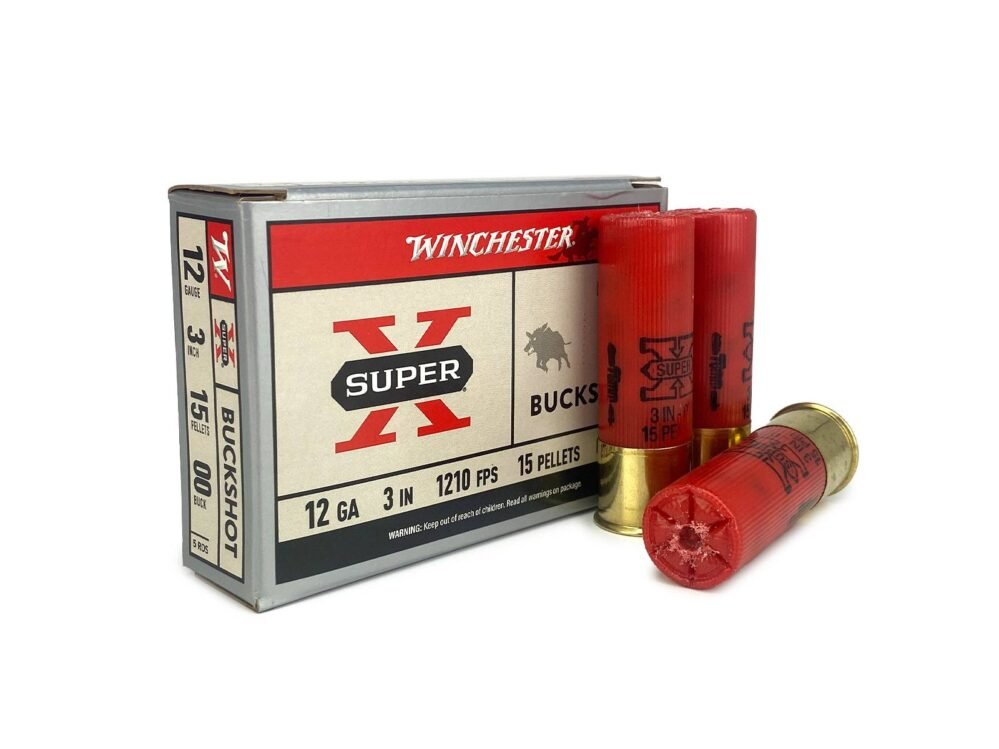
Winchester Super X 12 Gauge 3 00 Buckshot (Box)
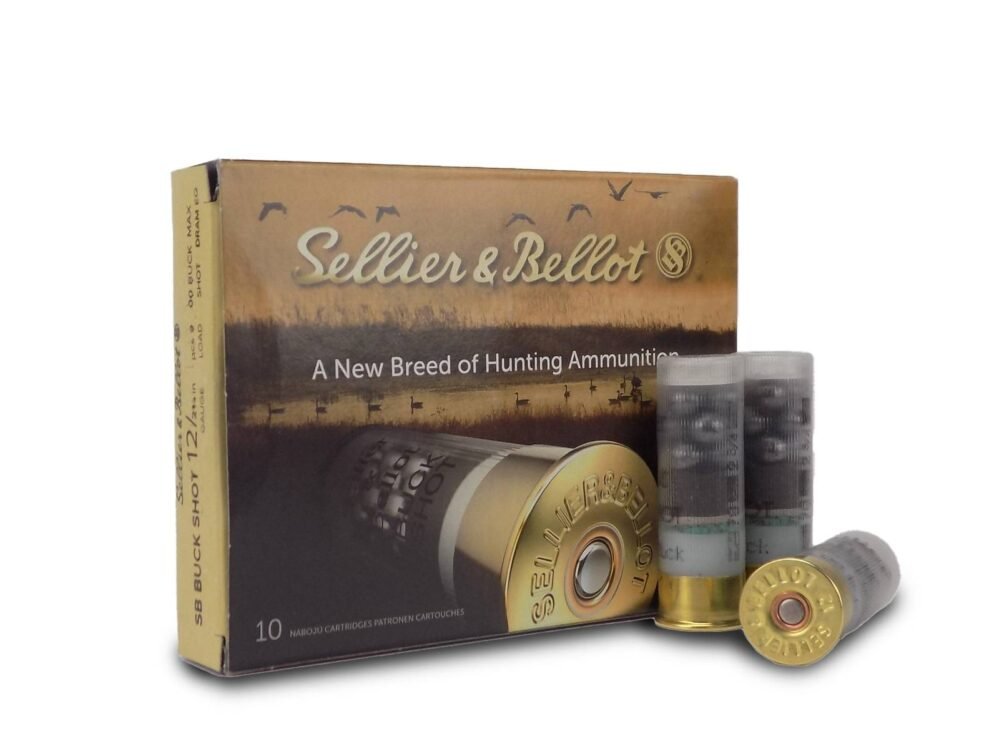
Sellier & Bellot 12 Gauge 2.75 00 Buckshot (Box)