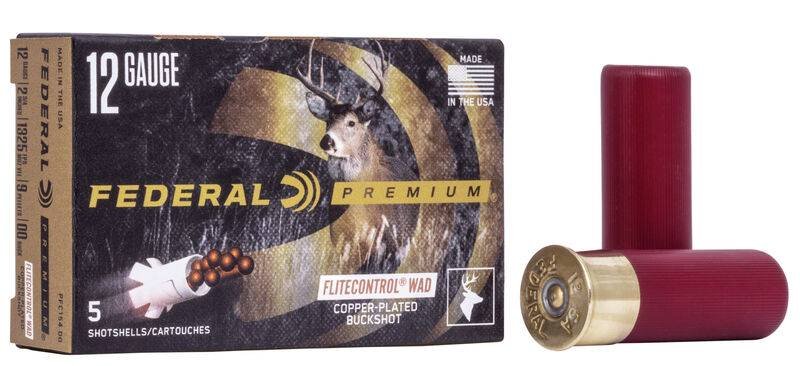
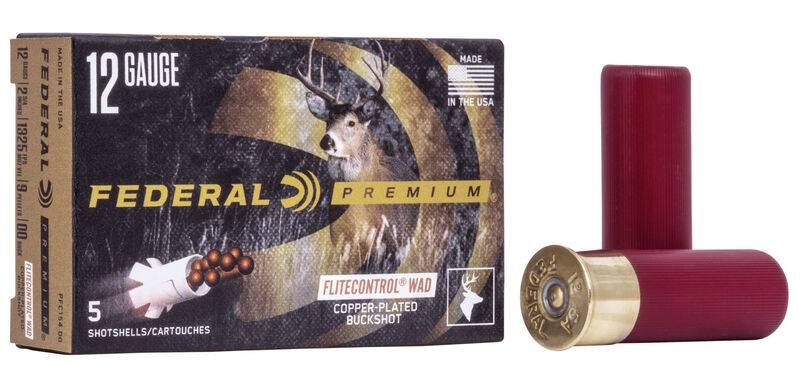
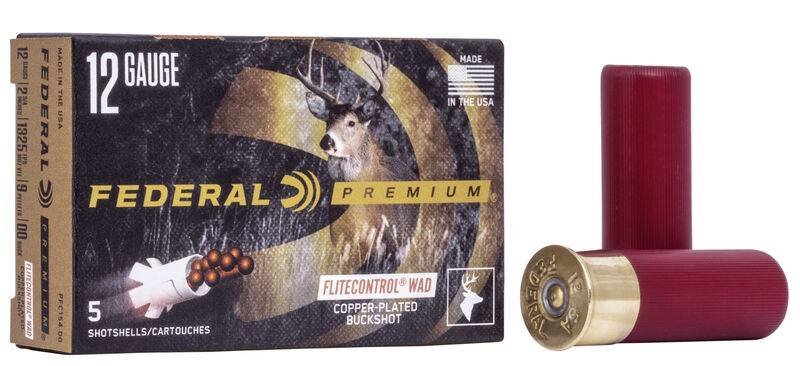
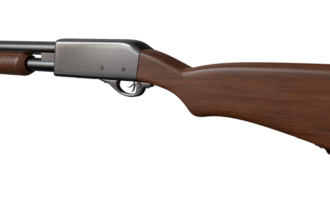
A test shell is no substitute for the correct manufacturer documentation.
A box of 00 buckshot beside a barrel or tube stamped FULL can make a trial shot seem reasonable. It is not a reliable compatibility check. “Full” identifies a choke designation; it does not, by itself, confirm that every buckshot load is approved for that barrel and choke.
Before loading, check the shotgun manual and choke-maker instructions for the exact model, gauge, choke part number, and shot material. Restrictions may differ between fixed chokes and removable tubes, or among lead, plated, and harder non-lead pellets. If the documents are missing or unclear, contact the shotgun or choke manufacturer with those details and the ammunition’s exact product designation. Until compatibility is confirmed, do not fire the combination.
Can buckshot be fired through a full choke?
Can a full choke shoot buckshot?
Often, yes—but only if the shotgun, choke tube, and ammunition manufacturers permit that exact combination. Approval may differ among shotgun models and replaceable choke designs.
Does successful chambering confirm the load is safe?
No. Chambering only shows that the shell fits and the action can close; it does not establish that the choke is approved for the load or pellet material.
Where should compatibility be checked?
Start with the shotgun owner’s manual, then check the choke maker’s restrictions and the ammunition maker’s load designation. If the instructions conflict or remain unclear, the combination should not be fired until the manufacturers clarify it.
What if the barrel has a fixed full choke?
The barrel markings and model-specific manual remain controlling. Guidance for a removable full choke should not be assumed to apply to a fixed-choke barrel.
A shell dropping into the chamber is not a compatibility test. Before firing, confirm:
the exact shotgun model and gauge; the choke’s maker, type, and constriction marking; the shell’s length, pellet material, and load designation; written permission from each relevant manufacturer.How should buckshot compatibility be verified?
- Make the shotgun safe before inspecting it
Unload the firearm completely, open the action, and verify the chamber and magazine are empty. Keep ammunition in a separate location during the inspection.
- Identify the choke design
Determine whether the constriction is fixed into the barrel or provided by a removable choke tube. If a tube is installed, remove it only according to the manual and record every marking on it.
- Record the exact firearm and barrel details
Note the manufacturer, full model designation, gauge, chamber length, barrel length, serial-number range, and any barrel or choke markings. Similar-looking variants may use different barrels, choke systems, or restrictions.
- Read the current manuals and warnings
Check the firearm manual, choke-tube instructions, and ammunition packaging. Compare the load’s shell length, pellet material, shot size, and other designations with the restrictions; the 12-gauge buckshot specifications guide explains which load details matter.
- Ask both manufacturers when guidance is unclear
Give the firearm or choke maker the recorded model details, tube markings, and the ammunition maker’s exact product name and stock number. The ammunition manufacturer may also identify barrel, choke, or pellet-material restrictions.
- Require affirmative confirmation
Retain the manufacturer’s written response with the manuals. No reply, missing documentation, or the absence of a printed prohibition does not establish that a combination is approved.
If markings are damaged, incomplete, or inconsistent with the manual, a qualified gunsmith should identify the components before firing.
A shell chambering correctly says nothing about whether its buckshot load is permitted through a particular full choke. Do not fire the combination until the applicable manufacturer guidance clearly supports it.
Why can the same choke produce different patterns?
Constriction alone does not predict the result.
A tighter choke may reduce spread, but it can also increase pellet deformation or create uneven distribution. The meaningful comparison is choke performance in buckshot pattern testing with the actual barrel and load.
Load construction can substantially change pellet flight.
Wad design, buffering and plated pellets may limit deformation and help pellets remain together. Unbuffered or softer pellets may flatten, produce flyers or spread differently through the same barrel.
Approval addresses safe use, not target performance.
A permitted load may still produce gaps, flyers or excessive spread at the intended distance. Pattern quality must be checked on paper rather than inferred from compatibility guidance or another shooter’s results.
After confirming manufacturer approval, fire several patterns with the same barrel, choke and ammunition lot at realistic distances. Mark the point of aim, count pellet strikes and inspect distribution—not merely overall diameter. Repeat before relying on the setup; a single target or online anecdote cannot show consistency.
When does buckshot require additional checks?
Does a fixed full choke make buckshot safe or unsafe?
Neither conclusion follows from the choke marking alone. The firearm or barrel manufacturer must approve the specific buckshot load, and older fixed-choke barrels may require inspection by a qualified gunsmith.
What should be checked on a removable choke tube?
The tube must match the exact barrel system, be approved for the load, and be installed according to the manual. Firing should stop if the tube is loose, cross-threaded, bulged, cracked, or otherwise damaged.
Do older or modified shotguns need special attention?
Yes. Unknown chamber dimensions, barrel alterations, refinishing, dents, or missing markings can make published guidance inapplicable; a qualified gunsmith should inspect the firearm before use.
Does approval for lead buckshot cover hard shot or specialty loads?
Not automatically. Steel, tungsten-based shot, plated loads, unusual wads, and other specialty ammunition may have separate choke restrictions, so both ammunition and firearm guidance should be checked.
Does barrel length determine buckshot compatibility?
No. Barrel length may affect handling, velocity, or patterns, but it does not establish whether a choke and load combination is approved.
Is the full-choke and buckshot combination a go?
-
Match every component
Confirm the firearm model, gauge, barrel, choke designation and material, plus the buckshot load and pellet material.
-
Require explicit approval
Proceed only when current manufacturer guidance permits that exact combination. A shell fitting the chamber is not approval.
-
Stop on warnings or uncertainty
Do not fire when documentation prohibits the load, components are damaged or altered, or compatibility remains unclear.
-
Pattern an approved combination
At a properly equipped range, follow its rules and pattern on paper at the intended distance. Compare results with documented 00 buckshot spread at different distances.
-
Record the result
Note the load, choke, distance, point of aim, pellet strikes, and date. Repeat enough targets to check consistency.
If records conflict or approval cannot be confirmed, select a clearly approved combination or consult the manufacturer and a qualified gunsmith.
- Recheck compatibility whenever the choke, barrel, or ammunition changes.
- Pattern quality cannot make an unapproved combination safe.
The decision is simple: no explicit approval means no-go. An approved combination still needs controlled paper patterning before its performance can be judged.
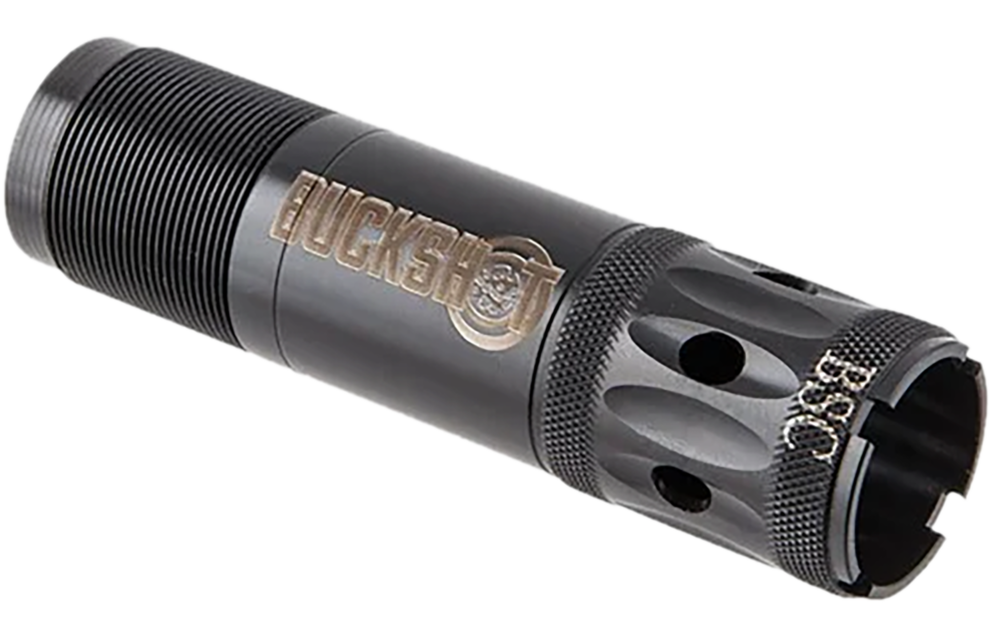
Carlsons Ported 12 Gauge Rem Choke Buckshot Choke Tube
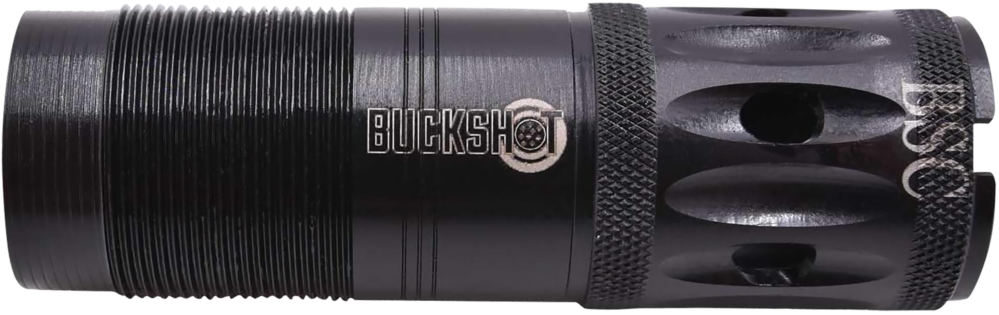
Carlsons Buckshot Ported Choke Tubes Winchester 12 Gauge Stainless Steel