
What 9mm vs .380 actually comes down to Strip the 9mm vs .380 argument down and two facts survive. A 9mm carries about double the muzzle energy, and a .380 pistol is meaningfully smaller. That energy ...

Your Everyday Carry Load Out Starts Here
Essential ammo for self-defense readiness. Find guides on selecting reliable loads and understanding performance for effective and safe defense situations.
What 9mm vs .380 actually comes down to Strip the 9mm vs .380 argument down and two facts survive. A 9mm carries about double the muzzle energy, and a .380 pistol is meaningfully smaller. That energy ...
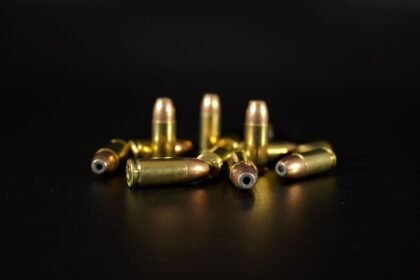
What HST vs Gold Dot actually comes down to The HST vs Gold Dot question is really a question about bullet construction, so start there. Federal's HST is a conventional cup-and-core hollow point ...
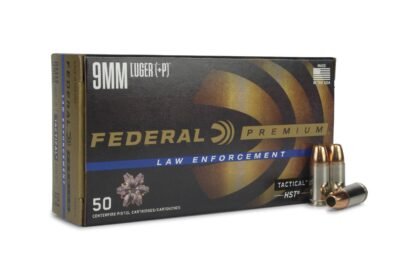
Why 9mm self-defense ammo choice comes down to barrel length Any comparison of 9mm self-defense ammo has to start at the barrel, so this one does too. Ammunition makers publish velocity from test barr...
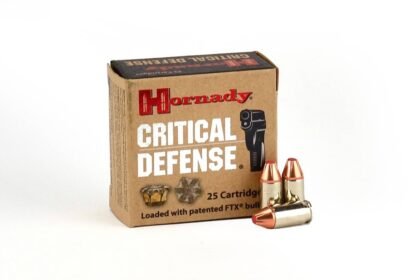
Why 380 self-defense ammo is a genuine trade-off Any comparison of 380 self-defense ammo runs into the same wall, so it is worth naming up front. The FBI protocol asks a bullet to penetrate at least t...
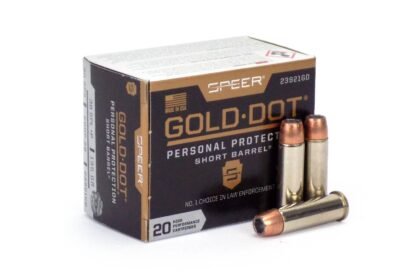
Why .38 Special ammo behaves differently in a snub Any comparison of 38 Special ammo has to start with the barrel, because a snub-nose changes the arithmetic. Manufacturers publish velocity from four-...
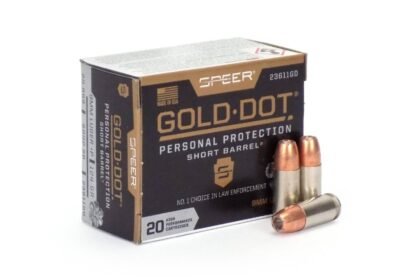
What barrel length actually costs you Barrel length changes velocity because a shorter tube gives the powder less time to burn, so the bullet leaves before it has finished accelerating. The rule of th...

Why carry ammo rotation is about setback, not age A carry ammo rotation schedule exists because of one mechanical problem. Every time you chamber a round, the bullet slams into the feed ramp and can m...

Self defense ammo testing is less about firing a box of rounds than about building a documented pattern: the same pistol, the same magazines, and the same production lot cycling cleanly across more th...
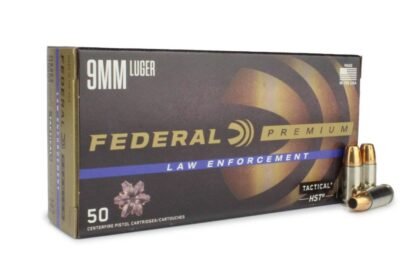
Choosing the right glock 19 defense ammo comes down to balancing barrier penetration, expansion, and reliable feeding in a full-size 9mm platform, which is exactly what the loads above were tested aga...

A +P load is intended to produce a higher pressure curve than its standard-pressure counterpart. In a given barrel, that often raises muzzle velocity, but the gain is not fixed. Bullet weight, powder ...