Reduced recoil can improve control, but reliable cycling depends on the complete shotgun-and-load combination.
A reduced-recoil shell may run cleanly during a warm range session, then short-stroke when the shotgun is dirty, cold, lightly shouldered, or fitted with added weight. Typical symptoms include failure to eject, failure to feed, or the bolt not locking back after the last round.
Gas-operated and inertia-operated shotguns use different mechanisms, but either can be sensitive to ammunition that produces less operating energy. Reliability may also vary with the specific load, gun condition, lubrication, recoil spring, and manufacturer-recommended break-in status. A load should therefore be tested in the exact shotgun and configuration intended for use—not assumed reliable because it worked in another model. Testing should include multiple boxes from the chosen load and realistic shooting positions, while following the shotgun and ammunition manufacturers’ instructions.
Will reduced-recoil buckshot function reliably?
Will reduced-recoil buckshot cycle a semi-auto shotgun?
Often, but reliability depends on the specific shotgun and load. Gas-operated and inertia-operated actions use different energy pathways, so ammunition that runs one model may short-cycle another.
What counts as a complete operating cycle?
After firing, the action must unlock, extract and eject the hull, cock the firing mechanism, feed and chamber the next shell, then return fully to battery. Weak ejection, a missed feed, or incomplete lockup means the cycle was not reliable.
Why is the “reduced recoil” label not enough?
The label does not specify one standardized operating-energy level. Payload, velocity, pressure curve, hull construction, crimp, and buffering can all affect function; see what reduced recoil changes in a shotshell.
How should compatibility be checked?
Start with the shotgun maker’s ammunition guidance, then test the exact load intended for use. Confirm feeding, ejection, bolt lockup, and last-round hold-open where applicable across multiple magazines before treating the combination as dependable.
- Short-stroking
The bolt travels too little to eject the hull or load the next shell correctly.
- Return to battery
The bolt closes completely and locks in the firing position.
- Gas-operated action
Propellant gas drives the mechanism through a piston or related system.
- Inertia-operated action
Recoil and the action’s internal inertia provide the energy needed to cycle.
Does the Action Type Change the Answer?
How does reduced-recoil ammunition affect a gas-operated shotgun?
A gas-operated action uses propellant gas to drive the mechanism. A lighter load may provide less operating energy, but reliability varies with the model’s gas system, cleanliness, lubrication, and configuration.
Are inertia-operated shotguns more sensitive to light loads?
They can be, because the action depends partly on recoil movement rather than tapped gas. Added accessories, an unusually soft mount, or an unsupported shooting position may alter cycling, but this does not make every inertia design less reliable.
Should the shotgun be broken in with heavier ammunition?
Only when the manufacturer’s manual recommends a break-in procedure. The manual should control ammunition limits, round count, cleaning intervals, lubrication points, and any required inspection.
Can gas settings, springs, or accessories be changed to improve cycling?
Use only model-specific adjustments and configurations authorized by the manufacturer. Before replacing springs or altering parts, return the shotgun to its documented factory configuration and test approved ammunition after cleaning and lubrication.
What guidance takes priority when sources disagree?
The current manual for the exact model and variant is decisive. Check chambering, minimum load guidance, gas-setting instructions, maintenance requirements, and warnings about barrels, suppressors, magazine extensions, optics, or other configuration changes.
Do not enlarge gas ports, cut springs, or mix operating parts merely to cycle a weak load. Such changes can damage the shotgun or make full-power ammunition unsafe; manufacturer or qualified gunsmith guidance is appropriate.
How Should Reduced-Recoil Buckshot Be Tested?
-
Verify the exact load
Record the manufacturer, product line, gauge, shell length, shot size, and listed velocity. Similar-looking loads can produce different cycling results.
-
Check the shotgun manual
Confirm permitted shell lengths, minimum load guidance, break-in instructions, gas settings, and maintenance requirements for the exact model and configuration. Follow the manufacturer’s procedure rather than a generic round-count rule.
-
Inspect the firearm and ammunition
With the shotgun unloaded and pointed in a safe direction, check the chamber, bore, magazine, action, and shells for damage, obstruction, or unusual deformation. Confirm that accessories and stock configuration match the intended setup.
-
Clean and lubricate as directed
Remove excessive fouling and apply only the lubricant type and amount specified by the manufacturer. A dirty, dry, or over-lubricated action can distort the result.
-
Observe each magazine position
At an appropriate range, fire the load from every position it may occupy—first, middle, and last—while watching for failures to feed, extract, eject, cock, or lock open. Stop immediately after any unsafe condition or abnormal report.
-
Test patterns separately
Reliable cycling does not establish acceptable pellet placement. Pattern the same load at realistic distances and evaluate point of impact, spread, and consistency; barrel length may also affect pattern results.
The appropriate test quantity depends on the manufacturer’s guidance, the shotgun’s intended role, and the reliability standard required.
Keep the muzzle in a safe direction, engage the safety when possible, and follow the manual’s unloading procedure. If a shell sounds abnormal, stop firing and have the bore checked for an obstruction before continuing.
What Do Common Cycling Failures Indicate?
What does short-stroking look like?
The bolt travels too little to eject, feed the next shell, or engage the hold-open. Comparing an approved full-power load under otherwise identical conditions can identify load sensitivity, but it cannot diagnose worn, dirty, or damaged parts.
Does a stovepipe prove the load is too weak?
No. A hull trapped in the ejection port can reflect insufficient action travel, fouling, extractor or ejector trouble, or improper gun support. Record the load, magazine position, conditions, and exact failure rather than drawing conclusions from one event.
What can cause feeding or return-to-battery failures?
Possible causes include damaged ammunition, chamber fouling, magazine or lifter problems, and incomplete bolt travel. Keep the muzzle safe, unload according to the model’s manual, and never force the bolt closed on a resistant shell.
What does failure to lock open mean?
It may indicate inadequate rearward travel, but the follower, bolt catch, or magazine system may also be involved. Confirm that the model is designed to lock open in that exact condition before treating it as a malfunction.
Stop immediately after an unusual report or recoil, a suspected bore obstruction, visible case or firearm damage, smoke escaping from an unexpected location, or repeated failures with manual-approved ammunition. Keep the firearm pointed safely, unload only if that can be done without force, and have the exact model inspected by its manufacturer or a qualified gunsmith.
How Should the Final Load Be Chosen?
Which shells belong on the initial shortlist?
Start only with ammunition that meets the shotgun maker’s stated gauge, chamber length, payload, and power requirements. From that compliant pool, compare reduced-recoil 00 buckshot loads rather than assuming every low-recoil label indicates compatibility.
What makes a load reliable enough to keep?
It should feed, fire, extract, eject, and lock the action open when applicable throughout the planned magazine sequence. Testing should use the firearm’s intended configuration, including mounted accessories and normal maintenance condition.
Why must patterning be evaluated separately?
A shell can cycle perfectly yet produce uneven patterns or miss the required point of aim at the intended distance. Pattern each candidate with the actual shotgun and choke, using multiple shells rather than judging one target.
Should the softest-shooting load automatically win?
No. Reduced felt recoil is valuable only after dependable operation and acceptable target performance have been established; a comfortable load that malfunctions or patterns poorly should be rejected.
Retain only loads that pass all three checks:
Manufacturer-compliant for the exact shotgun Consistent cycling in its intended setup Acceptable patterns at realistic distancesRecoil preference breaks a tie; it does not excuse a failure.
Log the shell manufacturer, product name, gauge, shell length, shot size, and lot number. Note the shotgun model, barrel, magazine setup, accessories, lubrication, maintenance state, shooting conditions, and round count. Record every malfunction and its magazine position.
Reliability belongs to the tested combination
A reduced-recoil load is dependable only in the firearm-and-load combination actually tested. Keep the record with the 12-gauge buckshot defense plan, then repeat cycling and pattern checks after maintenance, parts replacement, accessory changes, or extended storage. A prior result may no longer apply after the setup changes.
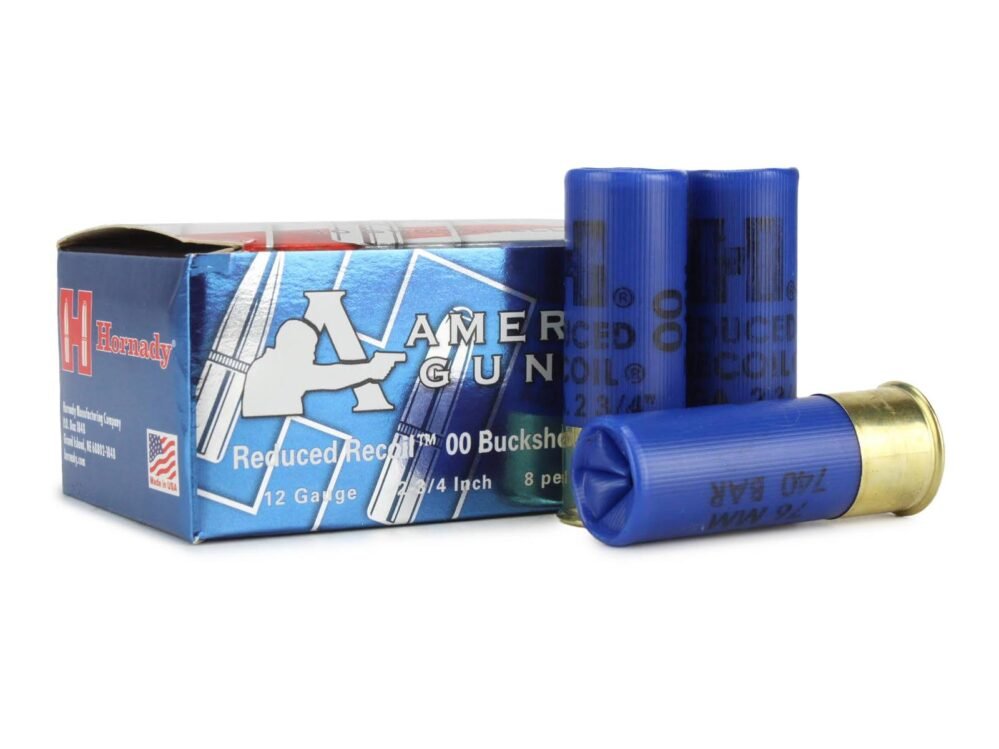
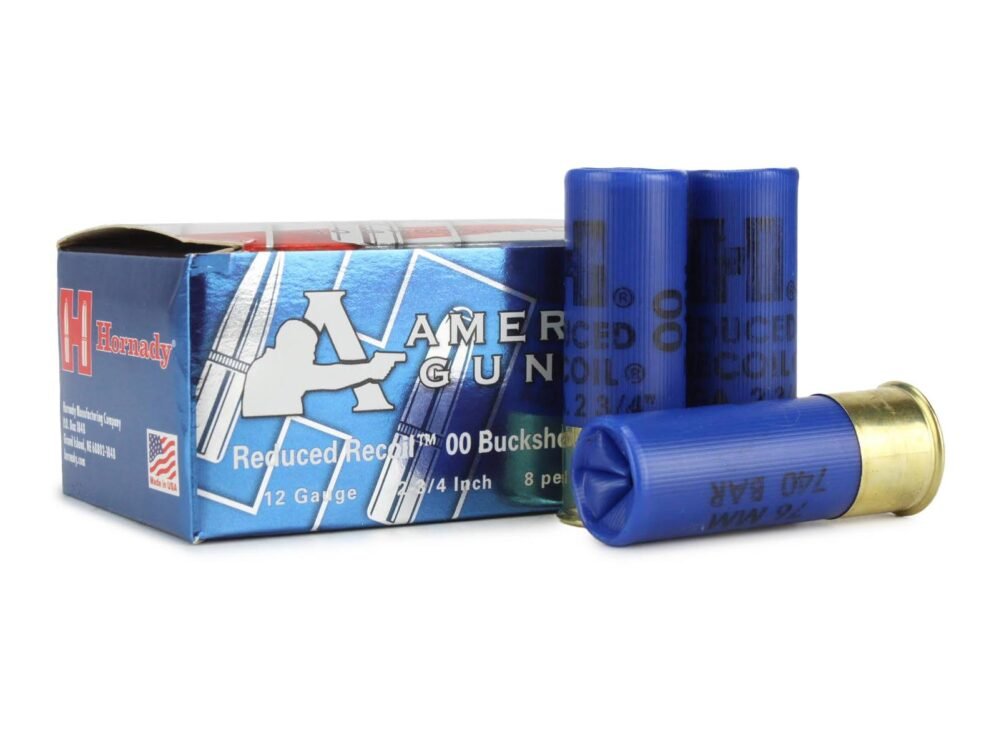
Hornady American Gunner Reduced Recoil 12 Gauge 2.75 00 Buckshot (Box)
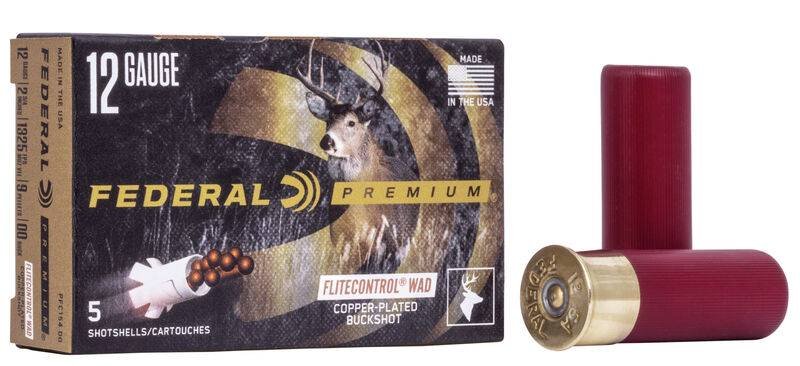
Federal Premium 12 Gauge 2.75 FLITECONTROL 9 Pellet 00 Buckshot (Box)