A two-inch barrel takes back most of what the cartridge was designed to deliver.
Choosing .38 Special ammo for a snub-nose revolver is a different exercise from choosing it for a four-inch gun. Published velocities come from longer barrels, and a snub gives up 100 to 200 feet per second of that before anything else happens.
What is left often cannot drive a hollow point open. So the loads below are the ones that either expand at snub velocity, or stop trying and get depth another way.
- A two-inch barrel strips enough velocity to leave many hollow points unopened.
- Lightweight frames punish +P hard, and hit rate matters more than energy.
- Wadcutters remain a serious answer, not a nostalgia pick.
Why .38 Special ammo behaves differently in a snub
Any comparison of 38 Special ammo has to start with the barrel, because a snub-nose changes the arithmetic. Manufacturers publish velocity from four-inch test barrels, and a J-frame runs 1.875 inches.
That gap costs roughly 100 to 200 feet per second. Since velocity drives hollow-point expansion, a load tested at four inches may simply not open at two.
The second problem is the frame. Aluminum and scandium snubs weigh under fifteen ounces, so +P recoil in one is punishing. A load you flinch through is a load you shoot badly. Before you commit to +P, check whether your revolver is rated for it.
The velocity a two-inch barrel gives up is the same problem autos have, only sharper. How much barrel length changes your carry ammo works through the arithmetic that decides which 38 Special ammo can still open.
Five loads, five different bets

The wadcutter case for snub .38 Special ammo
Wadcutters look like a target load, and that is why people dismiss them. But the flat-faced design cuts a full-caliber hole rather than pushing tissue aside, and it does that without needing any velocity at all.
So the trade is straightforward. You give up expansion entirely. In exchange you get reliable penetration, mild recoil, and a load that behaves the same from any barrel length.
That matters more in a snub than anywhere else. A hollow point that fails to open is just a slower, lighter wadcutter. So choosing 38 Special ammo in a heavy wadcutter starts from the outcome the hollow point often reaches anyway.
Standard-pressure loads also spare the frame. Lightweight revolvers wear faster on a diet of +P, and they are considerably less pleasant to practice with.
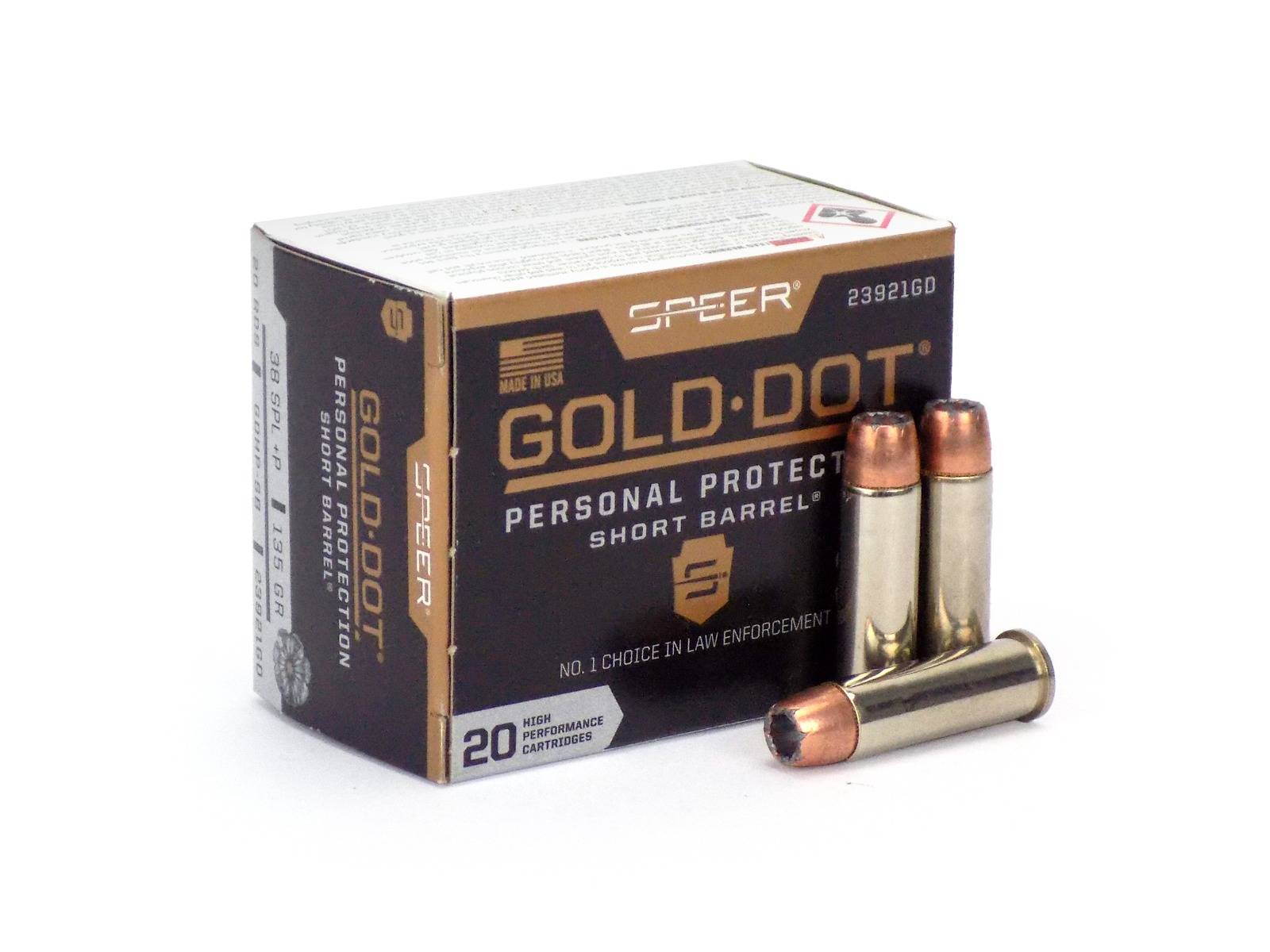


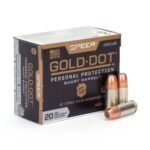
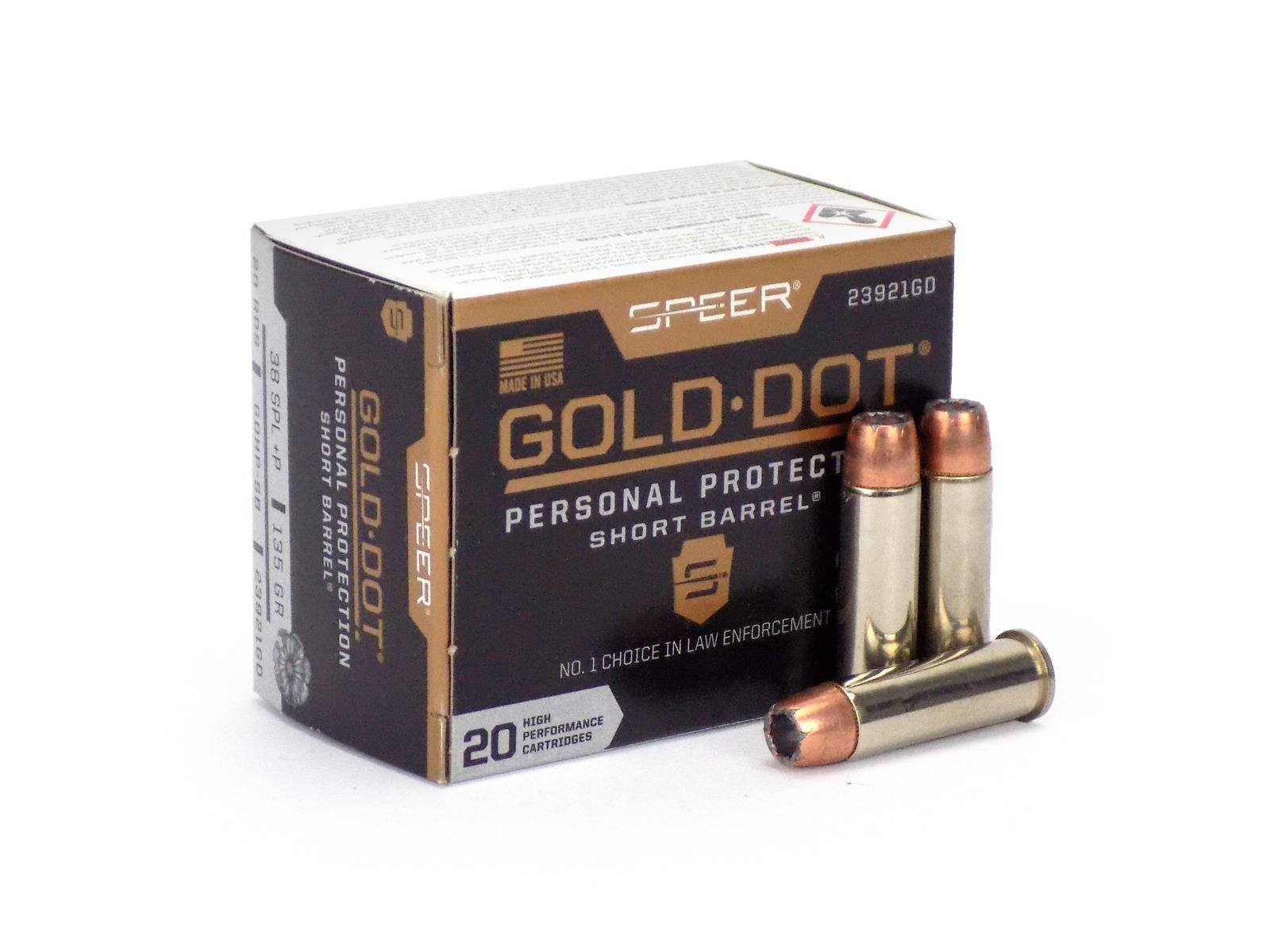
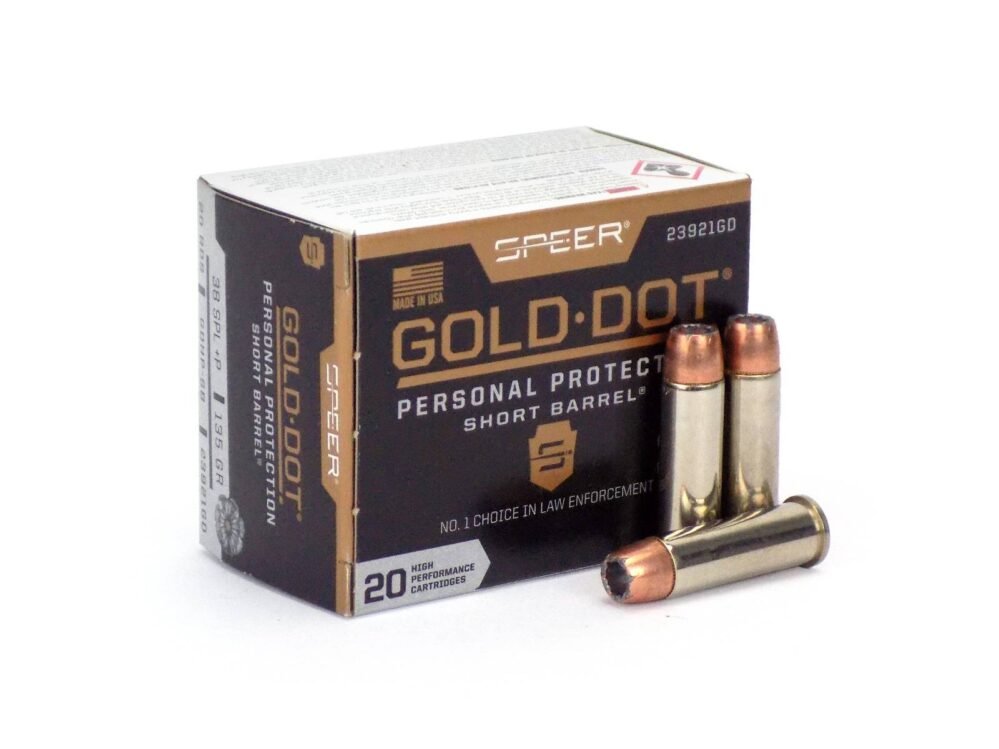
Speer Gold Dot Short-Barrel: built for this gun
01
The load designed around a two-inch barrel
Most defensive loads are designed for a four-inch barrel and then sold to snub owners anyway. Speer went the other way and tuned the 135 grain +P load around a two-inch barrel from the start, adjusting both the powder and the bullet.
The result is a hollow point that opens at velocities where others do not, without needing pressure the gun cannot handle. It is issued widely enough that supply stays steady, which matters when you want to buy the same thing twice.
Buffalo Bore wadcutter: the unglamorous answer
The answer when expansion was never going to happen
This is a 150 grain hard cast wadcutter at standard pressure, and it is far more capable than it looks. The flat nose cuts rather than pushes, so it makes a full-diameter wound channel without relying on expansion.
It also solves the recoil problem. Standard pressure in a fifteen-ounce revolver is shootable enough to practice with, which is where most snub owners actually lose ground.
Gold Dot SB | Critical Defense | Buffalo Bore | CD Lite | Fiocchi | |
|---|---|---|---|---|---|
|
|
|
|
|
| |
| Bullet weight | 135 gr | 110 gr | 150 gr | 90 gr | 148 gr |
| Pressure | +P | +P | Standard | Standard | Standard |
| Design | Bonded JHP | FTX polymer tip | Hard cast wadcutter | FTX polymer tip | JHP |
| Expands at snub velocity | 1 | 1 | – | 1 | – |
| Best for | A single default answer | Heavy clothing | Depth and mild recoil | Recoil-sensitive shooters | Cheap function testing |
| Check price | Check price | Check price | Check price | Check price |
- Expansion at two inches, not four
A load tested from a four-inch barrel tells you little about a J-frame. Short-barrel lines exist because the difference is large enough to change the outcome.
Look forLoads explicitly tuned for short barrels, or designs that do not depend on expansion.AvoidAssuming a four-inch velocity figure applies to your snub. - Recoil you can shoot through
A lightweight frame turns +P into genuine punishment. Your hit rate under stress matters far more than a hundred feet per second.
Look forA load you can fire fifty rounds of without your grip degrading.AvoidCarrying the hottest load your revolver is rated for on principle. - Frame rating before pressure
Not every .38 is rated for +P, and older or ultralight revolvers frequently are not. This is a safety question, not a preference.
Look forAn explicit +P rating in your revolver's manual.AvoidRunning +P in an unrated or vintage frame.
How to choose .38 Special ammo without overthinking it
Check whether your revolver is rated for +P first, because that answer removes half the shelf immediately. Then be honest about recoil, since a load you cannot practice with is a load you cannot shoot well.
If +P is fine and you shoot it comfortably, buy the Gold Dot Short-Barrel and stop. But if the recoil is beating you, or the frame is not rated, a heavy standard-pressure wadcutter is not a consolation prize.
Then fire fifty rounds of your chosen 38 Special ammo and check where it prints. Fixed-sight revolvers are regulated for one bullet weight, so a 90 grain load and a 158 grain load can hit several inches apart at defensive distance. Lucky Gunner's gelatin tests cover most of these loads from short barrels.
Frequently asked questions
Are wadcutters really viable for defense?
Yes, and the case is stronger than it sounds. A heavy flat-faced wadcutter cuts a full-diameter channel, reaches adequate depth, and recoils mildly enough to shoot well. It gives up expansion, which a snub-nose often fails to achieve anyway.
Is +P worth the recoil in a J-frame?
Only if your revolver is rated for it and you still shoot it accurately. In a fifteen-ounce frame the extra velocity often costs more in follow-up speed than it buys in terminal effect. Test both against a timer before deciding.
Does bullet weight change point of impact?
Noticeably, and this catches people out. Fixed-sight revolvers are regulated at the factory for one weight, usually 158 grain. A 90 grain load can print several inches from a 148 grain load at fifteen yards, so confirm yours on paper.
How often should I replace the rounds in my revolver?
Less often than in a semi-automatic, since revolver rounds are not repeatedly chambered and cannot suffer bullet setback. Replace them annually anyway, and sooner if they have been carried through heat, humidity or solvent exposure.
What the right .38 Special ammo will not fix
A snub-nose is a hard gun to shoot well, and no load changes that. The sight radius is short, the trigger is long, and the grip is small.
So the ammunition decision is the smallest lever you have here. Dry practice on the trigger will do more for your hit rate than any load in this list, and it costs nothing.
If the rest of the setup is still coming together, read the appendix carry holster guide next. The gun belt stiffness guide covers the part that fails more often than ammunition does. The wider hollow point question is covered in FMJ versus hollow point.
If the snub is a backup to an auto rather than the whole plan, the 9mm shortlist for short-barrel carry covers the other half of that setup.
Buy Gold Dot Short-Barrel 135 grain +P if your revolver is rated for it and you shoot it well, because it was designed around exactly this gun. Switch to the Buffalo Bore wadcutter if recoil or the frame rating rules +P out. Both are complete answers, and neither is a compromise.
Pick for the barrel you have
- A two-inch barrel invalidates most published expansion figures.
- Confirm the +P rating before you shop, not after.
- A heavy standard-pressure wadcutter is a serious choice, not a fallback.
Snub-nose revolvers reward honesty. The load that expands beautifully from a four-inch test barrel may do nothing from yours, and the +P that looks best on paper may be the one you flinch through. Pick something tuned for a short barrel or something that never needed velocity, confirm where it prints, and spend the rest of your effort on the trigger.
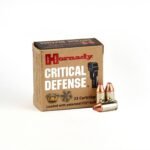
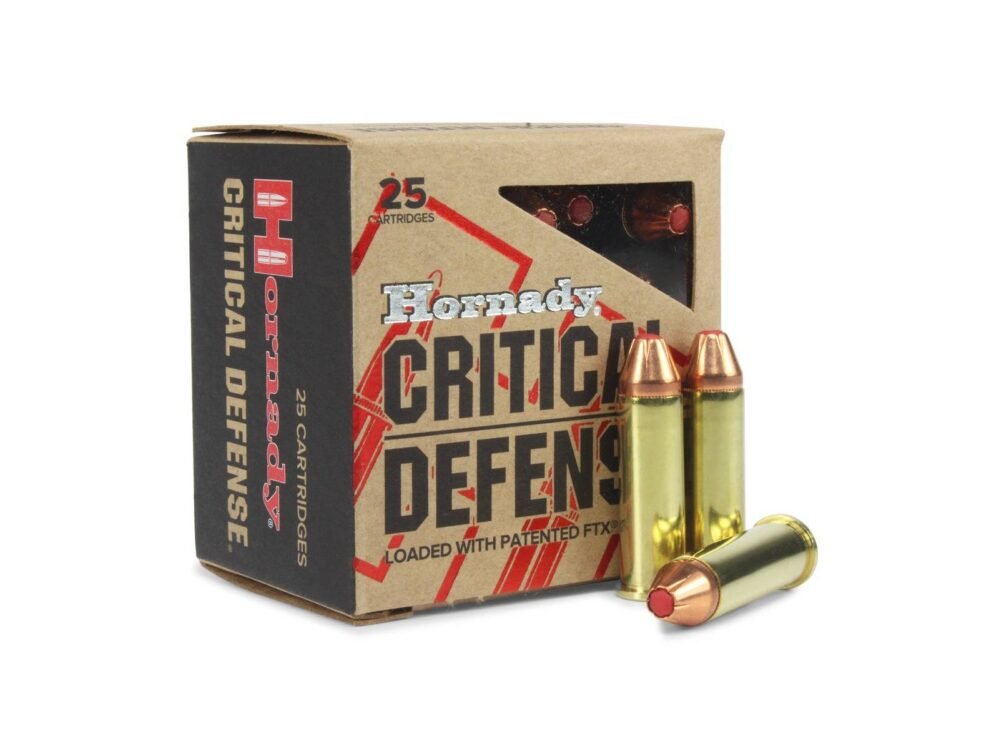
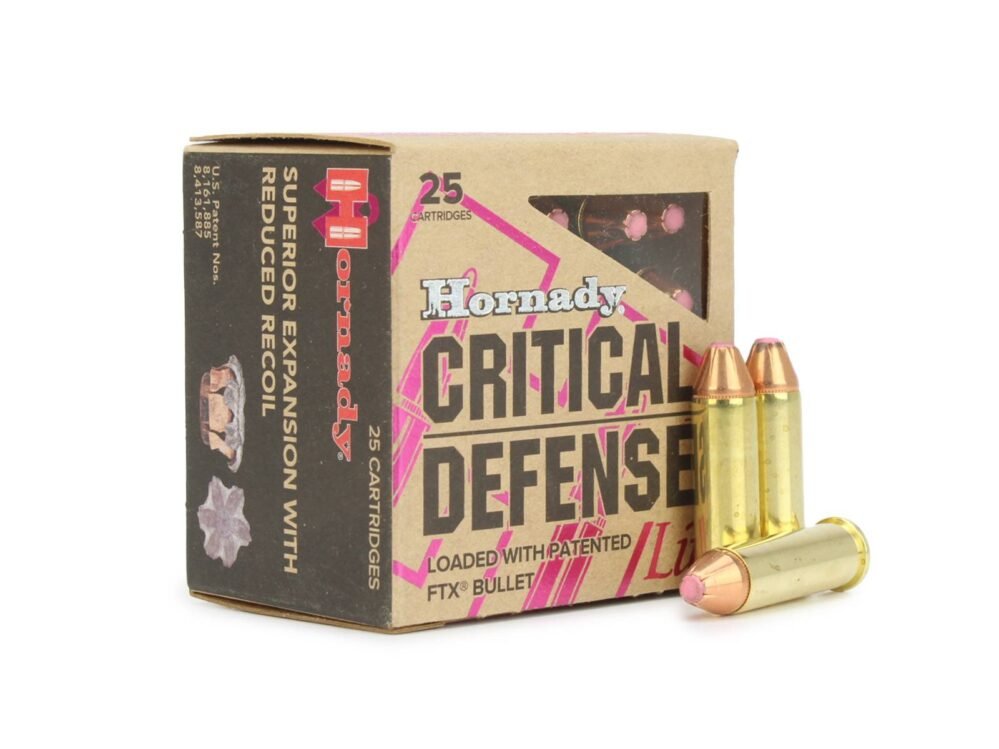
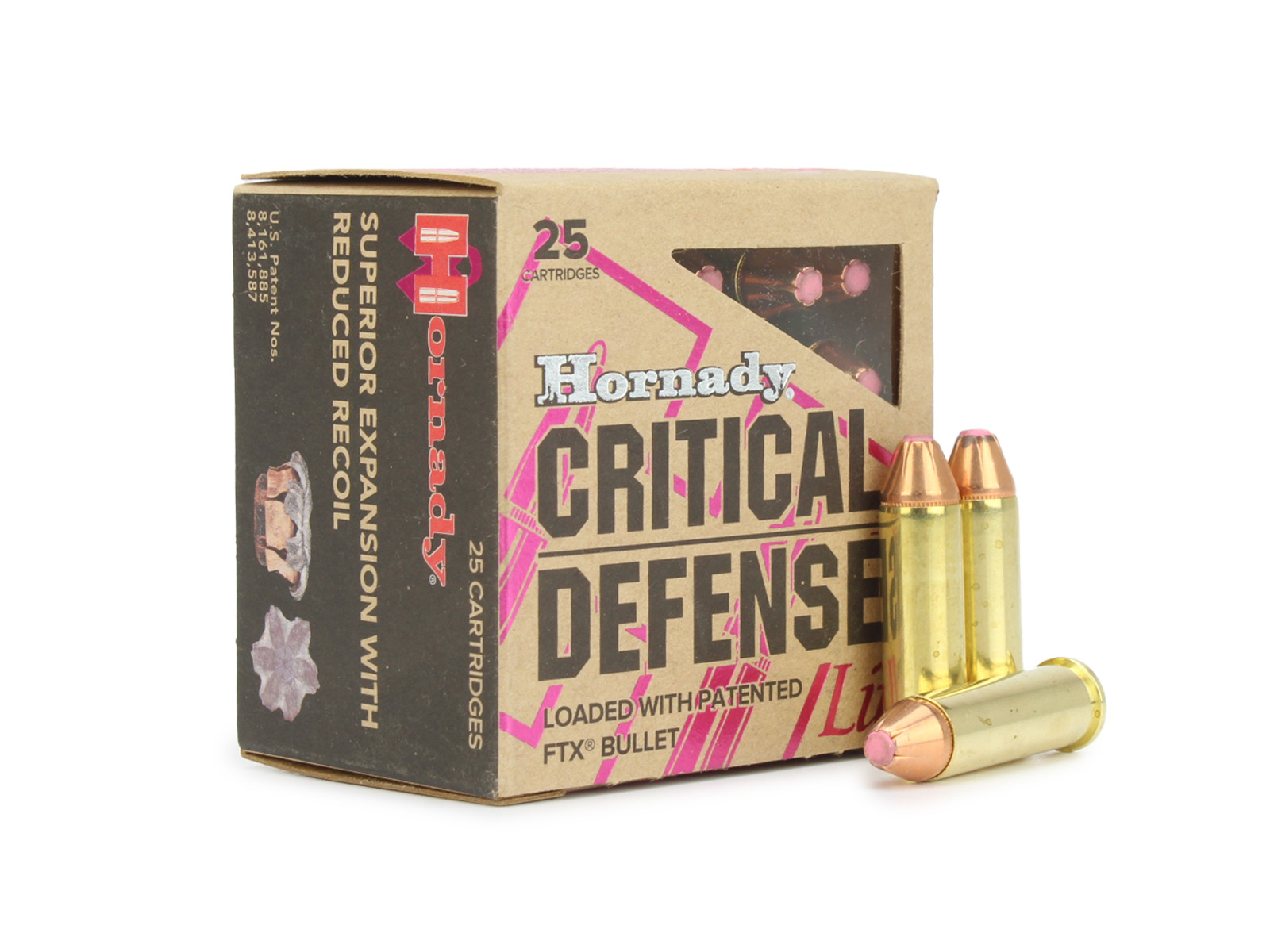
Hornady Critical Defense .38 Special 110 Grain +P FTX (Box)
Hornady Critical Defense Lite 38 Special 90 Gr FTX (Box)
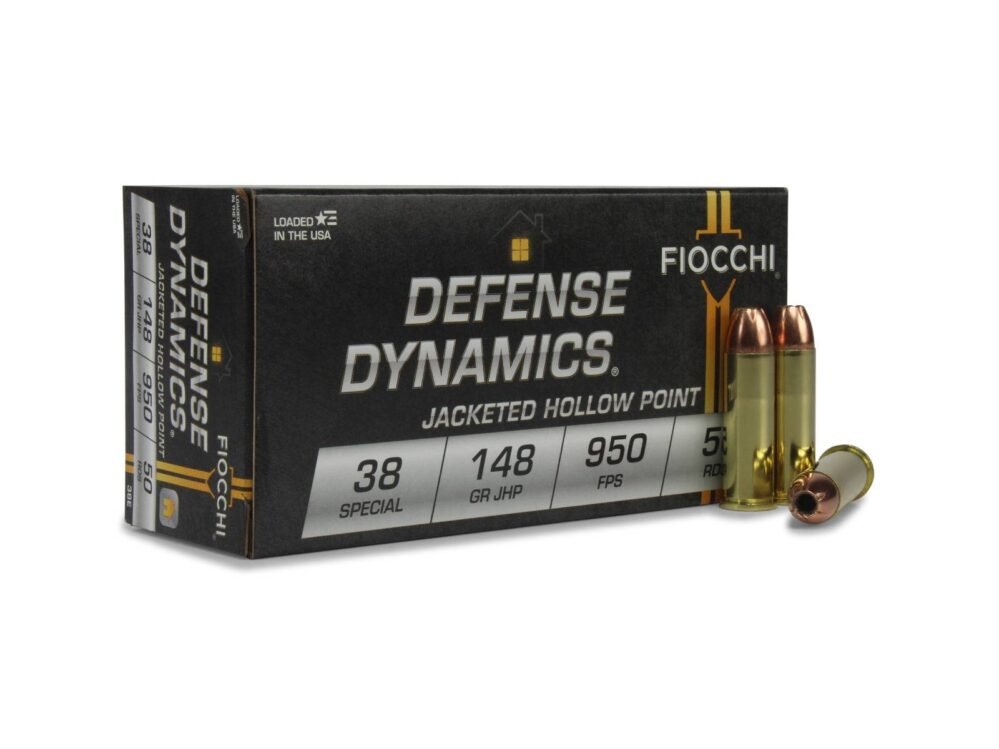
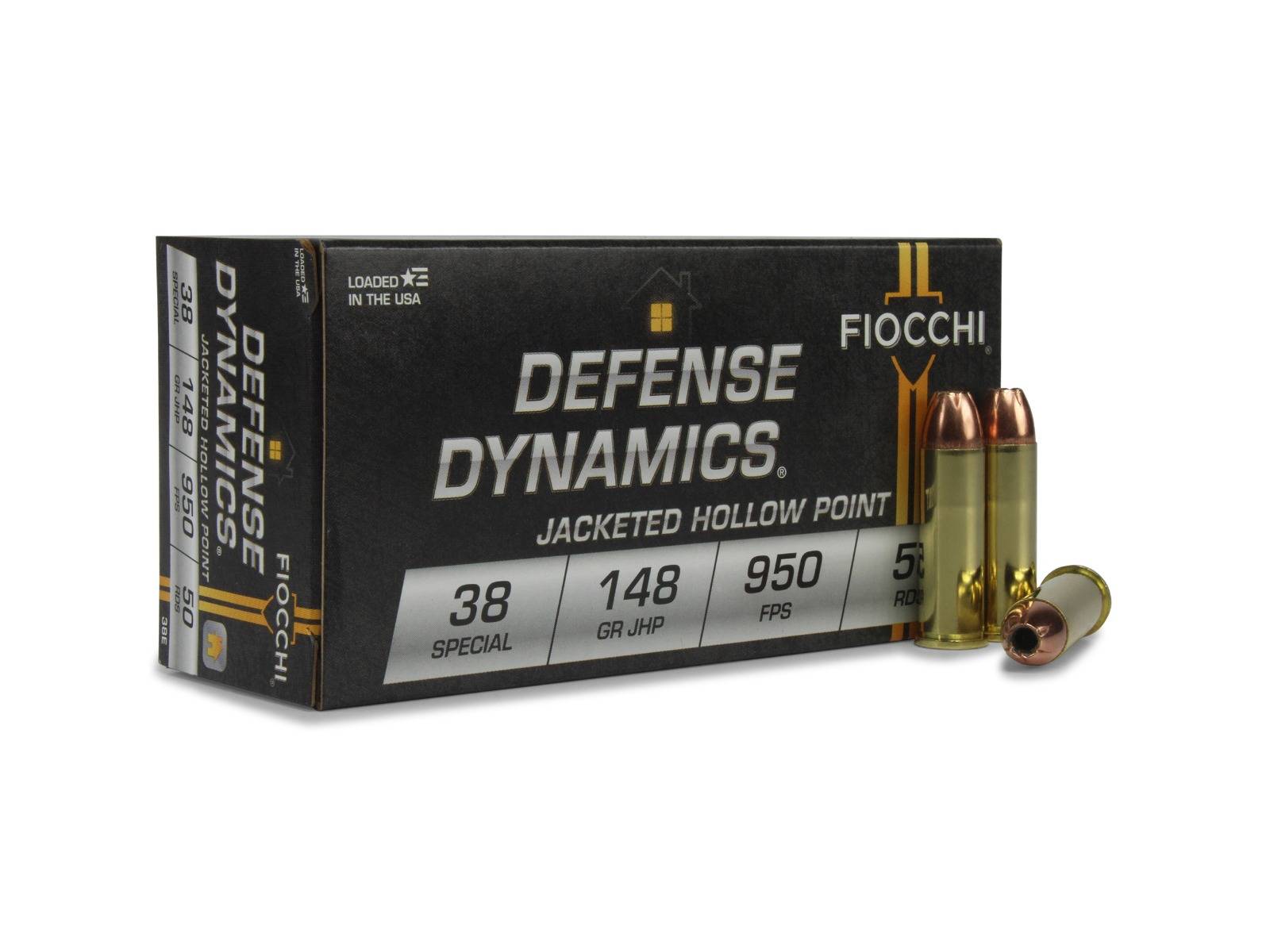
Fiocchi Defense Dynamics 38 Special 148 Gr JHP (Box)
Speer Gold Dot Short-Barrel .38 Special +P 135 Gr JHP (Box)