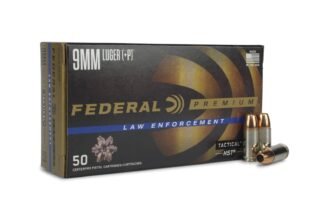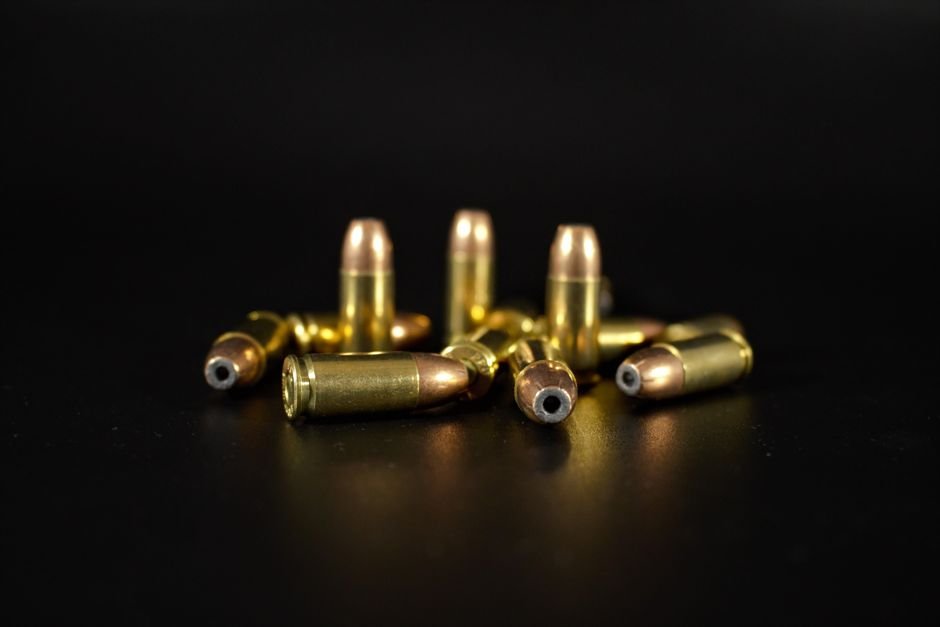
These three loads are not competing to be the best. They were designed for different jobs.
Ask which defensive 9mm to carry and you get these three names back. HST vs Gold Dot is the argument people actually have, and Critical Duty usually gets dragged in as a third option that is not quite the same category.
All three clear the FBI protocol. So the useful question is not which is best, but which was built for the barrel and the barriers you actually have.
- HST expands widest and is the default for a carry-length barrel.
- Gold Dot bonds jacket to core, so it holds weight through hard material.
- Critical Duty was designed around auto glass and full-size duty guns.
What HST vs Gold Dot actually comes down to
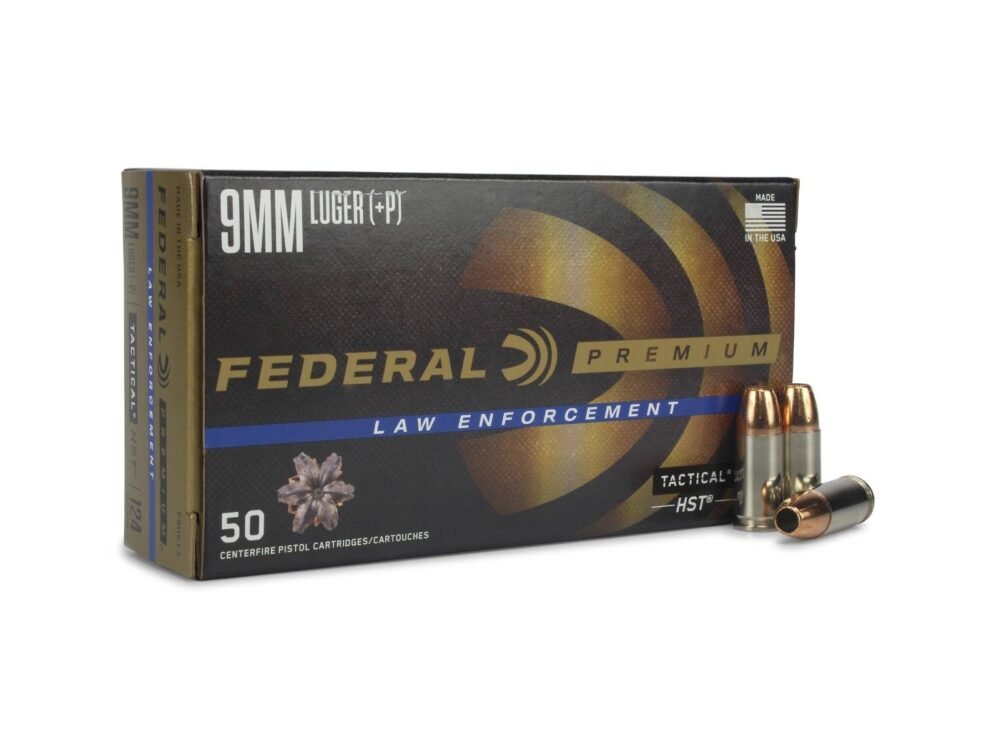
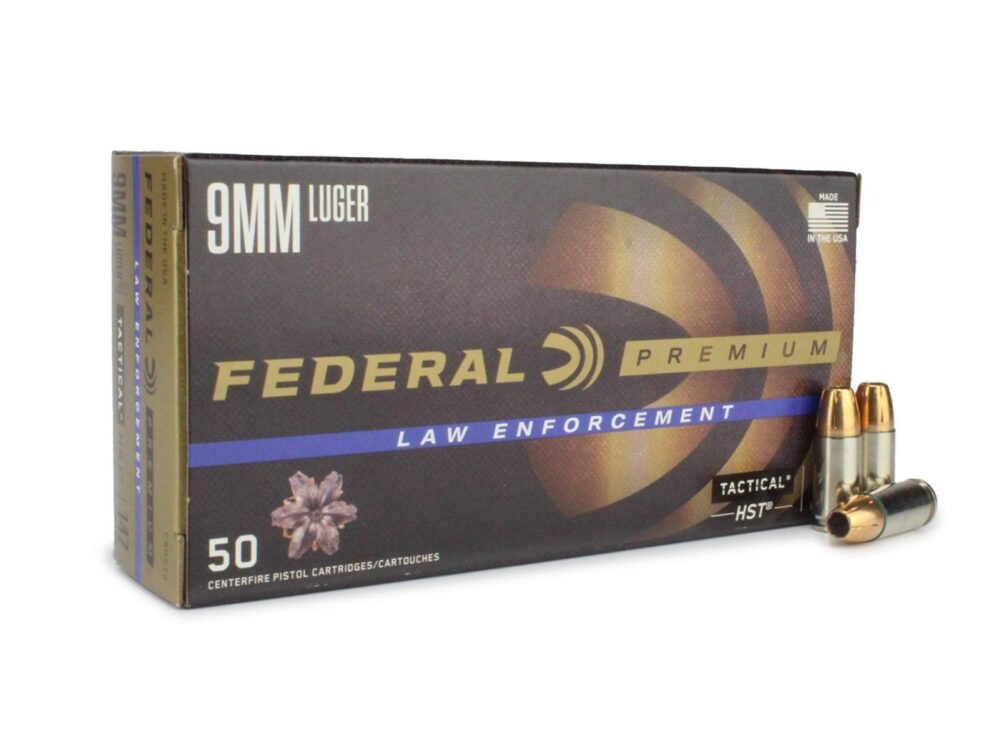
The HST vs Gold Dot question is really a question about bullet construction, so start there. Federal's HST is a conventional cup-and-core hollow point with a skived jacket, and it is tuned for wide, reliable expansion.
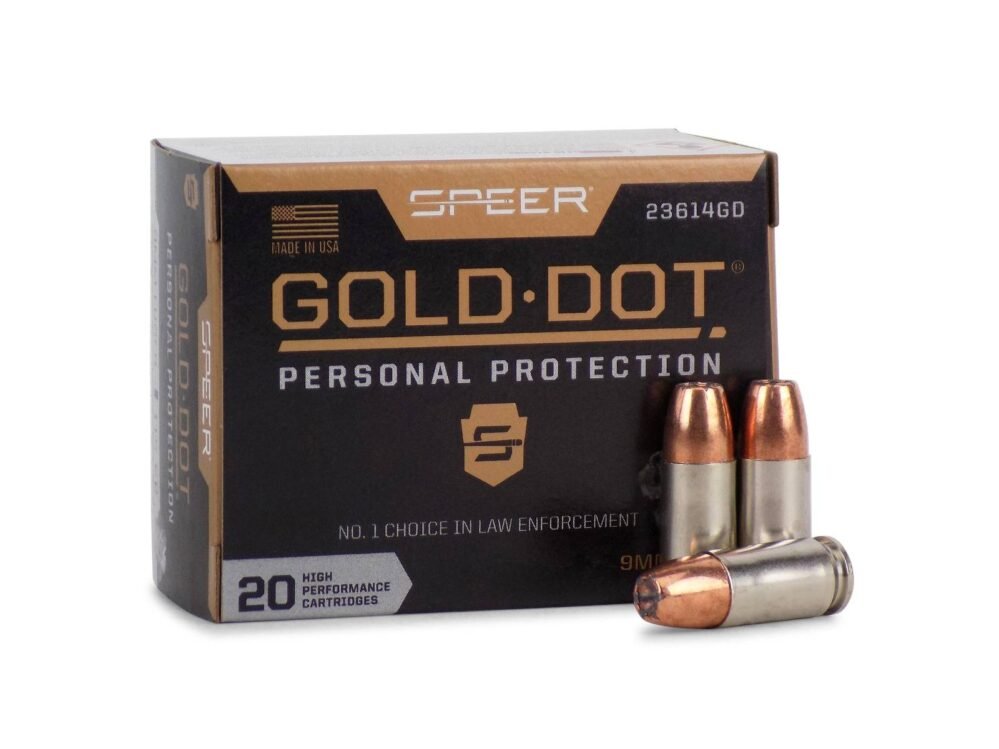
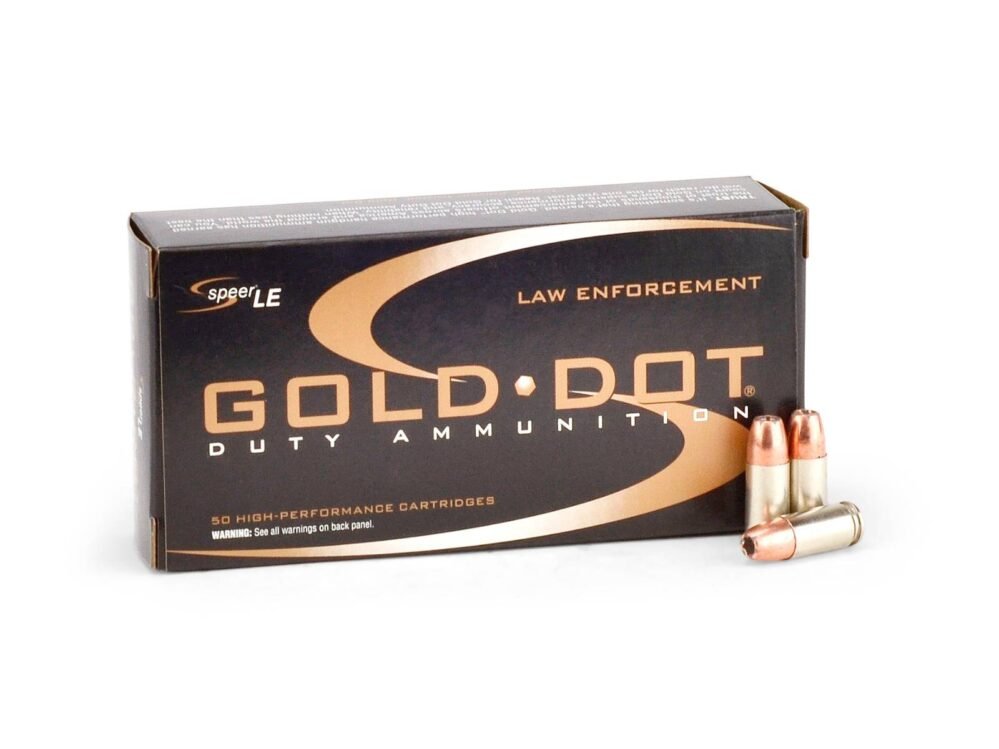
Speer's Gold Dot is bonded. The jacket is plated onto the core one layer at a time, so the two cannot separate. That costs a little expansion width. But it buys weight retention when the bullet hits something hard first.
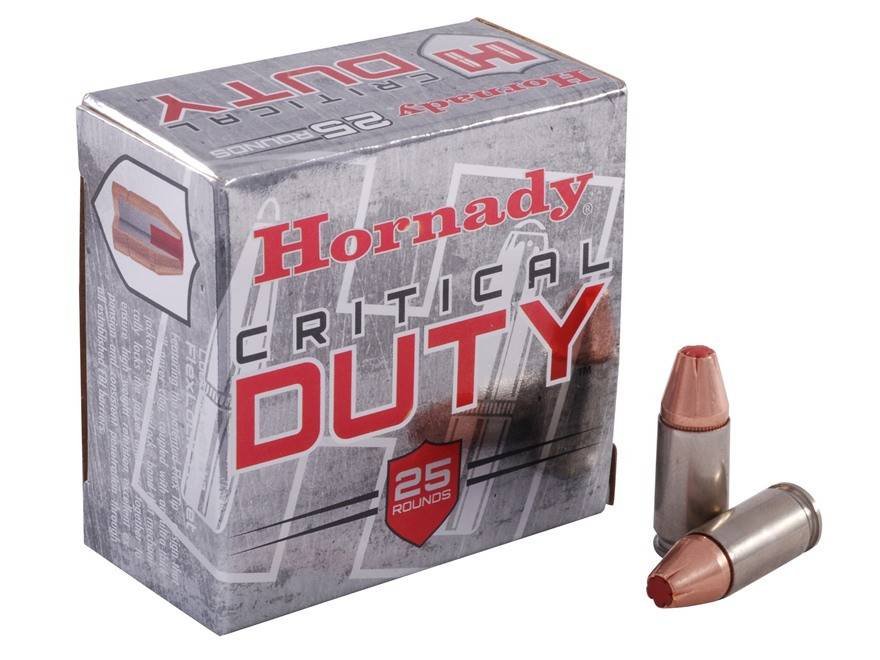
Hornady's Critical Duty is different again. It uses a polymer-filled FlexLock tip and was built to the FBI's barrier protocol, which includes auto glass. For what that standard actually measures, see the FBI penetration standard explained.
If you have not narrowed the field this far yet, the five best 9mm self-defense loads for short-barrel carry is the wider shortlist that the HST vs Gold Dot question sits inside.
Three benchmarks and two weights
Bonded vs cup-and-core, and why HST vs Gold Dot is not a tie
The HST vs Gold Dot split starts here. A cup-and-core bullet is a lead core inside a copper cup. It expands readily. But the jacket can peel away from the core when it hits bone or a barrier, and the pieces then stop short.
A bonded bullet fuses the two, so it stays intact even through material. The trade is that bonded bullets generally open a little narrower, because the same construction that resists separation also resists deformation.
So neither is strictly better. If your realistic problem is soft tissue at close range, then the wider-expanding HST has the edge. But if you expect heavy clothing, an intermediate barrier, or a windshield, then bonded or FlexLock construction earns its keep.
Critical Duty sits at the barrier end of that scale. It was also designed for full-size duty pistols rather than pocket guns.
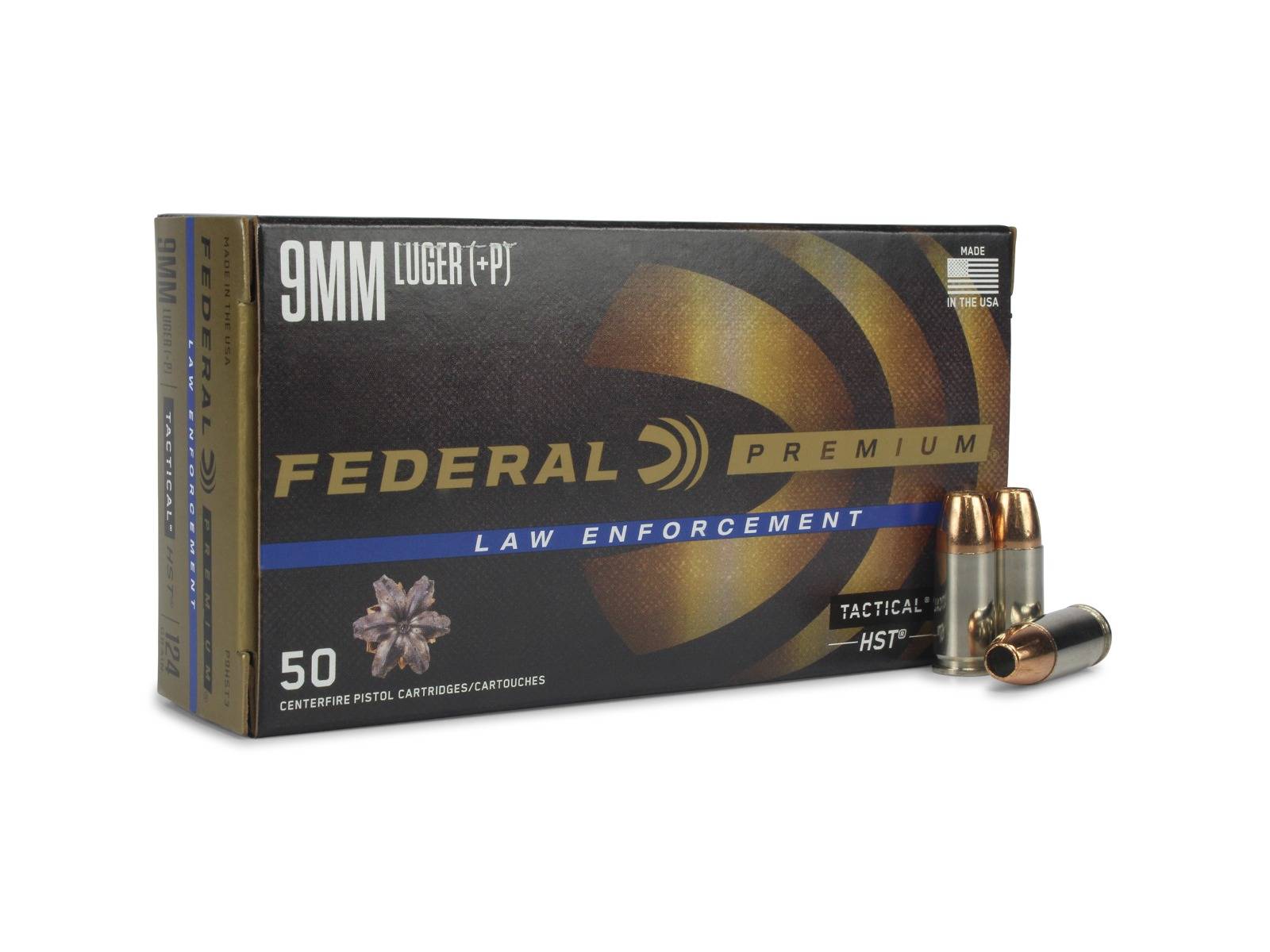


Federal HST 124 grain +P: the load to beat
01
The widest reliable expansion of the three
HST earned its reputation by opening across a wide velocity band and holding its jacket to the core while doing it. The 124 grain +P version is the one worth carrying in a compact pistol, because the extra pressure offsets what a short barrel takes away.
In the HST vs Gold Dot argument this is the side that wins on expansion width. It is also issued widely enough that it has been function-tested in more pistols than any boutique load ever will be.
Speer Gold Dot: the construction argument
Jacket bonded to core, one layer at a time
Speer plates the jacket onto the core one layer at a time, so the two cannot separate. That is the whole case for bonded construction, and it shows up as weight retention after the bullet hits something hard.
The cost is a slightly narrower wound channel in soft tissue. Whether that trade is worth it depends entirely on whether barriers are a realistic part of your situation.
HST 124 +P | HST 147 | Gold Dot 115 | Gold Dot 147 | Critical Duty 135 | |
|---|---|---|---|---|---|
|
|
|
|
|
| |
| Bullet weight | 124 gr | 147 gr | 115 gr | 147 gr | 135 gr |
| Pressure | +P | Standard | Standard | Standard | +P |
| Construction | Cup and core | Cup and core | Bonded | Bonded | FlexLock tip |
| Barrier focused | – | 1 | 1 | 1 | 1 |
| Best for | Short-barrel carry | Heavy clothing | Weight retention | Barriers and clothing | Duty guns and auto glass |
| Check price | Check price | Check price | Check price | Check price |
- Match construction to your realistic threat
Barrier performance and expansion width pull against each other. Pick the end of that scale your situation actually sits on.
Look forBonded or FlexLock designs if barriers are plausible; HST if soft tissue is the realistic case.AvoidChoosing on brand loyalty rather than on what the bullet was built to do. - Check the barrel it was tuned for
Critical Duty was designed around full-size duty guns. Critical Defense is Hornady’s short-barrel line, and the two are frequently confused.
Look forA load whose published figures come from a barrel close to yours.AvoidCarrying Critical Duty in a subcompact and assuming duty-barrel figures apply. - Availability you can repeat
All three are widely issued, so all three are usually in stock. That matters more than a marginal ballistic edge, because re-validating a new load costs a range trip.
Look forA load stocked in both box and case quantities.AvoidSwitching loads every time one goes on sale.
How to choose between HST vs Gold Dot and Critical Duty
Start with the gun, because the barrel decides more than the brand does. A 3-inch carry pistol favors HST 124 grain +P, since it still opens at reduced velocity.
Then consider the barriers you might realistically face. If the honest answer is none, HST is the straightforward pick. But if you carry through winter layers, or your use case involves a vehicle, then Gold Dot's bonded core or Critical Duty's FlexLock tip are the better bets.
Finally, buy two boxes and function-test one. Lucky Gunner's gelatin test archive covers all three across several barrel lengths. It is the most useful independent dataset available.
Frequently asked questions
Is Critical Duty the same as Critical Defense?
No, and the two get confused constantly. Critical Duty is the barrier-focused line built around full-size duty pistols and the FBI protocol including auto glass. Critical Defense is the short-barrel line for concealed carry, with a softer FTX tip tuned to open at lower velocity.
Does bonded construction actually matter for civilian carry?
Less than it does for law enforcement. Bonding earns its keep against auto glass and hard barriers, which are far more common in a duty context. For soft-tissue defensive use at typical distances, a well-designed cup-and-core load like HST performs at least as well.
Which of the three is easiest on recoil?
Standard-pressure 147 grain loads in any of the three recoil as a push rather than a snap, so they often track faster than a +P 124 grain. If recoil control is your limiting factor, weight matters more than which brand you pick.
Can I carry one and practice with another?
Yes, and match the grain weight if you do. Point of impact and recoil shift with bullet weight, so practicing with 115 grain FMJ and carrying 147 grain hollow points trains you on a slightly different gun.
What none of these three fix
HST vs Gold Dot is the last five percent of the problem, so treat it that way. A bullet cannot fix a pistol that does not fit your hand. Nor can it fix a holster that shifts through the day.
None of these loads will make up for skipping the function test either. Fire at least 100 rounds of whichever you pick through the gun and magazines you carry. Then count every stoppage.
So if the rest of the setup is still coming together, read the appendix carry holster guide next. The gun belt stiffness guide covers the other part that fails more often than ammunition does.
Velocity decides whether any of these three open at all, so the barrel matters before the brand does. How much barrel length changes your carry ammo covers what a three-inch gun takes off the published figures.
Start with HST 124 grain +P unless barriers are a real part of your situation, in which case take the bonded Gold Dot or the FlexLock Critical Duty. All three clear the FBI protocol, so the deciding factor is your barrel and the material you expect the bullet to meet first.
Construction, then barrel, then brand
- HST expands widest and is the default for a carry-length barrel.
- Gold Dot holds weight through hard material because the jacket cannot separate.
- Critical Duty was built for full-size duty guns and auto glass, not pocket pistols.
HST vs Gold Dot is a question about bullet construction rather than brand quality, and Critical Duty answers a third question that neither of them was asked. Decide whether your realistic problem is soft tissue or a barrier, pick the construction that matches, then confirm it feeds in your pistol. All three of these are good enough that the function test matters more than the choice.
Federal Premium HST 9mm 124 Gr +P JHP (Box)
Federal Premium HST 9mm 147 Gr JHP (Box)
Speer Gold Dot 9mm 115 Gr GDHP (Box)
Speer Gold Dot 9mm 147 Gr HP (Box)