
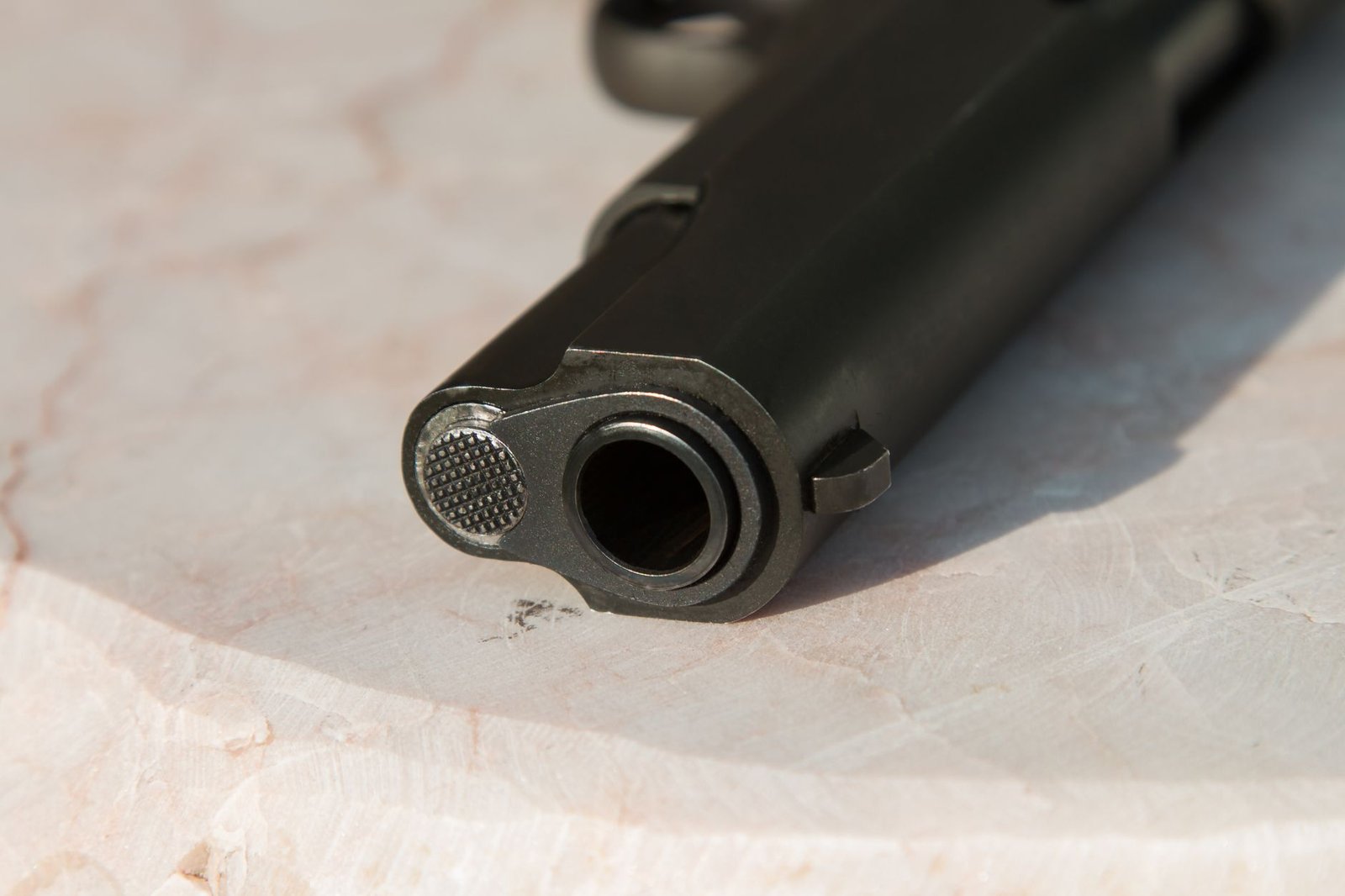
A +P cartridge can be suitable for a carry gun without being the right ammunition for every range session.
A compact pistol may sit loaded for months, then fire only a few defensive rounds in an emergency. That is a very different duty cycle from sending hundreds of higher-pressure cartridges through it during practice. Safe loaded carry depends chiefly on the pistol’s chambering, mechanical condition, ammunition dimensions, and the maker’s stated compatibility. Safe repeated firing adds heat, slide velocity, recoil-spring fatigue, locking-surface wear, and long-term frame stress.
The uncertainty matters most with older pistols, discontinued designs, and handguns whose manuals merely say “9 mm” without addressing +P. A modern gun may be engineered around a robust service life, yet its manufacturer can still limit +P use—or decline to rate it at all. Conversely, a pistol that tolerates occasional +P may not be intended for a steady diet. The manual, not caliber marking alone, is the controlling source.
- SAAMI +P indicates a standardized higher-pressure load; it does not certify every pistol marked for the base caliber.
- Ammunition condition matters in daily carry: repeated chambering can alter a cartridge even when the pistol is +P-rated.
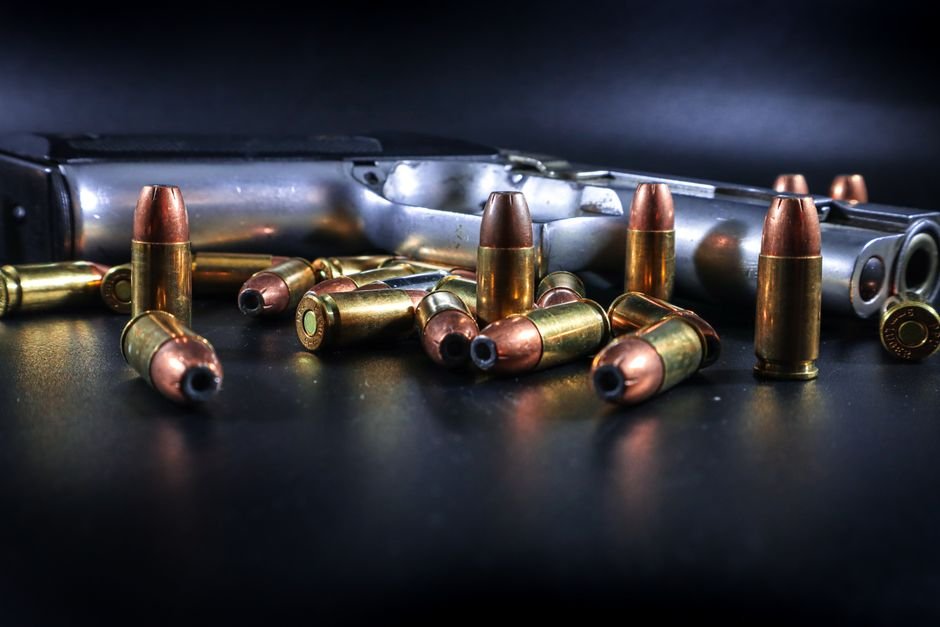
What “+P” actually signifies
Standard pressure
A cartridge loaded within the recognized pressure limit for its cartridge specification. The caliber on the box identifies chambering, not a particular pressure tier.
+P
For cartridges with an established +P specification, this denotes a higher-pressure loading defined by a standards body such as SAAMI. It is not merely a maker’s marketing term, although the exact permitted increase depends on the cartridge.
+P+
This has no universal SAAMI pressure specification. One manufacturer’s +P+ can differ substantially from another’s, so it cannot be assumed to be a small step above standardized +P.
Headstamp
The stamp on the case head commonly identifies the cartridge and maker; it often does not state +P or +P+. The original box label is the more reliable source for the loading designation.
A pistol marked suitable for +P is being discussed against a defined loading category only where that category exists. That marking does not automatically establish compatibility with every cartridge sold as +P+.
“+P+” may describe ammunition developed for particular duty contracts, performance goals, or internal manufacturer limits. Its chamber pressure, recoil impulse, and slide velocity can therefore fall outside what a +P rating meaningfully addresses.
What the extra pressure changes
A +P load is intended to produce a higher pressure curve than its standard-pressure counterpart. In a given barrel, that often raises muzzle velocity, but the gain is not fixed. Bullet weight, powder selection, chamber dimensions, barrel length, and lot variation all matter; a short carry barrel may not duplicate catalog velocity from a longer test barrel.
More momentum and gas energy also affect the firearm. Depending on the pistol’s operating system and the particular cartridge, +P can produce:
- Sharper perceived recoil and more muzzle rise, which may slow accurate follow-up shots for some shooters.
- Higher slide or bolt velocity, increasing the work done by springs, locking surfaces, frame rails, and the slide’s impact at the end of travel.
- More muzzle blast and flash, especially with loads whose powder is not fully burned in short barrels.
- Greater wear over large round counts, even in pistols rated for occasional or routine +P use.
Terminal performance is equally load-specific. Added velocity can help some expanding bullets reach their intended expansion window, particularly through certain barriers. It can also make an already fast projectile expand too rapidly or penetrate differently. The useful comparison is not “+P versus standard” in the abstract, but tested performance of a specific bullet from the barrel length actually being carried.
A standard-pressure duty load that feeds reliably and performs consistently can be a stronger choice than a +P load whose recoil, flash, or penetration behavior is less suitable for that pistol and shooter.
Start with the exact pistol
A pistol marked 9 mm Luger is not automatically approved for every 9 mm +P load. The controlling source is the manufacturer’s documentation for the exact model: current manual, official support notice, or direct factory response tied to the pistol’s model number and configuration.
Small differences can matter. A compact and full-size version may share a caliber but use different slide mass, recoil systems, barrel geometry, or product-generation guidance. Factory revisions can also change the answer. Documentation that says “+P acceptable” is materially different from language limiting ammunition to standard-pressure loads or warning against +P+.
For a carry gun such as a Glock 19, a discussion of Glock 19 defensive ammunition choices can help compare load characteristics, but it does not replace the manual for that particular generation and variant. If documentation is unclear, treating the question as unresolved is more defensible than extending approval from a similar pistol.
Approved is not the same as wear-free
Factory approval generally means the pistol can fire the specified ammunition within its intended operating envelope. It does not mean that an unlimited diet of +P produces the same service life, recoil behavior, or maintenance interval as standard-pressure ammunition.
Repeated higher-pressure firing can increase slide velocity and the loads transmitted through the locking surfaces, frame rails, barrel lugs, recoil assembly, magazines, and small springs. The outcome is rarely a single dramatic failure; more often it is cumulative wear, earlier spring fatigue, or a change in function that becomes noticeable only after substantial round counts.
A practical distinction is therefore useful: occasional confirmation with a selected carry load is different from making +P the default volume-practice load. Reliability observations remain meaningful only when the pistol is clean, correctly assembled, and inspected according to the manufacturer’s stated service guidance. +P+ deserves separate caution: approval for standardized +P does not imply approval for ammunition carrying the +P+ label.
A carry round is not maintenance-free
A factory-loaded +P cartridge that remains dry, clean, and dimensionally unchanged is ordinarily the best baseline for carry. Pressure rating does not make a round inherently fragile; the concern is what handling does to that individual cartridge over time.
Repeated chambering can move the bullet
Each trip up the feed ramp can drive the bullet slightly deeper into its case. This is bullet setback. Less usable case volume can raise pressure sharply when fired, a particular concern with an already higher-pressure +P load. A cartridge repeatedly unloaded and rechambered deserves closer scrutiny than rounds left undisturbed in the magazine.
Compare the suspect round with an unfired cartridge from the same box on a flat surface. It should not appear shorter, show a pushed-in bullet, or have a loose bullet that can be turned or pressed by hand. Any of those signs takes it out of carry rotation.
Damage is not merely cosmetic
Remove a round from carry use if it has:
- a dented, split, deeply scratched, or bulged case;
- a damaged rim or primer, including a primer that appears backed out or unusually recessed;
- green or white corrosion around the case, primer, or bullet;
- oil, solvent, perspiration residue, lint, or moisture that has entered the cartridge;
- a bullet with a distorted nose, damaged jacket, or altered seating depth.
Surface tarnish alone is often less significant than corrosion, but it still warrants inspection. Ammunition exposed to repeated sweat, rain, cleaning chemicals, or pocket debris can be compromised without obvious failure at first glance.
The useful dividing line is simple: intact, clean factory ammunition with normal dimensions remains suitable for carry; any round with changed geometry, corrosion, contamination, or uncertain history does not.
Reseating a bullet, wiping off persistent corrosion, or attempting to dry a wetted round does not restore factory condition. Segregating it from carry ammunition avoids confusing it with known-good cartridges.
Pressure is only one part of carry suitability
A load can be within a pistol maker’s stated pressure allowance and still be a poor defensive choice. Carry suitability depends on the entire firing cycle: the round must feed cleanly, fire, extract, eject, chamber the next cartridge, and return fully to battery. A heavier, faster slide can expose marginal magazine springs, extractor tension, or ammunition geometry that standard-pressure loads never reveal.
What practical validation reveals
Before relying on a load, validate the intended carry load with the actual pistol, magazines, and any installed sighting or recoil-system components. Observe more than obvious stoppages:
- Return to battery: The slide must close completely without being nudged forward.
- Recoil control: Greater energy is irrelevant if split times widen, grip recovery degrades, or accurate follow-up shots become inconsistent.
- Point of impact: Some +P loads print noticeably higher or lower than practice ammunition because velocity and recoil alter barrel time and sight movement.
- Short-barrel performance: Velocity published from a service-length test barrel may not transfer to a compact pistol. A bullet designed to expand at higher velocity can under-expand after losing speed; another may expand too aggressively and sacrifice penetration consistency.
Testing should include deliberate, well-supported shooting as well as realistic strings that reveal grip-sensitive cycling issues. The useful result is not simply that the pistol fired a box of ammunition, but that it remained reliable, controllable, and predictably regulated with the specific load and barrel length involved.
Approval, performance, and “+P+” are not interchangeable
Only the maker’s documentation for that exact model establishes whether +P is approved.
A current production date, metal frame, or shared caliber marking does not prove approval. Carrying an occasional approved +P round and firing large quantities are also different durability questions.
Extra pressure can raise velocity, but it can also change recoil, impact, expansion, and cycling.
A bullet designed around a longer service-pistol barrel may perform differently from a short barrel. Reliability and controllability can outweigh a modest velocity gain.
+P+ has no universal industry pressure ceiling.
Its meaning depends on the manufacturer and cartridge line, so a pistol marked safe for +P is not thereby approved for +P+.
Many .380 ACP pistols are compact, light, and short-barreled—the conditions under which recoil and velocity differences become especially consequential. SAAMI does not define a .380 ACP +P category; labels marketed as “+P” are therefore not a standardized pressure designation.
Manufacturer approval remains central, and the relevant question is performance from that pistol’s barrel, not a velocity claim from a longer test fixture. A comparison of .380 pocket-pistol ammunition options can help frame why compact platforms need barrel-specific evaluation.
Use a carry-load decision process
-
Match the exact pistol to the exact pressure category
Confirm the manufacturer’s guidance for the specific model, chambering, and production variant—not merely the cartridge name. Treat +P+ and any nonstandard “+P” labeling as separate questions; an approval for SAAMI-spec +P does not automatically cover either.
-
Inspect the actual cartridges in rotation
Before loading, look for bullet setback, a split case mouth, corrosion, damaged rims, oil, or grit. Compare any suspect round with an unfired example of the same load; a visibly shorter bullet or uncertain history is reason to remove it from carry rotation.
-
Establish dependable function with the chosen load
A defensive load must feed, fire, extract, eject, lock the slide open, and work with the magazines intended for carry. Testing also reveals whether the higher slide velocity creates magazine-related stoppages or changes ejection behavior.
-
Confirm that recoil and impact remain manageable
The faster load is only useful if shots can be delivered promptly and accurately under realistic handling conditions. Check practical recoil recovery and point of impact from the pistol’s actual barrel length, rather than assuming published velocity or expansion figures transfer unchanged.
-
Maintain the pistol around its real use pattern
Follow the maker’s inspection and replacement intervals, while watching springs, locking surfaces, and magazines for accelerated wear where +P is used regularly. Keep the larger question in view: choosing ammunition for self-defense involves reliability, penetration and expansion performance, controllability, and fit with the pistol—not pressure marking alone.
Transport, possession, and carry rules can differ sharply by jurisdiction and circumstance; current guidance from the relevant authoritative local source is necessary.
Frequently Asked Questions
What does "+P" mean on ammunition?
For cartridges with an established +P specification, it denotes a higher-pressure loading defined by a standards body such as SAAMI — not just a marketing term, though the exact allowed increase varies by cartridge.
Can any pistol chambered in a caliber safely fire +P ammunition?
No. A caliber marking like “9mm Luger” does not automatically mean +P is approved. The controlling source is the manufacturer’s documentation for the exact model, generation, and configuration of that pistol.
Is +P+ the same as +P?
No. +P+ has no universal SAAMI pressure specification, so one manufacturer’s +P+ can differ substantially from another’s. Approval for standardized +P does not imply approval for +P+.
What is bullet setback and why does it matter for carry ammunition?
Bullet setback happens when repeated chambering drives the bullet slightly deeper into the case. The reduced case volume can raise pressure sharply when fired, which is a particular concern with already higher-pressure +P loads.
How often should I inspect my carry ammunition?
Check carried rounds regularly for setback, case damage, corrosion, or contamination, and compare any suspect round against an unfired cartridge from the same box. Remove and replace any round with changed geometry or an uncertain history.
+P can be a viable carry option—after the whole system checks out
- A pistol marked for +P is not necessarily suited to unlimited high-volume +P practice.
- A round that has been repeatedly chambered deserves more scrutiny than an untouched cartridge.
- The most energetic load is not automatically the most effective load in a particular pistol.
A +P cartridge can be carried safely when the exact pistol is approved for that standardized load category, the ammunition is in sound condition, and the pistol functions reliably and remains controllable with it. Those findings need periodic rechecking as ammunition, magazines, springs, and carry rounds age.
+P is therefore one defensible-ammunition option, not a universal upgrade. A standard-pressure load that functions flawlessly, shoots predictably, and meets the intended performance criteria can be the stronger choice for a given pistol and shooter.



14 Comments
The .380 point needs to be printed on a billboard. Seeing “.380 +P” on a box doesn’t magically create a standardized pressure category just because 9mm +P has one. Marketing departments do love a spicy label though 🙃
I appreciated the note about setback. People talk about pressure all day, then repeatedly unload/reload the same carry cartridge for months. A round that has been pushed noticeably deeper is a no-go, right?
What about a pistol marked simply “9mm” when the manual is unavailable? The internet answer is always either “all modern 9mms can handle it” or “you’ll destroy it instantly,” which is not terribly useful.
I’m assuming the sensible answer is to identify the exact model and contact the manufacturer, but does the age of the pistol change how cautious one should be?
Yes—identifying the exact model is the right starting point, and contacting the maker or checking an archived manual is better than relying on the chamber marking alone. Age can matter, especially if the firearm’s maintenance history, prior use, parts condition, or even original specifications are unknown. “Modern 9mm” is not a meaningful approval category; the model-specific documentation is what answers the question.
Also worth remembering that “it survived a magazine” isn’t evidence of compatibility. A lot of bad advice online comes from people treating one range trip as a durability test.
How much does barrel length really change the decision? I carry a short-barreled 9mm and some loads seem to have impressive numbers only from a full-size test barrel. If the bullet doesn’t perform consistently at the velocity from *my* pistol, extra pressure/recoil seems like a bad trade.
That is exactly the right way to frame it. Published velocity can come from a barrel much longer than a carry pistol’s, and bullet performance is tied to the velocity actually produced at impact. A suitable carry load should be evaluated as a package in the specific pistol: reliable function, manageable recoil, practical point of impact, and performance evidence relevant to that barrel-length range.
Yep. I found that the snappier load didn’t buy me much in my little pistol, but it definitely made faster follow-up shots worse. More blast isn’t automatically more useful.
The distinction between “approved for +P” and “fine to shoot thousands of +P rounds” is the part people tend to skip. My compact pistol manual says +P is acceptable, but doesn’t really say what that means for spring replacement intervals. Is there any useful rule of thumb besides inspecting it more often and following the maker’s schedule?
That’s a fair question, and manuals often leave it vague. There isn’t one round-count rule that applies across designs, since slide mass, recoil system, load choice, and the pistol’s condition all matter. The practical approach is to follow the manufacturer’s maintenance guidance, watch for changes in function or unusual wear, and treat a steady diet of +P as potentially increasing service needs rather than assuming the approval makes wear irrelevant.
Good article, although I wish manufacturers were more consistent about wording. “Suitable for occasional use” versus “rated for +P” versus silence in the manual leaves a lot of room for wishful interpretation.
People really do read a caliber stamp as if it were a pressure rating, apparently.
For function testing, would you test only the exact carry load or also a similar standard-pressure load? I can see why the actual carry ammunition is what matters, but availability makes it hard to buy a huge quantity of one particular load just for testing.
The maintenance angle is underrated. Carry ammo gets lint, sweat, pocket debris, and more handling than range ammo ever does. I’ve started checking cartridges whenever I clean the pistol instead of assuming brass cases are immortal little golden superheroes.
Maybe a basic question: is +P+ always unsafe, or just unknown? The article’s point that it has no universal ceiling makes me reluctant to treat it like regular +P, even if somebody on a forum says their gun “eats it all day.”