The short version
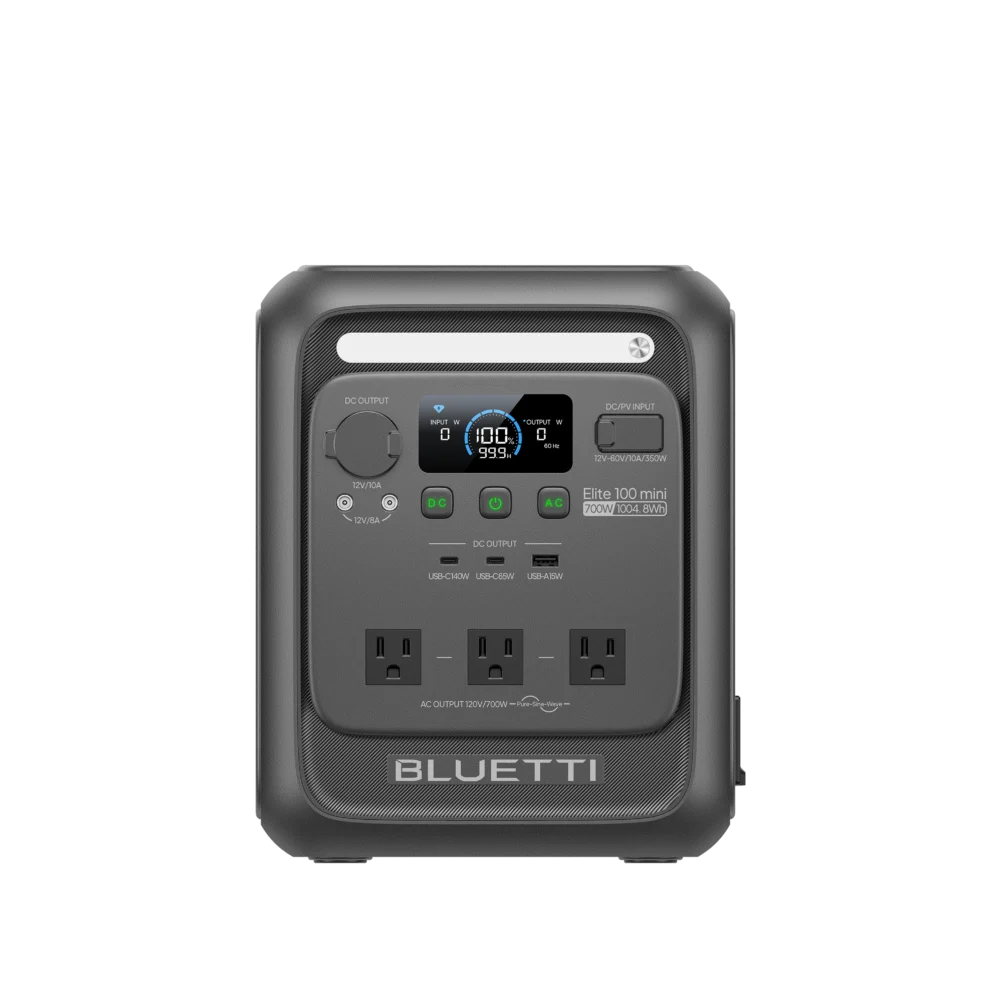
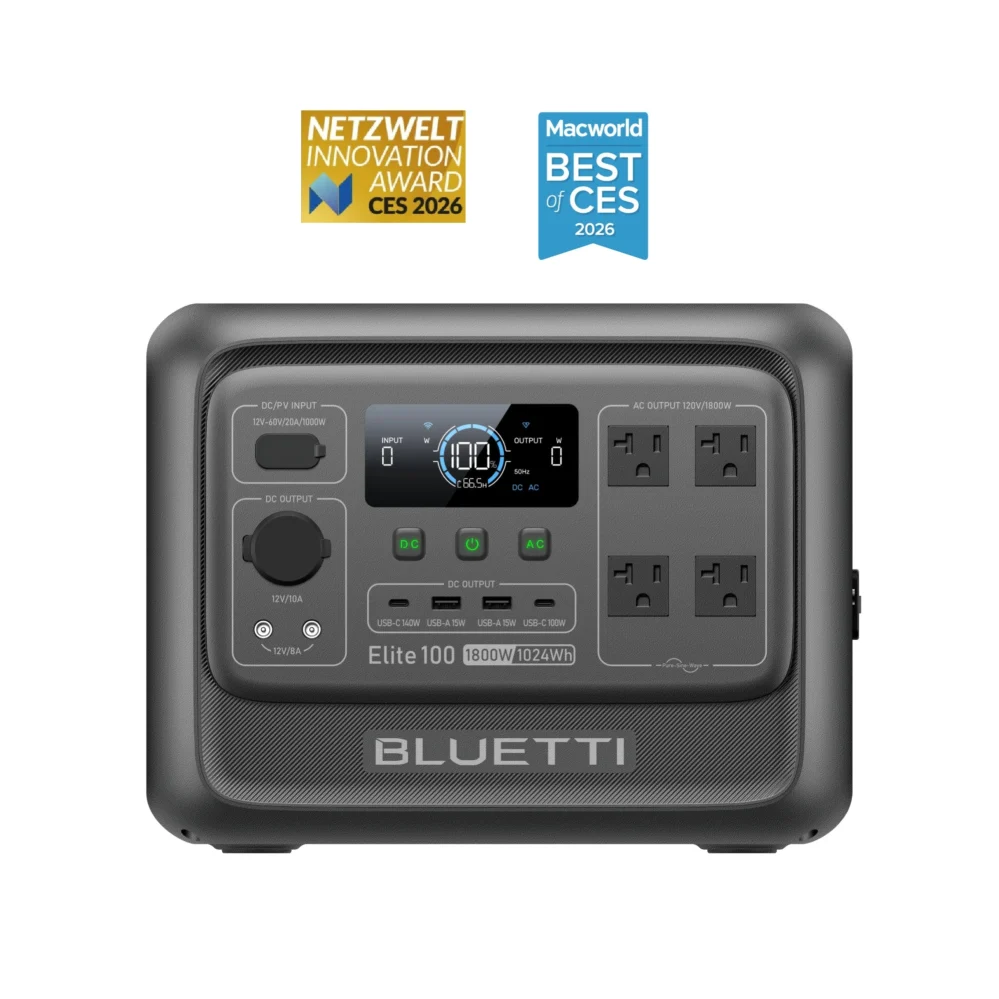
- The Elite 100 mini holds three and a half times the energy of the Elite 30 V2 and costs less. Cheaper is not smaller here.
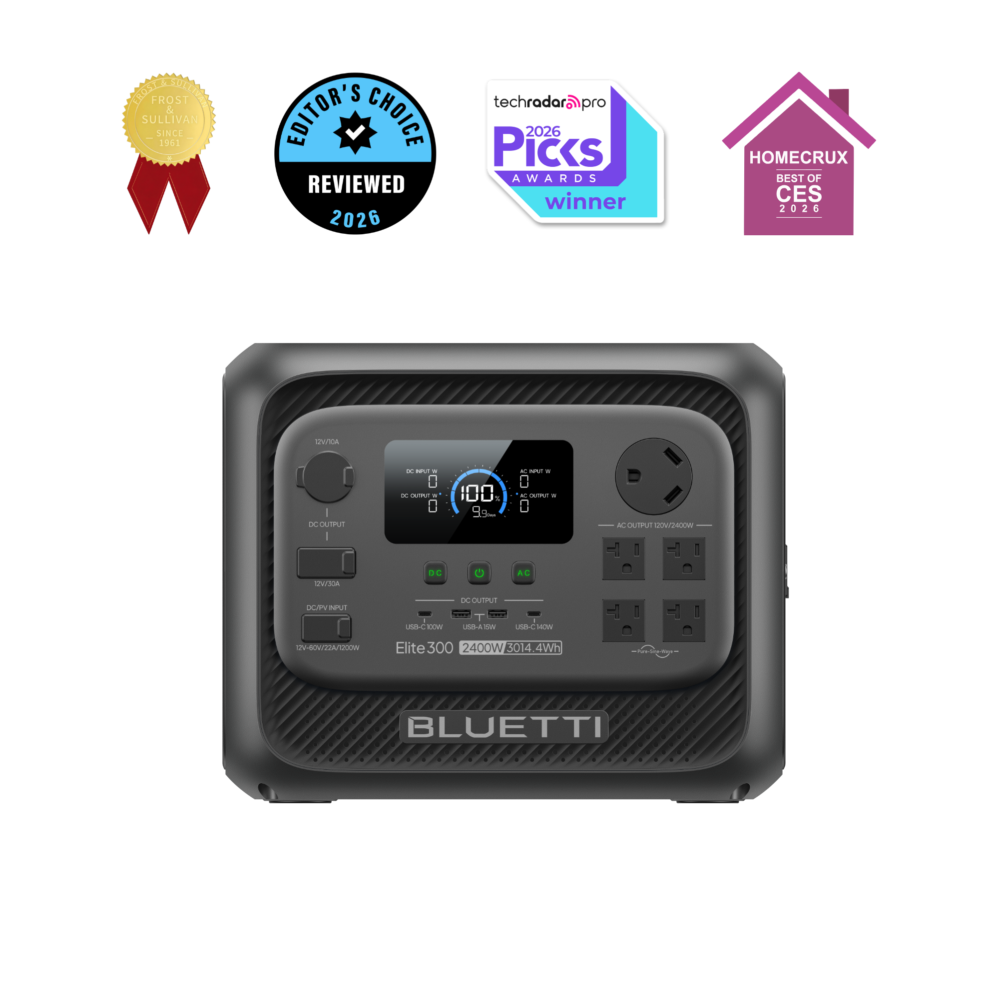
- Cost per watt-hour ranges from 37 cents on the Elite 300 to $1.56 on the Elite 30 V2.
- Anything between 700Wh and 3,000Wh lands in a tight 37-47 cent band.
- Buy on output as well as capacity. A large battery behind a small inverter still trips on a kettle.
The cheapest BLUETTI power station is not the smallest
Picking a BLUETTI power station by sticker price leads people wrong. The Elite 100 mini holds 1,004Wh. The Elite 30 V2 holds 288Wh. The mini is the cheaper of the two, so the lower price buys three and a half times the energy.
That looked like an outlier, so we priced the whole current US lineup by the watt-hour. It is not an outlier. The pattern repeats right across the range.
What a watt-hour actually costs across the line
Divide price by capacity and the spread is wide. The Elite 300 works out at 37 cents per watt-hour. The Elite 30 V2 costs $1.56. That is more than four times as much for the same stored energy.
Most of the range clusters tightly, though. Every model between 700Wh and 3,000Wh lands between 37 and 47 cents. The extremes are where it breaks down, because very small units carry a size premium and the biggest ones stop getting cheaper per watt-hour.
Cost per watt-hour is not the only axis, but it is the one nobody prints on the box.
Elite 100 mini | AC180 | Elite 200 V2 | Elite 300 | |
|---|---|---|---|---|
|
|
|
 |
| |
| Capacity | 1,004Wh | 1,152Wh | 2,073.6Wh | 3,014Wh |
| AC output | 700W | 1,800W | 2,600W | 2,400W |
| Cost per watt-hour | 43c | 43c | 41c | 37c |
| Rated cycles | 3,000+ | 3,000+ | 6,000+ | 6,000+ |
| Runs a fridge | – | 1 | 1 | 1 |
| Check price | Check price | Check price | Check price |
Where each BLUETTI power station makes sense
Capacity is only half the decision, since a big battery behind a small inverter still cannot run a microwave. Output sets what you can plug in. Capacity sets how long it lasts.
The Elite 100 mini is the value pick. It holds 1,004Wh, which is within 2 percent of the Elite 100 V2 at roughly double the money. But its inverter is 700W against 1,800W, so the premium buys output rather than runtime. If your loads are electronics rather than motors and heating elements, the mini is the cheapest capacity BLUETTI sells.
At the other end, the Elite 300 is the cheapest energy in the line at 37 cents per watt-hour. It holds 3,014Wh and is the lightest 3kWh unit BLUETTI makes, so it earns its place if you are sizing for a whole-house outage rather than a weekend.
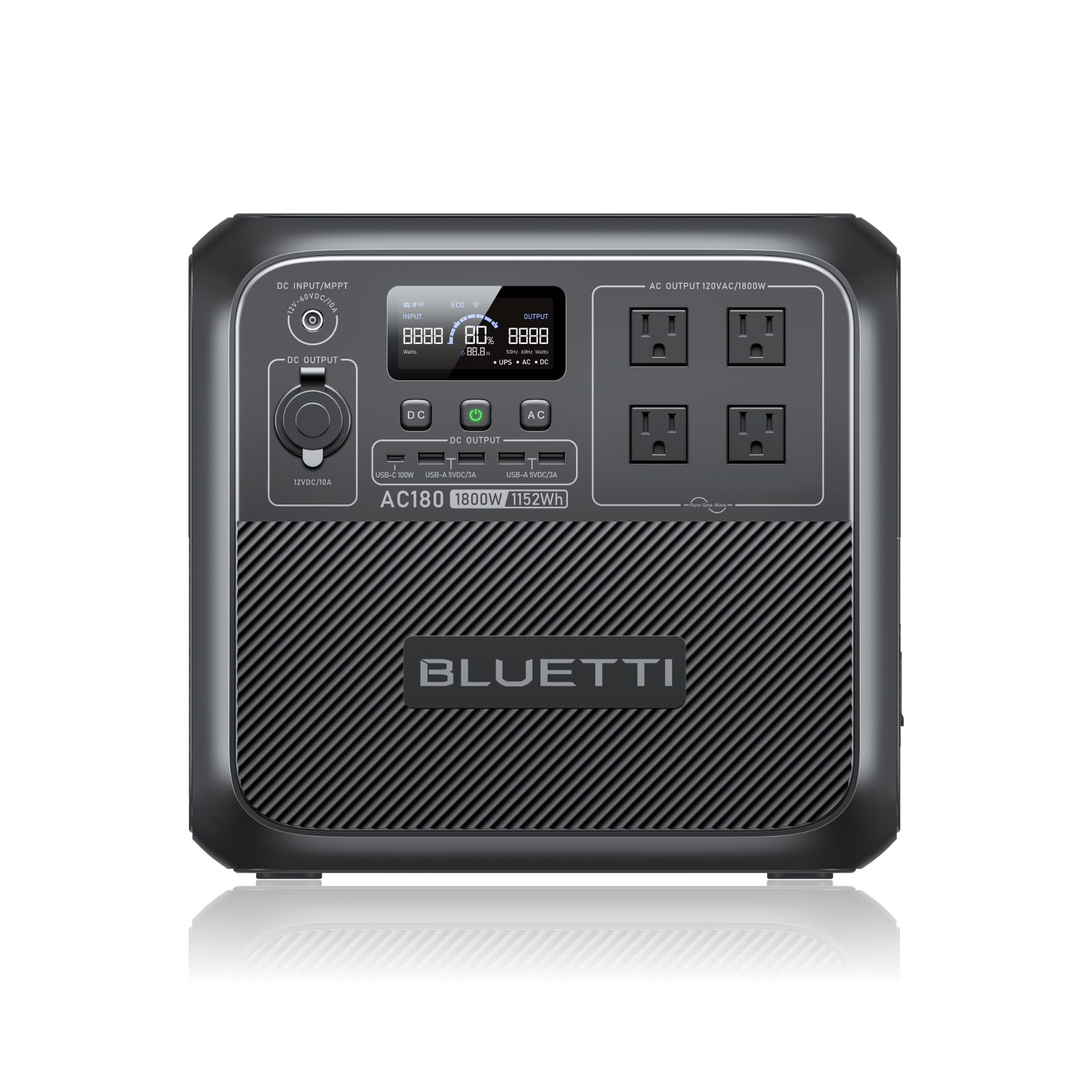
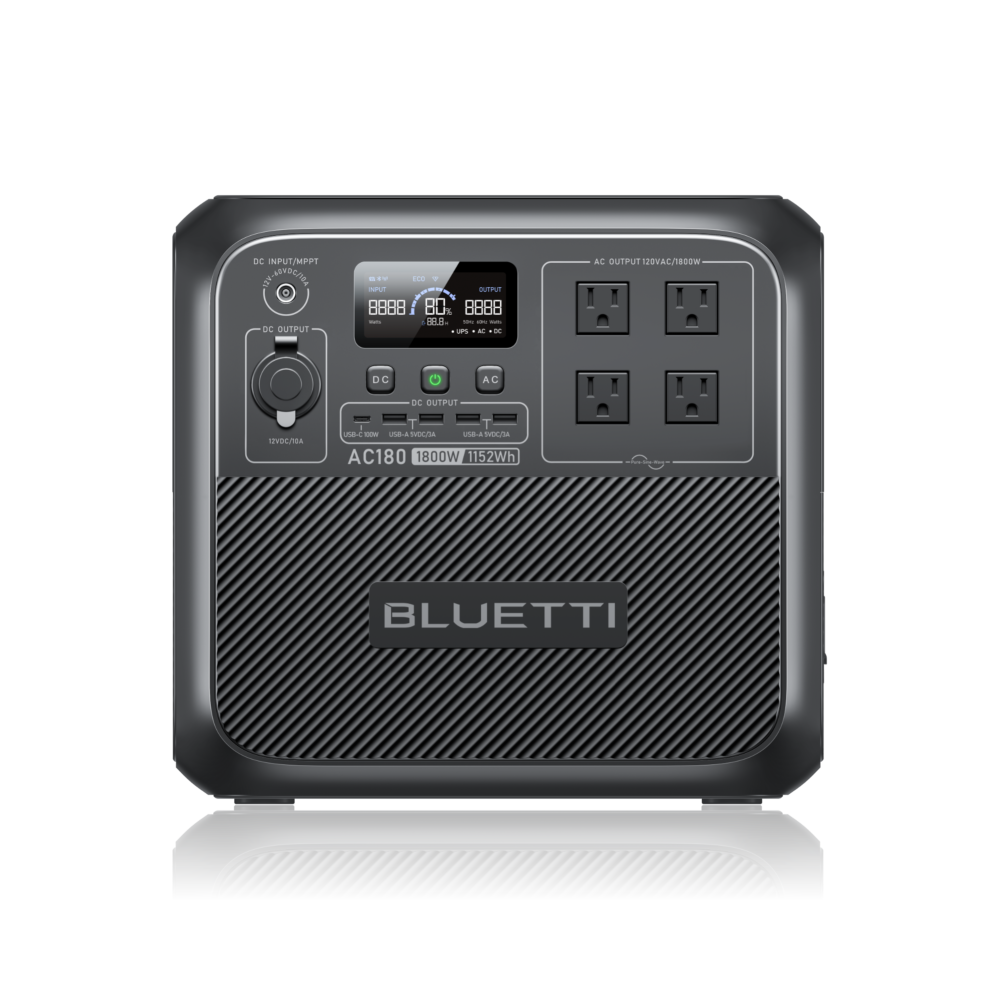
For most people the AC180 is the right BLUETTI power station. You get 1,152Wh and a 1,800W inverter, which covers a fridge, a CPAP machine or a couple of power tools. It also sits in the cheap part of the cost-per-watt-hour curve without giving up output.
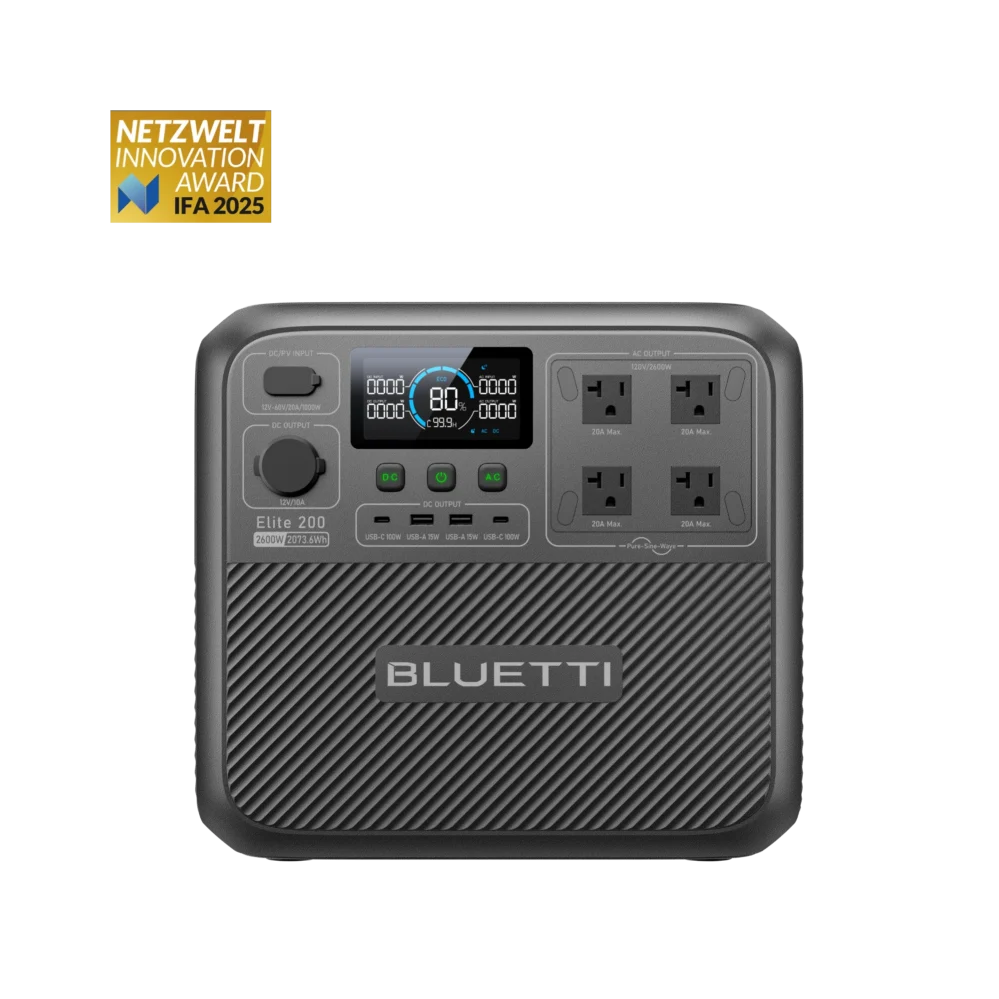
Home backup is different, because there you want cycle life as well as headroom. The Elite 200 V2 rates 2,600W, drives loads to 3,900W, and is built for 6,000 cycles instead of the usual 4,000.
Our picks
The picks in detail
1,152Wh, 1,800W, 43 cents per watt-hour
The one most people should buy. A 1,800W inverter starts a fridge, a microwave or a circular saw, and 1,152Wh keeps that fridge going for roughly a day and a half. It sits in the cheap part of the price-per-watt-hour curve without giving up output, which is why nothing else here displaces it as the default recommendation.
3,014Wh, 2,400W, 37 cents per watt-hour
The best energy-per-dollar in the lineup, and the lightest 3kWh station BLUETTI builds. At 37 cents per watt-hour it undercuts everything else here, which only matters if you actually need three kilowatt-hours. Size for a whole-house outage and it is the obvious choice; size for a weekend and you are paying for capacity you will never cycle.
1,004Wh, 700W, 43 cents per watt-hour
A kilowatt-hour of storage in the cheapest body here, within 2 percent of the Elite 100 V2 at roughly half the money. The catch is the 700W inverter, so kettles, heaters and microwaves are out. If your loads are electronics rather than motors and elements, it is the cheapest way into a real power station.
2,073.6Wh, 2,600W, 41 cents per watt-hour
Built for repeated use rather than occasional trips. The 6,000-cycle rating is half again what most of the range offers, so weekly cycling still leaves it healthy well past a decade. It drives loads to 3,900W and runs nine devices at once, which covers a fridge, a furnace blower and the networking gear together.
The BLUETTI power station we would skip
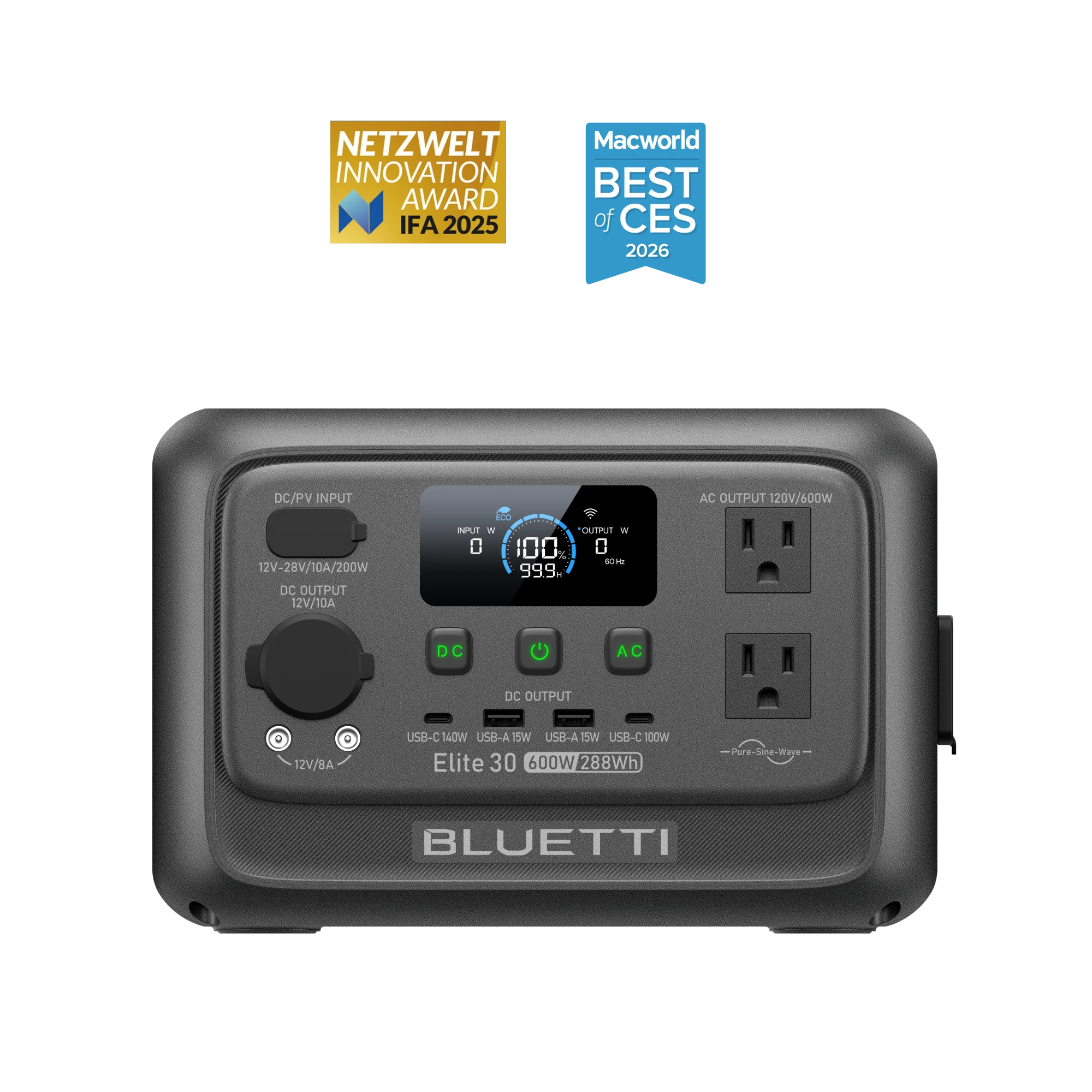
On value, the Elite 30 V2 is hard to defend. At $1.56 per watt-hour it is the most expensive energy in the catalog, more than four times the Elite 300. Our Elite 30 V2 review found a well-built unit, so this is not a quality complaint.
It earns its price on one thing: weight. At 9.5 pounds it is the only one here you would carry any real distance. If that is your reason, buy it. Otherwise the Elite 100 mini costs less and holds three and a half times the energy.
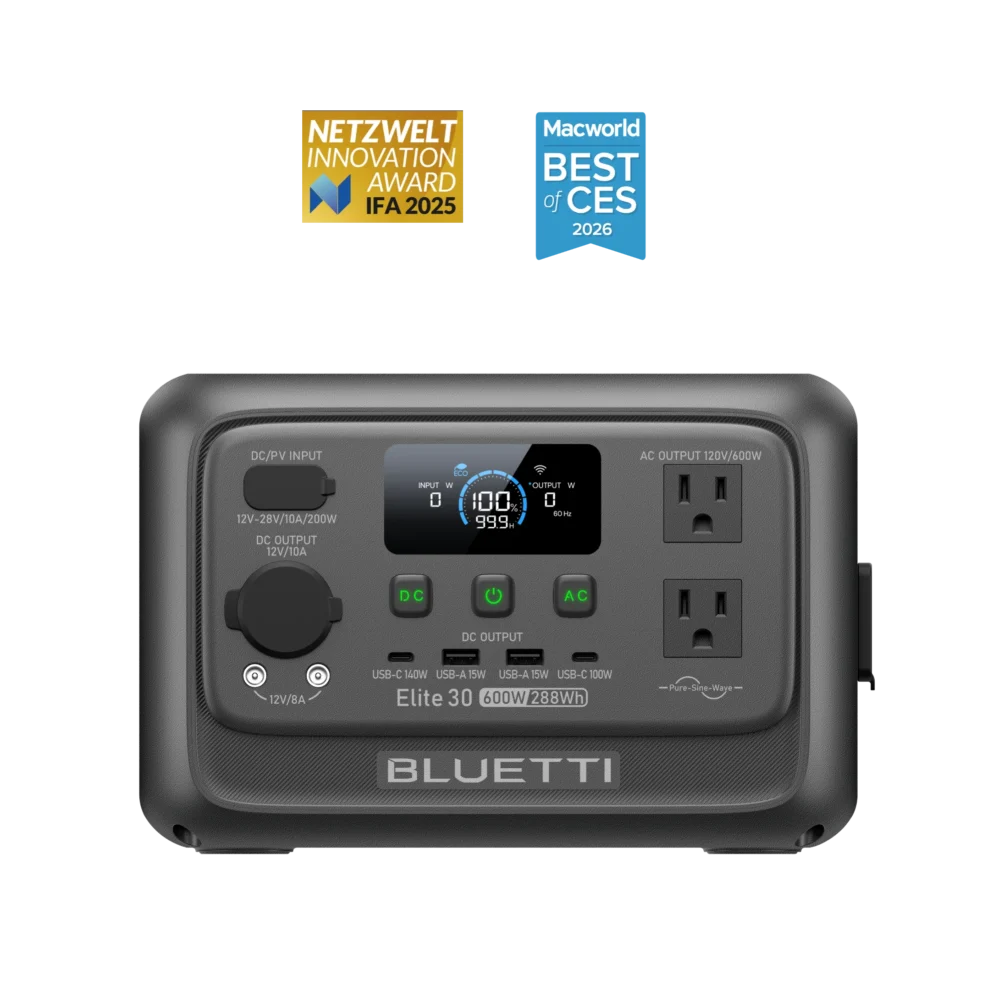
288Wh, 600W, 9.5 pounds
The smallest station BLUETTI sells, and the only one here light enough to carry any real distance. It holds 288Wh behind a 600W inverter, which covers phones, a laptop and a CPAP but not a kettle. It is also the most expensive watt-hour in the catalog, so buy it for the weight or not at all.
How we compared these
This is a price and specification comparison rather than a hands-on test. Prices came from BLUETTI’s US store on the date of writing, and capacity and output figures come from the published specs. Prices move, so check before you buy.
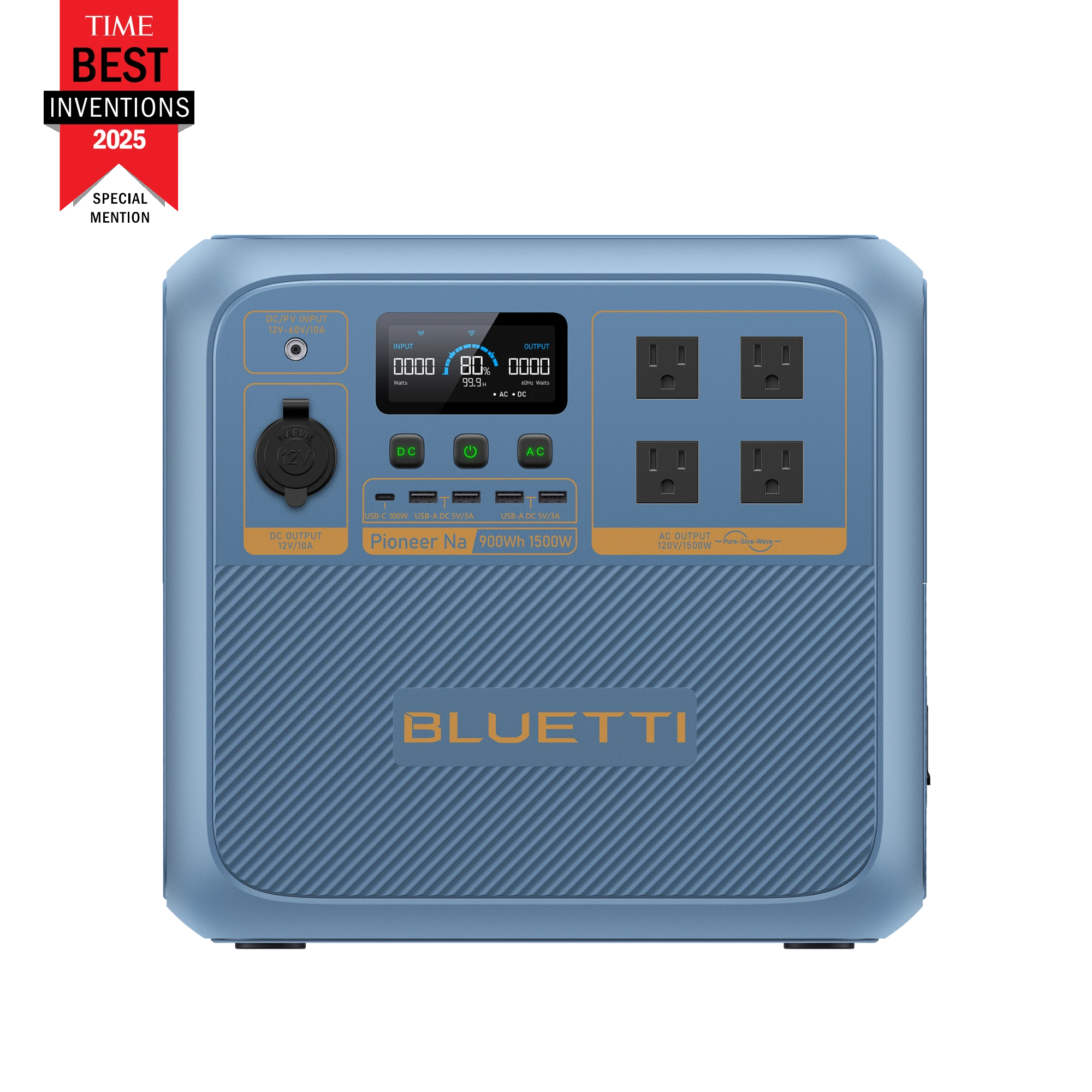
Hands-on impressions live in the individual reviews instead, including the Elite 100 V2 and the sodium-cell Pioneer Na. The cycle ratings above reflect LiFePO4 chemistry, which typically supports more than 3,000 cycles against roughly 1,000 to 2,300 for the NMC cells used in most laptops.
We listed every BLUETTI power station currently sold on the US store, recorded its live price, and divided by its published watt-hour capacity. No hands-on testing was done for this comparison. Our individual model reviews cover that separately.
-
Prices
Pulled live from BLUETTI’s US store at the time of writing. Prices move often, so check before you buy.
-
Capacity and output
Manufacturer published specifications, in watt-hours and rated AC watts.
-
Cost per watt-hour
Current price divided by rated capacity, rounded to the nearest cent.
-
Cycle life
Manufacturer rating for the LiFePO4 cells, not a figure we measured.
We earn a commission if you buy through our links. It does not change which models we recommend.
Common questions
A few things come up every time someone shops for a BLUETTI power station.
How many watt-hours do I actually need?
Add up what you want to run and for how long. A 60W fridge for 12 hours is roughly 720Wh, so the Elite 100 mini covers a day and the AC180 covers a day and a half.
Does a higher price always mean more capacity?
No. The Elite 30 V2 costs more than the Elite 100 mini and holds under a third of the energy. Compact models carry a size premium that has nothing to do with capacity.
What does the cycle rating mean in practice?
A 3,000-cycle rating means the pack still holds most of its capacity after 3,000 full charges. Used weekly, that is well over a decade.
Can these run a space heater or a kettle?
Only the larger ones. A kettle draws around 1,500W, so you need the AC180 or above. Capacity does not help if the inverter cannot start the load.
Run the cost per watt-hour before you buy. It takes ten seconds, and the model that looks cheap on the shelf often is not.
BLUETTI Elite 200 V2 Portable Power Station | 2,600W 2,073.6Wh
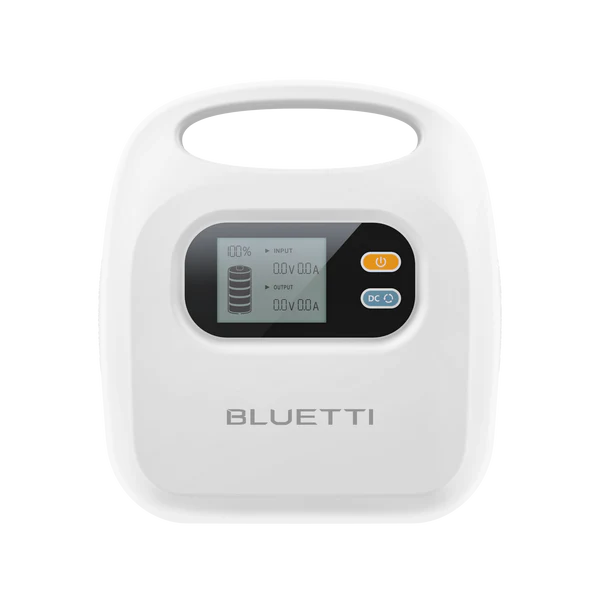
BLUETTI Elite 100 mini Portable Power Station |1,004Wh 700W Elite 100 mini
BLUETTI Elite 300 Portable Power Station | 2,400W, 3,014Wh Elite 300
BLUETTI Elite 30 V2 Portable Power Station | 600W 288Wh Elite 30 V2