Every velocity figure on a box came from a barrel longer than the one in your holster.
Ammunition makers test in four-inch barrels, and often longer. Carry pistols run three inches, and pocket guns less. That difference is worth 100 to 200 feet per second, which is enough to move a hollow point outside the window it was designed to open in.
The result is the most common and most avoidable failure in carry ammunition: a bullet that penetrates deeply and never expands at all.
- Roughly 30 to 50 fps per inch of barrel lost, depending on the powder.
- Revolvers lose extra velocity at the cylinder gap, on top of the barrel.
- Short-barrel product lines exist because the gap is large enough to matter.
What barrel length actually costs you
Barrel length changes velocity because a shorter tube gives the powder less time to burn, so the bullet leaves before it has finished accelerating. The rule of thumb is 30 to 50 feet per second per inch, and slower powders lose more.
So a 9mm load rated at 1,150 feet per second from a four-inch test barrel leaves a three-inch carry gun closer to 1,050. That is often still inside the expansion window, though not always.
The picture is worse in .380 and in revolvers. A pocket .380 starts slow and gives up barrel length on top of that, while a revolver bleeds more velocity through the cylinder gap. The standard these loads are measured against is explained in the FBI penetration guide.
The loads that survive a short barrel are shortlisted in five 9mm picks for short-barrel carry, chosen against barrel length rather than headline velocity.
Four loads designed around the barrel you have
Why barrel length breaks expansion before anything else
A hollow point is a mechanical device with a working range. Drive it fast enough and the cavity opens. Drive it too slowly and the walls never peel.
Penetration does not fail the same way, because a slower bullet that stays closed is narrow and efficient. It keeps going. So the failure mode from a short barrel is almost never too little depth, and almost always too little diameter.
That is why barrel length matters more than most spec-sheet arguments. A load can meet every published figure and still behave like ball ammo in your gun, since the number you read was measured somewhere else.
Heavy clothing makes it worse. A cavity moving slowly is easier to pack with fabric, and a packed cavity cannot open at all.

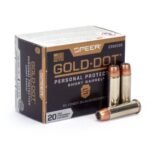
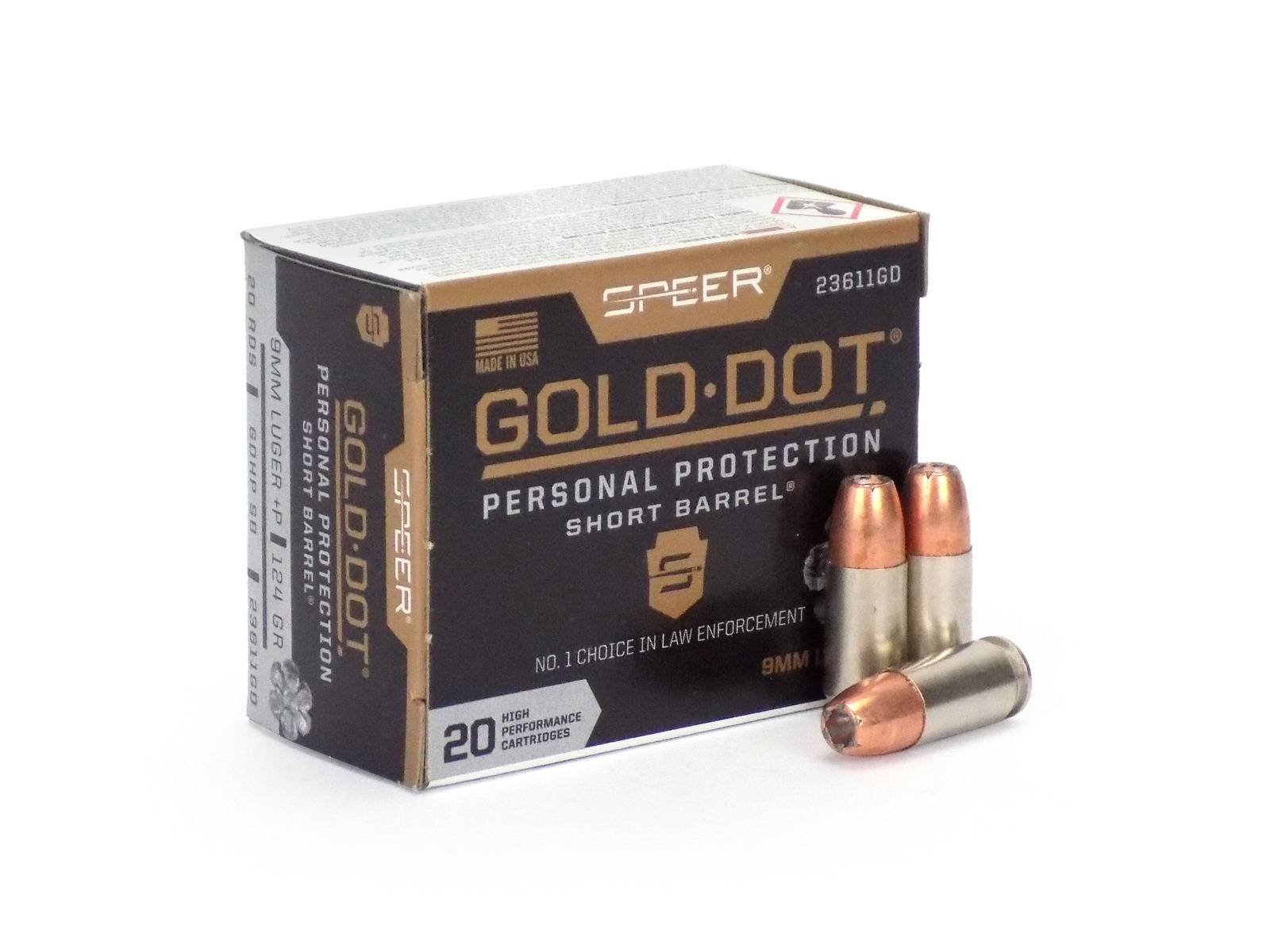
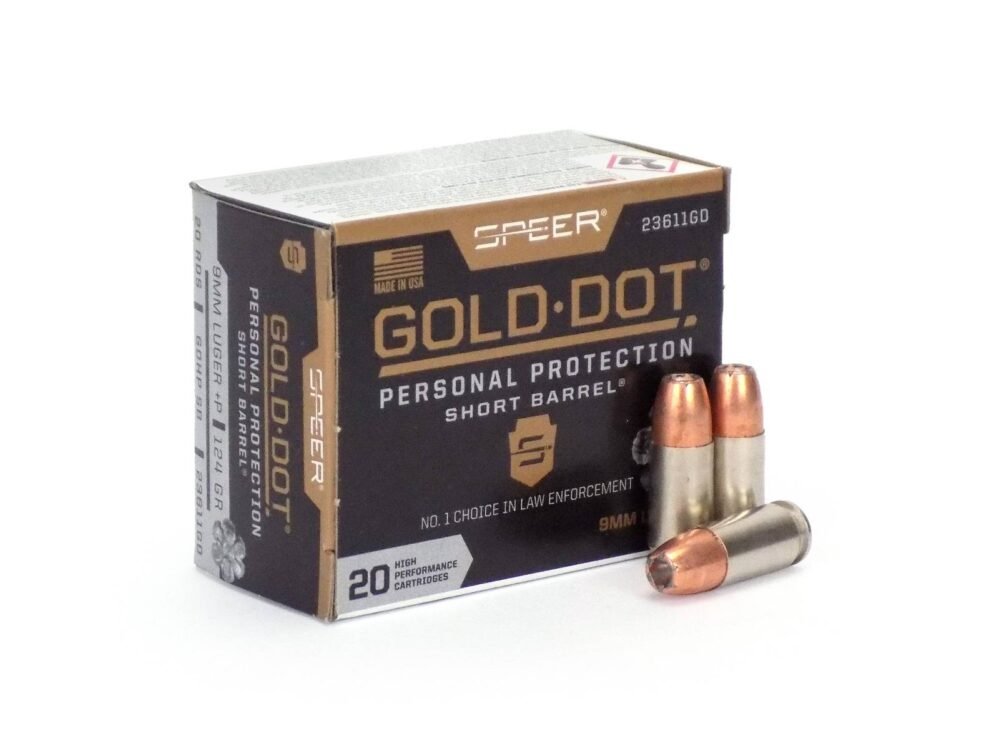
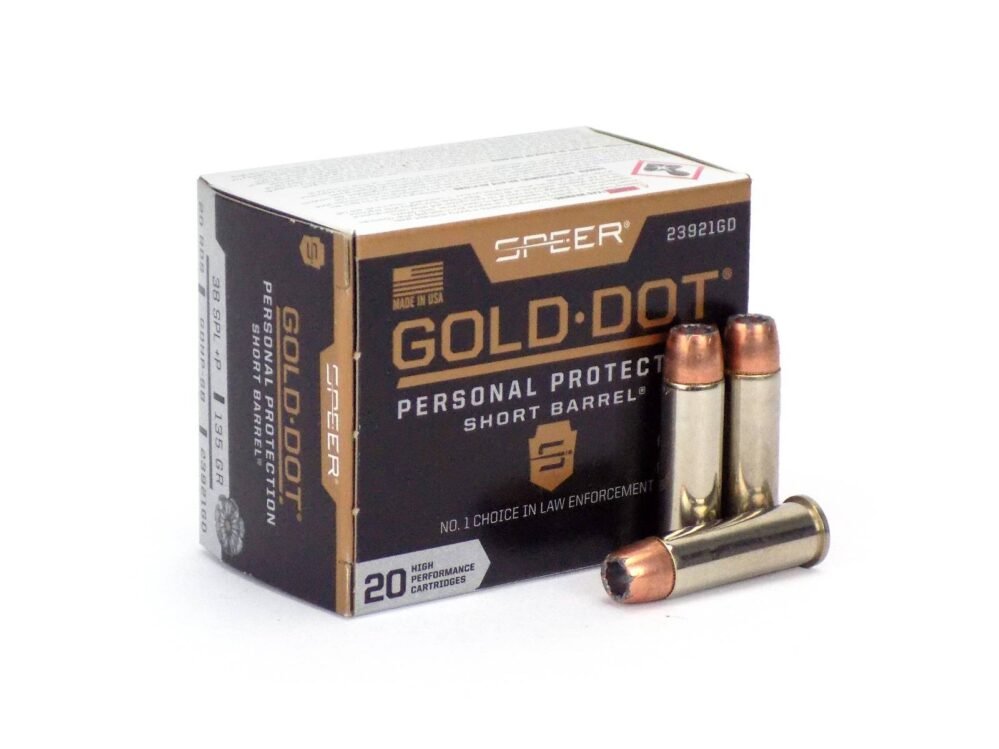
Gold Dot Short Barrel: a real redesign, not a label
01
Powder and bullet both adjusted for a short barrel
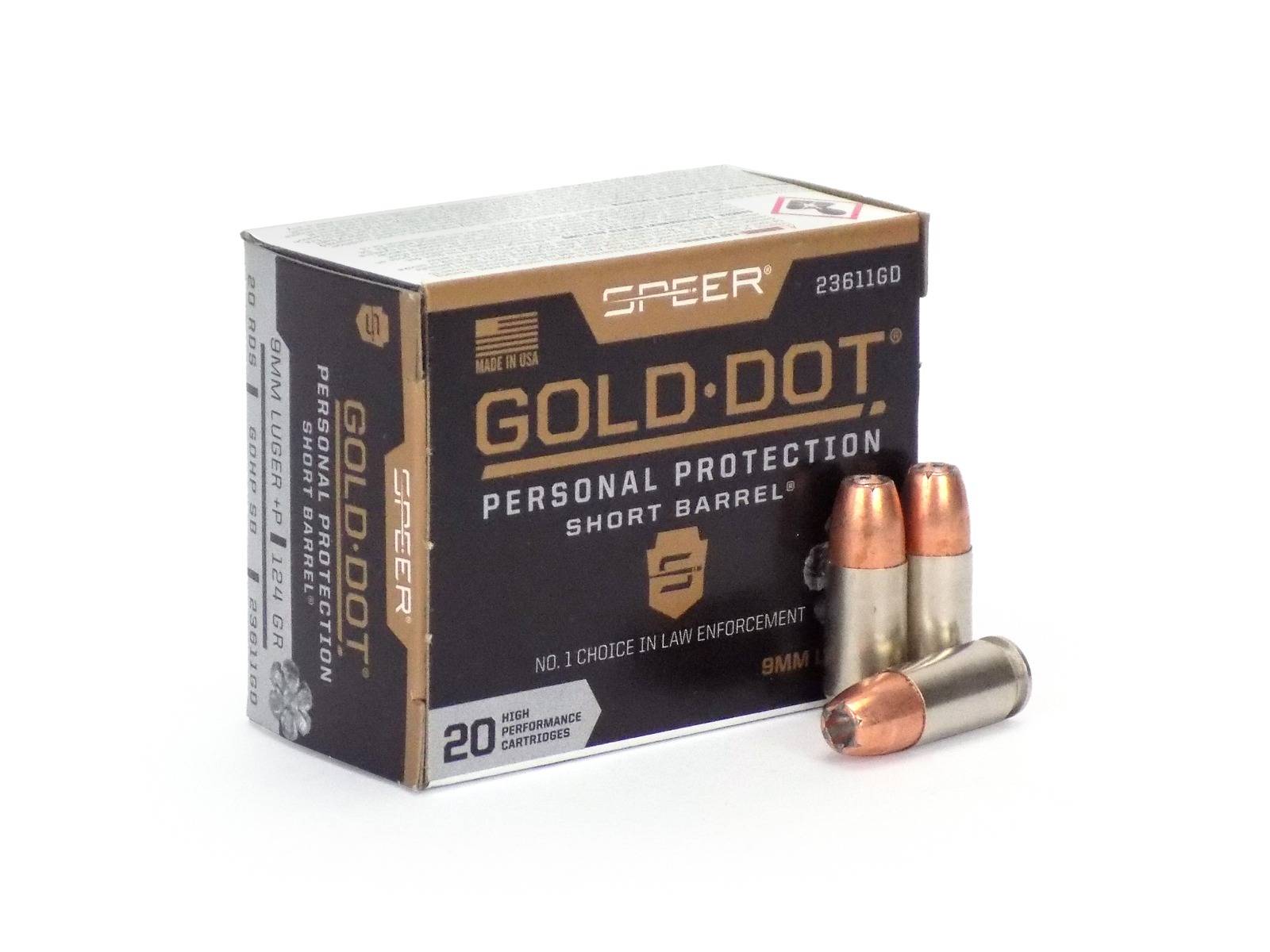
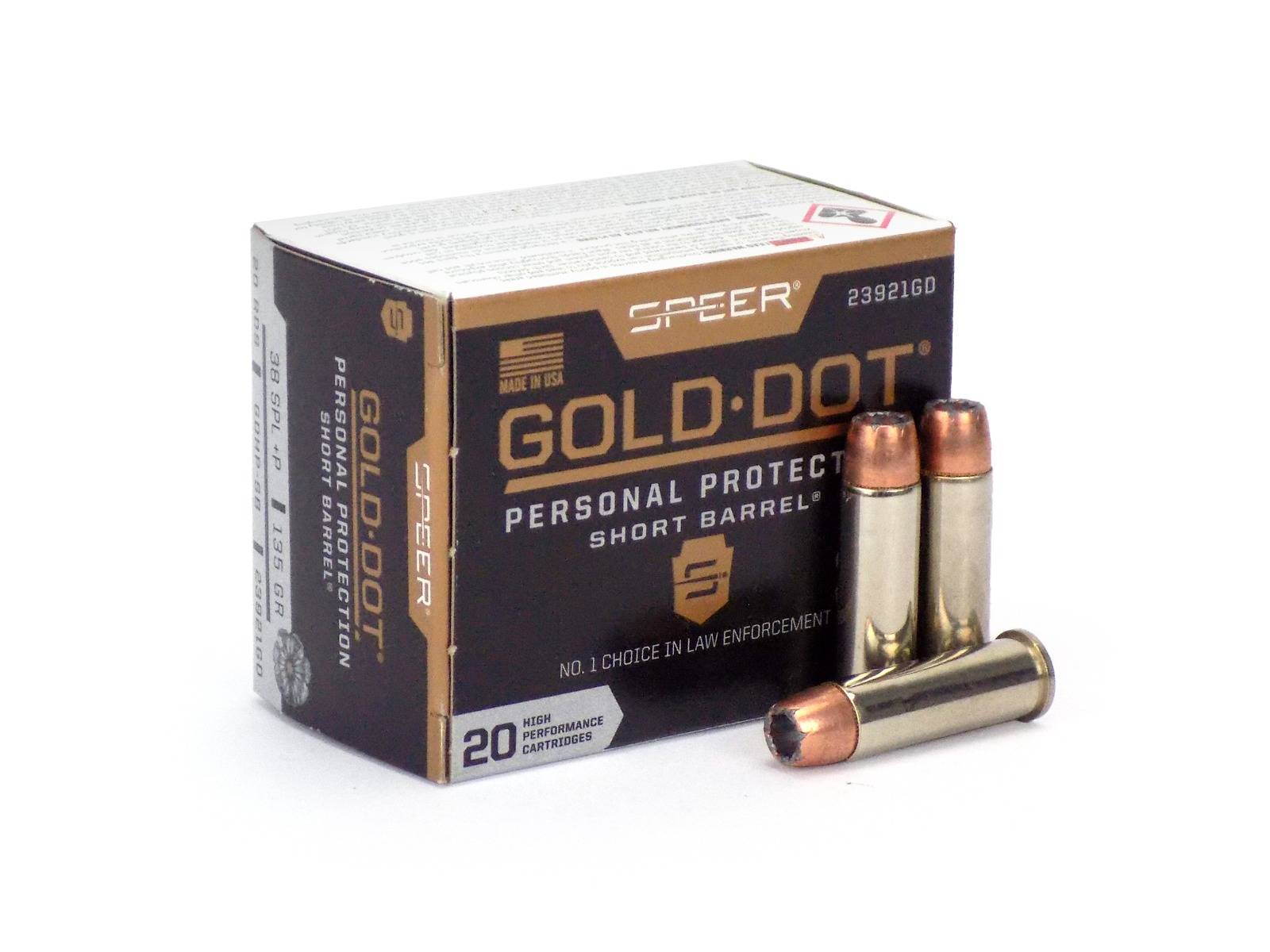
Speer’s short-barrel program changed two things at once. The powder was swapped for a faster-burning charge that finishes inside a three-inch tube, and the bullet’s expansion window was moved down to match.
That is what separates a genuine short-barrel load from marketing. The 124 grain +P version opens at velocities where the standard load stays closed, which is exactly the failure you are trying to avoid.
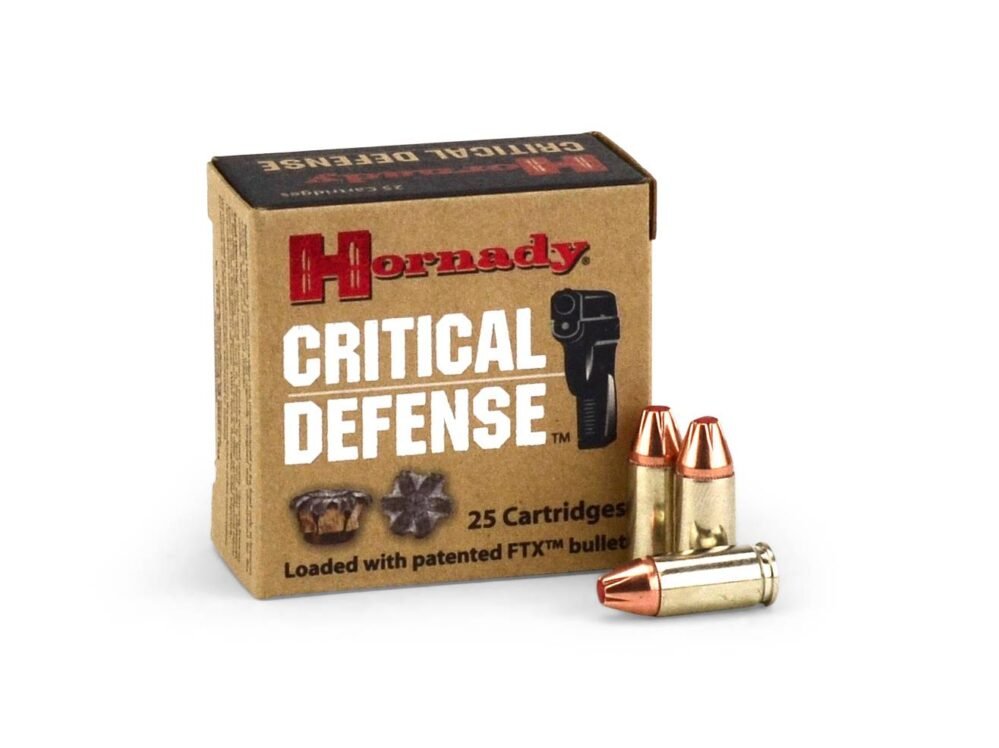
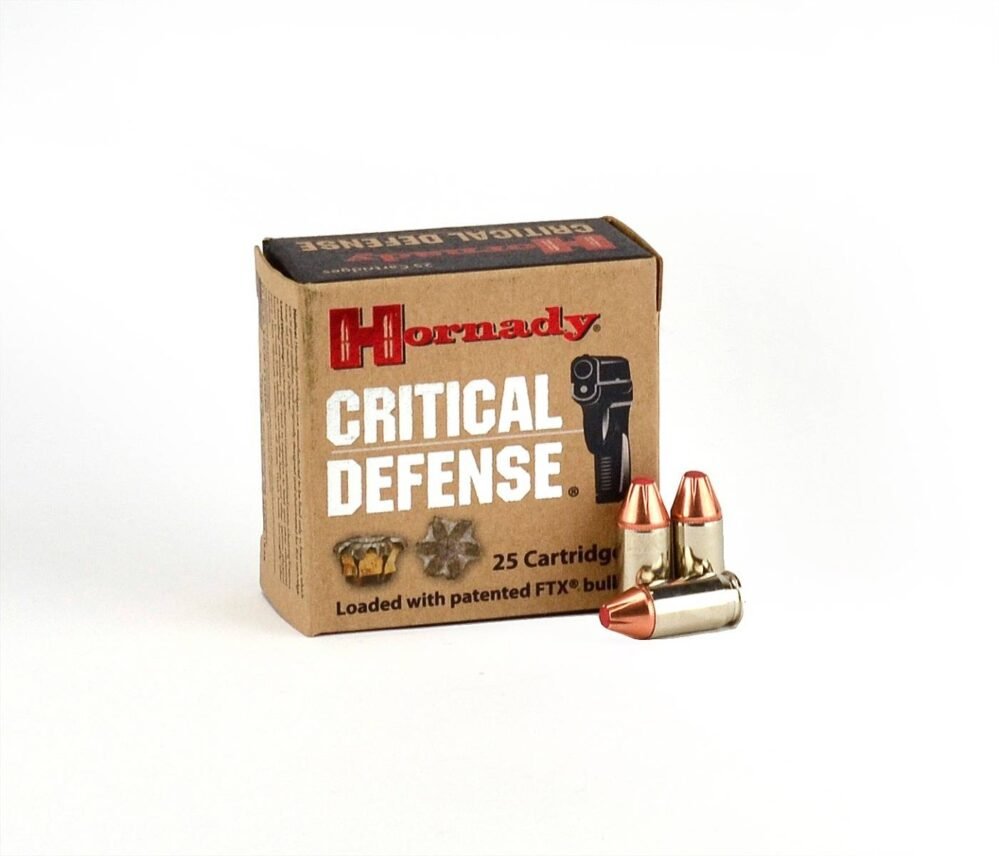
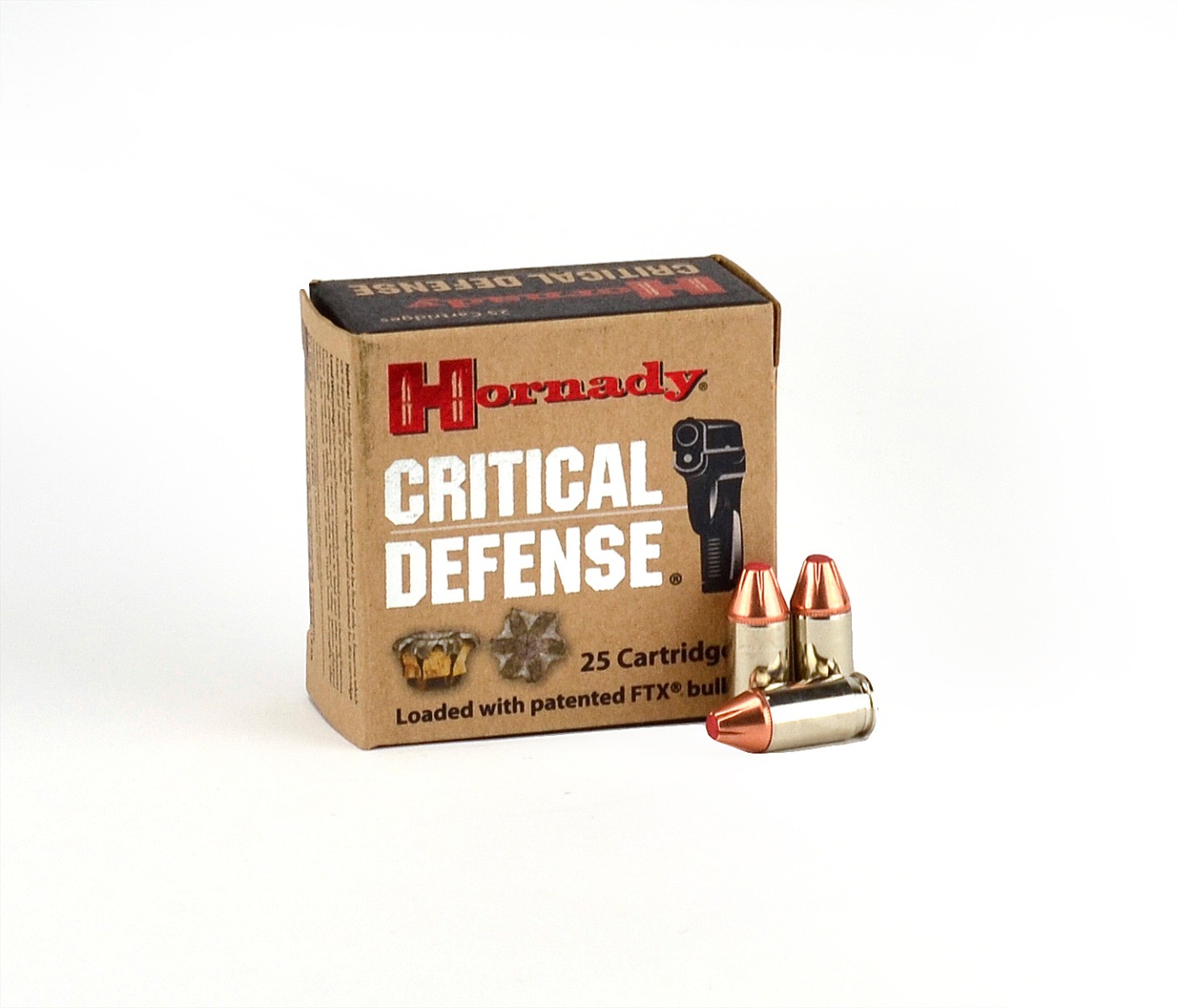
Critical Defense .380: the thinnest margin there is
Where the velocity margin is thinnest
A .380 out of a 2.75-inch barrel has the least velocity of anything you are likely to carry, and the least room for a design that needs speed. Hornady’s answer is to stop depending on speed.
The FTX polymer tip drives expansion by transferring pressure through the tip on impact, so the bullet opens even where a plain cavity would stay shut or pack with clothing.
Gold Dot SB 9mm | Gold Dot SB .38 | Critical Defense 9mm | Critical Defense .380 | |
|---|---|---|---|---|
|
|
|
|
| |
| Caliber | 9mm | .38 Special | 9mm | .380 ACP |
| Designed for | Under 3.5 in | Two-inch revolver | General carry | 2.75 in pocket |
| Expansion mechanism | Bonded cavity | Bonded cavity | Polymer tip | Polymer tip |
| Resists clothing plugging | – | – | 1 | 1 |
| Check price | Check price | Check price | Check price |
- Match the test barrel to your barrel
Published figures are only useful when you know where they came from. A load tested at four inches tells you very little about a three-inch gun.
Look forManufacturers that publish the test barrel alongside the velocity.AvoidComparing two loads whose figures came from different barrels. - Prefer designs that do not need speed
Polymer tips and bonded cavities open through mechanical pressure rather than velocity alone, so they degrade more gracefully as the barrel shortens.
Look forFTX-style tips, or a documented short-barrel version of the load.AvoidLight, fast cup-and-core hollow points in the shortest guns. - Do not chase pressure to fix it
Adding +P recovers some velocity and costs recoil, wear, and follow-up speed. In a light gun the trade often runs the wrong way.
Look forAn explicit +P rating and no loss of accuracy at speed.AvoidTreating +P as a substitute for a load designed for your barrel.
How to pick a load for your own barrel length
Measure the barrel first, because most people guess and guess high. Then look for a short-barrel version of a load you already trust, since those exist for four or five major lines.
If no short-barrel version exists, favor a polymer-tipped design. Those open through mechanical pressure rather than velocity, so they tolerate a reduced barrel length better than a plain cavity does.
Then check the load against independent testing rather than the box. Lucky Gunner's gelatin archive publishes results by barrel, which is the only way to compare like with like. If you carry a pocket .380, the pocket pistol .380 comparison covers that end specifically.
Frequently asked questions
How much velocity does an inch of barrel cost?
Roughly 30 to 50 feet per second for handgun cartridges, with slower powders losing more. The figure is not linear across the whole range, and it grows as you get shorter, so the last inch costs more than the first.
Does a longer barrel always mean better performance?
Up to a point. Once the powder has fully burned, extra barrel adds friction rather than speed, and handgun cartridges reach that point somewhere between five and seven inches. Beyond it you are carrying weight for nothing.
Do revolvers lose more than semi-automatics?
Yes, because of the cylinder gap. Gas escaping at the gap costs velocity that a semi-automatic keeps, so a two-inch revolver runs slower than a two-inch semi-automatic barrel would suggest.
Will +P make up for a short barrel?
Partly, and it is not a clean substitute. Higher pressure recovers some velocity while adding recoil, muzzle blast and wear. In a lightweight gun the loss in follow-up speed often outweighs what you gain, so test it against a timer.
What barrel length does not decide
The gun still has to feed the load, and that is gun-specific. Blunt defensive profiles cause stoppages in some pistols and not others, so no amount of ballistic reading substitutes for firing a hundred rounds.
Nor does the load fix your grip, your holster, or the belt holding it up. Those fail far more often than ammunition does.
So once you have chosen, read FMJ versus hollow point for the practice-ammo half of the decision. The gun belt stiffness guide covers the part of the setup that quietly ruins carry comfort.
For the three loads this comes up around most often, HST versus Gold Dot versus Critical Duty compares how each design handles the velocity it is actually given.
If a short-barrel version of your preferred load exists, buy that one. It costs a few dollars more per box and removes the single most common failure in carry ammunition. Where no such version exists, a polymer-tipped design is the next best hedge against a barrel shorter than the test barrel.
Buy for the gun, not the spec sheet
- Every published velocity came from a barrel longer than yours.
- Short barrels fail at expansion, not at penetration.
- A short-barrel load or a polymer tip removes most of the risk for a few dollars.
Barrel length is the variable that quietly invalidates most ammunition comparisons. A load can be excellent, well reviewed, and still behave like ball ammo out of your carry gun, because everything you read about it was measured somewhere longer. Check the test barrel, pick a load built for yours, and the most common failure in carry ammunition stops being your problem.
Speer Gold Dot Short Barrel 9mm +P 124 Gr JHP (Box)
Hornady Critical Defense 9mm 115 Gr JHP (Box)
Speer Gold Dot Short-Barrel .38 Special +P 135 Gr JHP (Box)