This is not a ballistics question. It is a question about which gun ends up on your belt on a hot Tuesday.
The 9mm vs .380 debate gets argued on gelatin numbers, and that is the least useful part of it. Nine millimeter wins on paper and it is not close. But the .380 exists because the pistols chambered for it are smaller, lighter, and easier to carry without thinking about it.
So the real comparison is between a round with more margin and a gun you are more likely to have. Both sides of that trade are legitimate.
- 9mm carries roughly twice the muzzle energy and reliably meets the FBI penetration floor.
- .380 pistols are smaller and lighter, which changes how often the gun actually comes with you.
- Micro-compact 9mm pistols have narrowed the size gap enough to reopen the whole question.
What 9mm vs .380 actually comes down to
Strip the 9mm vs .380 argument down and two facts survive. A 9mm carries about double the muzzle energy, and a .380 pistol is meaningfully smaller.
That energy difference is not academic, because it decides whether a bullet can expand and still reach twelve inches. A 9mm hollow point does both routinely. A .380 usually has to give up one.
But the size difference is not academic either. A gun left at home because it prints through a shirt has an effective performance of zero, so carry frequency belongs in the comparison. For what that penetration standard actually measures, see the FBI penetration standard explained.
Once the 9mm vs .380 question is settled, the load still has to be chosen. The two shortlists are five 9mm loads for short-barrel carry and five .380 loads for pocket pistols.
Five loads, two calibers
The 9mm vs .380 numbers, without the theater
A 124 grain 9mm leaves a three-inch barrel around 1,100 feet per second. A 90 grain .380 from a 2.7-inch barrel leaves around 950. That gap looks small until you square it, because energy scales with velocity squared.
The practical result is margin. A 9mm hollow point can open to nearly double its diameter and still push past twelve inches of gelatin. A .380 that opens that wide usually stops around nine or ten.
So the 9mm vs .380 comparison is really about whether you have margin to spend. Nine millimeter does, which is why almost every police agency issues it. But .380 spends everything it has just getting to adequate, and that is why bullet design matters so much more in the smaller round.
None of that settles the question, since the person carrying it still has to carry it.
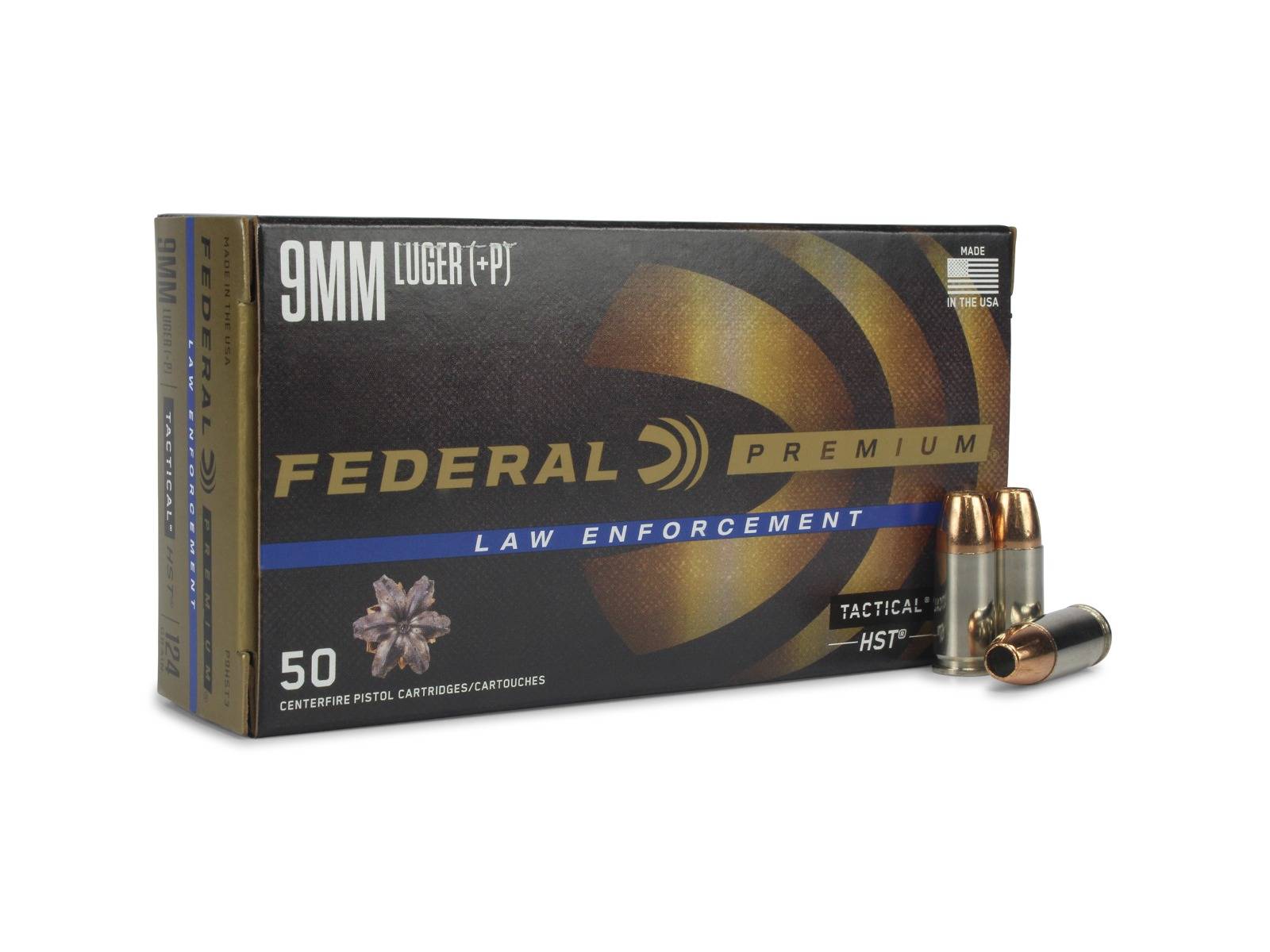
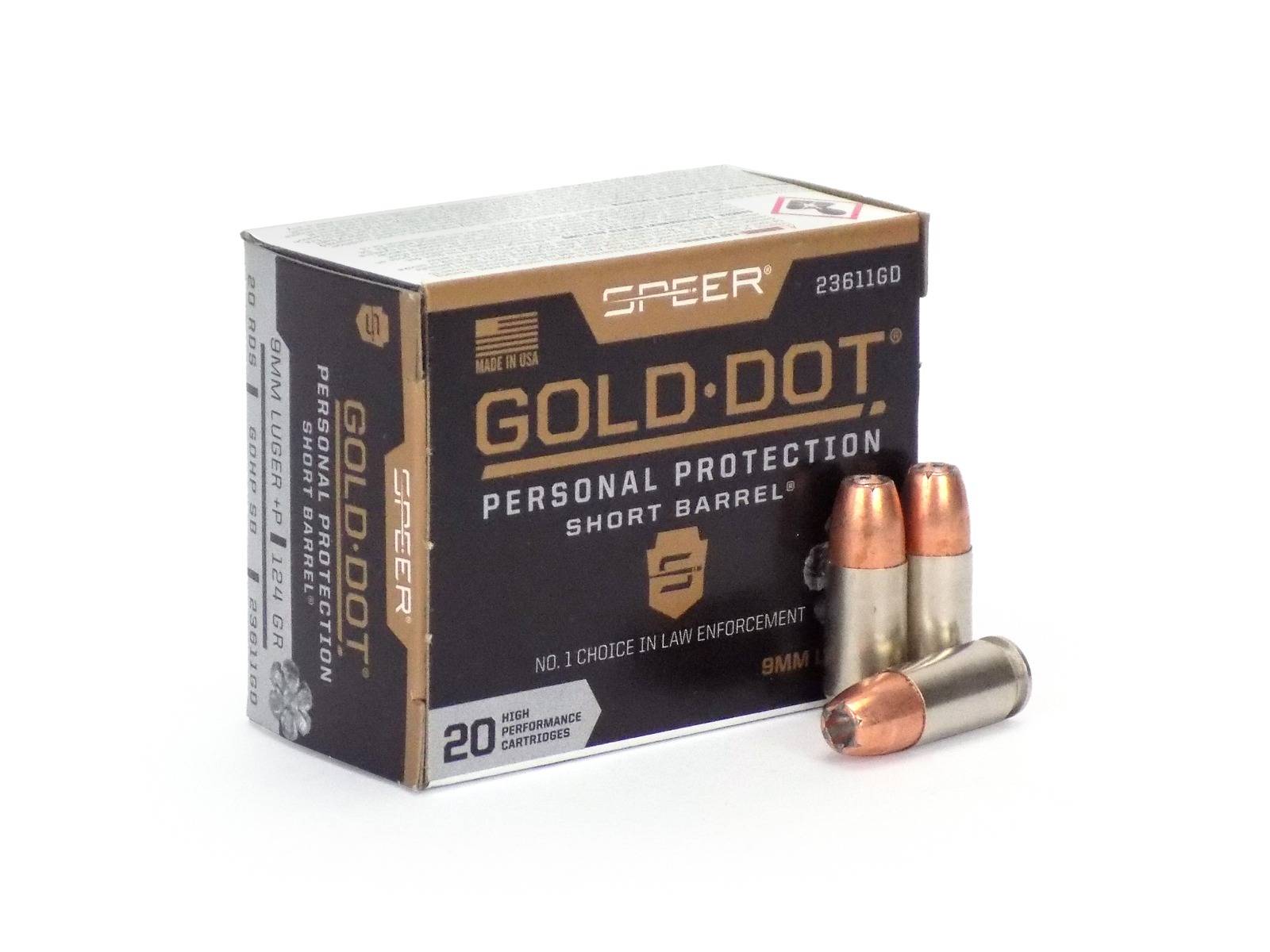


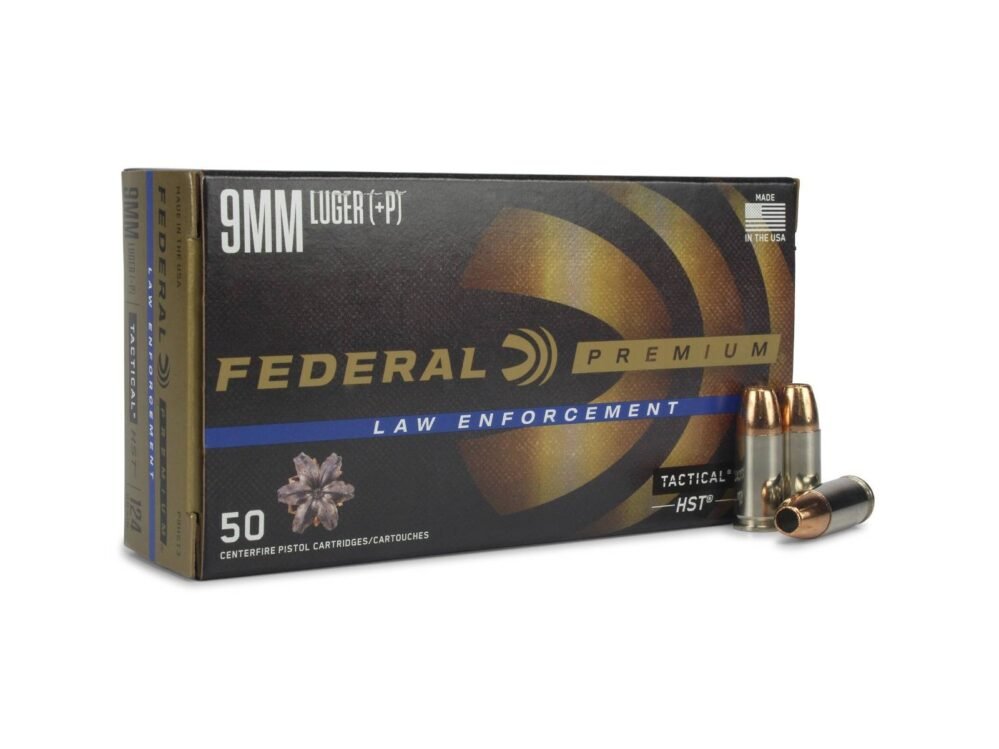
Federal HST 124 grain +P: why the 9mm case is easy
01
The load that makes the 9mm case
HST is the load most agencies settled on, and the 124 grain +P version is the one that still opens reliably from a three-inch barrel. It is the reason the 9mm side of this argument is not really close on terminal performance.
It is also stocked everywhere, in both box and case quantities, which matters more than a marginal ballistic edge. A carry load you cannot re-order forces you to re-validate a new one next year.
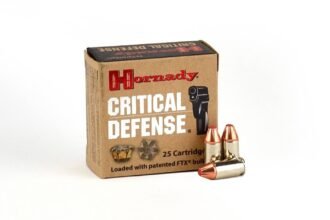
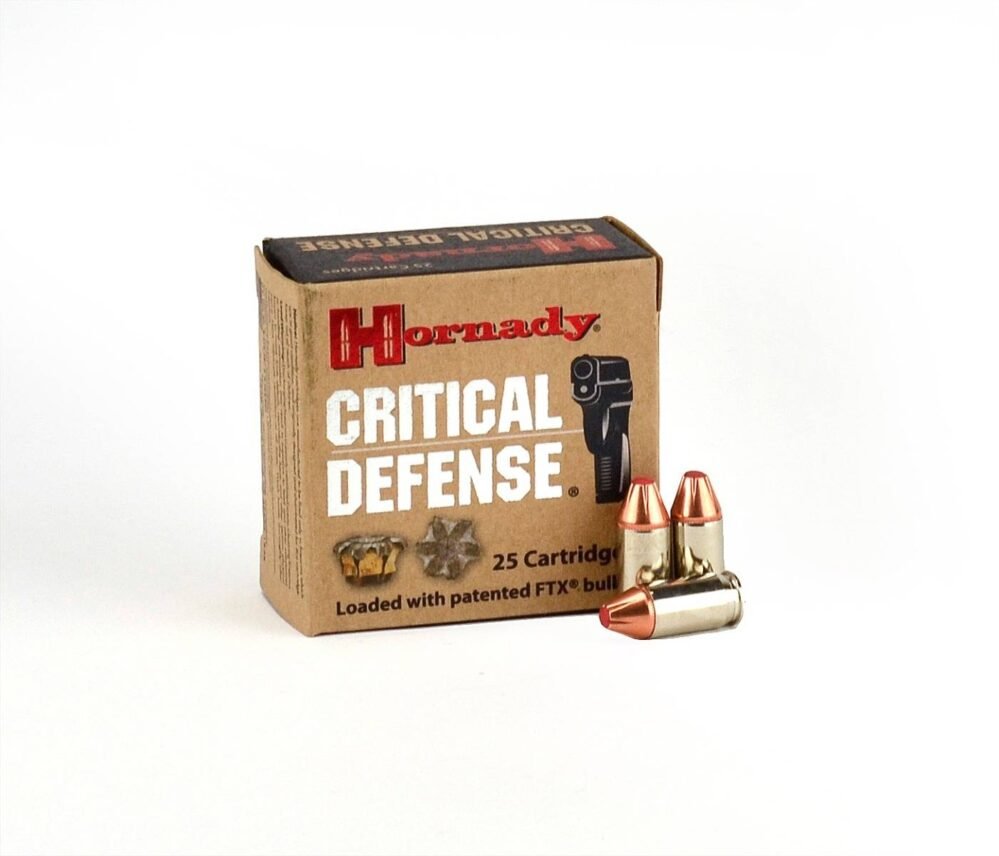
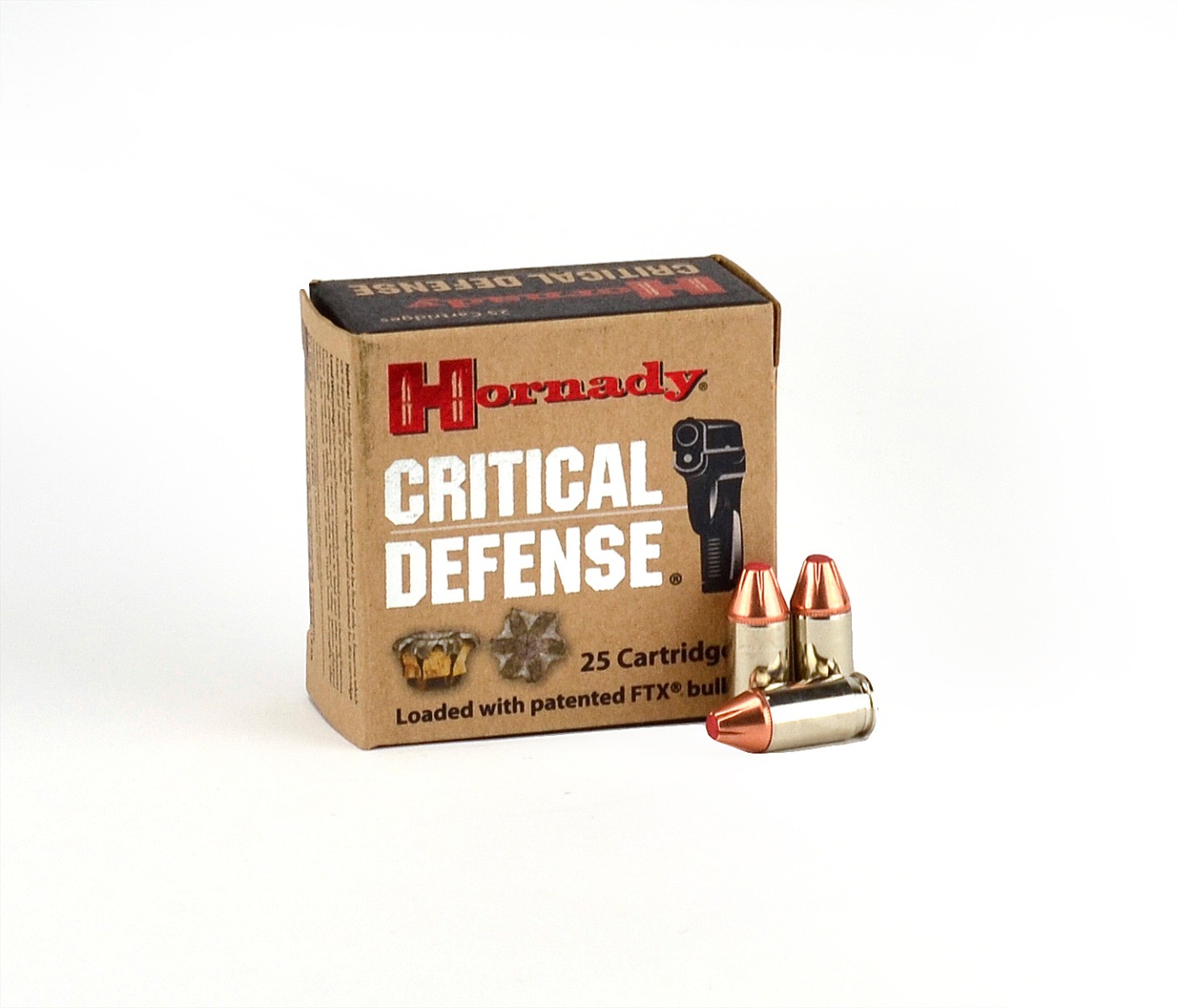
Hornady Critical Defense: the .380 that behaves
The .380 that fails least predictably
Critical Defense exists because plain .380 hollow points fail in one repeatable way: heavy clothing packs the cavity and the bullet sails through like ball ammo. The FTX polymer tip fills that cavity so nothing can pack it.
Hornady also loads it for short barrels rather than test barrels. In .380 that distinction matters more than in any other carry caliber, because there is no velocity to spare.
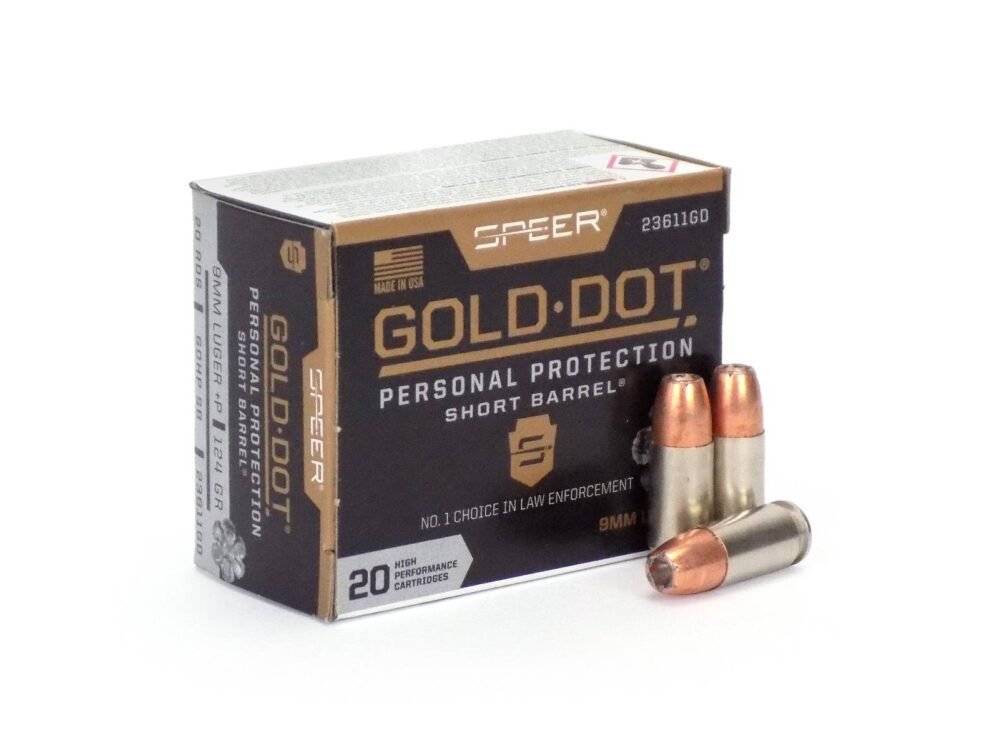
HST 9mm | Gold Dot SB | Critical Defense | Federal Punch | X-Point | |
|---|---|---|---|---|---|
|
|
|
|
|
| |
| Caliber | 9mm | 9mm | .380 ACP | .380 ACP | .380 ACP |
| Bullet weight | 124 gr | 124 gr | 90 gr | 85 gr | 95 gr |
| Resists clothing plugging | 1 | 1 | 1 | 1 | 1 |
| Best for | Compact 9mm carry | Micro-compact 9mm | Winter layers | Low-velocity expansion | Budget .380 carry |
| Check price | Check price | Check price | Check price | Check price |
- Carry frequency beats caliber
A gun you leave at home has no terminal ballistics at all. Be honest about which pistol you will actually wear in July, and let that pick the caliber.
Look forThe largest gun you will genuinely carry every day, not the largest you can carry on a good day.AvoidChoosing on a range session rather than on a week of real wear. - Recoil you can control
Small .380s are snappy and small 9mm pistols are snappier. Whichever you pick, your split times and hit rate matter more than the energy figure on the box.
Look forA pistol and load combination you can shoot accurately at speed.AvoidAssuming a smaller caliber automatically means easier shooting in a smaller gun. - Bullet design over caliber loyalty
A well-designed .380 outperforms a badly chosen 9mm. Tips, skived jackets and guarded mouths do real work, especially at the lower end.
Look forPublished gelatin figures from a barrel close to yours.AvoidBuying on brand habit rather than on documented performance.
How to settle 9mm vs .380 for your own carry
Start with the pistol rather than the cartridge. Try carrying a micro-compact 9mm for two weeks, because that class of gun did not exist when this argument started and it changes the answer.
If the 9mm rides comfortably and you shoot it well, carry it. The 9mm vs .380 question closes there, because the argument for .380 was always the size penalty.
But if the 9mm keeps staying home, then a .380 you actually wear is the better gun. Pick a plug-resistant load, function-test a hundred rounds, and stop second-guessing. Lucky Gunner's gelatin test archive has independent figures for both calibers, and it is worth reading before you decide.
Frequently asked questions
Is .380 enough for self-defense?
It is adequate with a well-chosen load, and clearly has less margin than 9mm. The honest framing is that .380 buys a smaller pistol at the cost of that margin. If you would carry a 9mm just as often, carry the 9mm.
Do micro-compact 9mm pistols end the argument?
For many people, yes. Guns like the P365 and Hellcat put nine or more rounds of 9mm into a package close to a pocket .380. The remaining gap is width and recoil, so the honest test is two weeks of carrying one.
Does .380 recoil less than 9mm?
In equally sized guns, yes. But .380s are usually smaller and often blowback operated, so a pocket .380 frequently feels sharper than a locked-breech 9mm subcompact. Shoot both before assuming the smaller round is gentler.
Can I carry the same brand in both calibers?
Yes, and the caliber-specific version still matters. Critical Defense in .380 is tuned differently from the 9mm version, so buy the load made for your cartridge rather than assuming the line performs the same across it.
What the 9mm vs .380 debate does not fix
Neither caliber solves a holster that shifts through the day. Nor does either one fix a belt that sags under the weight of the gun.
Both sides of 9mm vs .380 also demand the same function test. Fire at least 100 rounds of your chosen load through the exact pistol and magazines you carry, then count every stoppage. Small pistols in both calibers fail for reasons that have nothing to do with terminal ballistics.
So once you have picked a side, read the appendix carry holster guide and the gun belt stiffness guide next. The general case for hollow points is covered in FMJ versus hollow point.
Whichever side you land on, the barrel decides what the load can do, and how much barrel length changes your carry ammo covers that. If the answer turns out to be neither, the best .38 Special ammo for a snub-nose revolver covers the revolver route.
Carry the 9mm if you will carry it every day, because the margin is real and it costs you nothing on a gun you already wear. Take the Critical Defense .380 when the smaller pistol is the one that actually leaves the house. The wrong answer is the capable gun sitting in a drawer.
Carry the bigger round you will actually carry
- 9mm has roughly double the energy and meets the penetration floor with room to spare.
- .380 is adequate with a plug-resistant load, and the pistol is the point.
- Try a micro-compact 9mm for two weeks before settling for the smaller caliber.
The 9mm vs .380 argument resolves the moment you stop treating it as a ballistics question. Nine millimeter wins on paper every time. The .380 wins whenever it is the gun that comes with you and the 9mm is not. Pick the larger round you will carry without negotiating with yourself each morning, load something that will not plug, and go shoot it.
Hornady Critical Defense .380 ACP 90 Gr JHP (Box)
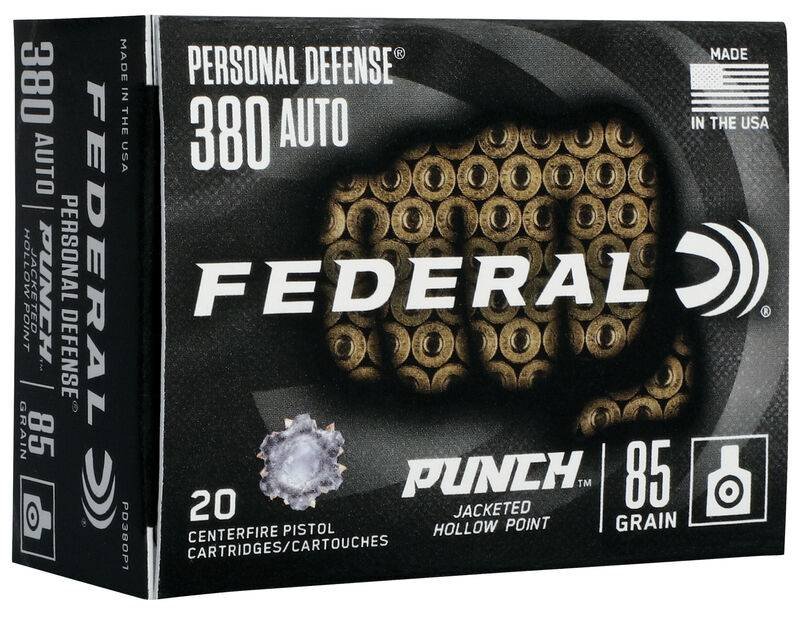
Federal Premium Punch Personal Defense 380 ACP 85 Grain JHP (Box)
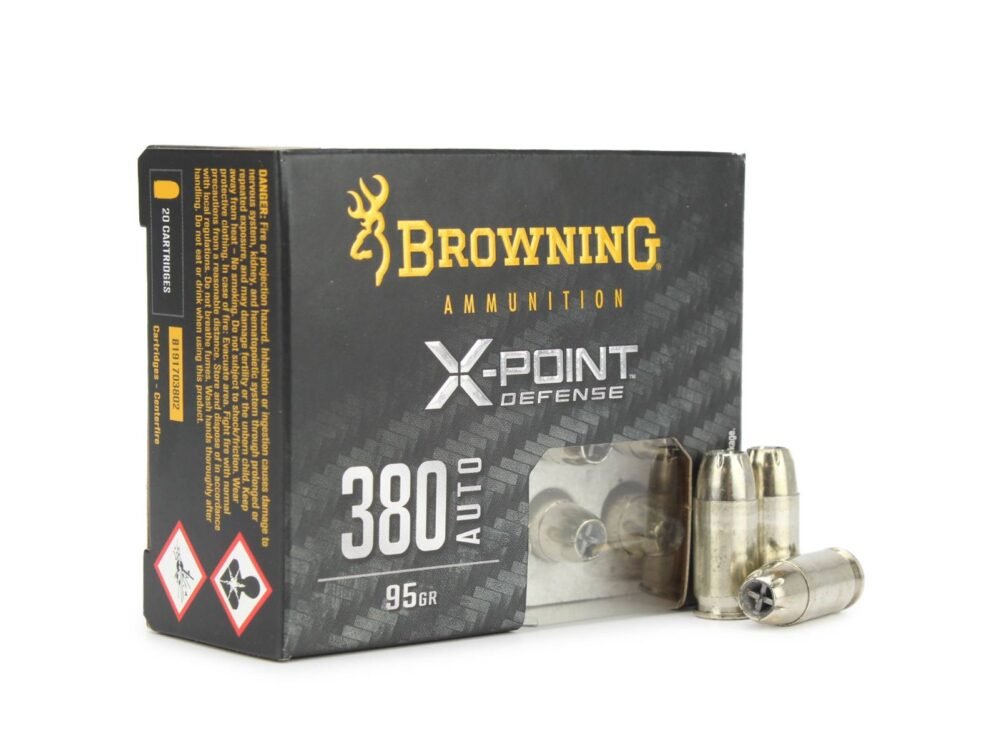
Browning X-Point Defense 380 ACP 95 Gr JHP (Box)
Federal Premium HST 9mm 124 Gr +P JHP (Box)