In .380 the expansion-versus-penetration argument is not settled, and pretending otherwise helps nobody.
Choosing 380 self-defense ammo means picking a side in a real disagreement. The cartridge sits close to the FBI’s twelve-inch penetration floor. A hollow point that opens wide often stops short of it. One that reliably reaches depth frequently does not open at all.
Every load below is a different answer to that trade. None of them escapes it.
- Pocket .380s run 2.7 to 3.0 inch barrels, so starting velocity is low before anything else happens.
- A plugged hollow point behaves like ball ammo, which in .380 is arguably the safer failure.
- Polymer-tip designs exist specifically because plain .380 hollow points plug so often.
Why 380 self-defense ammo is a genuine trade-off
Any comparison of 380 self-defense ammo runs into the same wall, so it is worth naming up front. The FBI protocol asks a bullet to penetrate at least twelve inches of ballistic gelatin, because that depth is a proxy for reaching something vital through an arm, a jacket, or bad geometry.
A 9mm hollow point can expand and still make twelve inches. A .380 usually cannot do both, because expansion costs penetration and this cartridge has little to spare.
This is why serious people disagree about the caliber. Some carry hollow points and accept shallower penetration. Others carry ball ammo and accept no expansion at all. The general case is covered in FMJ versus hollow point, and the standard itself in what the FBI penetration standard requires.
How much a 2.7-inch barrel takes off the published numbers, and which 380 self-defense ammo still opens after paying that, is worked through in how much barrel length changes your carry ammo.
Five loads, five different bets
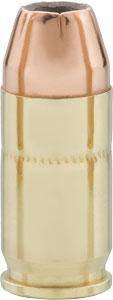
Why bullet design matters more here than in 9mm
In 9mm a hollow point has velocity to spare, so even a mediocre design still opens. But 380 self-defense ammo has no such margin, and the bullet design ends up doing most of the work.
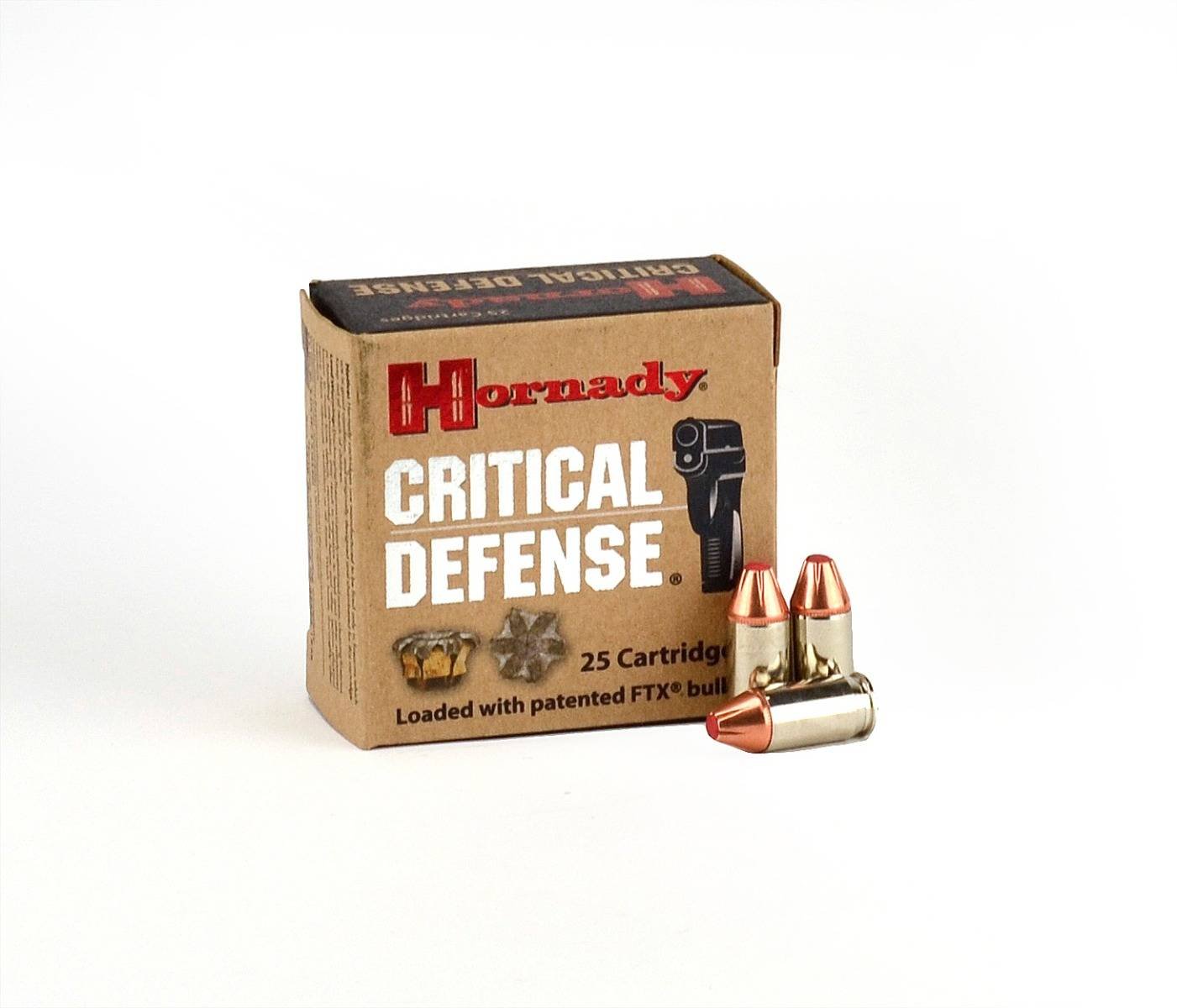
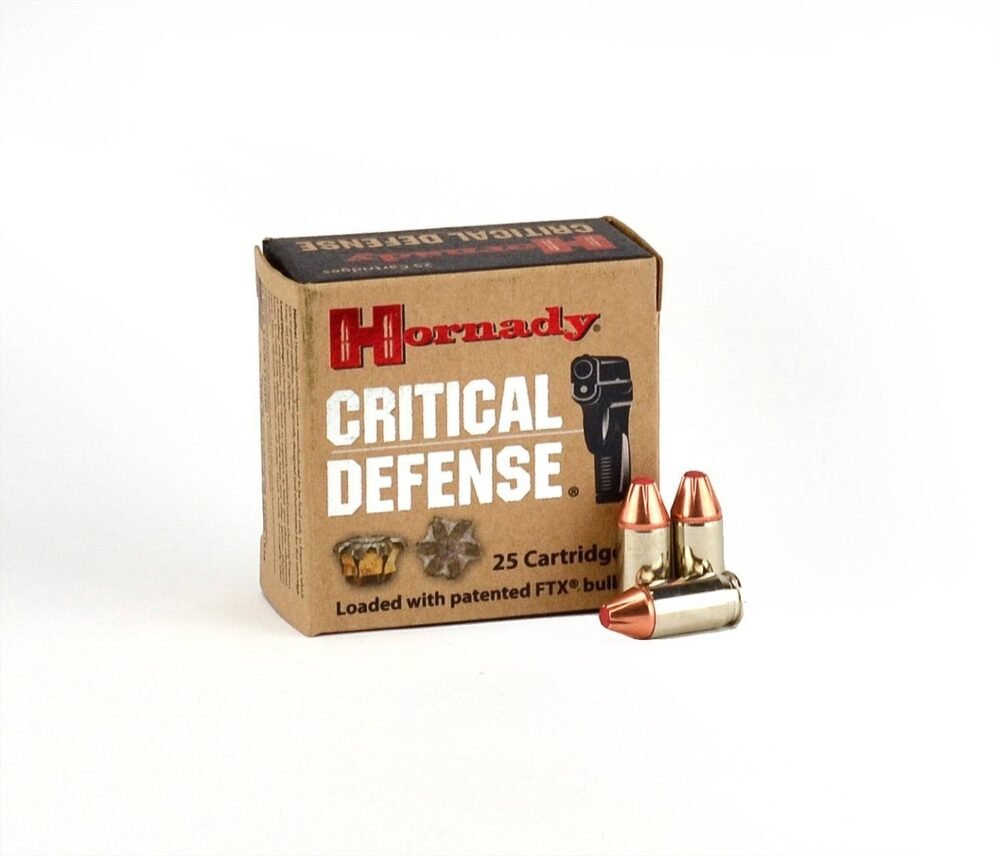
Polymer-tipped bullets such as Hornady’s FTX fill the hollow cavity with a soft plug. Clothing cannot pack the cavity, and the tip drives expansion on impact. This solves the single most common .380 failure.
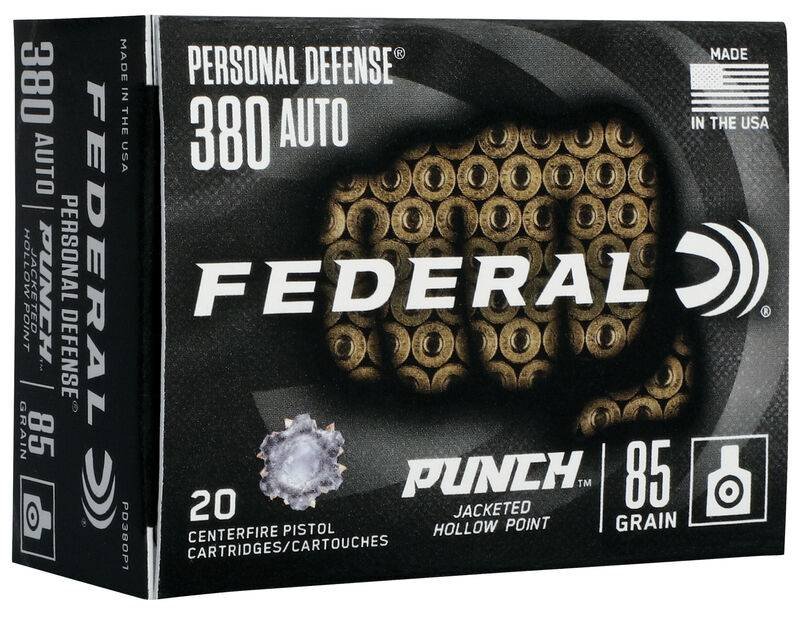
Skived jackets are cut part-way through so the petals open at lower velocity. Federal’s Punch line uses this approach rather than a tip.
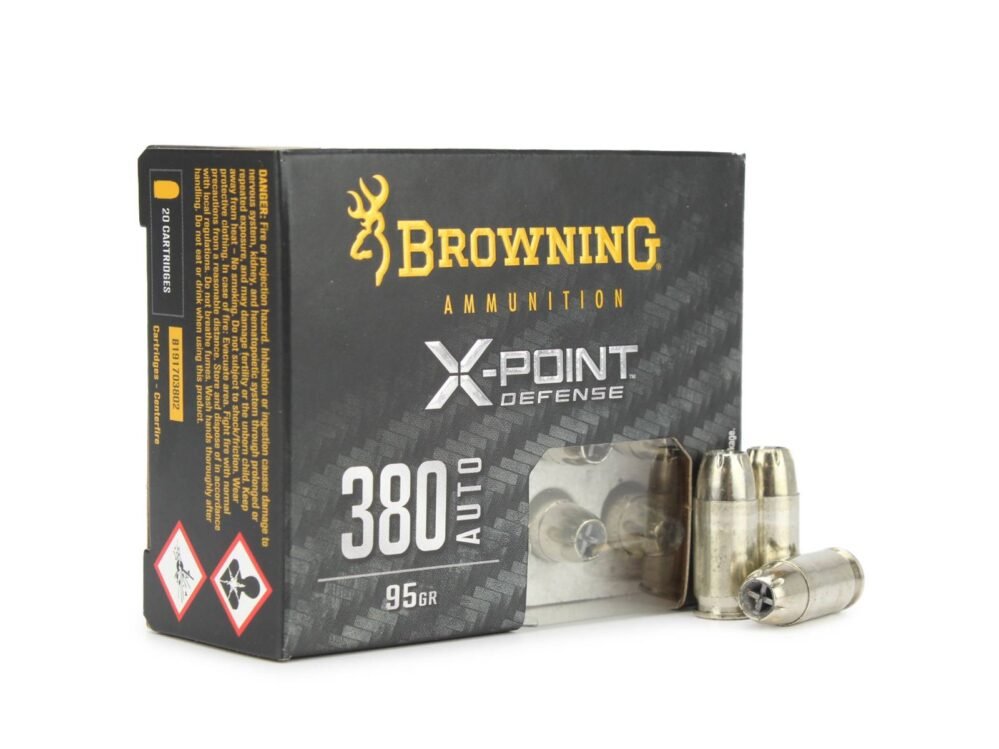
Guarded hollow points such as Browning’s X-Point shield the cavity mouth with a cross-shaped opening, which resists plugging without adding a tip.
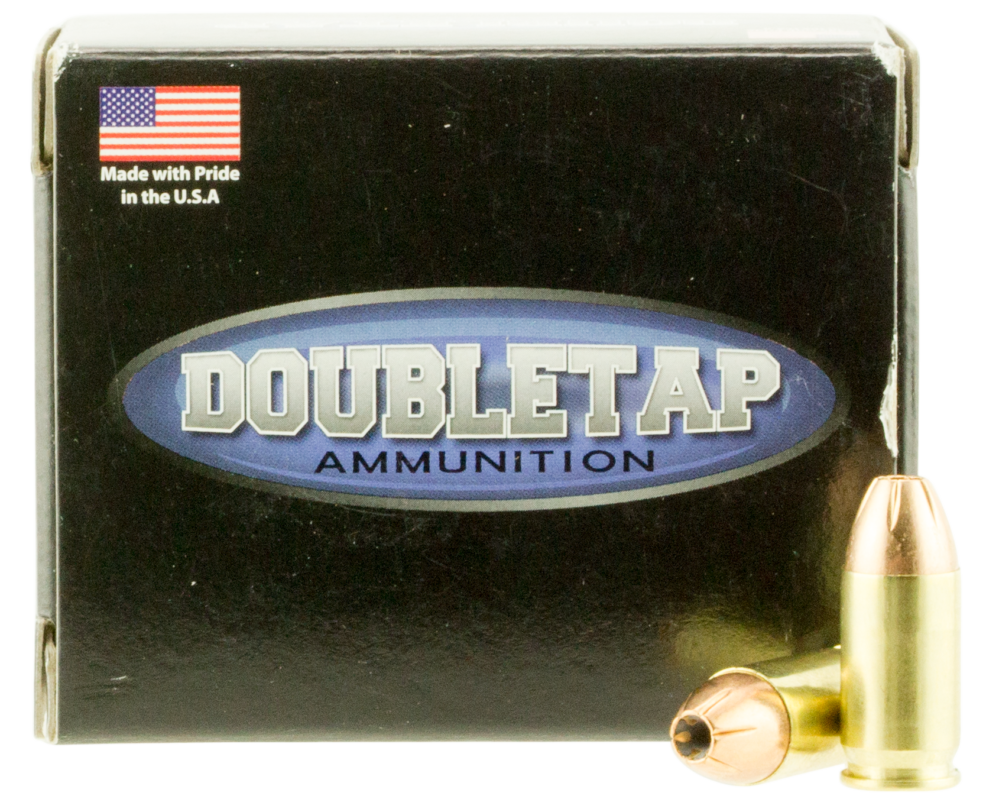
Traditional cup-and-core hollow points are the oldest approach and the most velocity dependent. They work when driven fast enough, but in a 2.7-inch barrel that is not guaranteed.
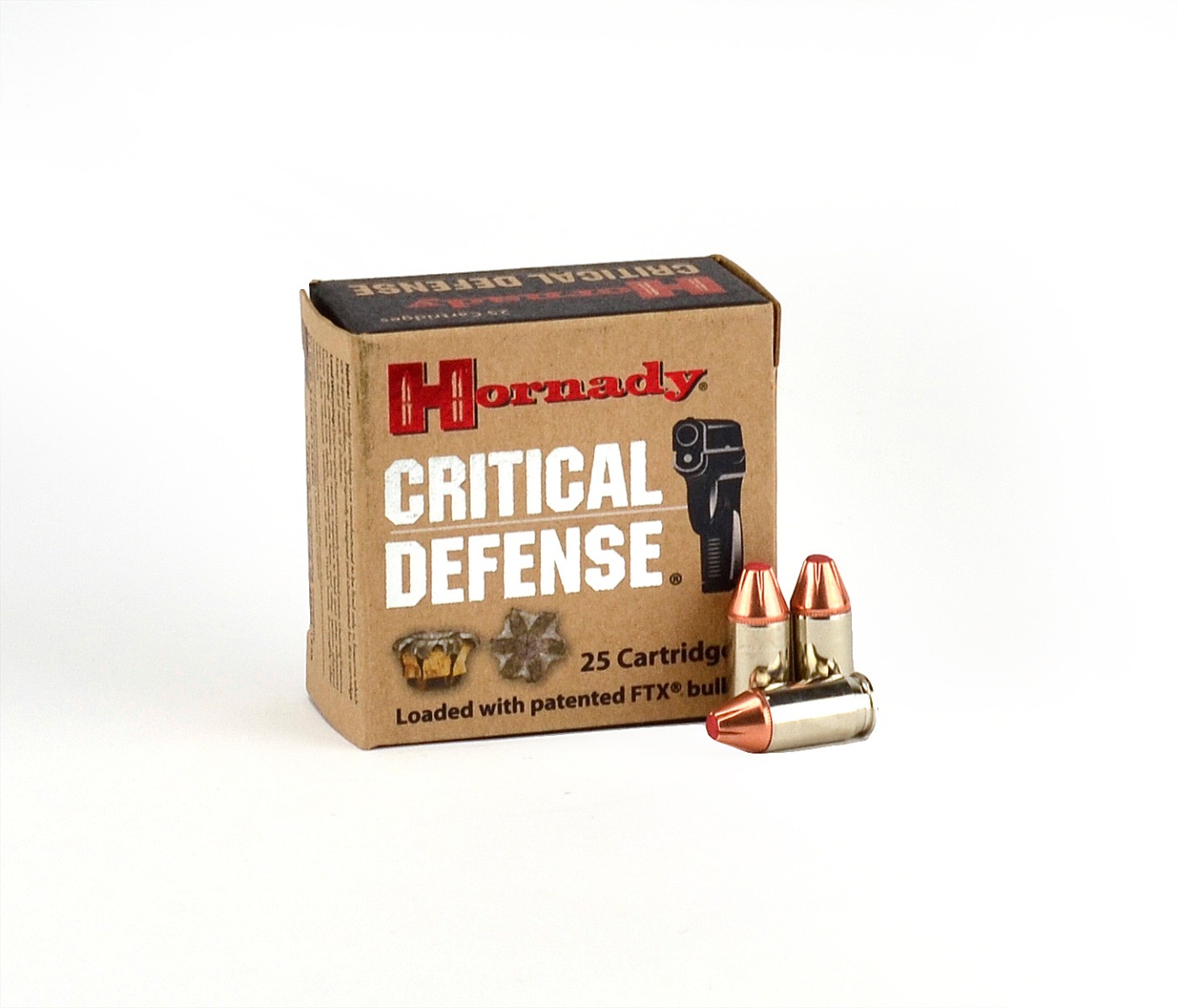


Hornady Critical Defense: the tip earns its place
01
The polymer tip that stops the cavity plugging
Critical Defense exists because plain .380 hollow points fail in a specific, repeatable way: heavy clothing packs the cavity and the bullet sails through like ball ammo. The FTX polymer tip fills that cavity so nothing can pack it, then drives the walls outward on impact.
Hornady also loads it for short barrels rather than test barrels, which matters more in .380 than in any other carry caliber. It is not the cheapest option here and it is the one that fails least predictably.
Browning X-Point: plug resistance without the premium
A guarded cavity mouth at the lowest price of the five
X-Point takes a different route to the same problem. Instead of filling the cavity, Browning guards its mouth with a cross-shaped opening that resists packing while still peeling open.
At 95 grains it is the heaviest bullet in this group, which helps it reach depth when expansion does occur. It is also the cheapest load here by a clear margin, which makes function testing a hundred rounds considerably less painful.
Critical Defense | Federal Punch | Browning X-Point | Doubletap | Corbon | |
|---|---|---|---|---|---|
|
|
|
|
|
| |
| Bullet weight | 90 gr | 85 gr | 95 gr | 95 gr | 90 gr |
| Cavity design | FTX polymer tip | Skived jacket | Guarded X-Point | Cup and core | Cup and core |
| Resists clothing plugging | 1 | 1 | 1 | – | – |
| Best for | Winter layers | Low-velocity expansion | Budget carry | Small pocket pistols | Longer .380 barrels |
| Check price | Check price | Check price | Check price | Check price |
- Penetration first, expansion second
A bullet that expands beautifully to nine inches has failed the test it was set. In .380 the safer default is a design that reaches depth even when the cavity plugs.
Look forPublished gelatin figures at or above twelve inches from a short test barrel.AvoidLoads advertising dramatic expansion with no penetration figure alongside it. - A design that resists plugging
Heavy clothing packs a plain hollow cavity and turns the bullet into ball ammo. Polymer tips, skived jackets and guarded mouths all address this directly.
Look forFTX-style tips, skived jackets, or a guarded cavity mouth.AvoidPlain cup-and-core hollow points if you carry through winter layers. - Reliable feeding in a small pistol
Pocket .380s are the least forgiving guns to feed. Blunt defensive profiles cause more stoppages here than in any other carry caliber.
Look forAt least 100 rounds through your specific pistol with zero stoppages.AvoidAssuming a load that runs in one .380 will run in another.
How to choose 380 self-defense ammo without going in circles
Decide which failure you would rather have. If you carry through heavy clothing, then favor a tipped or guarded design that will not plug. But if you want the shortest path to adequate penetration, a heavier 95 grain load in a plain design gets there more often.
Then buy two boxes of your chosen 380 self-defense ammo and function-test one. In .380 that step matters more than the brand, because small pistols stop for reasons that have nothing to do with terminal ballistics.
For practice ammo that will not punish you, see the .380 range load comparison. If you are weighing +P, read whether +P is safe in your pistol first, because many pocket .380s are not rated for it.
Hornady publishes gelatin figures per load, and Lucky Gunner’s ammo test results remain the most useful independent .380 dataset available.
Frequently asked questions
Is .380 enough for self-defense?
It is adequate with the right load and clearly less capable than 9mm. The honest framing is that .380 buys you a smaller, more carryable pistol at the cost of margin. If you would carry a 9mm just as often, carry the 9mm.
Should I carry FMJ instead of hollow points in .380?
A defensible minority position, and not a foolish one. Ball ammo reliably penetrates and reliably feeds, giving up expansion entirely. If your chosen hollow point cannot document twelve inches from a short barrel, FMJ is a reasonable alternative rather than a compromise.
Does +P help in .380?
Sometimes, and many pocket .380s are not rated for it. The cartridge has no SAAMI +P standard, so pressure varies by manufacturer. Check your pistol’s manual before carrying it, and expect noticeably more recoil in a gun that already has little to absorb it.
How much does barrel length change .380 performance?
More than most people expect. Dropping from a 3.8-inch barrel to 2.7 inches can cost over 100 fps, which is a large share of the total in a cartridge this small. Loads tested only in longer barrels may not expand from a pocket pistol.
Testing your 380 self-defense ammo in a pocket pistol
Small .380s are recoil-heavy and unpleasant to shoot, so the testing step is the one people skip. But skip it and you are carrying an assumption rather than a tested load.
Fire 100 rounds of your chosen 380 self-defense ammo through the pistol and magazines you carry. Include one-handed strings, because a compromised grip is where small pistols fail first. Count every stoppage, and treat one in a hundred as one too many.
If recoil is what stops you practicing, the softer-shooting range loads make the training half of this affordable. Practice ammo and 380 self-defense ammo are different purchases, so budget for both.
Two decisions sit next to this one. If the caliber itself is still open, 9mm versus .380 for concealed carry works through that trade directly. And once a load is chosen, carry ammo rotation covers how often the chambered round has to be retired.
Carry Critical Defense unless price or feeding says otherwise, because it removes the failure mode .380 is most prone to. Take the Browning X-Point if cost matters and you still want plug resistance. And if no hollow point will function reliably in your pistol, ball ammo that feeds beats a hollow point that jams.
Pick your failure, then test it
- Favor designs that cannot plug: a tip, a skived jacket, or a guarded mouth.
- Function-test 100 rounds in your pistol, one-handed strings included.
- If nothing feeds reliably, FMJ that works beats a hollow point that does not.
The .380 argument does not resolve, and any page claiming otherwise is selling something. What you can control is which failure you accept and whether your pistol runs the load you chose. Pick a design that resists plugging, confirm it feeds, and stop reading. The gun you carry every day beats the cartridge you argue about.
Hornady Critical Defense .380 ACP 90 Gr JHP (Box)
Federal Premium Punch Personal Defense 380 ACP 85 Grain JHP (Box)
Browning X-Point Defense 380 ACP 95 Gr JHP (Box)
Doubletap Ammunition Defense 380 ACP 95 Grain JHP 380A95CE (Box)