
A tiny .380 can disappear in a pocket yet still make every practice string feel like work.
By the second magazine, many pocket .380s start showing their downside: a short grip, light frame, and abrupt recoil pulse that make even simple drills feel choppy. In a bigger pistol, small differences between range loads can seem minor. In a hard-to-shoot pocket gun, those same differences often feel magnified.
That is the trap. A pistol that is effortless to carry can become unpleasant to train with, and skipped practice follows fast. Ammo cannot turn a micro .380 into a soft full-size gun, but it can noticeably change the experience. A load with a smoother recoil impulse, cleaner burn, or more consistent cycling can cut down on flinch, keep sights tracking better, and make longer range sessions feel manageable. Sometimes that small drop in frustration is exactly what keeps confidence growing instead of stalling.
- In pocket .380s, minor changes in bullet weight or pressure often feel larger than they do in compact 9mm pistols.
- Cleaner-burning FMJ loads can make extended practice less distracting, especially in tiny guns with minimal grip area.
- Reliable cycling matters more in light pistols because weak-feeling ammo can quickly turn practice into malfunction drills.
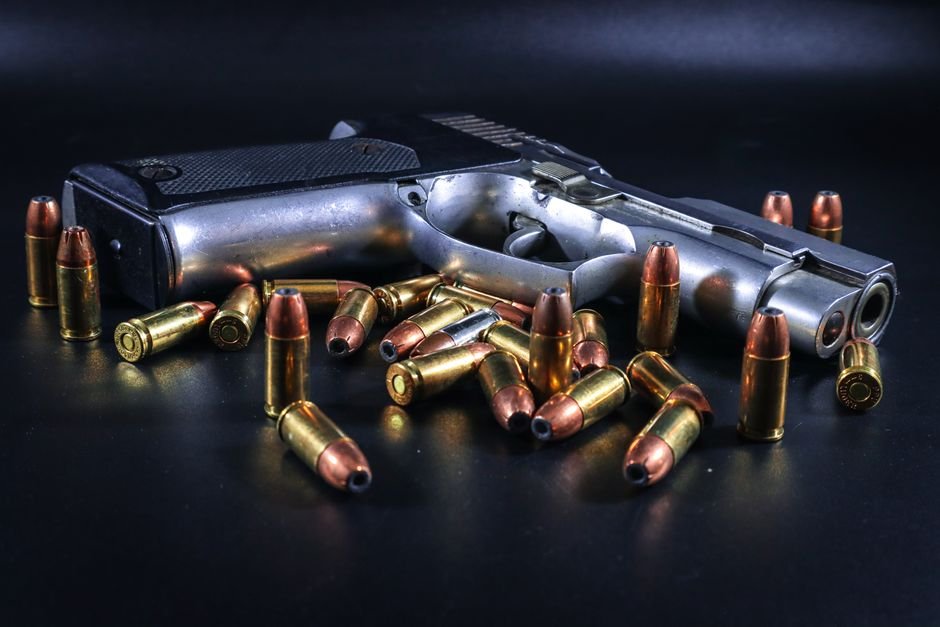
Five FMJ loads that make tiny .380s easier to train with
These are practice-first FMJ loads for hard-to-shoot pocket .380s. The goal is manageable repetition, reliable cycling, and enough consistency to learn the gun without burning out on recoil.
That is a different question from apartment-defense tradeoffs, and it is not a ranking of dedicated defensive loads.
What counts as “best” in a tiny .380
- Recoil that repeats
The softest load is not always the winner. Better practice ammo produces a predictable push that returns the sights the same way shot after shot.
Look forA smooth, consistent impulse that does not surprise the shooter.AvoidSnappy, abrupt recoil that changes cadence and sight recovery. - Reliable cycling
Pocket pistols have short slides, light mass, and little margin for weak springs or rough timing. Ammunition has to run the gun without feeling overdriven.
Look forStable ejection and lockup with no hesitation across full magazines.AvoidLoads that feel sluggish, erratic, or excessively violent in the slide. - Feed friendliness
Round-nose FMJ usually gives the easiest path up steep micro-pistol feed ramps. Overall consistency matters as much as raw power.
Look forUniform FMJ profiles and clean chambering from slide-forward reloads.AvoidBullet shapes or dimensions that make tiny pistols nose-dive or hang up. - Session endurance
A useful range load allows meaningful repetition before the hands tire. Cost matters because shootability only improves when the round count does too.
Look forManageable fatigue and broad availability for regular practice.AvoidAmmo so punishing or scarce that repetition drops off.
In featherweight pistols, hotter ammunition can increase sharpness, muzzle rise, and anticipatory flinch instead of improving control. That is why +P-style thinking for small pistols does not automatically translate into better practice results in .380.
How shootability was weighed
The emphasis stayed on ammo that helps a tiny pistol stay controllable over real practice strings, not on chasing the hottest spec sheet.
Priority went to loads that let the pistol settle quickly, with less hand slap and less disruption to grip.
Preference went to rounds that feed cleanly and cycle with consistent slide speed in short, light platforms.
Scores favored loads that are comfortable and common enough to support regular range sessions rather than occasional boxes.
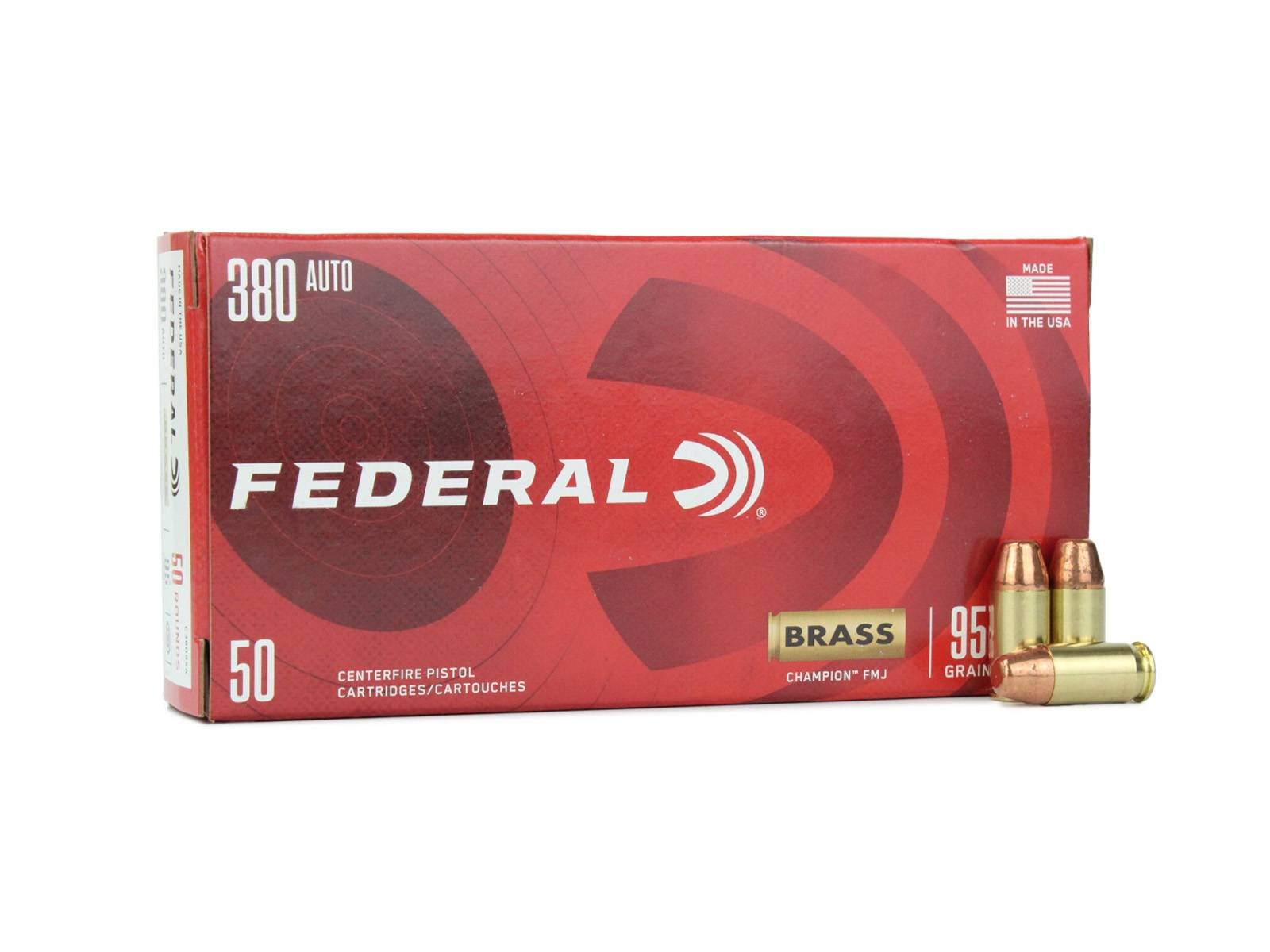
Federal Champion 95gr FMJ — the safe middle-ground pick
01
Reliable, budget-friendly practice rounds
Federal Champion 95-grain FMJ is the kind of load that tends to work across a wide spread of pocket .380s without making any one trait extreme. Its standard-weight bullet and moderate advertised velocity give tiny pistols a neutral, familiar feel: not soft to the point of sluggish cycling, not sharp enough to turn short practice sessions into punishment. For small guns that are already hard to hold and harder to shoot well, that balance is often exactly what keeps range time productive.
- Broad compatibility in pocket .380s
- Balanced recoil impulse
- Consistent practice feel
- Common 95gr FMJ profile
- Not the softest-shooting option
- Basic training load, not premium
- Pocket pistols still feel lively
Quick take Federal is the safest blind pick because it rarely feels extreme in tiny pistols. That moderation usually means more reliable function and less fatigue over a full practice session.
When a pocket pistol is picky, harsh, or simply unpleasant, the most useful answer is often the least dramatic one. Federal Champion lands in that middle lane with a recoil character that stays manageable while still giving many small .380s enough energy to run consistently.
That broad compatibility makes it the easiest recommendation for most hard-to-shoot pocket guns, especially when the goal is steady repetition rather than chasing the softest or hottest load.
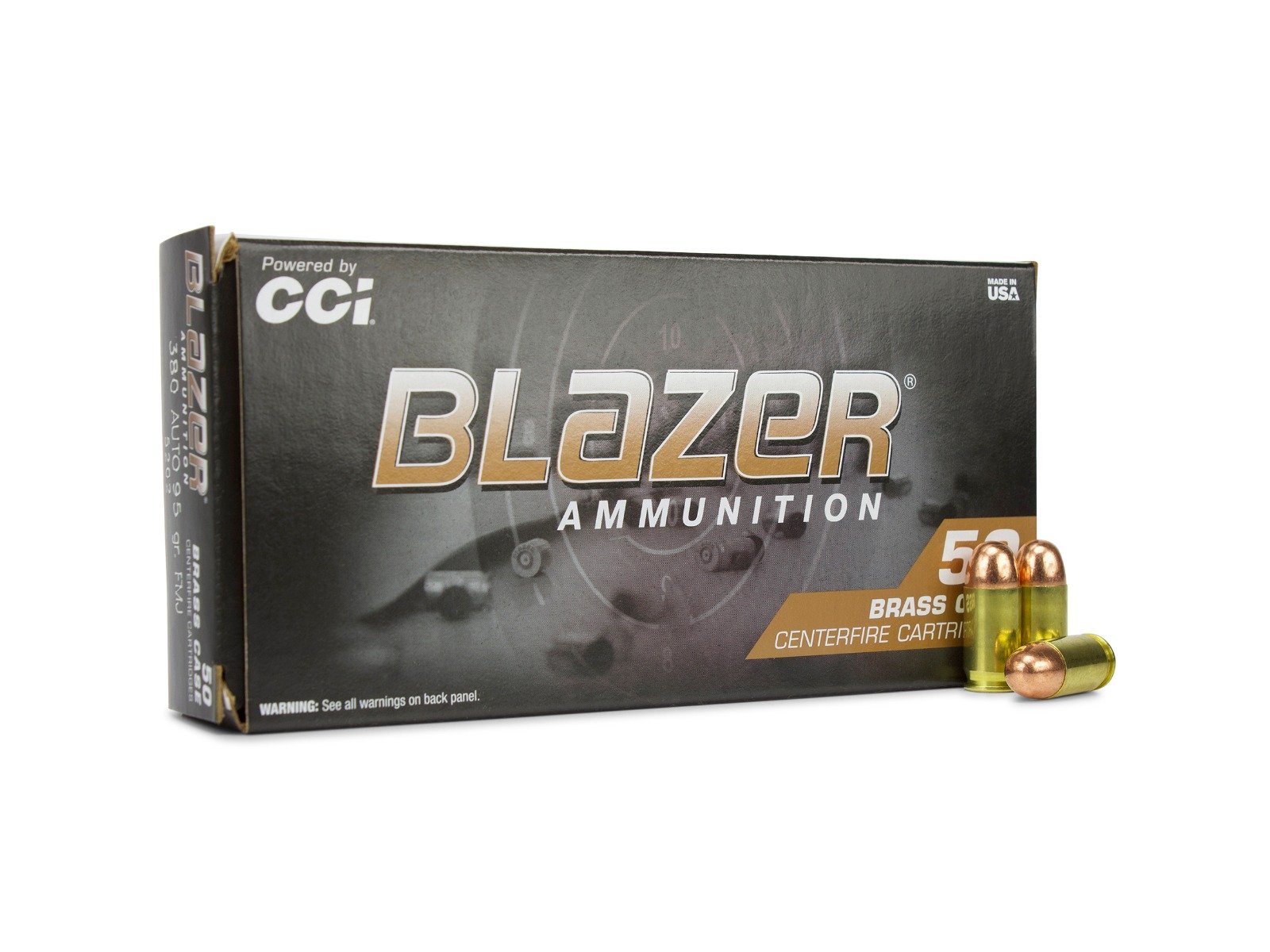
CCI Blazer Brass 95gr FMJ — the high-volume value pick
Brass-cased reliability for training
Blazer Brass fits the role that matters most with hard-kicking pocket .380s: making enough repetition possible to actually improve control. This brass-cased 95-grain FMJ load suits shooters trying to turn a small, unpleasant pistol into a familiar one through steady range time, not occasional magazines. It sits in the practical middle ground between bare-minimum bargain ammo and pricier training loads.
- Lower cost supports larger practice volume
- Brass case appeals to reload-minded shooters
- 95-grain FMJ matches common training norms
- Some pistols run noticeably dirtier
- Can feel less refined than premium range loads
- Not for ported barrels or ported compensators
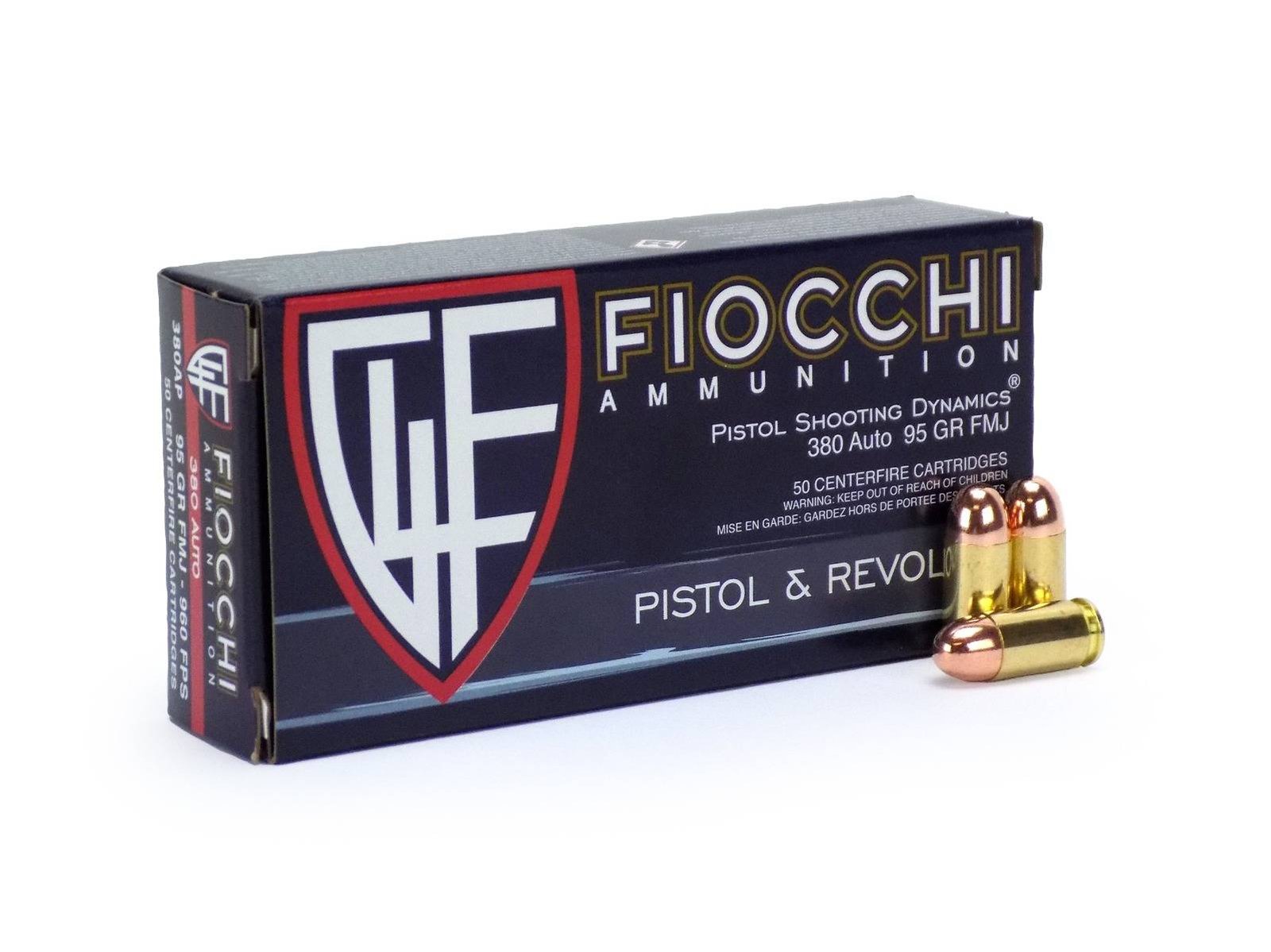
Fiocchi .380 ACP 95 Grain FMJ — Reloadable brass, steady function
Reloadable brass with dependable performance
Fiocchi’s 95-grain FMJ suits shooters who want usable brass, consistent range behavior, and a practice load that tends to run with little drama. The draw is not merely keeping empty cases; it is getting brass worth saving while maintaining a fairly uniform feel from box to box.
In many pocket .380s, this load can come across as a touch brisker than the softest training ammo. That extra snap is not the whole story, but it can be a helpful match for compact pistols that seem to prefer a bit more slide energy.
- Reloadable brass adds real value for shooters who keep and reuse cases.
- Box-to-box consistency supports a predictable practice rhythm.
- Slightly livelier impulse can help some pocket pistols cycle cleanly.
- Not the softest-feeling FMJ in very light .380s.
- Brass value matters less to shooters who never save cases.
Bulk-practice pick: US Cartridge 100gr FMJ
High-volume pack for frequent shooters
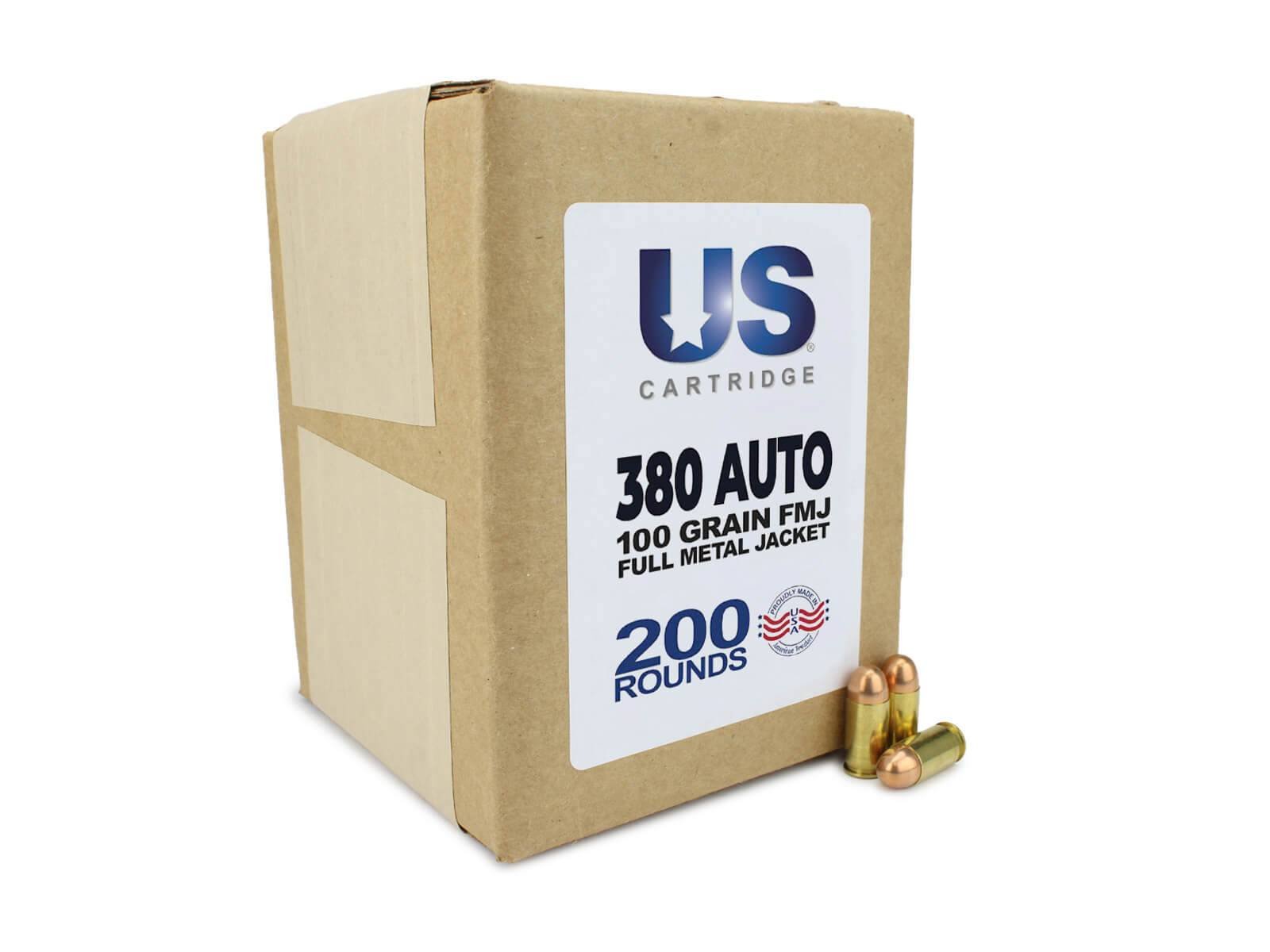
US Cartridge’s 200-round pack fits the shooter who needs enough repetitions to smooth out a snappy pocket .380, confirm function during break-in, and keep drill work uninterrupted. The 100-grain FMJ sits a little heavier than the common 95-grain practice standard, which can change the pistol’s recoil timing: often more of a push than a sharp snap, but not always a softer overall feel in very light blowback-style guns. That also means training impressions may not transfer perfectly to other .380 loads; point of impact and slide behavior can shift slightly when the pistol goes back to lighter FMJ or defensive ammo.
- 200-round continuity
- Heavier 100gr impulse
- Useful for break-in
- Feel differs from 95gr
- POI may shift
- Less like carry ammo
Premium subsonic target FMJ
Subsonic option from a classic brand
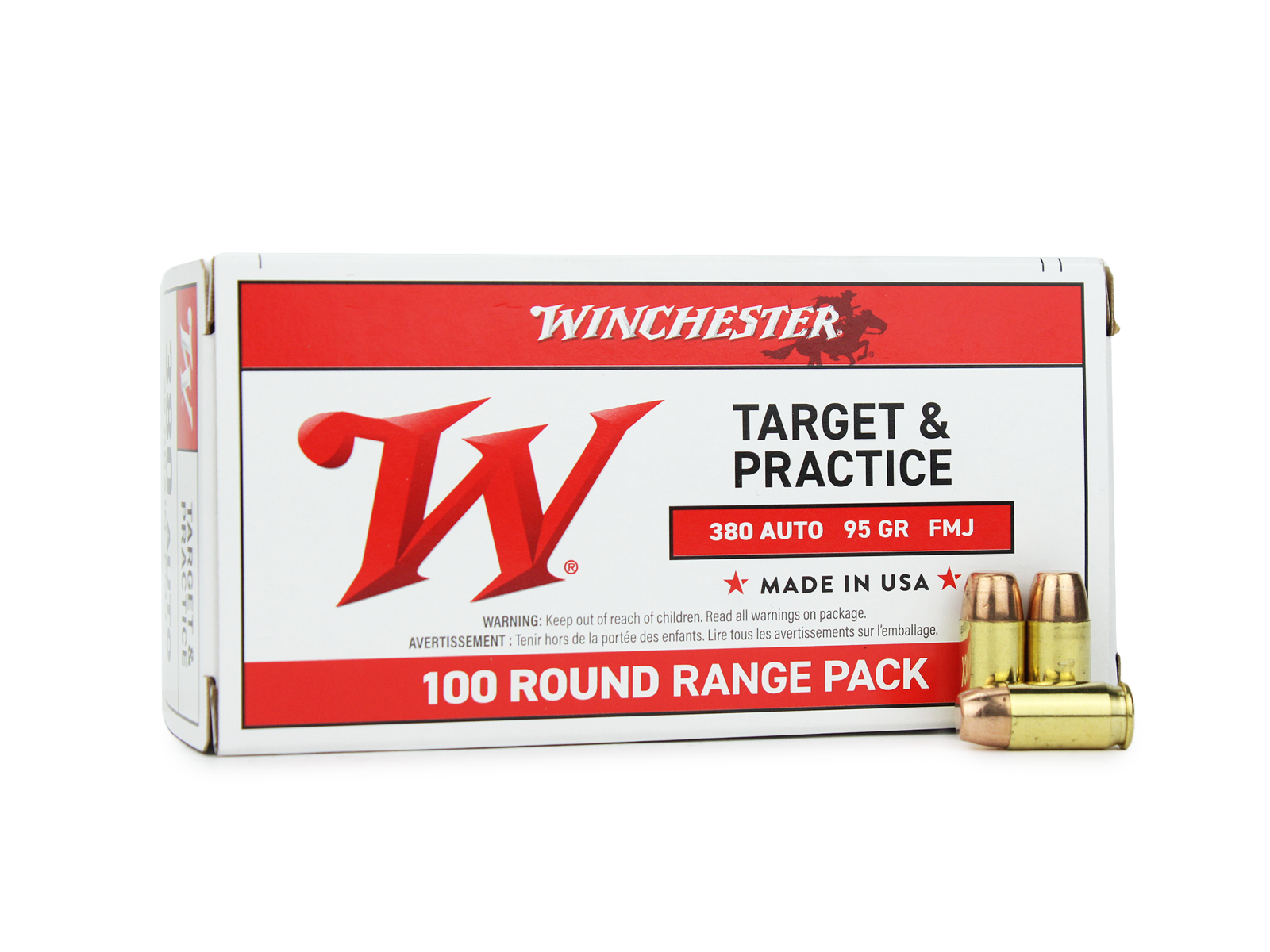
Winchester’s 95-grain subsonic FMJ is the polished-range option for shooters who want a pocket .380 to seem a bit less abrupt. It suits pistols that already run standard 95-grain ball well, where the goal is a calmer, more civilized practice load rather than a different class of performance.
- Less crack and blast than hotter ball
- 95-grain FMJ mirrors common training geometry
- Can feel more civilized indoors
- Sharp recoil is still mostly pistol-driven
- Some very small guns prefer livelier ammo
- Extra cost buys refinement, not transformation
In a hard-shooting pocket .380, this load’s main benefit is manners: a softer acoustic signature and a slightly less harsh overall impression. What it cannot do is override the physics of a tiny handgun. When the pistol is the source of the snap, subsonic ammo only trims the edges.
Does a heavier .380 bullet automatically feel softer in a pocket pistol?
Not usually. In very small .380s, a 100-grain FMJ like US Cartridge often feels more like a longer shove, while 95-grain loads tend to track closer to the pistol’s normal rhythm and point of impact.
Does subsonic .380 really make a hard-to-shoot pistol easier to control?
Sometimes, but mostly through reduced blast rather than a dramatic recoil drop. Winchester’s 95-grain subsonic FMJ can feel calmer and less sharp indoors, yet the tiny gun’s light weight still does most of the talking.
How closely should practice FMJ match carry ammo?
Closer is better, especially in bullet weight and recoil timing. Federal Champion, CCI Blazer Brass, and Fiocchi 95-grain FMJ are the best stand-ins for the many defensive .380 loads that live in the 90- to 99-grain range.
Which load fits which shooter best?
Federal Champion suits the widest range of shooters and pistols; Blazer Brass fits high-volume practice; Fiocchi suits pistols that like a slightly brisker cycle; US Cartridge fits break-in and long range days; Winchester Subsonic fits shooters chasing lower blast and a smoother range experience.
-
Pick two or three finalists
A smart first matchup is Federal Champion against CCI Blazer Brass, with Winchester Subsonic added if lower blast is a priority. Fiocchi fits the same test well when reloadable brass matters.
-
Run equal round counts from a clean pistol
Shoot 40 to 60 rounds of each load in alternating strings, not one full box at a time. Early impressions can flatter a load that becomes unpleasant once hands tire.
-
Watch the gun, not just the target
Note stoppages, weak ejection, erratic brass scatter, and whether the slide feels fully authoritative. Tiny .380s often reveal ammo differences through cycling consistency before accuracy changes much.
-
Finish with a fatigue check
End with two fast magazines per load and compare muzzle return, grip disruption, and willingness to keep shooting. The practical winner is the one that still feels manageable late in the session.
- Federal Champion is the safest all-around benchmark.
- Blazer Brass best supports cheap volume practice.
- Winchester Subsonic suits shooters most bothered by blast.
Federal Champion 95gr FMJ remains the best final answer for most pocket pistols because it usually balances comfort, function, and familiar 95-grain behavior. CCI Blazer Brass makes the strongest case for high-volume training, while Winchester Subsonic earns its place when reduced report and a more polished feel matter most.
Fiocchi 95gr FMJ is the smart specialty pick for reloaders, and US Cartridge 100gr FMJ works well for long range days or break-in. In a hard-kicking pocket .380, the real winner is the load that keeps practice tolerable enough to happen regularly.
CCI Blazer Brass 380 ACP 95 Grain FMJ (Box)
Fiocchi .380 ACP 95 Grain FMJ (Box)
Federal Champion .380 ACP 95 Gr FMJ (Box)
Winchester .380 ACP Subsonic 95 Gr FMJ (Box)

14 Comments
Maybe I’m being picky, but I wish you’d said a little more about the Winchester subsonic pick beyond “more polished, lower blast.” It always gets marketed like some magic soft-shooting answer, and in my experience the gun still slaps your hand either way.
Not saying you’re wrong — actually I think your conclusion was honest — I just wanted more side-by-side detail on whether the reduced blast was enough to matter over a 100-round session.
For a strict budget pick, are you basically saying Blazer Brass unless you find that 200ct US Cartridge pack cheaper per round?
I’m trying to pick one load for break-in plus weekly practice, not build a museum collection of slightly different FMJs 😂
The US Cartridge 100gr mention was interesting because hardly anyone talks about 100gr FMJ in .380.
Did you notice point-of-impact shifts enough to matter at normal pocket-pistol distances, like 7 yards and in? I get that at 20+ yards it might show up more, but most people aren’t bullseye shooting these things.
Good breakdown overall, but I’m surprised PMC Bronze didn’t make the list. In my LCP it feels softer than Blazer Brass, or at least less snappy by the end of a range trip.
Was it left out because of availability, or did it just not do anything special compared with the five you picked?
Mostly availability and role overlap. PMC Bronze can be a perfectly solid practice load, but in this article I tried to keep the list to loads that are widely encountered and that each filled a distinct niche: middle-ground, value brass, reloadable brass, bulk practice, and premium subsonic.
If PMC is easy to get in your area and your pistol likes it, I’d absolutely put it in the “worth buying again” category.
Same here. My P238 weirdly prefers PMC over Federal, so a lot of this really does come down to the individual gun.
Federal Champion being the “safe middle-ground pick” sounds about right. It’s not exciting, but boring/reliable is kind of what I want for practice ammo in a hard-to-shoot pocket gun.
Why no mention of Magtech 95gr FMJ? That’s usually the cheapest brass-case stuff near me, and it has been more consistent than Blazer in my little Ruger.
Not knocking the list, just curious how you decided between all the “basically standard 95gr FMJ” options.
Fair question. Magtech was one of the loads that could have made the cut, but once I narrowed the article down, I leaned toward options that illustrated slightly different practice roles rather than stacking too many similar 95gr FMJ picks.
If Magtech is your local value winner and it feeds cleanly in your pistol, there’s no reason to avoid it. The article’s bigger point is that a reliable, repeatable training load matters more than chasing a tiny paper-spec difference.
Magtech has been decent for me too, although it runs dirtier than Fiocchi in my Bodyguard. Price is usually what keeps me buying it.
Appreciated that you separated “lower blast” from “lower recoil.” A lot of people act like subsonic .380 totally changes a pocket pistol, and… not really lol. Tiny guns are still tiny guns.
I was actually hoping to see at least one steel-case option for people who just want the absolute cheapest range ammo. Is that off the table because of reliability concerns, or just because reloadable brass was part of your criteria?
Pocket .380 practice gets expensive fast, especially if you’re trying to do enough reps to tame the recoil.
A bit of both. I focused on brass-case loads because this article was specifically about sustainable practice in tiny .380s, and that means smoother feeding, cleaner function, and fewer variables when the pistols are already picky.
Steel-case can work in some guns, but these little .380s often magnify small differences. If your priority is minimizing frustration during practice, brass usually gives you a better starting point even if it costs a little more.
Yeah, my TCP hated steel-case. Savings disappeared real quick once every mag had a hiccup 😅