Modern ammunition does not go bad on a shelf. The round in your chamber is a different case.
Most advice on this treats it as a shelf-life question, and that is the wrong frame. Sealed, dry ammunition stays good for decades. The round you chamber and unload repeatedly is the one at risk, because each cycle drives the bullet a little deeper into the case.
Deeper seating means less internal volume, and less volume means higher pressure. That is a real hazard, and it is why the chambered round has its own schedule.
- Mark the chambered round and retire it after three or four chambering cycles.
- Replace the full magazine annually, or after heavy sweat or solvent exposure.
- Fire the retired rounds rather than saving them, since that is the only real function test.
Why carry ammo rotation is about setback, not age
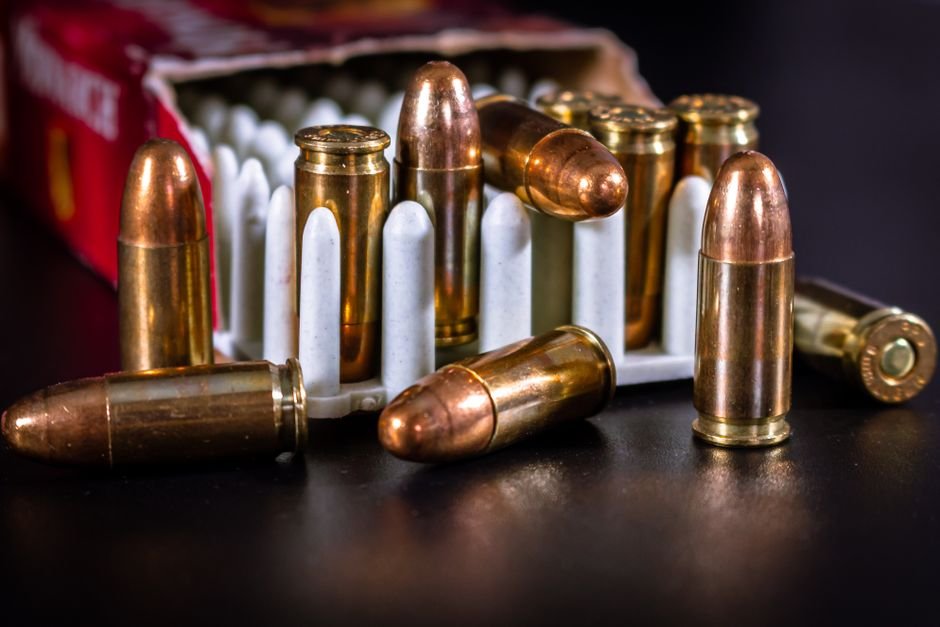
A carry ammo rotation schedule exists because of one mechanical problem. Every time you chamber a round, the bullet slams into the feed ramp and can move deeper into the case.
That movement is small and it accumulates. A tenth of an inch of setback in a 9mm can raise chamber pressure sharply, because the powder now has less room to burn in.
So the round you keep chambering is not aging. It is being progressively reshaped into something the load data no longer describes. The shelf-life question is separate and covered in whether self-defense ammo expires.
The load you are rotating matters as much as the schedule. Five 9mm self-defense picks for short-barrel carry covers what to put in the gun in the first place.
What a year of rotation actually costs
A carry ammo rotation schedule that works
Mark the chambered round with a permanent marker the first time you load the gun. Then you can see at a glance whether it is the same round going back in.
Retire it after three or four chambering cycles rather than counting months. If you unload nightly, that arrives in a week. But if you rarely unload, the same round can stay for a year without concern.
Replace the whole magazine annually regardless. Rounds carried against the body collect sweat, and holstered guns collect solvent and oil, both of which can reach the primer over time.
So a workable carry ammo rotation is two rules rather than a calendar. Retire the chambered round on cycles, and refresh the magazine once a year.
Buy the same load every time
01
One box replaces a year of chambered rounds
The point of a rotation schedule is that nothing about your carry setup changes when you follow it. Buying the same load each year means you never have to function-test a new one, and your point of impact stays where you confirmed it.
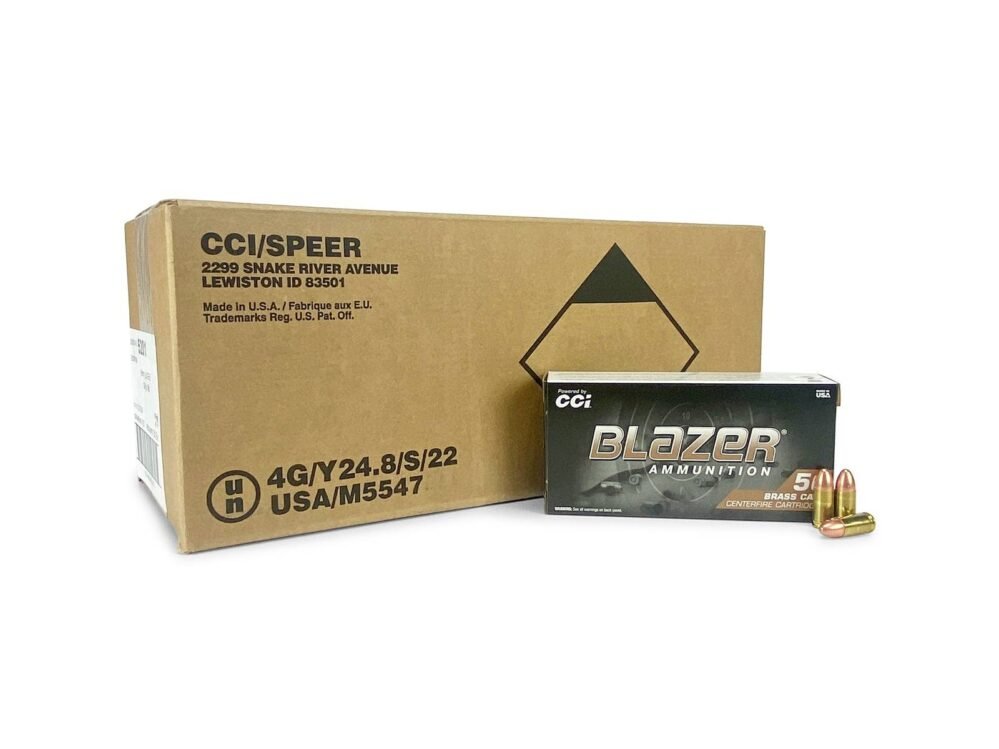
A fifty-round box covers a magazine, a spare, and the rounds you retire along the way. That is roughly a year of rotation for most people, and it is the cheapest part of carrying a gun.
Practice ammo that matches what you carry
Same weight as the carry load, a fraction of the price
Retired defensive rounds should be fired, not stored in a drawer, and that only works if you are already going to the range. Matching the 124 grain weight of your carry load keeps recoil and point of impact close.
Practicing with 115 grain FMJ while carrying 147 grain hollow points trains you on a slightly different gun. The fix costs nothing beyond paying attention to the number on the box.
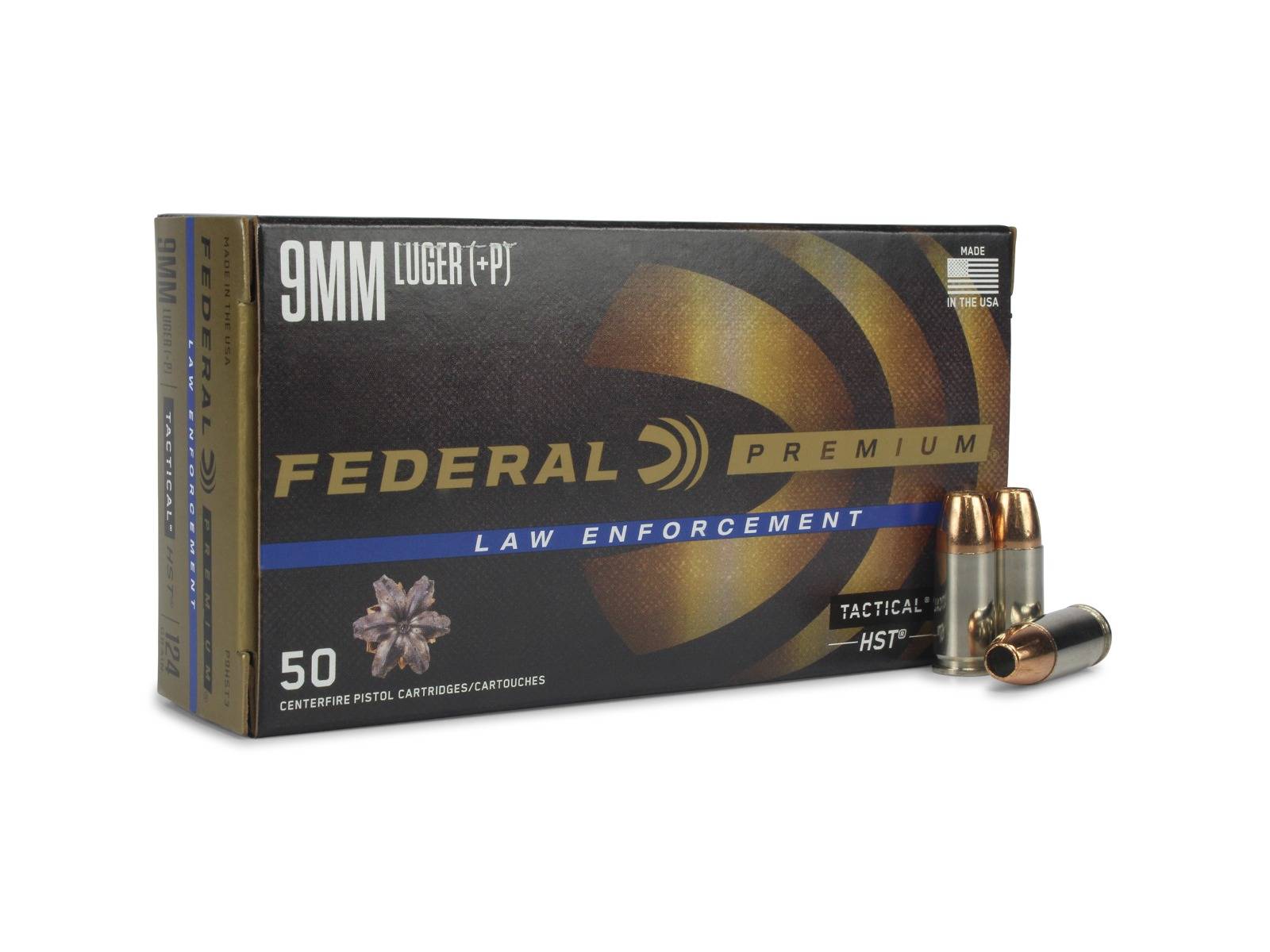
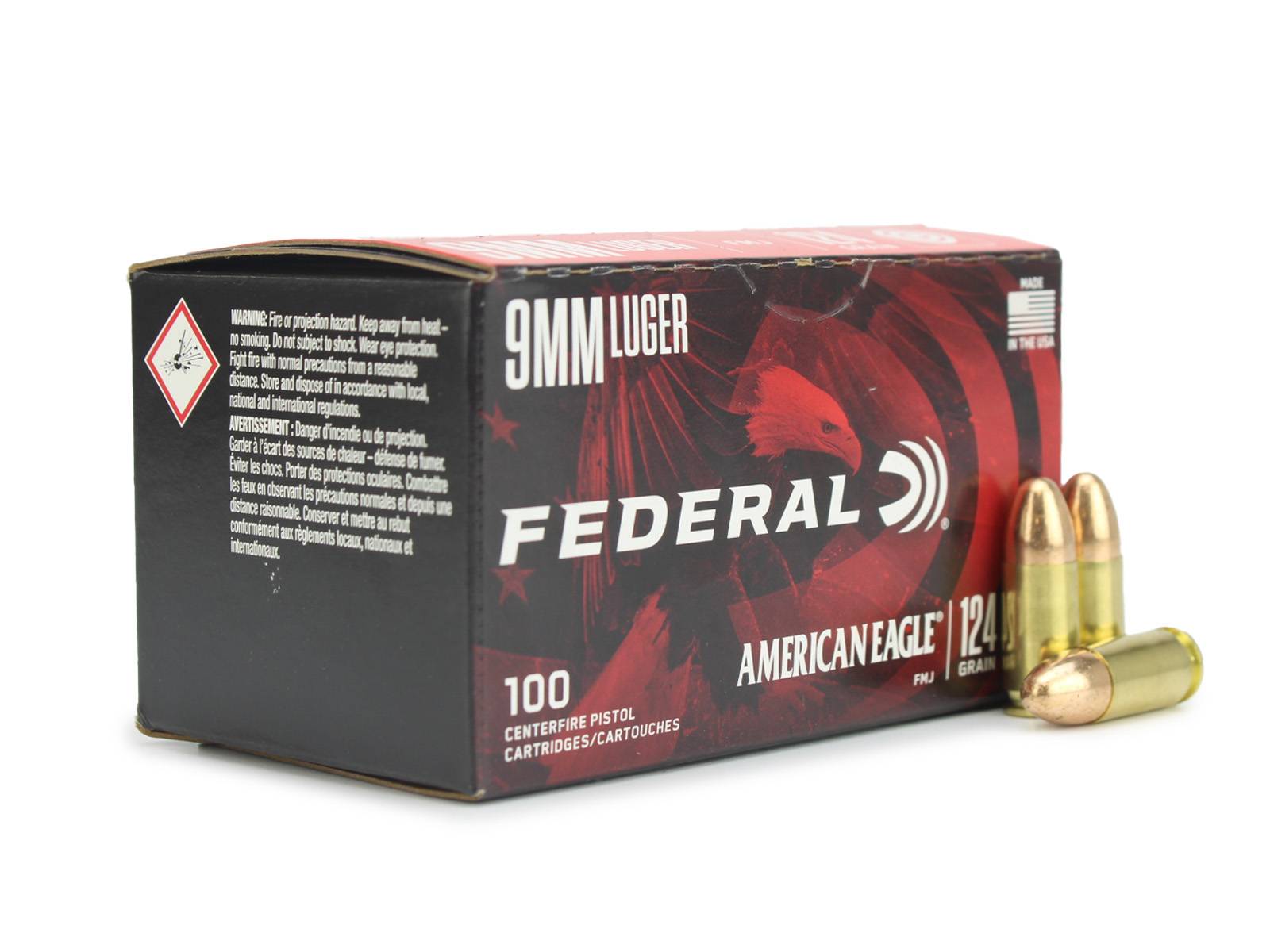
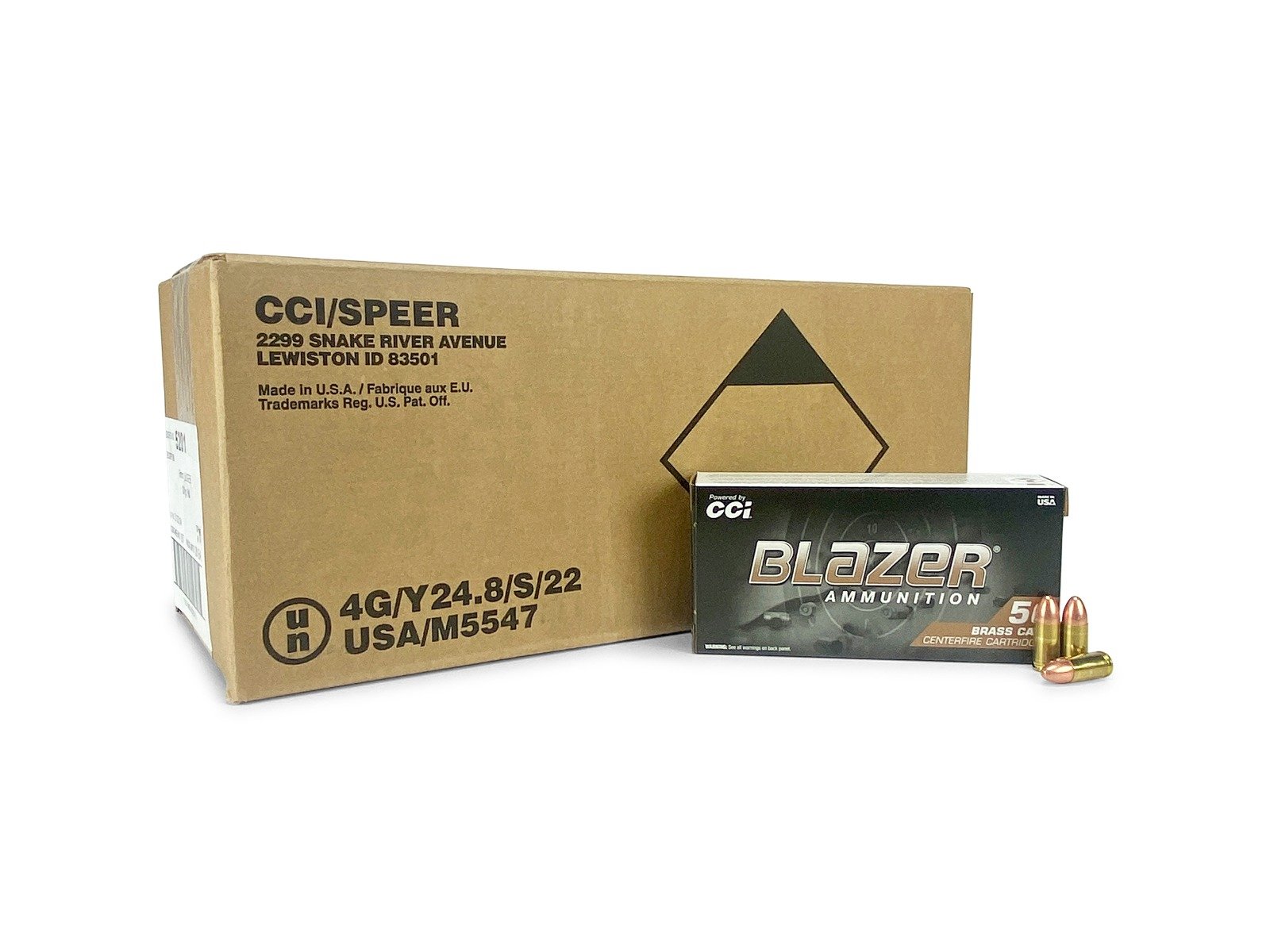
HST 124 +P | American Eagle 124 | Blazer Brass case | |
|---|---|---|---|
|
|
|
| |
| Role | Carry | Matched practice | Volume practice |
| Bullet weight | 124 gr | 124 gr | 124 gr |
| Rounds | 50 | 100 | 1,000 |
| Replace how often | Annually | Every range trip | Once a year |
| Check price | Check price | Check price |
- Track cycles, not dates
Setback comes from chambering, so a round chambered twice a week ages far faster than one left alone. A calendar reminder measures the wrong variable.
Look forA marked round you can identify on sight.AvoidRe-chambering the same round indefinitely because it still looks fine. - Inspect before you re-chamber
Compare the marked round against a fresh one from the box. Any visible difference in overall length means it is done.
Look forConsistent case mouth and bullet seating depth against a new round.AvoidJudging by feel or by how many times you think you have loaded it. - Keep the weight consistent
Point of impact and recoil both shift with bullet weight. Matching your practice ammo to your carry load removes a variable you cannot see under stress.
Look forPractice FMJ in the same grain weight as your defensive load.AvoidBuying whichever practice ammo is cheapest that week.
What to do with the rounds you retire
Fire them. A retired defensive round is a free function test, and it is the only way to confirm that the load still feeds in the gun and magazines you actually carry.
Do not save them in a drawer or hand them off. Setback raises pressure, and a round you have retired for that reason should not go back into any gun as carry ammunition.
Shooting them also tells you something useful, since defensive loads recoil differently from practice ammo. Most people have fired very few rounds of what they carry, which is worth fixing. The testing standard is covered in how much self-defense ammo to test first, and Federal's own Personal Defense HST line lists the figures your load is supposed to hit.
Frequently asked questions
How many times can I chamber the same round?
Three or four is a reasonable ceiling, and the honest answer is that it varies by pistol and load. Feed ramp geometry and bullet profile both change how hard the round hits on the way in. Measure against a fresh round rather than trusting a number.
Does carry ammunition actually expire?
Not in any practical sense when stored dry and sealed. Ammunition from the 1950s routinely still fires. What degrades is ammunition exposed to sweat, oil, solvent or wide temperature swings, which describes a carried magazine rather than a box on a shelf.
Do revolvers need the same rotation schedule?
No, and that is one of their quiet advantages. Revolver rounds are never chambered against a feed ramp, so setback does not occur. Replace them annually for exposure reasons alone.
Can I measure setback at home?
Yes, with calipers and a fresh round from the same box. Compare overall length. A difference you can measure is a round to retire, and a difference you can see without calipers is one to retire immediately.
What a carry ammo rotation habit will not fix
A fresh round does not make an untested load reliable. If you have never fired a hundred rounds of what you carry, that is the larger gap.
Nor does it help a magazine spring left compressed for years, or a holster that has worn loose. Both fail more quietly than ammunition does.
So pair the schedule with the rest of the maintenance. FMJ versus hollow point covers the practice-load half, and how long ammunition lasts in storage covers the boxes on your shelf.
If the load itself is still unsettled, HST versus Gold Dot versus Critical Duty compares the three most commonly carried options.
Mark the chambered round, retire it after three or four cycles, and replace the magazine once a year. Then fire what you take out. One fifty-round box covers a year of this for most people, which makes it the cheapest maintenance item on the gun.
Cycles, not calendars
- Setback from repeated chambering is the real hazard, not age.
- Mark the chambered round so you can tell when it has been reloaded too often.
- Fire retired rounds rather than storing them, and buy the same load every time.
Carry ammunition does not spoil, so the calendar is the wrong tool. What wears out is the one round you keep chambering, and it wears out on a schedule set by how often you unload rather than by the date. Mark it, retire it on cycles, refresh the magazine annually, and shoot what comes out of the gun. The whole habit costs one box of ammunition a year.
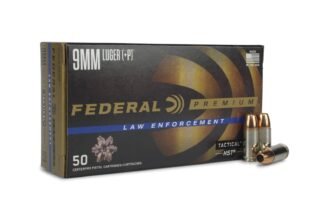
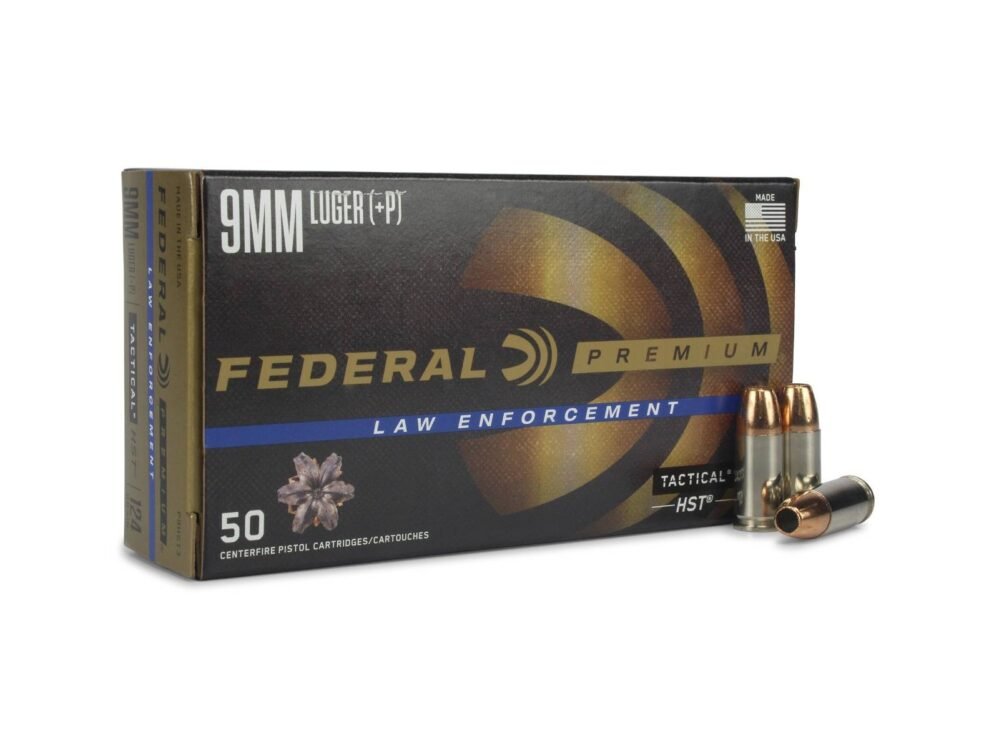
Federal Premium HST 9mm 124 Gr +P JHP (Box)
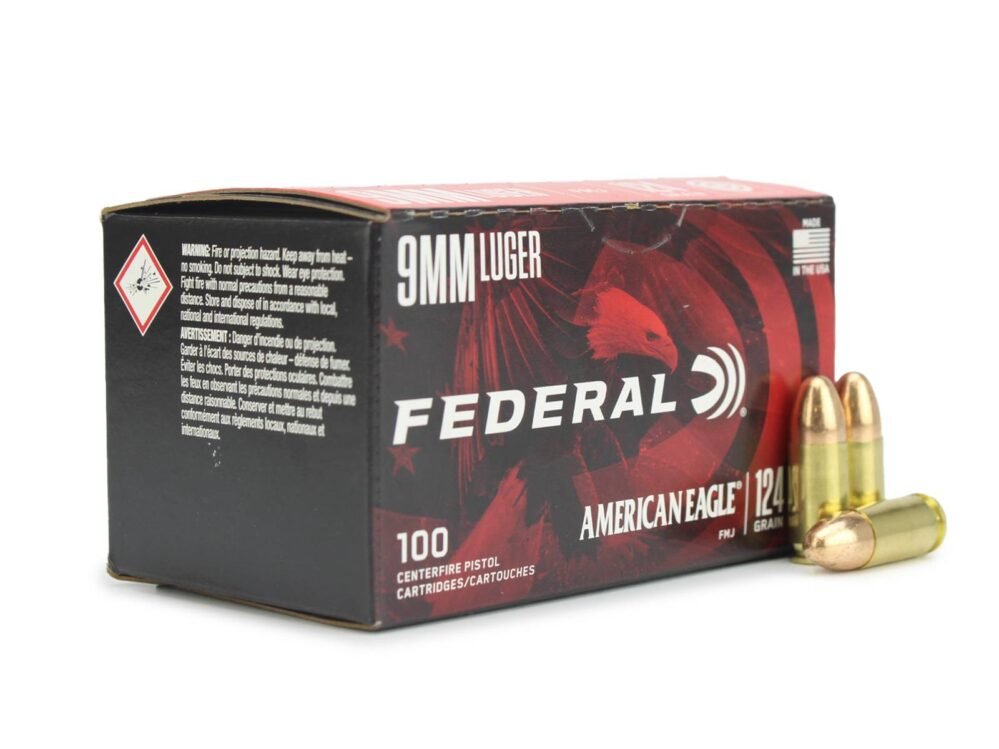
Federal American Eagle 9mm 124 Gr FMJ 100 Rounds (Box)