

A clean first magazine is a useful signal—not a verdict.
A pistol may run hundreds of practice FMJ rounds without complaint, then hesitate on a defensive hollow point because its bullet profile, overall cartridge geometry, or case friction changes how it feeds. That possibility is why a single flawless magazine is encouraging but statistically thin: it samples only one loading cycle, one magazine, one grip, and one set of conditions.
Reliability is not merely whether a round fires. It includes feeding from a full magazine, chambering as the magazine empties, extraction, ejection, slide lock, and consistent point of impact. Defensive loads also tend to be fired less often because they are reserved for carry, making each observed malfunction—or clean cycle—more meaningful. Confidence grows from repeated, uneventful function with the specific cartridge and magazines intended for carry, rather than from the pistol’s general reputation or its performance with inexpensive range ammunition.
Build confidence in stages
Counts are confidence-building benchmarks, not proof that a combination can never fail.
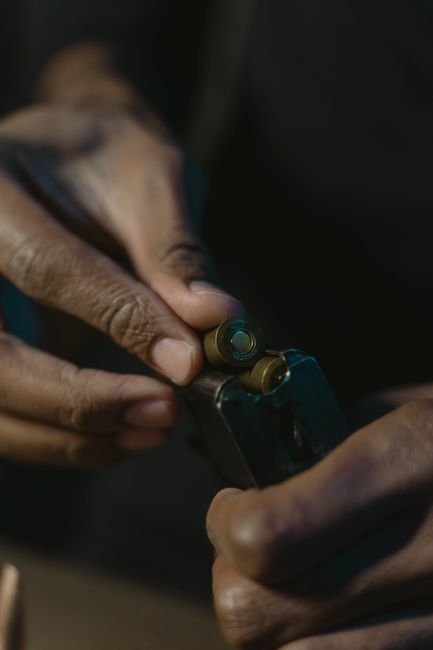
Self defense ammo testing is less about firing a box of rounds than about building a documented pattern: the same pistol, the same magazines, and the same production lot cycling cleanly across more than one session. A single clean magazine is encouraging, but it takes a larger, logged sample to tell a lucky string apart from a genuinely reliable setup.
The relevant unit is not merely the pistol or cartridge. It is that firearm, that production lot of load, and each intended magazine. Record any malfunction, the magazine involved, round position, and whether it repeats after inspection or cleaning.
A clean 50-round run is useful initial data; 100 rounds makes a stronger case; 150–200 rounds provides more meaningful exposure to rare interruptions. Reliability evidence remains conditional on observed results, maintenance state, and ammunition consistency. The broader self-defense ammunition guide can help place reliability testing alongside other load-selection factors.
When the sample needs to grow
A 50-round screen can reveal obvious failures, but it is a thin sample when the platform or load leaves little operating margin. Compact and subcompact pistols often have shorter slide travel, lighter moving parts, and sharper recoil impulses; timing can be less forgiving than in a full-size counterpart. Small .380 pistols, very short 9mm barrels, and lightweight revolvers can merit a larger sample.
The same applies to unfamiliar firearms, recently replaced recoil springs or magazines, unusual bullet shapes, and lower-powered loads. Wide cavities, blunt ogives, flat points, coated bullets, and cartridges seated near the long or short end of specification may meet feed ramps differently. Reduced-recoil ammunition can also expose marginal cycling that standard-pressure loads mask.
A previously proven setup becomes a new variable when any meaningful part of the system changes, including:
- a different bullet design, weight, or pressure class;
- a new lot, especially after a manufacturer changes components;
- a different barrel, slide, recoil assembly, or grip module;
- new, repaired, or altered magazines; or
- an optic, compensator, suppressor, or other change affecting slide motion or handling.
Reliability evidence transfers best only when the firearm, ammunition, magazines, and configuration remain genuinely the same.
Confirm the pistol before judging the load
A stoppage during carry-ammunition testing is not automatically an ammunition verdict. A worn recoil spring, dirty chamber, weak magazine spring, extractor problem, or shooter-induced cycling issue can produce the same symptom. First establish that the firearm runs predictably in its current configuration.
Suitable practice ammunition is the control load: consistent, mainstream FMJ in the correct caliber and pressure class, run through every intended magazine. It need not duplicate the carry bullet’s shape or recoil exactly; its role is to reveal a platform or magazine fault that exists independently of the defensive load. A supply of bulk 9mm practice ammunition for baseline testing can make that comparison more repeatable.
The exact carry load answers a different question: whether this pistol, these magazines, and this particular bullet design function together. Its ogive, overall cartridge geometry, case coating, recoil impulse, and flash characteristics may differ materially from FMJ. If FMJ malfunctions too, correct the mechanical variable before drawing conclusions about the defensive cartridge. If FMJ runs cleanly while the carry load repeats the same failure, the ammunition-platform combination deserves closer scrutiny.
Record the failure type, magazine, round position, and ammunition lot. A recurring nose-up feed failure in one magazine points somewhere different than random extraction failures across all magazines.
Run the first compatibility screen
The first pass is meant to expose clear incompatibility, not to establish lifetime certainty. Fire the exact defensive load intended for carry—same bullet weight, pressure rating, and cartridge version—through every magazine relied upon. A pistol that runs one magazine flawlessly has not necessarily demonstrated that another magazine, especially an older or frequently carried one, will present cartridges the same way.
A practical initial screen can use roughly 50 rounds, distributed rather than fired from one favored magazine. Rotate magazines through partial and full loads, and note which magazine was in the pistol for each stoppage. Include the normal chambering method used with that firearm; a problem that appears only on the first round can still be a meaningful compatibility clue.
Classify what happened
Records are more useful than a vague note that the pistol “jammed.” Distinguish among:
- Failure to feed: the cartridge does not chamber correctly, including nose-up, nose-down, or three-point stoppages.
- Failure to fire: a chambered round does not discharge when struck; retain the cartridge for later inspection rather than assuming the cause.
- Failure to extract: the fired case remains in the chamber.
- Failure to eject: the case extracts but does not clear normally, including stovepipes.
- Failure to return to battery: the slide does not fully close on a chambered round.
- Premature slide lock or failed lock-back: often magazine-related, though grip and pistol condition can also contribute.
Log round count, magazine identifier, stoppage type, ammunition lot, and conditions. Repeated patterns—such as two feed failures from the same magazine or recurring failures with one load across several magazines—make an obvious mismatch visible early.
A single stoppage does not automatically identify the ammunition as the cause. Magazine, firearm condition, handling, and ammunition lot are separate variables; a concise log prevents them from being blended into one conclusion.
Look for repeatability, not one clean range trip
A flawless 50-round string is useful evidence, but it can still be a favorable slice of chance. Confidence rises when the same carry load continues to feed, fire, extract, eject, and lock back correctly after the pistol has been cleaned, carried, lightly fouled, and returned to the range on another day.
Spread the evidence
After the first screen, subsequent rounds can be divided across every magazine intended for defensive use rather than fired through one proven magazine. This matters because marginal feed lips, weak springs, or a particular follower can produce failures that remain invisible in a single-magazine test. When practical, testing ammunition from more than one lot also separates a durable firearm-load relationship from an unusually consistent box.
A short log often reveals more than memory. Record:
- Date, total round count, and session conditions
- Ammunition brand, load, and lot number
- Magazine identifier and its round count, if known
- Any stoppage and its exact type: failure to feed, failure to return to battery, extraction issue, or failure to lock back
Patterns deserve more weight than isolated events. Two stoppages linked to the same magazine, for example, point in a different direction than failures occurring across several magazines with one ammunition lot. Conversely, continued uneventful function across varied magazines and separate sessions makes apparent reliability progressively less likely to be luck.
A Stoppage Is a Clue, Not a Verdict
A single stoppage identifies an event, not its cause.
Keep the cartridge, note its position in the magazine, and inspect the case and bullet. Then compare the same pistol with known-reliable FMJ. A failure that disappears with the baseline load may still involve a particular magazine, feed geometry, or cartridge lot rather than the load category itself.
Magazine faults often appear only under certain cartridge lengths, bullet profiles, or spring compression levels.
Mark each magazine and rotate it through later strings. Repeated failures tied to one magazine—especially failures to feed from similar positions—are stronger evidence than a random stoppage in an otherwise mixed record.
Baseline FMJ confirms a useful control, not universal compatibility.
Different loads change slide velocity, feeding angle, overall length, and recoil impulse. Still, unexplained stoppages across multiple magazines and both baseline and defensive loads shift attention toward the firearm, lubrication state, or configuration.
A compact log turns a frustrating interruption into usable evidence: load and lot, magazine ID, round position, stoppage type, and whether the baseline load repeats it.
A cartridge-related pattern normally follows the same load or lot across magazines. A magazine pattern follows the magazine. Failures that cross loads and magazines deserve greater weight than a one-off event with no repeatable signature.
Keep confidence tied to the setup
A clean test supports a narrow conclusion: this pistol, with these magazines, firing this ammunition lot, functioned under the conditions tested. It does not automatically validate every magazine of the same model, a second pistol with the same markings, or later production from the same load line. Small tolerances in feed lips, extractor tension, chamber dimensions, recoil springs, and cartridge geometry can combine differently.
Treat any meaningful change as a reason to rebuild at least a limited compatibility record. That includes a new ammunition lot, a newly acquired or repaired magazine, a different bullet weight or pressure designation, optic or compensator installation, recoil-system work, or changes to lubrication and maintenance state. A firearm that begins producing patterns such as failures to return to battery or erratic ejection also deserves investigation before ammunition is blamed.
Cartridges carried repeatedly merit separate scrutiny. Setback, damaged case mouths, corrosion, contaminated primers, and oil exposure can alter how a round chambers or fires. Guidance on when defensive ammunition has aged in carry helps distinguish ordinary storage from condition concerns that justify replacement and renewed function checks.
The useful standard is not a manufacturer’s reputation, a published test, or one flawless outing. Confidence comes from repeatable function with the exact equipment and ammunition actually relied upon, observed across more than one session.
Frequently Asked Questions
How many rounds should I test before trusting my self-defense ammo?
About 50 rounds can reveal basic compatibility, 100 rounds offers stronger evidence of repeated clean cycles, and a 150–200-round evaluation better exposes intermittent failures or a magazine that only misbehaves occasionally.
Should I test with the exact carry ammunition or practice FMJ?
Both play different roles. Practice FMJ serves as a control load to reveal platform or magazine faults, while the exact carry load answers whether that specific pistol, magazines, and bullet design function together.
Do I need to test every magazine, or is one enough?
Test every magazine you intend to carry. A pistol that runs flawlessly with one magazine has not demonstrated that another magazine, especially an older or frequently carried one, will feed cartridges the same way.
Does a single malfunction mean the ammunition is bad?
No. A single stoppage identifies an event, not its cause. Compare the same pistol with known-reliable FMJ, and look for whether the failure repeats with the same magazine or ammunition lot before drawing a conclusion.
When should I retest a carry setup that already passed?
Retest after any meaningful change, including a new ammunition lot, a newly acquired or repaired magazine, a different bullet weight or pressure designation, optic or compensator installation, or recoil-system work.
Test results have boundaries
- A successful run validates a specific firearm–magazine–lot combination.
- Changes in equipment, ammunition, or cartridge condition narrow the value of prior results.
Reliability evidence transfers imperfectly. The strongest basis for confidence is a documented pattern of repeatable cycling—not a guarantee or a single favorable range session.



12 Comments
I had never considered that changing the recoil spring or optic setup weakens the value of old reliability testing. Makes sense, though. Tiny changes somehow always choose range day to become “character development.”
The 50-round screen was a useful way to think about this. I used to shoot one box of hollow points, see no issues, and call it good. Rotating the two mags I actually carry uncovered one magazine that was occasionally failing to lock back, which was not really an ammo problem at all.
Exactly—the screen is meant to reveal variables, not just produce a pass/fail result. A magazine that behaves differently is valuable information, and confirming it with both FMJ and your carry load helps narrow down whether it is the mag, ammo, or interaction between them.
Step 3/“confirm the pistol first” didn’t totally work for me. My gun runs 124gr FMJ perfectly, but the defensive load had two failures to return to battery in the first 30 rounds. Does that automatically mean the carry ammo is out, or should I clean/lube and try a second box first?
It does not automatically condemn the load, but two similar failures in 30 rounds are enough to pause before relying on it. Clean and lubricate the pistol, inspect the magazines and ammunition, then retry with a controlled comparison: known-good FMJ, followed by that exact defensive load, while recording which magazine is used. If the pattern repeats only with the carry load, choose a different load rather than trying to rationalize it away.
The magazine rotation advice should be printed on every ammo box. I had assumed my defensive ammo was the issue after two stoppages, but both occurred with the same numbered magazine. The other three mags ran the remaining rounds normally.
I still replaced that magazine instead of trusting it for carry. Cheap fix compared with wondering about it later.
A little skeptical of how practical 200 rounds of premium carry ammo is for everyone. That stuff is expensive enough already. I get the reasoning, but I think the article could say more clearly that confidence can be built gradually instead of making people feel they need to buy a case before carrying anything.
That is a fair criticism. The intent is not to make 200 rounds a purchase requirement or a universal threshold; it is an example of a larger confidence sample, particularly for a compact pistol or a setup with more unknowns. A staged plan—initial screen, then smaller follow-up checks across separate sessions—lets people gather meaningful evidence without treating one large range day as the only option.
The “one clean range trip” point is so true. My first session with a new load was flawless, then a second session from a different box had a failure to extract. Could have been one bad round, could have been me limp-wristing after too much coffee… but I’m definitely not calling it proven yet.
I appreciate that you did not present 200 rounds as a magic number. People online tend to act as if anything less is reckless and anything more is pointless.
My compact 9mm is far less forgiving than my full-size pistol, especially with some of the wider-mouth defensive loads. I plan to use the 50-round check first, then add sessions over time rather than burning through a huge supply in one afternoon.
Same experience here. My full-size eats basically everything, while the smaller gun made me stop assuming a load that works in one pistol automatically works in another. Separate sessions are a good call too.
This worked! I logged the lot number and had a weird nose-up feed stoppage only with one older magazine. Swapped mags and ran another session with the same carry load without a repeat. Keeping the notes made it way less mysterious than my usual “huh, that was odd” approach 😅