
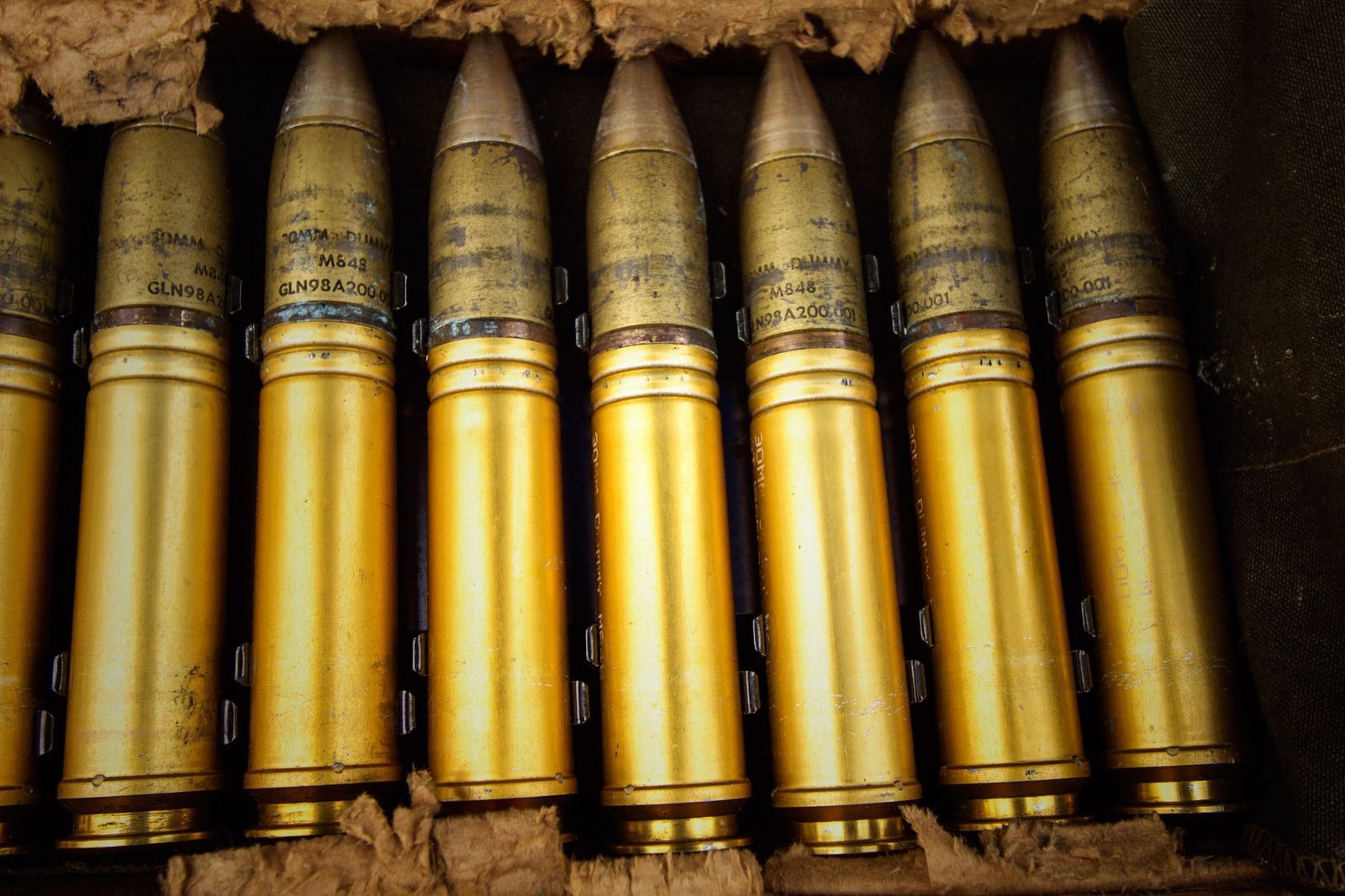
A faded box reveals far less than the rounds inside it.
A dusty carton from a garage shelf can hold cartridges that fire normally—or rounds already compromised. Age by itself is a weak predictor. Ammunition often lasts for decades when kept cool, dry, and sealed from oils and solvents; the same load can deteriorate quickly after moisture, repeated heat swings, or rough handling.
The real question is storage history. Tarnish, corrosion, dented cases, pushed-in bullets, cracked necks, or stained packaging say more than a date stamp. Even ammunition only a few years old can be suspect if it rode through humid summers in a truck or sat loose in a damp basement.
- Sealed military surplus often outlasts newer ammo stored in heat and humidity.
- Packaging damage can hint at moisture exposure long before obvious cartridge corrosion appears.
How long “lasting” really means
Properly stored modern factory ammunition can reveal its ammo shelf life, remaining usable for decades. Military surplus and well-kept commercial cartridges from the mid-20th century still fire today. The harder question is not age alone, but what usable actually means.
- Ignition: the cartridge fires.
- Performance: velocity, pressure, and point of impact stay close to original expectations.
- Confidence standard: for defensive carry or duty, many shooters apply a stricter bar than they would for training ammunition. That is central to whether self-defense ammunition truly expires.
That distinction matters because primers and smokeless powder often outlast assumptions. Thus, this can reduce trust in ammo shelf life before a round is dead, even if it functions for practice.
What “lasts” can mean
- Shelf life
An informal way to describe how long ammunition remains functional under storage, not a fixed expiration date.
- Ignition reliability
Whether the primer and powder still react properly when struck.
- Ballistic consistency
How closely fired rounds match expected velocity, pressure, and point of impact over time.
- Defensive confidence threshold
A stricter reliability standard sometimes used for ammunition kept for protection rather than routine range use.
What actually changes inside a cartridge
A cartridge is not a single material aging at one uniform rate. It is a small system: primer compound, smokeless powder, case metal, bullet, and any sealant around the primer or case mouth. When ammunition degrades, one of those parts has usually been stressed by storage conditions rather than simply exhausted by calendar time.
- Primer: The primer is the most chemically sensitive part. Long exposure to moisture, penetrating oils, solvents, or repeated heat cycling can weaken ignition or cause a misfire.
- Powder: Smokeless powder is fairly stable when kept cool and dry, but high heat accelerates breakdown. As it deteriorates, burn rate can shift and pressure or velocity consistency can suffer.
- Case material: Brass can corrode, tarnish, or in severe cases crack from chemical attack or mechanical stress. Steel cases are more vulnerable to rust if protective coatings are compromised.
- Seals and coatings: Sealants at the primer pocket or case mouth can harden, crack, or lose adhesion over time, especially after harsh temperature swings.
Ammunition therefore does not “run out” merely by existing for years. Most failures trace back to water intrusion, corrosion, contamination, or thermal abuse acting on specific components inside the cartridge.
Why storage environment changes service life
The biggest accelerators
Heat shortens useful life because it speeds the slow chemical aging of primers and propellant. A cartridge left for years in a hot attic or vehicle trunk typically ages faster than the same lot kept at steady room temperature. Extreme heat does not guarantee immediate failure, but it can reduce consistency long before obvious damage appears.
Humidity attacks the cartridge from the outside first. Brass tarnish is mostly cosmetic, but persistent moisture can promote deeper corrosion on brass, nickel, steel cases, and especially exposed steel components. If moisture repeatedly reaches the case mouth or primer area, it can eventually affect ignition reliability.
Temperature swings create a quieter problem: condensation. When ammunition moves between cold and warm conditions, metal surfaces can collect moisture even in spaces that do not feel wet. That is one reason the risks of keeping ammunition in a garage are usually greater than storing it in a climate-stable closet or interior room.
Oils and solvents are another avoidable hazard. Penetrating oils, gun-cleaning solvents, and some rust preventives can migrate into the primer pocket or around the bullet seal, contaminating the priming mix or powder.
In practice, the best environment is boring: dark, dry, and stable. Garages, sheds, outbuildings, and car trunks expose ammunition to larger temperature swings, higher humidity, and more airborne contaminants, so the same box tends to age faster there than it would indoors.
If a space is harsh on tools, electronics, or paper, it is usually harsh on ammunition too.
A storage routine that actually works
-
Sort by caliber, load, and lot
Keep cartridges in their original boxes when possible, then group matching boxes together. Lot separation makes it easier to track age, spot a bad batch, and compare performance later.
-
Label the outside clearly
Mark each container with caliber, bullet type, manufacturer, lot number, and the date it was packed away. Good labels prevent unnecessary handling and reduce mystery rounds accumulating over time.
-
Use containers that slow moisture exchange
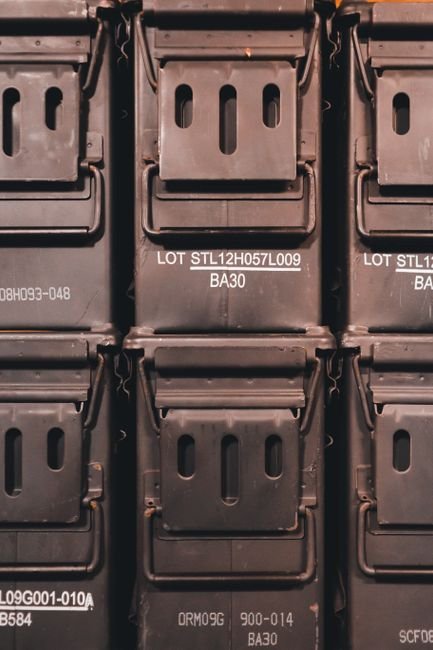
A clean metal or polymer ammo can with an intact gasket does more for longevity than elaborate storage setups. A small desiccant pack can help, but the real advantage is a container that closes consistently and stays shut.
-
Keep ammunition away from water and household chemicals
Store it off concrete floors and far from solvents, penetrating oils, bore cleaners, gasoline, and bleach. Vapors, leaks, and oily residue can do more harm than calendar age.
-
Track what comes in and what comes out
A simple inventory card or spreadsheet helps older stock get used first and prevents forgotten cans from sitting unchecked for years. Consistency matters more than gadgets.
A labeled, sealed, boring storage system usually outperforms dramatic setups packed with accessories. Most long-term failures trace back to heat, moisture, contamination, and neglect—not the lack of a specialized bunker or premium container.
What lifespan looks like in the real world
Ammunition lifespan is best understood as a range, not a fixed number. Two boxes from the same factory lot can age very differently depending on where they spend their lives.
Common storage scenarios
- Climate-controlled indoor storage: Cartridges kept in a dry room, stable temperatures, and sealed containers often remain serviceable for many decades. This is the environment most likely to preserve both function and consistency.
- Garage, shed, or attic: Heat spikes, winter cold, and daily temperature swings shorten that margin. Ammunition may still fire after years, but confidence in uniform performance drops sooner.
- Vehicle storage: A trunk or truck cab can see extreme summer heat and repeated cycling. That does not guarantee failure, but it is one of the faster ways to age primers, powder, and seals.
- Basement or coastal humidity exposure: Even without direct water contact, damp air can drive corrosion on cases and bullet jackets. Tarnish alone is not always serious; pitting, green residue, or rough case surfaces are more concerning.
- Loose carry in pockets, packs, or oily drawers: Repeated handling, lint, abrasion, and oil migration can damage cartridges surprisingly quickly compared with boxed, isolated storage.
A useful comparison is simple: factory ammo in a sealed can in a closet may outlast the same ammo left for years in a hot vehicle by a very wide margin. Age matters, but environment usually decides whether old ammunition is merely old or genuinely degraded.
What a visual check can—and can’t reveal
Appearance alone cannot confirm primer, powder, or seal integrity.
Age, heat, oil, and moisture can degrade internal parts with little or no external evidence.
Mild surface discoloration is not the same as active corrosion or structural damage.
Cosmetic darkening may be harmless; pitting, verdigris, cracks, swollen cases, or pushed-in bullets are more serious signs.
Visible defects are useful screening tools, not proof of reliability.
Inspection can catch dents, splits, corrosion, and contamination traces, but it cannot measure consistency, pressure behavior, or primer strength.
Deep dents, cracked necks, corrosion that flakes or pits, loose bullets, high primers, oil residue, or moisture staining all suggest elevated risk. The absence of those signs is only a partial reassurance.
A simple rotation system that preserves value
A useful way to think about ammunition is as a durable but condition-sensitive consumable. It does not expire on a fixed calendar, yet it also does not benefit from being forgotten at the back of a shelf for decades.
A simple framework keeps stock organized and reduces guesswork:
- Record the purchase date on each box or can.
- Keep lots separate so mixed-age rounds do not become impossible to track.
- Use the oldest stock first for routine practice, assuming condition remains good.
- Reserve newer, verified lots for roles where consistency matters more.
This is essentially first in, first out. It works because it limits long dwell time, preserves traceability if a lot ever shows problems, and makes inventory easier to inspect.
The real goal is not chasing an arbitrary expiration date. It is maintaining a history: where the ammunition came from, how it was stored, and which lots have already proven reliable.
Frequently Asked Questions
How long does properly stored ammo actually last?
Properly stored modern factory ammunition can remain usable for decades, and military surplus or well-kept commercial cartridges from the mid-20th century still fire today when kept cool, dry, and sealed.
What are the biggest threats to ammo shelf life?
Heat, humidity, repeated temperature swings that cause condensation, and contamination from oils or solvents are the main accelerators of ammunition aging.
Can I tell if ammo is bad just by looking at it?
A visual check can catch obvious defects like dents, corrosion, or loose bullets, but it cannot confirm primer strength, powder condition, or seal integrity, so appearance alone is not proof of reliability.
What storage habits help ammo last the longest?
Sort ammunition by caliber and lot, label containers with the date packed away, use sealed metal or polymer cans, keep it away from chemicals and moisture, and track inventory so older stock gets used first.
What warning signs mean ammo should be discarded?
Deep dents, cracked necks, corrosion that flakes or pits, loose bullets, high primers, oil residue, or moisture staining are red flags that suggest elevated risk.
The practical bottom line
Properly stored ammunition often remains serviceable for decades. The better guide is not the date stamp but the combination of storage history, lot records, and condition checks.
When origin is known, storage has been stable, and no corrosion, contamination, dents, or seal failure appear, age alone says surprisingly little. Calendar age matters less than evidence.



14 Comments
Maybe dumb question, but how much does opening and closing ammo cans matter?
Like if I’ve got sealed containers with labels and desiccant, but I’m in and out of them every couple weeks for range trips, am I basically defeating the purpose? I’m trying to be organized without turning this into a NASA project.
I liked the FIFO rotation idea because it’s simple, but I’m curious how far people actually take lot tracking.
Do you separate every single purchase by lot number, or just by purchase date and caliber? I can see the value if there’s a bad batch or a recall, but I can also see myself starting with a neat label system and ending six months later with mystery cans and a Sharpie that gave up 😂
You don’t need an extreme system for it to be useful. At minimum, caliber, purchase date, and whether it’s training or defensive ammo already gives you far more traceability than most people have.
If lot numbers are visible and easy to record, keeping them is worth it—especially for defensive loads or larger purchases. The goal is practical accountability, not creating a second job.
I started with spreadsheets and ended with masking tape labels lol. Honestly just knowing “bought in spring 2023, stored in closet, same case” is already super helpful compared to random loose boxes.
I appreciated the point that a visual check can only catch obvious issues.
But here’s my problem with a lot of ammo advice online: people say “if it looks fine, send it,” which feels way too confident. If primers or powder can degrade internally, is there any practical way for regular people to evaluate old ammo beyond shooting a sample from that lot and watching for weird performance?
You’re right to be skeptical. Visual inspection is useful, but it has hard limits—it can reveal corrosion, dents, setback, cracked necks, contamination signs, and other obvious defects, but it cannot verify internal chemistry or consistency.
For most people, the practical tools are storage history, lot separation, and actual function testing from the same lot. If a sample shows misfires, hangfires, weak report, inconsistent recoil, or strange point-of-impact shifts, that’s a strong sign the lot deserves caution or retirement.
I’m still a little unconvinced by how often people say modern factory ammo lasts “for decades.” That may be true in theory, but in the real world most folks don’t have lab-perfect conditions.
Basements get damp, garages get hot, safes sit against exterior walls, and people move houses. So when articles say decades, I almost wish they’d say “decades *if you actually controlled the environment*,” because otherwise readers hear “basically forever.” Maybe that’s not what you meant, but that’s how it comes across sometimes.
Good article, especially the part about storage history mattering more than the number on the calendar.
One thing I still wonder about: if ammo has been stored indoors for 20+ years and looks perfect, would you treat it the same for range use and for home defense, or is that where your “higher confidence standard” kicks in? I know you touched on that, but I’m curious where *you* personally draw the line.
That’s exactly where the confidence standard matters. For range use, older ammo that was stored well and shows no warning signs can still be perfectly reasonable.
For defensive use, I hold it to a stricter standard because the question isn’t just “will it fire,” but “do I trust this lot enough for a low-probability, high-consequence situation?” Personally, I prefer newer, known-storage ammo for defense and move older stock to training.
That’s basically how I do it too. Old stuff = practice ammo, newer lot-tested stuff = defensive mags. Might be overkill, but it helps me sleep better lol.
The oil contamination point is one of those things people ignore until they ruin a batch.
I had some cartridges sitting near a bench where everything somehow ends up with a light film of solvent/oil on it. No visible corrosion, still shiny, looked “fine.” A few months later I started getting inconsistent ignition from that group. Could’ve been coincidence, sure, but it definitely changed how I store stuff now.
Do you think ammo in factory boxes inside a cabinet is enough protection from that kind of contamination, or does it really need a separate sealed container every time?
Factory boxes inside a normal indoor cabinet are often adequate if the area is clean, dry, and not exposed to oils, solvents, or dramatic temperature swings.
Where people get into trouble is treating the same cabinet, bench, or bag as both “ammo storage” and “chemical splash zone.” If the environment is oily or solvent-heavy, a separate sealed container is a smart upgrade because it creates distance from contamination rather than relying on the box alone.
Yeah this is the part people underestimate. A cardboard factory box is packaging, not some magical force field. If the whole area smells like CLP all day, I wouldn’t trust it long term.
The vehicle part jumped out at me because I know people who leave ammo in the trunk year round like it’s no big deal.
Is occasional car storage actually a major problem, or is this more about repeated summer heat cycles over months? I live in the South, so “warm” turns into “surface of the sun” pretty fast 😅