
Wanted: a single watch that survives workdays, workouts, and weekends without fuss.
Picture moving from a desk meeting to a late swim and then a trail run: one everyday watch must survive knocks, look appropriate, and keep running. The real trade-offs are durability vs style, battery life vs movement, and water resistance vs bulk. Use a simple priority list—construction, movement/battery, water rating, then size/legibility—to decide which compromises match daily habits and exposure.
- Water resistance: 30m = splash, 50m = light swim, 100m+ = swim-ready.
- Battery/movement: quartz—multiple years; solar—long with light exposure; mechanical—typically 40–80 hours reserve.
- Build notes: sapphire crystal resists scratches; titanium cuts weight; stainless steel favors toughness and cost.
What qualifies as an EDC watch
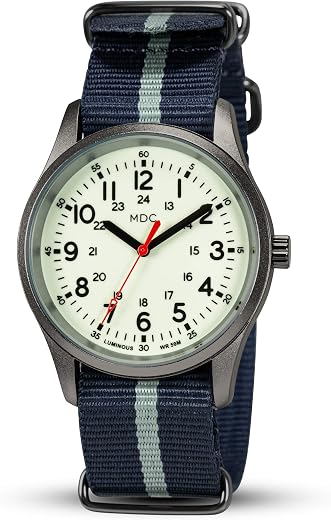
An everyday carry (EDC) watch is a timepiece built for reliable daily use. Core attributes are reliable timekeeping, clear readability, durability, comfortable fit, and reasonable maintenance demands. Models that excel combine those traits, so the watch blends into daily life while delivering when needed.
Additionally, here is a quick operational checklist for evaluating an EDC watch candidate.
- Timekeeping: quartz or COSC-grade mechanical accuracy preferred; consistent performance across temperature and position.
- Legibility: high-contrast dial, readable at a glance, and functional lume for low light.
- Robustness: shock-resistant case and crystal, at least basic water resistance compatible with daily exposure.
- Comfort: reasonable weight, secure strap, unobtrusive case size for the wearer’s wrist.
- Maintenance: service intervals and parts availability that match intended usage.
Runway looks often mislead: fashion-forward finishes or fragile complications undermine daily reliability.
Additionally, an EDC watch should prioritize function first.
Style is secondary and best chosen after confirming those practical thresholds.
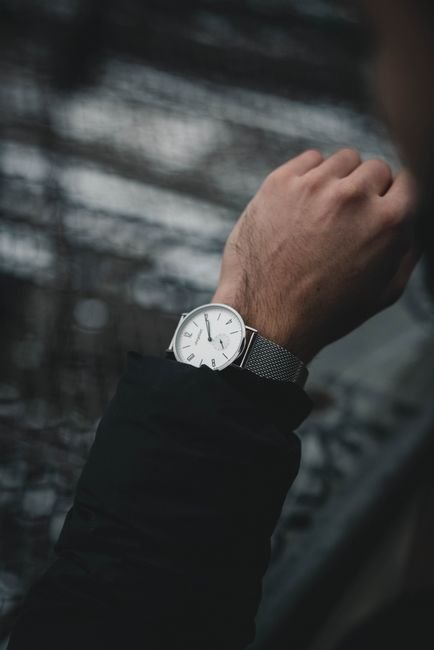
A visually striking watch may fail everyday demands—thin crystals, plated cases, or exotic straps often wear poorly. Prioritize tested durability before finishing choices.
Movement types and tradeoffs
Every watch movement represents a different set of everyday compromises: maintenance cadence, resistance to shocks and magnetism, and what features are available.
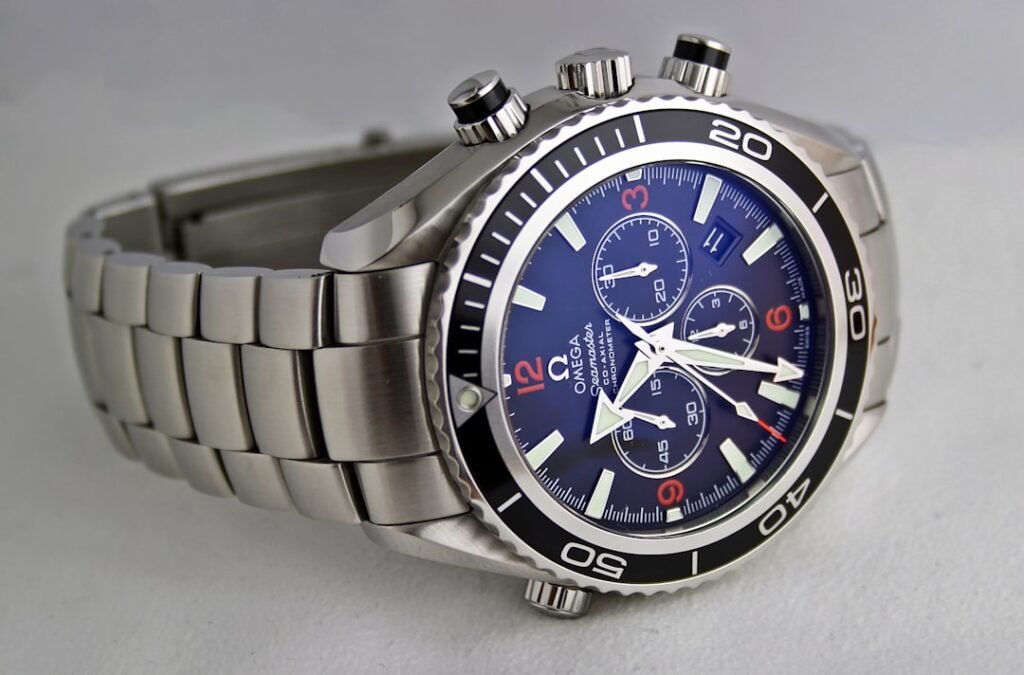
Mechanical automatic: prized for craft and long-term serviceability. Advantages include a tactile winding feel and mechanical complications (date, power reserve). Downsides: regular servicing every few years, sensitivity to strong shocks and magnets, and lower timekeeping accuracy versus quartz. Favor this if horological value and mechanical simplicity matter more than absolute robustness.
Quartz analog: extremely accurate and low-maintenance. Battery changes are infrequent, and quartz movements tolerate shocks and magnetism better than most automatics. Tradeoffs: limited mechanical charm and fewer on-dial complications unless added electronically.
Digital (LCD/LED): focused on utility—stopwatch, countdown, backlight, long battery life. Highly resilient and typically cheaper to maintain, but less traditional in appearance and with fewer luxury finishes.
Hybrid analog-smart: combines an analog dial with limited smart functions.
Additionally, it prioritizes classic looks while adding subtle connectivity.
However, expect constrained displays and notification handling; see how hybrids manage notifications for limits.
Batteries can last weeks, but feature set is restrained.
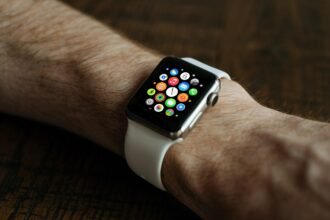
Full smartwatch: maximizes features—apps, maps, sensors—but shifts priorities to frequent charging, firmware updates, and potential long-term obsolescence. For planning longer outings, compare smartwatch battery life against multi-day needs: battery life for multi-day trips.
Quick checklist:
- Want minimal upkeep and accuracy: choose quartz.
- Want mechanical character: choose automatic.
- Need connectivity with classic looks: consider a hybrid.
- Need maximum features: accept a smartwatch and charging tradeoffs.
Crystals, cases, and water resistance
Crystal choice drives scratch and shatter behavior. Sapphire is highly scratch-resistant but can chip or shatter on sharp impacts; mineral glass balances scratch resistance with better shatter toughness; acrylic scratches easily but can be polished and is least likely to crack. For a deeper technical comparison, see the detailed comparison of sapphire and mineral glass.
Case materials set the tone for dents, weight, and repair costs. Stainless steel is heavy, resists denting, and is often polishable. Titanium is lighter and corrosion-resistant but can scuff more visibly and is harder to buff. Aluminum is light but dents readily; ceramic resists scratches yet is brittle and typically requires full-part replacement if cracked. Resin/composite cases absorb shocks and are cheap to replace.
Practical water-resistance guide
- 30 m / 3 ATM: splash and rain only; not recommended for handwashing with strong jets.
- 50 m / 5 ATM: safe for brief submersion and handwashing; cautious about hot showers or vigorous swimming.
- 100 m / 10 ATM: suitable for swimming and snorkeling.
- 200 m / 20 ATM: intended for diving and heavy water exposure.
Repairability matters: scratches on acrylic or steel surfaces can often be polished; shattered sapphire or cracked ceramic usually require replacement parts.
Assessing fit: lug-to-lug, case diameter, and straps
Fit comes from three measurable things: lug-to-lug, lug width, and case diameter versus wrist proportion. Getting these right keeps the head from overhanging and makes a watch wearably comfortable all day.
Lug-to-lug is the length from one strap attachment point to the other. A long lug-to-lug can make a compact dial look oversized on a narrow forearm; a shorter lug-to-lug tends to hug the wrist. Check actual clearance across the wrist rather than relying on diameter alone. For the exact technique to measure the space for bands, consult the guide to measure lug width.
Case diameter should be read against wrist proportions—small wrists usually suit smaller diameters, larger wrists tolerate larger ones. Equally important is the strap-change system: spring bars, quick-release pins, and integrated lugs affect how easily a different band can change fit.
Practical tips:
- Try different materials and lengths before discarding a head.
- Shorter or curved endlinks often fix comfort issues faster than a new case.


Power and maintenance
Power architecture dictates everyday uptime and the “cost-in-time” of ownership.
Battery quartz: long lifetime between cell changes (often a few years). Downtime is the minutes needed for a battery swap; gaskets should be checked when the caseback is opened.
Automatic (mechanical): runs while worn; typical power reserves are 36–72 hours. If left idle, it will stop and require resetting and winding. Recommended service intervals are often every 5–10 years for lubrication and regulation.
Solar / light powered: cells recharge from ambient light and can run for months in storage. Rechargeable capacitor or battery may need replacement after a decade or more.
Smartwatch: highest daily charging demand; battery capacity degrades with cycles and software can change real‑world endurance. Regular charging is the main time cost.
Simple routines preserve water resistance and longevity:
- Ensure crown is secured before exposure to water.
- Rinse saltwater and dry after marine use.
- Have seals checked on battery changes or service.
- Avoid extreme heat, strong chemicals, and hard knocks.
Choice of power affects daily convenience: quartz/solar minimize interaction, automatics reward regular wear, smartwatches require scheduled charging.
Log service and battery change dates to predict gasket and capacitor replacement.
After any caseback opening, pressure‑test if water resistance matters.
A short daily wind or using a watch winder reduces time spent resetting automatics.
Match watches to daily needs
Every archetype prioritizes a different mix of durability, legibility, and convenience. The short lists below separate essential features from nice-to-have options so selection stays pragmatic.
Commuter
- Essential: readable dial, reliable timekeeping, low-profile case for offices, decent water resistance for rain.
- Optional: smartwatch notifications, quick-release straps for style swaps.
Office professional
- Essential: conservative size, scratch-resistant crystal, accurate movement, comfortable bracelet or leather strap.
- Optional: chronograph or GMT for travel days.
Day hiker
- Essential: durable case, sapphire or hardened crystal, clear lume, water resistance to at least light swimming, robust strap.
- Optional: altimeter/compass or GPS when routes are complex.
Tradesperson
- Essential: shock resistance, thick crystal, strong case/bezel, serviceable movement and accessible strap options; see practical picks for heavy work in the rugged watch roundups for construction use.
- Optional: integrated tool functions.
Traveler
- Essential: reliable timekeeping, GMT or dual-time function if crossing zones, good battery life, water resistance—refer to rules on showering and WR ratings in water-resistance guidance.
- Optional: long battery smartwatch modes.
Night-shift worker
- Essential: strong, lasting lume or tritium, dial contrast for quick glances in darkness; see curated lume choices in night-shift lume guides.
- Optional: blackout-friendly complications or vibration alerts.
Five-step narrowing checklist
-
Set non-negotiables
List absolute requirements—minimum water resistance, crystal hardness, shock resistance, legibility, and acceptable case size. Treat these as filters that immediately remove ill-suited models.
-
Choose movement and maintenance profile
Decide between quartz/solar (low upkeep), automatic/mechanical (regular servicing), or smartwatch (battery charging and obsolescence). Match movement tradeoffs to expected maintenance tolerance.
-
Confirm fit and strap ecosystem
Check lug-to-lug and lug width against wrist geometry, then verify available straps and quick-change options for comfort and versatility.
-
Validate real-world maintenance expectations
Estimate service intervals, battery or capacitor replacement cycles, and water-seal testing needs; factor in local service availability and spare-parts longevity.
-
Shortlist and compare in-person
Wear shortlisted watches for at least a day each if possible, score legibility, comfort, and crown/button ergonomics, and prioritize models that disappear on the wrist while staying instantly readable.
Use a quick weighted checklist to rank finalists:
Legibility: 30% — dial contrast, hand length, lume. Comfort: 30% — lug-to-lug, weight, strap. Maintenance: 20% — service cadence, battery/parts availability. Straps/ecosystem: 10% — easy swaps, aftermarket options. Features: 10% — necessary complications only.Apply weights loosely; small differences in comfort or legibility often outweigh extra complications.
Common questions: sleeping with a smartwatch and overnight tracking
Can a smartwatch be worn while sleeping?
Yes—most modern smartwatches are designed to be worn 24/7 and tolerate overnight wear. Comfort, strap choice, and an IP or WR rating for sweat are the main practical concerns rather than device safety.
What do overnight trackers actually measure?
Trackers typically record motion, heart rate, heart rate variability (HRV), sometimes SpO2, and skin temperature to infer sleep stages and disturbances. Algorithms fuse those signals to estimate sleep onset, duration, and interruptions, but they do not directly measure brain waves.
How accurate are sleep stage and disturbance readings?
Accuracy varies by sensor quality and algorithm; stage estimates are useful for trends but can be off for single-night diagnoses. Clinical-grade accuracy requires polysomnography; wrist trackers are best for population-level patterns and personal trend tracking.
Does sleeping with a smartwatch drain the battery faster?
Continuous heart-rate monitoring, SpO2 checks, and overnight GPS use increase battery drain, but most devices plan for nightly use with multi-day battery life or configurable sampling. Disabling high-frequency sensors or using battery-saver modes reduces impact.
When should sleeping with a watch be avoided?
Avoid overnight wear if the watch causes skin irritation, significant discomfort, or interferes with sleep position. For clinical sleep assessments or suspected sleep disorders, professional testing is recommended rather than relying solely on smartwatch data; see what trackers actually do at night.
Three steps to pick a confident everyday watch
- Decide non-negotiables: durability, water rating, and movement type first.
- Match fit and features to daily routines; prefer broad strap ecosystems for adjustability.
- Test overnight use: try a few nights with sensor settings adjusted for comfort and battery.
Practical wrap-up. Choose an EDC by securing core requirements—construction, water resistance, and movement—before considering extras like sensors or fancy complications. Use a short trial period for overnight tracking and strap comfort to confirm the pick works in daily life.

11 Comments
Quick question: in the checklist section, what exactly counts as a “non-negotiable”? Is 100m WR considered non-negotiable for commuting and occasional swimming, or is that overkill?
I appreciated the movement types section, but I’m still fuzzy on maintenance cadence. For example, how often should an automatic be serviced if I wear it daily but not in water? I get that durability varies, but some ballpark numbers would help.
Good question — and you’re right that there are a lot of variables. A typical guideline: mechanical automatics often get a full service every 5–10 years with lighter checks (gaskets, water-resistance) every 1–3 years depending on use.
If you’re not exposing it to water or shocks and you wind/use it daily, you might lean toward the longer end. But if you swim, sweat heavily, or drop it, shorten the interval. For quartz, battery changes and a gasket check every 2–3 years is common. Those are general ranges — manufacturer’s service intervals are the most conservative reference.
Minor nitpick: the WR mapping chart was useful, but it would be great to have a tiny decision flow for people who mostly do handwashing, gym showers, and occasional snorkeling. Which WR cutoff would you recommend for that mix?
Can someone clarify crystals vs cases? The article lists shatter vs scratch tradeoffs but I’m unsure when a sapphire is worth it for EDC vs hardlex or mineral. I don’t want a perfect watch that gets destroyed during yard work.
Short version: sapphire resists scratches best but can shatter on hard impact. Hardlex/mineral scratch easier but usually chip rather than shatter and are cheaper to replace. For yard work I’d pick a tough case and maybe a cheaper crystal you can swap if damaged.
Nice article overall, but I’m a little frustrated the five-step narrowing checklist doesn’t prioritize battery-type more explicitly. For me, power and uptime are massive — I can’t be recharging or swapping batteries frequently.
Maybe add a weighting system? Like score movement + power vs maintenance to decide if you want quartz for uptime or automatic for character.
Thanks — that’s fair feedback. The checklist is intentionally brief to stay practical, but a weighted approach is a solid idea for readers with strong priorities (like uptime).
A simple tweak: make ‘power’ a primary criteria in step 1 for users who need guaranteed uptime. Assign checkboxes: quartz/battery, solar/eco-drive, rechargeable smartwatch, automatic. If uptime is top, eliminate automatics and rechargeables early. We might add a downloadable scoring sheet in an update.
I agree with Laura. I use a solar quartz field watch and it’s been perfect for EDC — no battery swaps and low maintenance. Weighting helped me choose between a nicer automatic and a bomber quartz.
Great breakdown of priorities. The construction-first approach makes sense if you want one-watch EDC, but curious if anyone actually compromises on movement to get a slimmer profile? Seems like a common real-world tradeoff.
Loved the strap ecosystem point. I have slim wrists and swapped to a 20mm strap to save lug-to-lug issues. The small-wrist picks link was helpful. Also, lol at the overnight tracking FAQ — I sleep like trash and the smartwatch still blames me 😂