
One watch that survives workdays and weekends.
On Monday after a muddy hike, the same watch must still pass in the office—this forces a simple trade-off: robust features add bulk and a field aesthetic, while sleeker watches sacrifice impact resistance. Under $200, prioritize stainless cases, mineral crystal (sapphire is uncommon), 50–100m water resistance, and solar or long-life quartz; pick a strap that can be swapped quickly so the watch can shift from meetings to mud without a second thought.
- 50m = safe for splashes and short swims; 100m is better for frequent snorkeling — true dive ratings are higher.
- Sapphire crystals rarely appear under $200; mineral glass is the common, durable choice.


Pre-purchase checklist: durability & everyday wear
- Case material and finish
Choose robust metals and durable finishes that resist dents and corrosion; design details such as chamfered edges hide wear better than glossy flats.
Look for316L stainless or durable PVD/DLC coatingAvoidsoft plated base metals and thin, shiny finishes - Crystal and bezel integrity
Prioritize scratch-resistant crystals and a bezel that runs true under light force; anti-reflective treatments improve legibility without compromising toughness.
Look forsapphire or hardened mineral with ARAvoidthin low-hardness crystal and loose bezels - Water resistance and seals
A practical WR rating plus secure crown/pusher design lengthens service intervals by keeping moisture and dust out.
Look forclear WR rating with good crown sealAvoidno WR rating or exposed crown threads - Movement, power, and strap serviceability
Low-maintenance movements and easy strap swaps reduce lifecycle costs; confirm battery/solar options and standard spring bars for future repairs.
Look forsolar/quartz and quick-release or standard barsAvoidproprietary straps or hard-to-source batteries
Materials and construction that actually matter
Hard parts: cases and crystals
For an EDC watch under $200, choose case metals that resist dents and abrasion.
Moreover, 316L stainless is the pragmatic standard — corrosion resistant and easy to service.
Titanium is lighter and more dent-resistant but can scratch differently; grade notes matter for strength.
Ceramic and sapphire bezel inserts resist scratches but are brittle under sharp impacts.
Therefore, for an EDC watch under $200, the crystal matters more than advertising. Sapphire offers far better scratch resistance than mineral glass. It can still chip if subjected to hard blows. This durability influences long-term visibility and value more than glossy marketing.
Additionally, mineral glass tolerates impacts a little better but scratches more easily. These tradeoffs matter when choosing a model. Understanding these details helps you balance readability, durability, and price without overpaying. In affordable watches, the right glass choice preserves legibility over time.
Seals, crowns and caseback
Look for screw-down crown and caseback for robust water and dust protection. Quality gaskets (silicone or fluorosilicone) and double-sealed crowns reduce risk of moisture intrusion. A solid, threaded caseback also eases future servicing.
Small details that make big differences
- Solid endlinks and robust spring bars prevent unexpected strap failures; drilled lugs aid servicing.
- Brushed finishes hide scratches; mirror polish shows wear quickly.
- Coatings (PVD/DLC) add scratch resistance but can wear off; treat them as a cosmetic layer.
- Movement protection: quartz and well-cushioned mechanical movements are generally more shock-tolerant than delicate, finely adjusted calibers.
Prioritize serviceability and replaceable parts over marginal spec wins; long-term toughness is maintenance plus material choice.
Case: 316L stainless or titanium.
Crystal: sapphire (or hard-coated mineral if impact risk is primary).
Sealing & crown: screwdown components and quality gaskets.
Quartz, automatic, and solar: choosing a movement
Different movements trade off accuracy, service frequency, and failure risk. Below is a practical comparison to match a watch to tolerance for servicing and upkeep.
Quartz
Quartz movements are most accurate day-to-day and have the simplest failure modes: depleted battery or electronic faults. Routine upkeep is limited to intermittent battery swaps and periodic gasket replacement; mechanical wear is minimal. Long-term costs are low, though capacitor or circuit issues can require bench-level repairs.
Automatic (mechanical)
Automatics offer mechanical complexity and character but are least accurate compared with quartz/solar. Failure modes include worn pivots, lubricants drying, and shock damage. Regular full service (cleaning, oiling, timing) every several years is typical; service is moderate to high cost and unavoidable for longevity.
Solar (light-powered quartz)
Solar combines quartz accuracy with reduced battery-swap needs. The solar cell and rechargeable capacitor can last many years; failures are usually capacitor degradation or electronic faults. Maintenance is low to moderate—gasket checks and rare capacitor replacement.
Quick decision guide:
- Low maintenance/maximum accuracy: quartz or solar
- Enjoys mechanical craft and can accept servicing: automatic
- Wants rechargeable, eco-friendly low-touch option: solar
If minimal upkeep matters: prefer quartz or solar.
If horological interest matters: accept periodic servicing for an automatic.
Plan ahead: budget for gasket checks, and expect a full automatic service every few years.
Case size and strap strategy
Finding the right size
Comfort and snag risk start with proportions, not just diameter. Additionally, aim for a case diameter around 36–40 mm for compact wrists. Moreover, keep lug-to-lug under about 46–48 mm so the watch doesn’t overhang. Thickness closer to 12 mm or less reduces wrist pressure and sleeve catch. For readers needing more compact options, consult the best budget picks for small wrists.
Strap and swap strategy
Additionally, choose straps that match activity and reduce snagging. For active use, thin rubber or low-profile nylon works best; leather suits casual dress. Solid bracelets add durability but bring weight and potential pinch points. Prioritize quick-release spring bars or threaded lug screws for easy tool-free swaps.
Quick strap-change checklist:
- Confirm lug width and buy the matching strap (common: 18 mm or 20 mm).
- Use quick-release or a small spring-bar tool to compress the bar and seat it cleanly.
- Ensure the strap sits flush to the case; test with a gentle tug.
- Trim or choose shorter tails for smaller wrists to avoid flap snagging.
A tight, well-seated strap with modest case proportions yields the best mix of comfort, durability, and everyday style.
Translating water resistance into real wear
Water-resistance ratings, in practice
Water-resistance (WR) numbers reflect static lab pressure, not real-life movement. Dynamic forces from swimming, showers, and knocks increase stress on seals, so treat ratings as use guidelines, not guarantees.
Common practical recommendations:
- 30–50 m: protection from rain, handwashing, light splashes; not ideal for swimming.
- 100 m: generally suitable for regular swimming and surface water activities.
- 200 m and up: appropriate for more aggressive water sports and diving.
Seals, crowns, and service
Look for screw-down crowns and protected pushers for better sealing. Gaskets (caseback, crown, crystal) age and compress over time. Consider a pressure test or reseal after a battery change, a hard impact, or any evidence of fogging.
Routine guidance: if a watch is regularly exposed to water, plan for periodic resealing and pressure testing; occasional dry-only wear allows longer intervals between services.
Aim for 100 m WR as a practical minimum for mixed everyday use—50 m is acceptable for rain and washing; 100 m offers safer swimming exposure.
Lume and Legibility: What Specs Actually Reveal
Does a larger lume area equal brighter glow?
Not necessarily. Brightness depends on pigment type and layer thickness as much as area; a thin, large application can underperform a smaller, denser pad. Charging intensity and surface finish (matte vs. glossy) also change perceived output.
Is green lume inherently better than blue?
Green often appears brighter because the human eye is more sensitive to that wavelength in low light, but the specific Super-LumiNova grade or proprietary compound matters more. Blue variants can read cleaner and last differently depending on chemistry.
Are product photos reliable for nighttime performance?
Photos frequently mislead: long exposures and edits inflate glow and hide decay. Prefer timed-decay measurements or hands-on comparisons and consult reviews that test real-world retention, for example affordable watches with strong lume.
What else affects legibility besides lume?
Contrast, hand and marker shape, dial clutter, anti-reflective coatings, and crystal curvature often matter more than peak brightness. High-contrast indices and simple hands improve instant readability even with modest lume.
How the Picks Were Vetted and Typical Ownership Costs
Selection combined hands‑on durability checks with spec verification and cross‑reference to manufacturer service guidance. The goal was to surface real long‑term ownership patterns, not just attractive spec sheets.
-
Testing protocol
Each candidate underwent simulated everyday stress: pressure testing for water resistance, timed accuracy checks, abrasion and bezel/finish wear observation, and shock/impact assessment at pocket‑height forces; manufacturer claims were verified against independent labs and user‑reported reliability.
-
Expected maintenance intervals
Quartz batteries typically need replacement every 2–5 years; solar cells and rechargeable capacitors often last many years but may require service after roughly 8–15 years; mechanical automatics commonly need routine servicing about every 3–8 years, with seals inspected or replaced after battery changes or any significant impact.
-
Warranty and seller verification
Prefer watches sold by authorized dealers or direct from the brand; confirm serial numbers, warranty card details, and a clear return/repair policy. Cross‑check registration options with the manufacturer and retain proof of purchase for warranty claims.
Regional warranty terms and service costs vary. Keep sales receipts, register serials when possible, and request written warranty terms before purchase.
Shortlist: archetypal EDC picks
Below are three archetypal picks organized by typical EDC roles — field/casual, low‑maintenance solar, and rugged diver‑style — with a one‑line rationale and where to look for them. Each pick favors the durability checklist established earlier (solid case, serviceable strap, sensible WR, and easy crystal replacement).
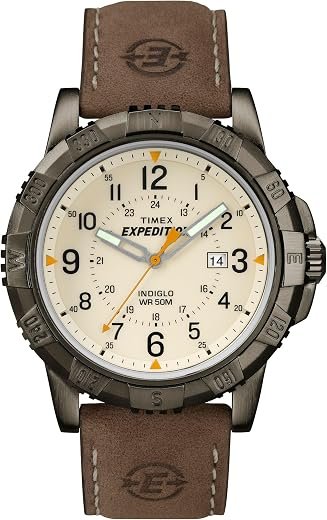
- Timex Expedition Rugged Metal — Classic field styling with Indiglo and a replaceable leather strap; good for everyday wear and easy servicing. Available through major retailers and the brand site.
- Casio MTP‑S120L (solar) — Solar recharging eliminates regular battery swaps and pairs military styling with long unattended runtime; fit for low‑touch owners. Widely sold through online marketplaces and official dealers.
- Casio MDV106 “Duro” (dive‑style) — High water resistance and a screw-down crown make this the pick when water durability matters most; commonly offered at mainstream retailers.
Accessory and follow‑up suggestions:
- Straps: choose a 20–22mm quick‑release NATO or rubber strap for sweat and water exposure; leather for dry, casual use.
- Battery/battery‑life options: prefer solar or long‑life quartz cells; if choosing quartz, budget for periodic cell swaps and watch reseals.
- Next reads: check the guides on recommended straps, long battery‑life options, and robust budget watches for deeper comparisons (links below).
Best for casual field style
Why it fits the shortlist: a classic field aesthetic with practical features and easy strap swaps. The 45mm brass case and mineral crystal balance durability with cost; Indiglo illumination and luminous hands improve low‑light legibility. The 22mm leather strap is replaceable, keeping long‑term ownership simple.
Best for low‑maintenance owners
Why it fits the shortlist: Casio’s solar charging removes routine battery swaps — a full charge can run months without light — and the 42mm stainless case with a 22mm NATO‑style strap offers a field look with 100m water resistance. Low battery alert and solid caseback add to long‑term reliability.
Best for water durability
Why it fits the shortlist: a durable, budget dive‑style option with 200m water resistance and a screw‑down crown for real aquatic use; mineral crystal and a uni‑directional bezel give practical utility without high maintenance. Ideal when swimming, boating, or heavy outdoor exposure is routine.
Immediate checklist and post‑purchase priorities
- Confirm strap fit and comfort immediately.
- Test crown/bezel action; note any play.
- Charge lume, set time/date, and photograph the serial/caseback for records.
Before finalizing the purchase, verify case diameter, lug width, crown action, bezel smoothness, and crystal condition. Make sure the chosen strap style will actually be worn daily.
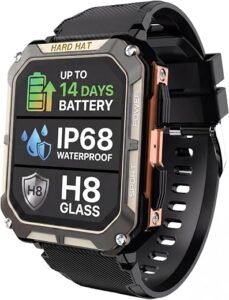
Right after buying, swap to a quick‑release strap, give the dial a long bright‑light charge for lume, register the warranty and photograph the caseback, and schedule a seal test if water exposure is planned. Also check everyday carry tech accessories for complementary storage and tools.
Swap the strap and trim any excess tail.
Test water resistance if planning to swim; avoid immersion until a reseal is confirmed.
Keep spare spring bars and a small screwdriver handy; photograph warranty paperwork and serial numbers.
Timex Expedition Rugged Metal Watch
- Adjustable brown 22 millimeter genuine leather strap fits upto 8-inch wrist circumference
- Cream dial with date window at 3 o'clock; Full Arabic numerals; 24-hour time
- Gray 45 millimeter brass case with mineral glass crystal
- Indiglo light-up watch dial; Luminous hands
- Water resistant to 50 meter (165 feet): In general, suitable for short periods of recreational swimming, but not diving or snorkeling
- Indiglo night-light
Casio MTPS120L Series | Unisex Analog Watch | 100M WR | Stainless Steel Case | 3 Hand Analog (HR, Min, SEC) | Date Display | Low Battery Alert | Military...
- SOLAR POWERED — NO BATTERY SWAPS, EVER — Casio's solar-recharging system converts even faint light from fluorescent lamps into ample energy to achieve stable operation of various high-load functions — meaning the MTP-S120L stays powered through normal indoor and outdoor use indefinitely. Operating time from a full charge runs approximately 8 months without any additional light exposure, making it one of the most maintenance-free everyday analog watches available.
- STAINLESS STEEL CASE WITH MILITARY-INSPIRED NYLON STRAP — The 42mm stainless steel case features a solid caseback and fixed bezel, paired with a 22mm nylon NATO-style strap with a buckle closure. The fabric band has a backing just like a proper military strap — a purposeful, field-watch aesthetic that pairs naturally with the black or olive colorways and fits the 22mm lug width for easy strap swaps.
- DAY & DATE DISPLAY | 24-HOUR INNER BEZEL | LUMINOUS HANDS — The black dial features hour, minute, and second hands, a day and date display, and a 24-hour inner chapter ring. Luminous hands ensure readability in low-light conditions — a practical field-watch detail that keeps the time visible after dark without a backlight. Mineral glass protects the dial from everyday scratches.
- 100M WATER RESISTANT | SCREW-ON CASEBACK | 42MM STAINLESS STEEL — Water resistant to 100 meters (10 ATM), with a stainless steel case measuring 42mm in diameter. The caseback is screw-on, providing additional movement protection — a construction detail typically found on watches at a significantly higher price point. Push-in crown completes the clean, purposeful profile.
- FIELD-WATCH VERSATILITY — NATO STRAP-READY & EVERYDAY CAPABLE — The MTP-S120L is great for a grab-and-go everyday watch — stainless steel case, solar powered, day/date, and thin enough where a NATO strap doesn't make it look too thick on the wrist. Available in Black (MTP-S120L-1AV) and Green (MTP-S120L-3AV) colorways — both built on the same proven solar platform.


5 Comments
I’m torn between a quartz and a solar for a daily beater.
The article says quartz is most accurate with low upkeep and solar is low-touch — but how do I weigh the long-term costs? Battery changes every 2–5 years for quartz vs a rechargeable cell that lasts 8–15 years for solar sounds great, but are solar cells actually replaceable when they finally die? Any practical ownership tips here?
Short answer: solar cells are replaceable but it’s often costlier than a simple quartz battery swap. If you keep the solar charged regularly (wear it outside/near light), you’ll avoid service for many years. For low total cost of ownership, quartz wins if you don’t mind the occasional battery change; for low maintenance and better resale, solar is hard to beat.
Quick question: when you recommend 50–100m WR for EDC, does that cover showering and washing dishes? I worry about reseals after impacts — how often should I realistically plan to get a reseal if I wear it every day?
Love the 36–40mm case suggestion — I have thinner wrists and lug-to-lug is my main concern. The article says under ~48mm lug-to-lug; does that assume thin lugs or is that absolute? Also, any tips on strap tails and quick-release compatibility for aftermarket straps?
Nice rundown but a bit skeptical about the lume section.
You say “lume brightness, color, photo limits” — how should a buyer interpret advertised lume specs? Some brands show glowing studio photos that look wild but in real life are meh. Are there objective numbers to ask for (like luminance in mcd/m2) or is testing the only way? Also, any budget brands that consistently do good lume under $200?