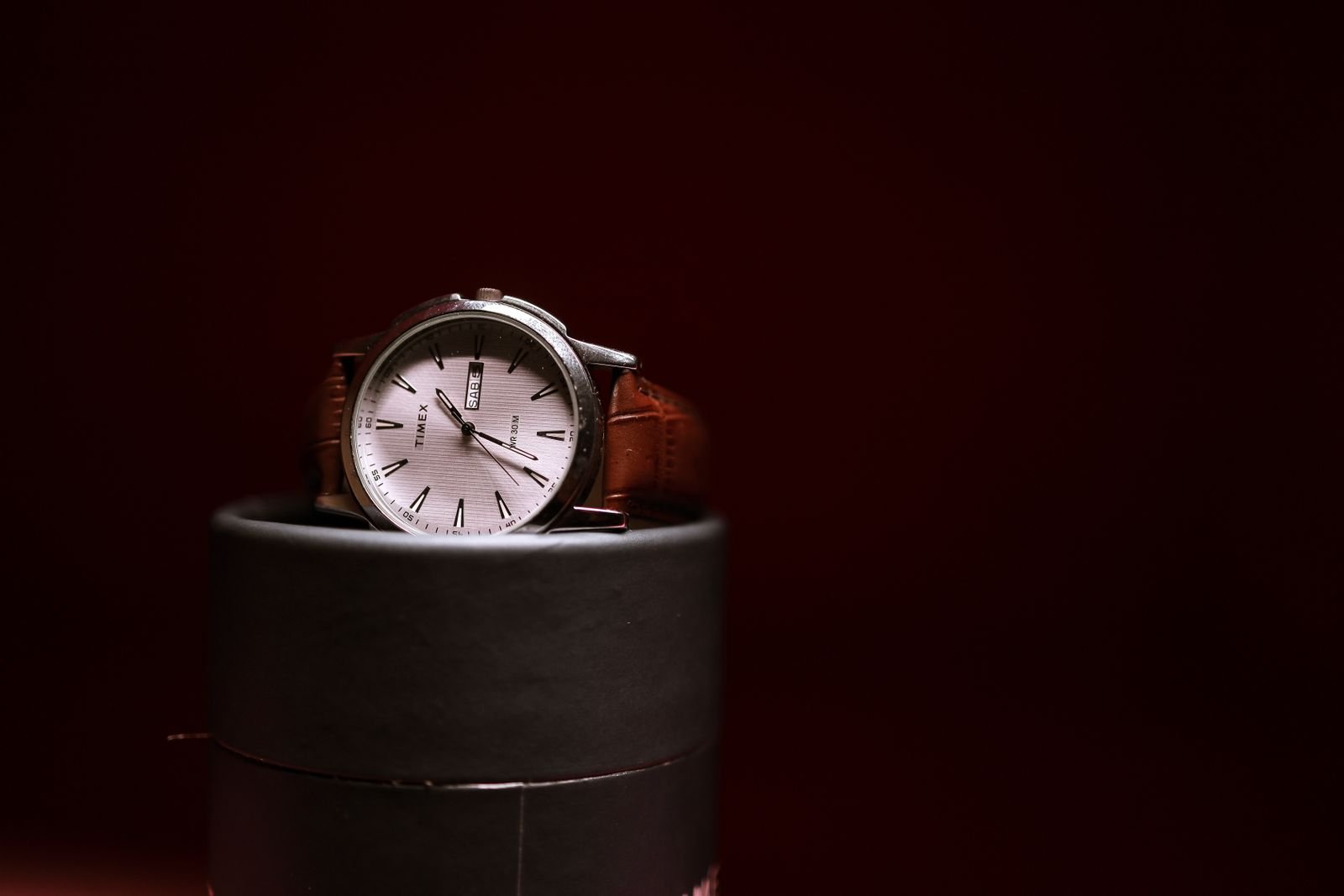
A damp leather strap is not necessarily ruined—but quick, gentle drying matters.
A watch caught in rain, splashed during handwashing, or dampened by sweat needs prompt attention. Blot the strap rather than rubbing it, remove it from the watch if practical, and leave it flat at room temperature. Avoid hair dryers, radiators, and direct sunlight; rapid heating can leave leather stiff or cracked. Apple’s published band-care guidance similarly notes that leather bands are not water resistant and should dry thoroughly before reattachment.
Repeated soaking is more damaging than a brief splash. Moisture, sweat salts, and slow drying can encourage discoloration, odor, stretching, and deterioration around stitching or glued layers. Replacement may be prudent if the strap becomes swollen, brittle, misshapen, or insecure at the lugs. Crucially, a strap surviving water does not confirm that the watch case is water resistant. Case protection depends on its stated rating, seals, condition, and testing—not the band material.
Check the watch and strap separately
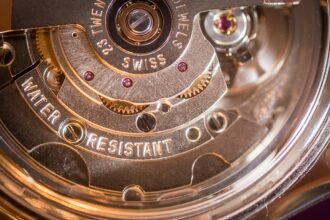
A watch’s water-resistance marking applies to the watch case and its seals, not automatically to the attached leather. The strap maker may permit occasional splashes yet advise against immersion, even when the watch itself carries a substantial rating.
Start with the watch manufacturer’s manual or official activity chart rather than interpreting meters, bar, or ATM literally. This guide to understanding water-resistance ratings can provide context, but model-specific instructions should decide whether swimming is allowed.
Check two separate sets of guidance:
- Watch: permitted activities, crown or pusher restrictions, and recommended pressure-testing intervals.
- Strap: whether the leather is described as water-resistant, swim-safe, or limited to incidental moisture.
Laboratory water-resistance tests are performed under defined conditions. They may not account for aging gaskets, an open crown, forceful water jets, or repeated movement in water. Showering adds further concerns: heat can affect seals, while soap and shampoo can strip oils from leather and leave residue.
If either manufacturer advises against an activity, remove the watch or fit a compatible strap specifically approved for that use.
A “50 m” or similar label is not a promise that every activity at a shallower depth is safe. Follow the manufacturer’s named-use guidance, particularly for swimming, showering, diving, and pressurized water.
Limit everyday moisture exposure
Treated or waxed leather may shed a few droplets, but the finish does not make a strap waterproof. Water can still enter through stitching, adjustment holes, cut edges, and the lining; protective finishes also wear down with use.
Remove the watch before swimming, showering, washing dishes, or prolonged exercise. During rain, cover it with a sleeve when practical. After sweaty activity, take the watch off and wipe the strap’s inner surface with a soft, dry cloth rather than leaving moisture trapped against the wrist.
Also limit contact with sunscreen, perfume, insect repellent, hand sanitizer, oils, and household cleaners. Apple and Garmin leather-band care guidance similarly advises avoiding water and chemical exposure, which can discolor or degrade leather.
For a minor splash:
- Remove the watch and blot the strap gently with an absorbent cloth.
- Let it dry flat at room temperature with good airflow.
- Keep it away from radiators, hair dryers, and direct sun, which may encourage hardening or cracking.
- Wait until it is fully dry before wearing or conditioning it.
If the strap becomes soaked, smells persistently musty, or develops lifting layers or weakened stitching, continued wear may worsen the damage; replacement is generally the safer course.
Dry a wet leather strap without compounding the damage
- Remove the watch from the wrist
Take it off promptly so trapped moisture does not remain against the skin or underside of the strap. Open the buckle carefully rather than pulling or sharply bending softened leather.
- Detach the strap when permitted
Remove it from the case only if the watchmaker’s instructions allow this and the correct spring-bar or quick-release method is understood. Otherwise, leave it attached; a slipped tool can scratch the case or damage the attachment points.
- Blot away surface moisture
Press a clean, soft, absorbent cloth against both sides, the edges, buckle area, and stitching. Do not rub, wring, twist, or repeatedly flex the leather, as wet fibers are easier to distort.
- Restore its shape gently
Lay the strap flat or support its usual curve without stretching it. Straighten obvious folds with light pressure, then stop handling it while it remains damp.
- Let it air-dry slowly
Leave the strap at room temperature in a ventilated place, away from radiators, hair dryers, direct sunlight, and other concentrated heat. Wait until it is fully dry before wearing it or applying any leather-care product approved by the strap maker.
Persistent stiffness, cracking, dye transfer, odor, or loose stitching may indicate that the strap needs professional assessment or replacement.
A dry exterior does not confirm that the watch case stayed sealed. Fogging or droplets beneath the crystal, a wet battery compartment, or abnormal operation can indicate water entry.
Follow the watch manufacturer’s instructions for shutdown, charging, crown or pusher use, and service. Avoid opening the case unless the manufacturer specifically permits it; prompt inspection by an authorized service provider may be necessary.
Condition only after the strap is fully dry
A strap that feels slightly stiff after a minor splash may regain some flexibility with cautious conditioning. Wait until it is completely dry, including the lining and holes; applying conditioner too soon can trap moisture. Check the strap maker’s care instructions, since tanning methods, dyes, adhesives, and protective coatings react differently.
If conditioning is approved, apply a very small amount with a clean, soft cloth. Patch-test it on the underside near the buckle, then allow the test area to dry fully before treating more of the strap. Conditioner can darken pale or unfinished leather, sometimes permanently, and excess product may soften the strap unevenly or leave residue.
Conditioning cannot repair structural damage. Replacement or maker-directed assessment is more appropriate when the strap shows:
- Cracks that open when gently bent
- Peeling or separated layers
- Stretched holes or torn stitching
- A warped core that no longer supports the watch securely
- Persistent odor, tackiness, or discoloration after drying
Finish matters. Suede and nubuck can mat or stain under ordinary leather creams and generally require products specifically labeled for those finishes. Patent leather may need only gentle surface cleaning, while coated or performance leather can lose its finish if treated with oils or waxes. When care instructions are unavailable, leaving the strap untreated—or consulting the maker—is safer than experimenting.
Repeated bending or heavy conditioning can worsen hidden fiber damage. If the strap feels brittle, delaminated, or insecure at the lugs, stop wearing it until it is assessed or replaced.
Build a simple strap-care routine
-
Blot after sweaty wear
Wipe the strap with a soft, dry cloth, paying attention to the underside and keeper loops. Leave it unfastened until moisture has dispersed.
-
Rotate straps between wears
Alternating straps allows each one more drying time. This is especially useful in hot weather or during active days covered in an everyday carry watch guide.
-
Check it weekly
Look for darkened edges, persistent odor, stiffness, surface cracking, or lining separation. These signs call for reduced wear and closer inspection.
-
Inspect attachment points monthly
Examine stitching, spring-bar holes, quick-release tabs, buckle folds, and keepers. Loose threads or stretched holes may compromise retention.
-
Store it cool and ventilated
Keep the watch away from direct sun, heaters, sealed damp containers, and humid bathrooms. Lay the strap open rather than fastening it tightly around a small object.
Inspection frequency should increase after heavy perspiration, rain exposure, or unusually humid conditions.
A strap with torn stitching, enlarged spring-bar holes, delamination, or deep cracking should not remain in daily service. If the damage reaches an attachment point, replacement is generally safer than cosmetic repair.
Match the strap to the activity
- Expected water exposure
Leather suits mostly dry wear. For swimming, paddling, workouts, or frequent rain, choose a manufacturer-compatible rubber, silicone, fabric, or metal strap rated for the activity.
Look forA material suited to repeated wettingAvoidTreating coated leather as waterproof - Fit and attachment
Confirm lug width, spring-bar type, and clasp security against the watchmaker’s specifications. After installation, check that both ends seat fully and resist gentle pulling.
Look forExact dimensions and secure engagementAvoidForcing mismatched bars or adapters - Hardware and comfort
Salt, sweat, and trapped moisture can affect buckles and skin comfort. Select corrosion-resistant hardware, rinse it when permitted, and allow the strap and wrist to dry.
Look forSecure hardware and quick-drying contact surfacesAvoidWearing a damp strap continuously - Watch-case rating
A water-ready strap does not alter the case rating. This remains important even with compact dive watches designed for water exposure.
Look forCase guidance for the specific activityAvoidAssuming a strap swap adds water resistance
Before entering water, verify the case rating, crown position, strap compatibility, attachment security, and clasp closure. Any weak point can make the setup unsuitable, regardless of strap material.
Inspect the strap before wearing it again
- Check dryness Confirm that the surface, underside, lining, edges, and adjustment holes are completely dry. A musty odor, fuzzy or spreading spots, or color rubbing onto a clean, dry cloth warrants further assessment rather than wear.
- Find structural damage Flex the strap gently near the buckle and lugs. Replace it if cracks open, layers separate, stitching loosens, the lining lifts, or holes appear stretched or torn.
- Test attachment security Check the spring bars, quick-release pins, buckle, and lug connections. The strap should sit securely without bent hardware, excessive movement, or partially seated pins. Any doubtful attachment makes the strap unsafe to wear.
- Assess the watch Moisture under the crystal, erratic operation, corrosion, or staining around the case may indicate leakage or watch-head damage. Seek prompt professional assessment; a durable watch crystal for daily wear does not make the case waterproof.
When a leather strap gets wet, blot it promptly and let it air-dry completely away from direct heat. Replace a weakened strap rather than relying on conditioner or temporary repairs.
Before swimming, showering, or another planned soaking, swap the leather for a correctly fitted water-suitable strap and confirm that the watch case is rated for the activity.