
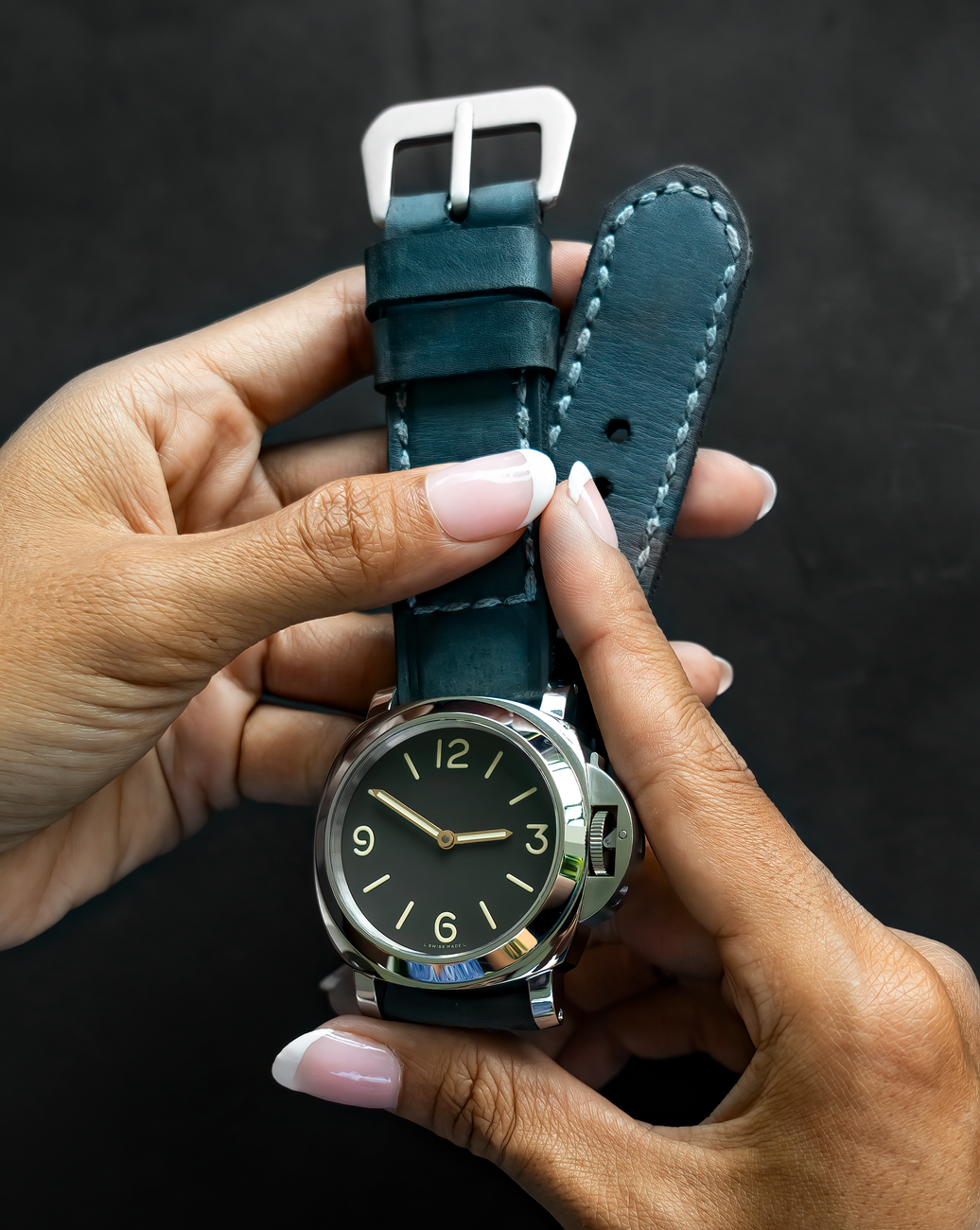
A strap can look perfect online and still miss the case by a single millimeter.
A common scene: the replacement band arrives, the color matches, the leather feels right, and the spring bars still refuse to seat. In most cases, that does not mean the strap is defective. It usually means the lug width was guessed, rounded, or taken from a listing that measured the old strap instead of the watch head.
That tiny error matters. A 20 mm strap will not sit cleanly in 19 mm lugs, while an undersized strap can rattle, shift, and place extra strain on the spring bars. Small measurement mistakes create oversized consequences—unnecessary returns, scratched lugs, and a watch that feels secure until it suddenly does not.
- Lug width is the inside distance between the two lugs, measured in millimeters.
- Even a 1 mm mismatch can affect fit, appearance, and spring-bar security.
Terms that matter
- Lug width
The inside distance between the two lugs where the spring bar sits. This is the measurement that determines whether a straight-end strap or bracelet can attach.
- Case diameter
The width of the watch head, usually measured without the crown. It affects how large the watch looks, not whether a band fits between the lugs.
- Lug-to-lug
The length from the tip of the upper lugs to the tip of the lower lugs. It shapes wrist coverage and comfort, but not the band’s mounting width.
- Strap length
The long and short strap pieces measured end to end. Wrist circumference affects this choice, along with visual proportion.
- Strap taper
A band may narrow as it moves away from the case, but its stated size starts at the lug end. The lug-end width is the fit-critical number.
A slimmer wrist can call for a shorter strap and sometimes a watch that wears with less overhang, but it does not alter the watch’s lug width. Even in guides about checking lug width on smaller wrists, the attachment dimension stays fixed: only the inner gap between the lugs decides whether the band can fit.
Set up the watch before taking any reading
-
Choose calipers first
Digital or vernier calipers usually give the cleanest result because the jaws can touch the inner lug faces squarely and read in millimeters with little guesswork.
-
Use backups cautiously
A rigid metal ruler or a printed millimeter gauge can work in a pinch, but edge thickness, parallax, and worn markings make 1 mm mistakes more likely.
-
Remove the strap or bracelet
Curved end links, thick leather ends, and quick-release hardware can hide the true gap between the lugs.
-
Clean the lug area
Dust, dried sweat, and adhesive residue can keep measuring jaws from seating fully, especially on tight 18–20 mm openings.
-
Stabilize the watch on a soft, flat surface
A folded cloth stops the case from rocking, which helps prevent a diagonal reading instead of a straight one.
Measuring with the spring bars still installed often adds visual clutter and encourages an angled measurement. If a caliper shows an odd decimal, checking jaw alignment usually matters more than rounding the number immediately.
Measure between the lugs with calipers
- Zero the tool first
Digital calipers should read 0.00 mm when closed. Any offset, dirt on the jaws, or low battery can introduce small errors that matter at this scale.
- Seat the jaws flat against the inner lug faces
Open the outside jaws and place them squarely on the two inner faces where the spring bar sits. The jaws should touch metal evenly, not catch the chamfered edge, drilled-hole lip, or curved case flank.
- Close with only light pressure
Bring the jaws in until they just contact both sides. Squeezing harder can tilt the calipers, ride up an edge, or slightly spread a thin lug gap reading.
- Read the gap, then measure again
Take at least three readings, removing and reseating the calipers each time. Consistent numbers matter more than a single precise-looking display; if readings vary, jaw angle is usually the cause.
- Expect a standard whole-millimeter size
Most watches resolve to common widths such as 18, 20, 21, 22, or 24 mm. If the display lands between sizes, the buyable size is usually the nearest clean whole-millimeter reading confirmed repeatedly, not an odd fractional value.
If the watch still has its strap attached, measuring the gap from the strap side often hides the true inner faces and tends to understate the width.
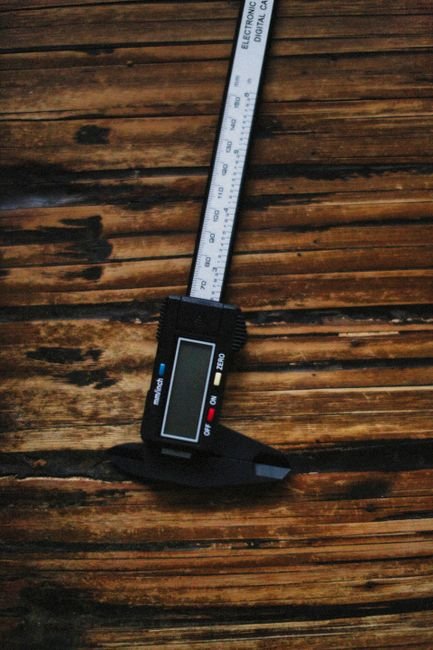
Use a ruler only when calipers are unavailable
- Choose a millimeter ruler
A rigid ruler with clearly printed millimeter marks is the minimum standard. Inch scales invite rounding and later conversion errors, especially around common sizes such as 19, 20, 21, and 22 mm.
- Center the zero mark precisely
Place the watch flat and align the ruler so the 0 mark sits exactly on the inner edge of one lug. The ruler must cross the gap straight through the center, not on a diagonal.
- Read at eye level
Lower the line of sight until the scale is viewed straight on. Reading from above or from an angle can shift the apparent width by enough to misorder a strap.
- Round down when the mark is unclear
If the opposite inner edge falls between two millimeter lines, treat the reading cautiously and favor the smaller whole millimeter. That reduces the chance of forcing an oversized band between the lugs.
A ruler can confirm an obvious size, but it cannot match the repeatability of calipers on tight tolerances.
Order replacement bands by the direct millimeter reading only. Converting fractions of an inch after the fact often creates avoidable mistakes, particularly when retailer size lists assume whole-millimeter lug widths.
Odd lugs do not change what gets measured
The reading still comes from the inside gap where the spring bar sits.
Lug curvature changes how a strap falls away from the case, not the attachment width itself.
The nominal width remains the spring-bar gap, though strap thickness and end shape may need extra clearance.
These cases often block bulky leather shoulders or stiff rubber ends, creating a clearance problem rather than a width problem.
They do not change the measured width; they only affect installation method and sometimes strap compatibility.
A thick bar or tight hole placement can rule out some strap holes, but the bar still spans the same gap.
Rubbing often comes from end geometry, padding, or stiffness even when the width is correct.
A thinner strap, curved end, or different material can clear the case without changing the lug-width size.
An accurate lug-width reading answers only one question: how wide the attachment point is. It does not guarantee that every strap of that width will clear the case, tuck under hooded lugs, or flex around short spring-bar shoulders.
When fit looks questionable, compare:
strap thickness near the spring bar stiffness of the end section straight versus curved ends spring-bar diameter and hole sizeThat keeps width and clearance as two separate checks, which prevents many false re-measurements.
Turn the number into a compatible strap
How to measure watch lug width
A 20 mm lug width calls for a strap or bracelet that is 20 mm at the spring-bar end. Taper does not change that rule: a 20→18 mm leather strap still fits a 20 mm watch because only the attachment end must match. To learn how to perform a watch lug width measurement, check the guidelines for accurate sizing.
Tolerance depends on construction:
- Leather and fabric can compress slightly, so a very snug exact-width fit often works.
- Rubber varies by stiffness; soft silicone is forgiving, while thick molded rubber may bind against the lugs.
- Metal bracelets with fitted end links are the least tolerant. Width, curvature, and the shape of the case between the lugs all have to match.
A correct width still does not guarantee installation. Some watches need a specific spring-bar diameter, shoulder style, or bar length tolerance. Quick-release levers also need enough finger clearance between the strap and case.
Case geometry matters just as much. Tight lug gaps, drilled lugs, hooded lugs, and cases with little underside clearance can reject, watch lug width measurement.
- heavily padded leather
- thick two-piece rubber straps
- curved-end straps made for another case profile
When a listing says fits 20 mm lugs, that confirms width only. End shape, thickness, and spring-bar compatibility still determine whether the band actually seats cleanly and moves freely.
Two 20 mm bracelets can differ enough to be incompatible. Solid end links are usually model-specific, and even straight-end bracelets can fail if the first link hits the case or the supplied spring bars are too thick.
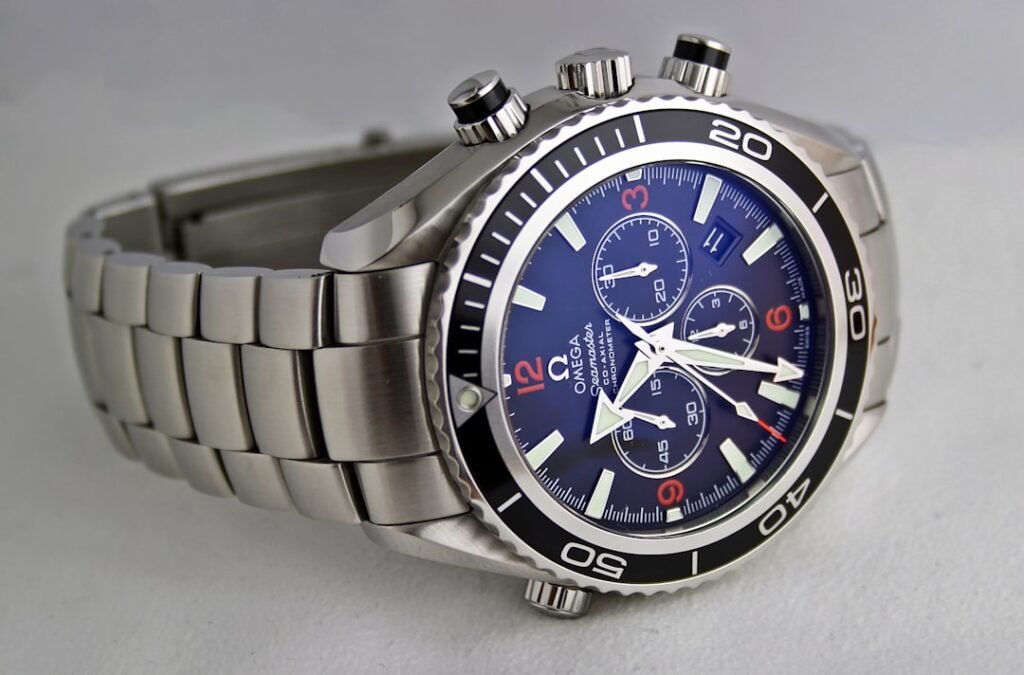
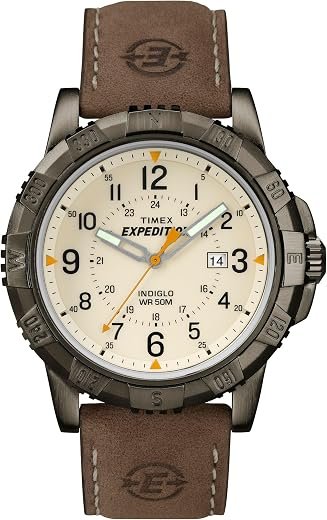
- Measure the gap Lug width is the inside distance between the lugs where the spring bar sits — not the case diameter or lug-to-lug length.
- Calipers first Digital or vernier calipers give the most repeatable reading; a millimeter ruler is a fallback only.
- Match the size Order a replacement strap by the exact millimeter width — most watches resolve to a standard whole-millimeter size like 18, 20, or 22 mm.
Frequently Asked Questions
What tool gives the most accurate lug width reading?
Digital or vernier calipers give the cleanest result because the jaws touch the inner lug faces squarely and read directly in millimeters.
Can I measure lug width with a ruler instead of calipers?
Yes, a rigid millimeter ruler can work as a fallback if the zero mark is centered exactly on the inner lug edge and read straight on at eye level, though it is less repeatable than calipers.
Does case diameter tell me the lug width?
No. Case diameter measures the width of the watch head, while lug width is the separate inside distance between the lugs where the spring bar sits.
Why does my caliper reading fall between two millimeter sizes?
Most watches use a standard whole-millimeter width such as 18, 20, 21, 22, or 24 mm. An in-between reading usually means the jaws were not seated flat, so take several readings and favor the nearest clean whole-millimeter value.
Should I convert an inch measurement to millimeters when ordering a strap?
No. Order replacement bands using the direct millimeter reading, since converting from inches after the fact is a common source of sizing mistakes.
Before checkout, a quick cross-check catches most mistakes: match the listing’s attachment width to the measured lug gap, verify that any taper refers only to the buckle end, and check that strap thickness at the spring-bar ends will clear the case. If a product page shows a width range or mixes units, the dependable number is the exact millimeter width where the strap meets the lugs. On a daily-carry watch, a firmer strap can steady a heavier case; on a thin dress watch, the same padding may look bulky or bind.
Only after fit is confirmed does material become the real choice. Leather changes formality and break-in, rubber favors moisture and impact, and nylon adds under-case thickness. Wear pattern should decide that last step, not guesswork about size.


10 Comments
The strap length note was the part I needed. So many guides make it sound like wrist size changes everything, when really it changed the LENGTH I needed, not the attachment width.
I have a tiny wrist and kept second-guessing whether my 18 mm measurement was somehow “too big” for me. Nope. Band clicked in fine, just had to buy the short version.
Step about using a ruler “only if you have to” felt very real lol. I tried with a ruler first and thought my watch was 21 mm, then checked with calipers and it was clearly 22.
That 1 mm warning is not exaggeration at all.
That happens a lot, especially when the ruler markings are thick or the angle is slightly off. If a ruler is all you have, viewing straight at eye level and ordering by the exact millimeter reading helps, but calipers definitely remove most of the guesswork.
Maybe I’m the only one, but step 3 was still awkward for me. Getting the caliper jaws perfectly square between the lugs on a small watch is harder than this post makes it sound.
I kept worrying I was pressing too hard and getting a false reading. Ended up measuring three times like you suggested and got 19, 19, then 20… so now I’m still not 100% sure what to order.
If you’re seeing 19 twice and 20 once, I’d start by checking whether the jaws were touching the inner lug walls fully or catching a slight angle on one pass. Light pressure is best, and on smaller watches it often helps to rest the case flat and measure from directly above.
If the true gap is right on the edge visually, ordering the exact spring-bar-end width matters more than “rounding up to be safe.” In most cases like this, the repeated lower reading is the better clue.
This actually saved me from ordering the wrong band again. I kept mixing up lug width with the watch diameter like an idiot 🙃
Measured between the lugs with calipers, got 20 mm, ordered 20 mm, and for once it fit without that annoying side-to-side wiggle.
One thing I’d add: clean out the gunk between the lugs before measuring. I thought my old field watch was 18 mm, but there was literally years of dust and skin junk in there making the ruler sit crooked. Gross, but true.
After cleaning it and removing the strap, the measurement was way easier to see.
Yep, same here. People underestimate how much old grime or even a bent spring bar can throw off a quick reading.
Short and useful, which I appreciate. Final check on width + taper + clearance before choosing style/material is the exact order more people should follow.
Too many of us pick the cool strap first and ask questions later lol.
I learned this the expensive way. Bought a “universal” replacement band online, which apparently means universal except for my watch 😂
The article’s distinction between taper and lug width should be printed on every marketplace listing.