
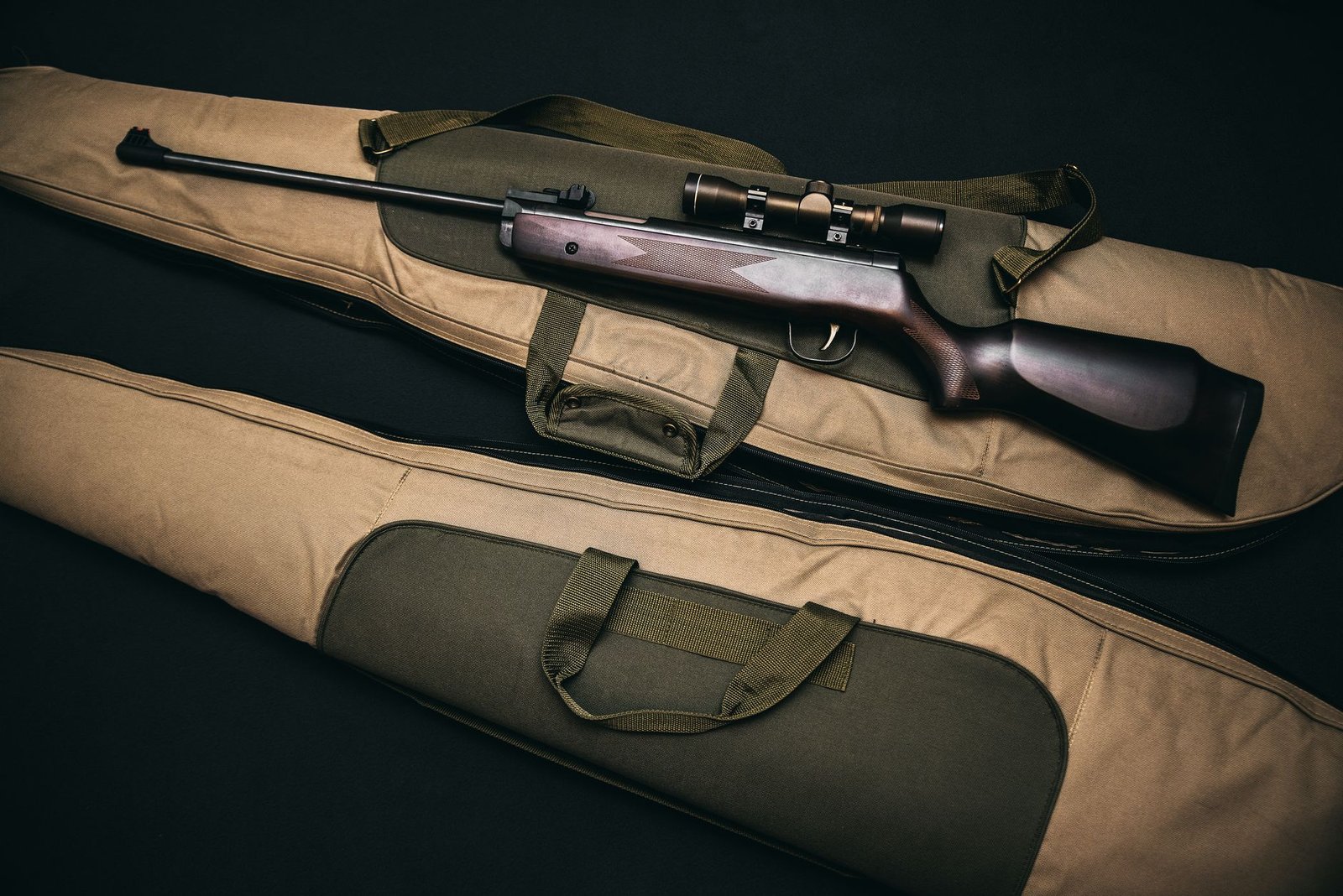
A first range bag fails from one missing basic, not from lacking fancy extras.
On the floor sits a pistol case, loose ammo, targets, a multitool, and three gadgets that looked useful online. The key distinction is simple: some missing items are annoying; others end the trip. Eye and ear protection, the firearm, the correct ammunition, and any magazine or loading gear needed to run it are the true session-makers. Forgetting a marker or snack is inconvenient. Forgetting muffs or the right ammo can mean packing up early.
A beginner bag does not need to be elaborate. It only needs to protect, enable, and smooth out a short visit: safety gear first, shooting essentials second, then a few comfort items that reduce friction and keep attention on the basics.
- Foam plugs plus over-ear muffs can make indoor lanes more manageable.
- A simple zip pouch keeps small items—chamber flag, batteries, lens cloth—from disappearing in the bag.
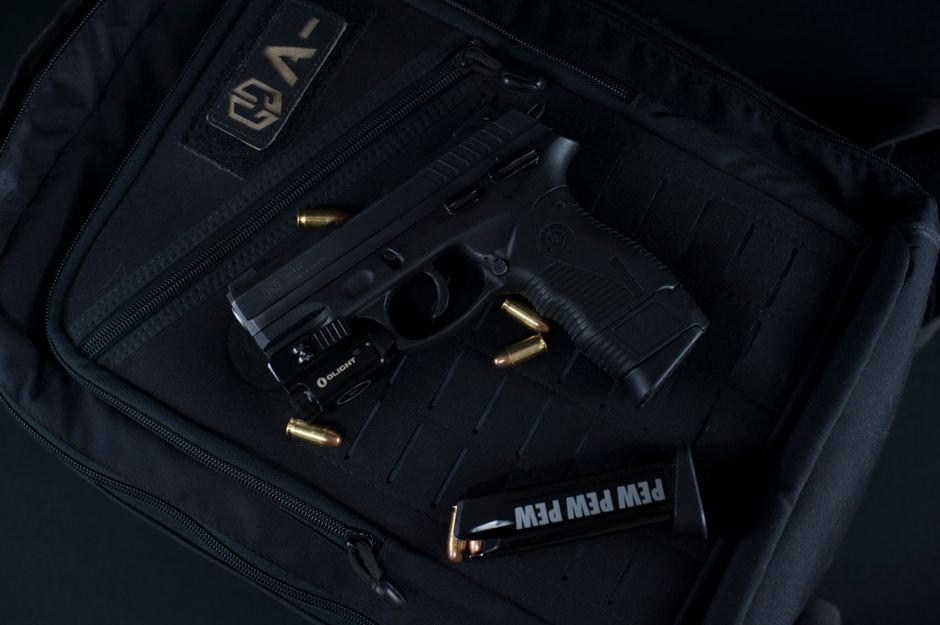
Choosing the bag
A range bag does not need to be purpose-built. For a first trip, it only needs to do three jobs well: separate small items, protect what should not get crushed or mixed, and keep essentials easy to reach once the bench gets busy.
The common failure point is not the wrong logo or style. It is a single big cavity that turns into loose earplugs, mixed ammo boxes, tangled loaders, and a search for eye protection at the worst moment.
What matters more than the label
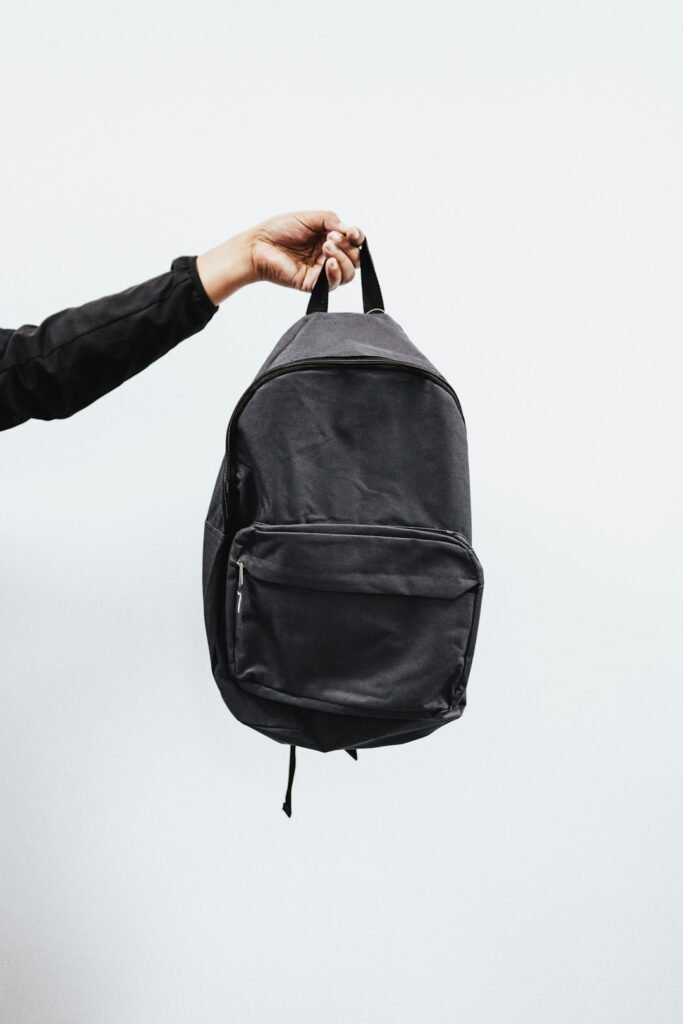
A regular backpack, small duffle, or sturdy tool bag can all work. The better choice depends on layout more than category:
- Backpack: easiest to carry from car to bench
- Duffle: fastest top-down access during a session
- Tool bag: often best internal structure for small gear
For one handgun session, smaller usually organizes better. A bag that holds the essentials with limited spare room is less likely to become a catch-all for random extras. If the packed bag stands upright, opens wide, and keeps small items in dedicated pockets, it is already doing the job.
What to look for first
- Wide opening
Seeing the contents at a glance reduces digging and bench clutter.
Look forMain compartment opens broadly and stays openAvoidNarrow zip opening that hides gear - Basic separation
A few zones prevent loaders, ammo, and safety gear from mixing.
Look forTwo to four useful pockets or dividersAvoidOne empty cavity with no organization - Some structure
A bag that collapses flat is harder to load and use.
Look forStands up when set downAvoidSoft bag that slumps over - Right-size capacity
Enough room for one outing is better than unlimited space.
Look forFits one session without strainAvoidOversized bag that invites loose extras

What actually belongs in a first range bag
-
Firearm, correct ammunition, and a simple case
The core loadout is short: the firearm, the exact caliber it uses, and a basic case or sleeve for transport between bench and vehicle. Mixing calibers in one loose pouch is a common beginner error, so ammo boxes or clearly marked containers help.
-
Eye and ear protection
Pack both, even if the venue sometimes sells or loans them. Electronic muffs can make safety briefings easier to hear, but plain muffs or plugs still cover the essential job.
-
Magazines or loading gear
At least one working magazine, or the relevant speedloader/stripper clips for the platform, keeps the session moving. A small pouch for loaded and empty magazines prevents loose parts from disappearing into the bag.
-
Targets and basic range tools
Paper targets, a marker, and tape or a staple gun cover most public lanes. A chamber flag, bench mat, or small towel can also be useful, especially at indoor ranges or on shared benches.
-
Venue-specific extras
This is the only category that varies much: ID, membership card, lane reservation confirmation, brass bag, ammo restrictions, target rules, or a requirement that firearms arrive cased and unloaded. Most first bags feel complete once these checks are added to the short universal kit above.
Some venues limit steel-core, steel-case, tracer, or rapid-fire use. Others require factory targets only, a chamber flag, or one firearm per lane case. A 30-second rules check before packing can prevent the classic first-trip problem: having everything needed to shoot, but not everything needed to be admitted.
The bag is not the whole system
The bag is only one part of the setup
A first range bag can be perfectly packed and still not be trip-ready. The bag carries shooting gear; it does not automatically cover vehicle transport, home storage, or check-in procedures at the facility.
Many ranges set their own requirements for chamber flags, cased firearms, magazine limits, ammo types, or where handling may begin. State and local law can also affect whether firearms must be unloaded, separated, or secured in transit. That is why a “complete” setup depends on destination, not just contents.
A lock is a good example. Whether a range bag needs a lock is separate from whether the firearm itself must be locked in a case during transport. Those are different questions with different answers.
A dependable first-trip check has two columns:
- In the bag: gear for shooting
- Outside the bag: transport, storage, and facility-entry requirements
A bag can be fully stocked and still miss a venue rule or transport requirement. Range policy and local law may change what counts as ready.
A range bag works best when it follows the session, not the catalog
- Keep check-in items in the first pocket opened
Bench annoyance usually starts before shooting does: entry cards, ID, lane paperwork, and a pen get buried under gear that will not be touched for another ten minutes. A flat exterior pocket or top lid pocket works best for the items used at the counter and nowhere else.
- Build the main compartment in shooting order
The center of the bag can hold the equipment touched repeatedly on the bench: eye and ear protection, magazines or speed loaders, loading aid, ammunition, and the cased firearm or pistol rug. When packed in use order, the bag opens once and the working items appear immediately instead of being excavated from separate corners.
- Confine small support gear to one pouch
Tape, marker, batteries, a small tool, and spare foam plugs are easy to lose because each is tiny, not because the bag lacks pockets. One bright zip pouch creates a repeatable home for them; a fuller system for keeping gear findable can come later if the kit grows.
- Leave one space empty for the trip home
Used targets, a dirty cloth, dead batteries, brass bags, and packaging need a temporary landing spot. An intentionally empty pocket or gallon-size bag prevents the end-of-session sweep from contaminating the clean side of the kit and makes unloading much faster.
Small backups that earn their place
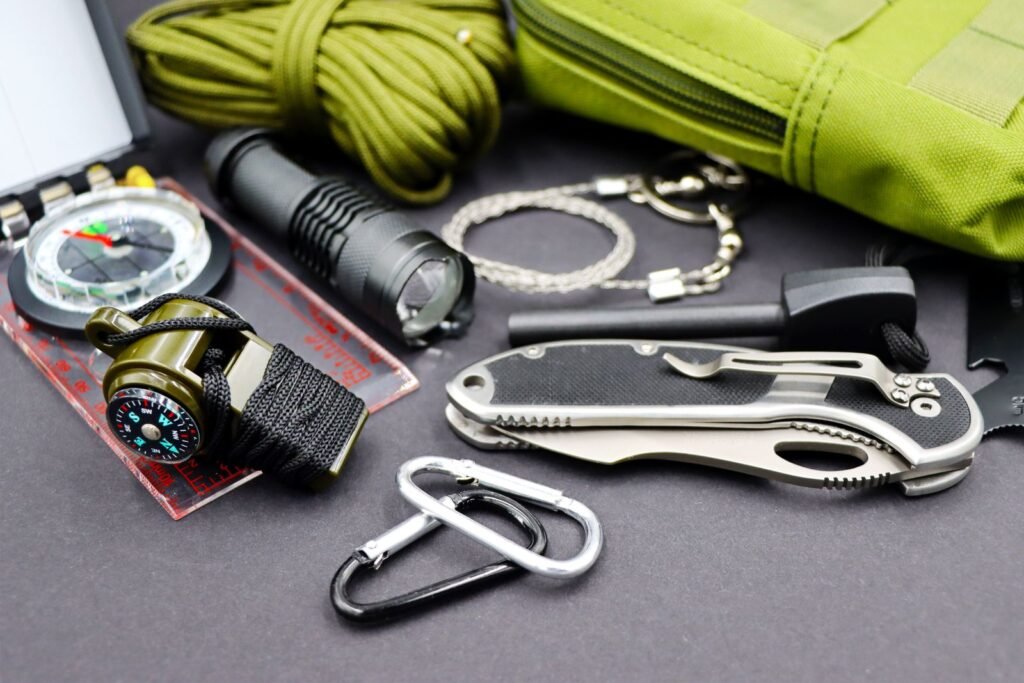
Once the core kit is set, a few small backups can prevent the most common session killers: dead electronics, loose screws, unmarked targets, and grimy hands. The useful test is simple—if an item solves a likely interruption, weighs almost nothing, and earns its place across many trips, it belongs. If it exists mainly for just-in-case fantasies, it stays home.
- Spare batteries for electronic ear protection or optics
- Small multitool or driver sized for sight, optic, or accessory screws
- Painter’s tape or another light target-fixing option, where range rules allow it
- Marker or paster dots for labeling magazines and spotting hits
- Shop rag or wipes for oil, dust, or dirty hands
- Water and a light snack, if the venue permits
These are convenience items, not a rite of passage. A short list of compact problem-solvers keeps the session moving without turning the bag into a toolbox.
Indoor vs. outdoor changes everything
An indoor first trip can stay lean. Climate control, fixed benches, target carriers, and short walks from the car remove many variables, so the bag mainly carries shooting essentials and a few small backups.
Outdoor sessions change the equation quickly. Wind, dust, uneven ground, longer walks, and the absence of loaner gear can matter more than whether the shooter is brand-new or experienced. A useful outdoor packing checklist usually adds support items that barely matter indoors.
- Weather management: hat, sunscreen, a light rain layer, towel, and zip bags for targets or notes.
- Site logistics: stapler or tape for target frames, extra water, a trash bag, and a folding mat if benches are rough or absent.
- Gun protection: lens cloth, dust brush, and a bag with better sealing; in wet climates, a bag that resists rain and mud can protect ammunition, electronics, and paper targets.
- Recovery margin: more ammo, more magazines, and a few extra batteries, because the parking lot or clubhouse may be far away.
The main shift is environmental, not skill-based. A beginner on a covered indoor lane may need less than an expert on a windy outdoor bay.
More gear rarely means a better first range day
A beginner practice bag only needs what supports one calm, ordinary session.
Timed matches justify more redundancy, spare gear, and stage tools. A first-match loadout solves different problems than a lane or bench session.
Unused space is part of a workable bag.
Room keeps essentials visible, separates clean items from dirty ones, and avoids the layered clutter that causes forgotten magazines or mixed ammunition.
A backup earns space only when it solves a likely interruption that day.
Tape, batteries, and a small tool often rescue a session; bulky parts kits and niche gadgets usually ride along untouched.
Frequently Asked Questions
What are the true must-haves for a first range bag?
Eye and ear protection, the firearm, the correct ammunition, and any magazine or loading gear needed to run it are the session-makers. Forgetting a marker or snack is inconvenient, but forgetting muffs or the right ammo can end the trip early.
Does a range bag need to be a special purpose-built product?
No. A regular backpack, small duffel, or sturdy tool bag can all work. What matters more than the label is a wide opening, basic separation between items, some structure so it does not collapse flat, and right-size capacity for one session.
What is the best order to pack a range bag?
Keep check-in items like ID and paperwork in the first pocket opened, build the main compartment in shooting order with protection, magazines, and ammunition, confine small support gear like tape and batteries to one pouch, and leave one space empty for used targets and trash on the way home.
How does packing for an outdoor range differ from an indoor one?
Indoor trips can stay lean since climate control and fixed benches remove many variables. Outdoor sessions add items like weather protection, site logistics such as tape or a folding mat, extra gun protection from dust and moisture, and a larger margin of ammo, magazines, and batteries.
Pack in the same order every time
- Top layer: paperwork, eye and ear protection, entry items.
- Center: firearm, magazines, correct ammunition, loading gear.
- Side or small pocket: batteries, tape, marker, wipes, compact tool; dirty-return bag last.
A repeatable bag starts with access, not volume. Put the first-used items on top, the firing essentials in the middle, and the low-frequency fixes at the edges.
A simple filter keeps growth under control: an item belongs only if it is required by rules, used on most trips, or likely to save the session quickly. Everything else can stay home until the session type changes.

14 Comments
When you say the bag is not the whole system, does that mean some stuff should stay out of the range bag on purpose?
I’m trying to understand the difference between what’s in the bag vs how the gun is transported to the range. Feels obvious once you say it, but I still get mixed up.
The “bench clutter comes from placement” line hit home. My first time out I basically dumped everything onto the lane shelf like I was unpacking groceries.
Do you have a simple example of how you’d set up those check-in / active-use / support / dirty-return zones at an indoor lane where there’s barely any room?
Yes—at a tight indoor lane, I’d keep the active-use zone extremely small: firearm, current magazine or loading item, and the ammo box currently in use.
Check-in items like ID, stapler, target pack, and anything only needed once can go back into the bag immediately after setup. Support items like spare ear plugs, tape, marker, batteries, and wipes stay zipped in a side pocket until needed. Dirty-return means used targets, trash, and anything sooty or wiped down goes into one dedicated pocket or bag so it doesn’t contaminate everything else on the ride home.
Good article overall, but I still think some “small backups” become mandatory way faster than people admit. If ear pro batteries die, that’s not just a convenience problem.
Same with a marker and tape if the range doesn’t have what you thought they’d have. Maybe this is nitpicky, but I think first-timers benefit from a slightly more assertive checklist.
This was actually reassuring to read. A lot of videos make it seem like I need some giant operator-looking bag with 40 pockets just to go shoot one box of ammo.
For a first indoor range trip, is a regular gym bag *too* dumb of an option if I keep things separated inside pouches?
Not dumb at all. A gym bag can work fine for a first trip if it opens wide, keeps items from piling into one another, and lets you separate ammo, eye/ear protection, targets, and small accessories.
The main tradeoff is structure. A purpose-built range bag usually makes access easier and keeps heavy or dirty items from shifting, but you absolutely do not need a tactical-looking bag to have a smooth first session.
The indoor vs outdoor section was the most useful part for me.
People always talk about guns/ammo/mags, but nobody mentions the dumb stuff that suddenly matters outside, like mud, no nearby bench, wind blowing paper targets around, or having to carry your stuff farther than 20 feet.
Not really a question, just saying that distinction should probably be stressed even more for first-timers.
I liked the “pack by use order” advice, but I’m wondering how literal that should be.
Do you actually arrange the bag so the first thing you touch at the range is on top, then active-use stuff next, then backups lower down? Or is it more just a mindset so you don’t bury essentials under random junk?
I appreciated the point about “one-session sizing.” I made the classic beginner mistake of assuming bigger bag = smarter purchase 😅
One thing I’m still unsure about: where do spare mags fit in your list? Are they part of the core kit / loading gear, or more of an optional convenience item for a first trip?
For most people, spare magazines fit under loading gear or operating items because they directly affect how smoothly the session runs. If your firearm uses detachable magazines, bringing at least one spare is usually very helpful.
That said, I still treat quantity differently from necessity. One or two working mags can be enough for a first trip; bringing eight just because a catalog photo did is usually unnecessary.
Yeah this got me too. I brought a pile of mags my first time and spent more energy keeping track of them than actually learning anything lol.
Super beginner question: for “correct ammo,” are you mainly warning people about caliber, or also grain/type?
Like if my pistol says 9mm, is any 9mm range ammo generally okay for a first session, or is that too simplified?
This helped, but I still feel weirdly anxious about forgetting something important and showing up looking clueless 😂
If you had to give a true bare-minimum first-trip checklist for an indoor range with rentals *and* one for bringing your own firearm, what would be on each? I know the article basically covers it, I’m just the kind of person who wants the final simplified version in one place.
Maybe I’m overthinking this, but the article says comfort extras only reduce friction. Fair. But if I’m shooting outdoors in summer, water and sunscreen don’t feel like “extras” lol.
I guess my question is where you draw the line between comfort and actual need once weather becomes a factor.