
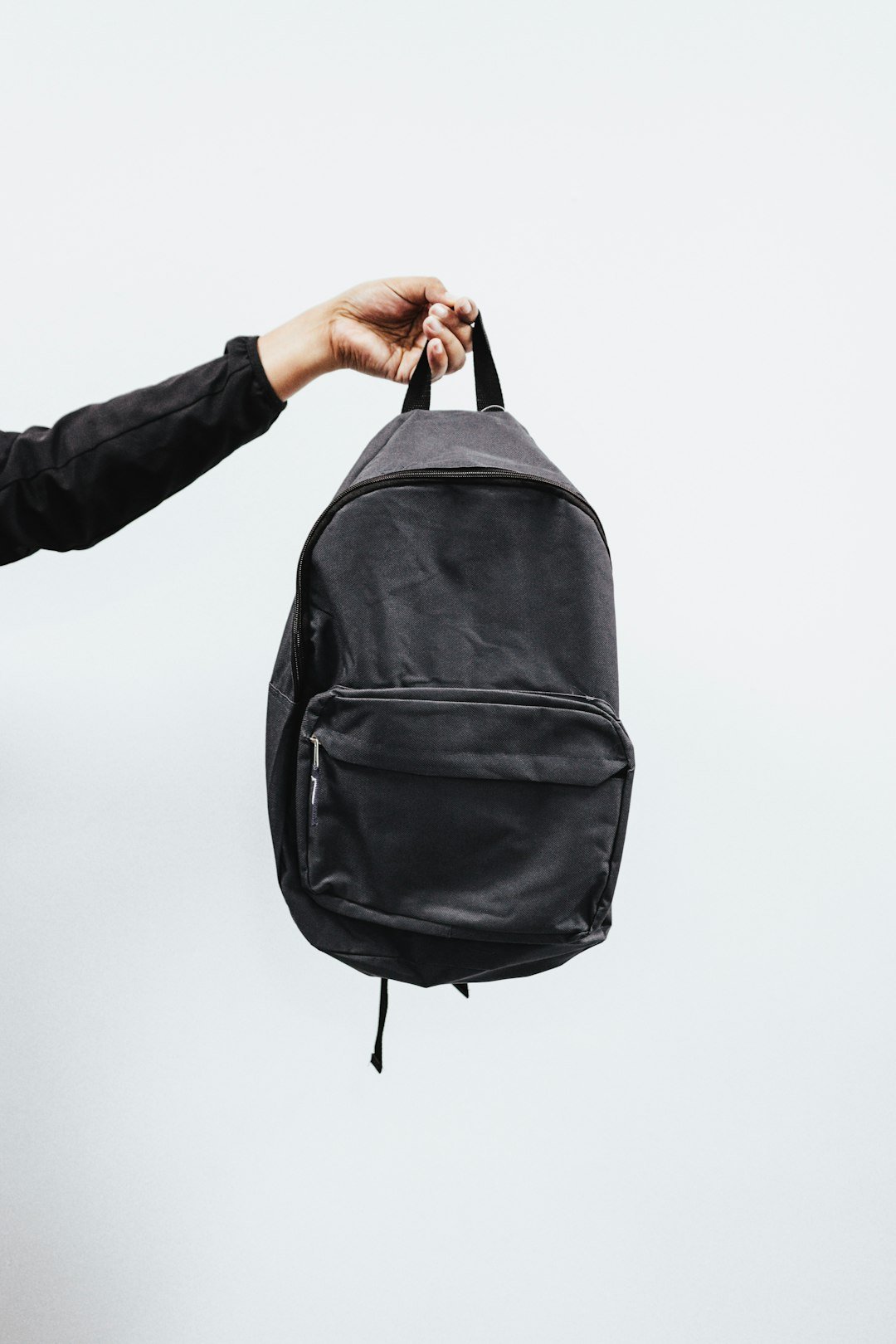
A backpack can reach the range without being built for what happens there.
The spare school bag in the closet often looks perfectly capable: padded straps, several pockets, and enough room for eye protection, ammunition, hearing protection, targets, and a water bottle. For a light, occasional outing, that may be true. A regular pack is not automatically unsuitable simply because it lacks a range label.
The calculation changes when contents become dense, abrasive, dirty, or safety-sensitive. Loose cartridges can disappear into a lining; metal-edged magazines and tools can wear through thin pocket fabric; residue and dust can migrate onto items later used for work, school, travel, or food. Hiking packs add another wrinkle: their tall, narrow load shape and lightweight suspension excel with soft outdoor gear, not compact weight concentrated at the bottom. Suitability depends on the exact load, how it is contained, and whether the bag can remain organized, stable, and purpose-separated after use.
- A simple pack works best when hard items are individually contained rather than loose.
- Repeated heavy loads expose weak zippers, unreinforced seams, and sagging shoulder straps early.
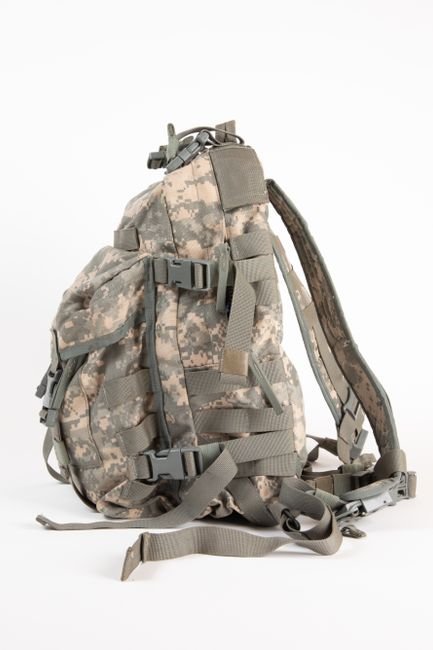
What the backpack needs to do
A range backpack is not a distinct class of object so much as a bag organized around a particular job. At its simplest, that job may be carrying eye and ear protection, a small cleaning kit, gloves, water, targets, and a few compact accessories from vehicle to firing point. A regular daypack can handle this role well when the contents are light, clean, and limited.
The demands change as the outing becomes longer or the equipment becomes denser. A full-day setup may need stable storage for heavy ammunition, magazines, tools, weather layers, food, spent-brass containment, and separate compartments for clean and dirty items. That is where purpose-built range bags tend to earn their bulk: wide openings, reinforced bases, rigid or removable organizers, and pockets sized for awkward gear.
A generic backpack is most plausible when it functions as an accessory carrier, not the sole organizer for every item. Its suitability depends less on camouflage, patches, or a “tactical” appearance than on practical details:
- Load control: heavy items sit close to the back and do not shift.
- Separation: eye protection and electronics stay clear of loose tools or residue.
- Access: frequently used items can be found without emptying the pack.
- Cleanup: the interior can tolerate dust, grit, and occasional spills.
In short, a standard pack can cover a short, light trip; more equipment exposes its limits quickly.
Load control matters more than capacity
Range equipment is unusually demanding because much of its weight is compact and mobile. Ammunition, tools, magazines, hearing protection, water, and hard cases can occupy little volume while creating a concentrated load that shifts whenever the bag is lifted, set down, or carried over uneven ground. A roomy main compartment alone does not prevent that movement.
A suitable pack keeps heavy items close to the back and low enough to remain stable without dragging the load downward. Useful structural details include a firm back panel, broad shoulder straps with dense foam, durable stitching at strap anchors, a reinforced base, and compression straps that remove empty space around the contents. Internal dividers, removable organizers, or padded sleeves can prevent hard items from striking each other and help isolate dusty or damp gear from personal items.
Hiking packs and casual daypacks
A hiking pack generally handles weight better. Its frame sheet or stays, contoured harness, hip belt, and load-lifter straps are designed to transfer part of a dense load to the hips and stop it from pulling away from the torso. Compression systems are particularly effective when the pack is only partly full. The trade-off is access: tall, top-loading designs may bury small items beneath layers of clothing or other equipment, and a large hiking pack can be awkward at a crowded bench.
A casual daypack usually offers faster, simpler access through a wide zip opening and familiar pockets. It can work well for a light session with boxed supplies and soft accessories. Its limitations appear as weight rises: thin straps, flexible backs, lightly supported bottoms, and minimal compression allow dense contents to sag, swing, and concentrate stress at zippers and seams.
The practical test is not whether everything fits at home. It is whether the packed bag remains balanced, protected, and easy to retrieve from after a walk and repeated opening.
A pack can feel adequate when empty yet become unstable once dense gear is added. Strap-anchor stitching, zipper tracks, the base, and the back panel usually reveal the difference first.
Pack in zones, not piles
A range bag works best when every item has a clean zone, a range-use zone, or a dirty-return zone. That distinction matters more than the number of pockets: loose gear migrates, and residue on gloves, spent-brass containers, eye protection, or exterior cases can turn a commuter bag into a catch-all.
Start with a fixed inventory of what belongs in a range bag, then assign each item a home. Small zip pouches or rigid cases keep batteries, tools, hearing protection, and maintenance items from mixing. A clearly marked pouch for documents, keys, and a phone remains a clean-only compartment.
Build a dirty-return zone
Reserve one exterior pocket or a removable, wipeable pouch for used gloves, empty packaging, damp cloths, and other items that have been on the firing line. A shallow plastic tray, coated nylon insert, or sealed utility pouch creates a barrier between that material and the pack lining. It also makes cleanup faster: the insert can be removed and wiped without emptying the whole bag.
Use this simple order when loading:
- Bottom: dense, protected items that are unlikely to be needed first.
- Middle: boxed consumables and tools, held close to the back panel.
- Top or quick-access pocket: eye and hearing protection, notebook, and other arrival items.
- Separate contained area: anything used, dirty, wet, or residue-prone on the return trip.
Avoid putting snacks, water bottles, or everyday electronics into the dirty-return area. After the session, empty that zone first, wipe its barrier, and leave the main compartment reserved for clean gear. The result is an ordinary backpack that remains usable away from the range rather than becoming permanently dedicated to it.
Supplies belong in the pack; firearms need a case
A regular backpack is often entirely adequate for supporting range supplies: eye and ear protection, targets, stapler, tape, notebook, water, spare clothing, cleaning items, and sealed ammunition boxes. Those items benefit from the zoned layout already described, especially when residue-prone equipment is isolated in a wipeable pouch.
A firearm is a different transport problem. A generic pack rarely provides the rigidity, retention, impact protection, discreet handling, and dedicated access control of a fitted hard case or purpose-built soft case. Loose movement inside a pack can also put optics, sights, controls, and finishes at greater risk of damage.
Keep the roles separate:
- Carry the unloaded, secured firearm in an appropriate protective case.
- Use the backpack for ancillary equipment and clearly contained ammunition or magazines, as applicable.
- Avoid placing loose firearms, loose ammunition, or unprotected magazines among tools and other shifting gear.
- Keep a dirty return pouch separate from paperwork, electronics, and personal items.
Transport rules and range policies vary substantially by jurisdiction and facility. They may address how firearms must be unloaded, cased, stored in a vehicle, or brought onto the property, as well as where ammunition may be carried. The relevant local requirements and the destination range’s posted procedures govern the setup; a convenient backpack does not replace them.
Padding alone is not the same as secure retention or protective structure. Purpose-built cases help keep the firearm protected, contained, and handled separately from general range cargo.
A Backpack Is Only Useful Where the Range Allows It
Can a backpack go onto the firing line?
Some outdoor public ranges allow bags behind the bench or on a designated equipment line; others keep all personal gear behind a safety line. Indoor facilities may restrict bags on the floor to preserve clear walkways and control debris.
Does a firearm have to stay in a case until the lane?
Many facilities require firearms to arrive and remain unloaded in a closed case until a range officer directs otherwise. A backpack is rarely treated as a substitute for a purpose-built firearm case, even if it has a lockable compartment.
What do chamber flags or indicators change?
A chamber flag makes an open action visibly verifiable during cease-fires and may be mandatory for rifles, pistols, or both. Some ranges provide them; others expect shooters to bring compatible indicators, so action design matters.
How is unloading handled before leaving?
Common procedures require removing ammunition, clearing the action, and showing the firearm clear before it is cased at the bench. The exact sequence, direction of muzzle, and officer verification requirements can differ substantially between staffed indoor lanes, club ranges, and unattended public sites.
Match the bag to the trip
A regular backpack is most convincing on a short, single-purpose visit: a modest quantity of ammunition, eye and ear protection, a compact cleaning kit, water, notes, and other small accessories. A durable daypack with a structured bottom and removable interior pouch can keep that load contained without turning the outing into a luggage problem.
It becomes less suitable when the day involves more than one activity or repeated moves between parking, check-in, benches, bays, and vehicles. Ammunition adds weight quickly, and dense loads expose weak shoulder straps, unpadded bases, shallow pockets, and zipper tracks designed for school or commuting rather than grit and abrasion.
When dedicated range luggage earns its place
A purpose-built bag is easier to justify when the load includes several categories that must remain distinct or immediately accessible:
- High-volume ammunition and magazines, where weight distribution and reinforced carry points matter.
- Multiple disciplines or a full-day session, with weather layers, hydration, tools, targets, spare consumables, and cleaning supplies.
- Frequent transitions, where clamshell access, labeled compartments, and a rigid or wipeable interior reduce rummaging.
- Dirty return gear, especially when residue-prone items need isolation from clothing, electronics, food, or vehicle upholstery.
A backpack that looks discreet may attract less attention, but discretion is not a substitute for stability, containment, or organization. An unstructured neutral-colored pack can still sag under dense cargo, mix clean and dirty equipment, and require every item to be removed to find one small accessory. The useful comparison is not ordinary versus tactical-looking; it is whether the bag keeps the actual load balanced, separated, protected, and reachable throughout that specific trip.
Make the current pack prove itself
-
Add a removable dirty-gear liner
Place a heavy-duty, wipeable pouch or plastic bin liner in the lowest compartment for spent cases, used targets, muddy footwear, or other residue-prone items. It keeps contamination from migrating into fabric seams and makes post-trip cleaning far less dependent on the bag’s original lining.
-
Create firm internal zones
Use two or three color-coded zip pouches: one for clean essentials, one for small active items, and one reserved for return-trip debris. A pouch that stays in the same location each trip also prevents small tools and protection from disappearing into the bottom of the pack.
-
Stop dense items from shifting
Fit a thin closed-cell foam panel, stiff clipboard, or corrugated-plastic insert against the back panel, then place the heaviest gear close to it. Add a small compression strap or webbing loop around compact boxes so they cannot slide sideways when the pack is lifted.
-
Improve access without emptying the bag
Clip keys, eye protection, and hearing protection to internal lanyards or carabiners, and use a bright pull tab on the pouch needed first. This is one practical distinction in a range backpack versus duffel comparison: a backpack can retain its advantage when essential items are reachable in sequence.
-
Inspect the stress points after several trips
Check shoulder-strap stitching, zipper tracks, handle anchors, and the bottom panel after the pack has carried its realistic load. If the liner works, gear remains separated, access stays predictable, and those points show no spreading seams or distortion, the existing pack has passed a meaningful dependability test; if not, its limits are now clear.
Remove and wipe down the liner and residue-prone pouches separately from clean equipment after use.
Keep the Pack Only While It Passes the Trip Test
- A bag that needs loose items, improvised pockets, or constant repacking has already outgrown the job.
- Check both the bag’s condition and the destination’s current rules before each outing.
A regular backpack remains a sensible range companion when the actual planned load fits without forcing items together: clean essentials stay clean, dense accessories remain stable, and fired cases or other residue-prone items return home inside a wipeable, contained layer. The pack also needs intact stitching, functioning zippers, adequate padding, and a shape that does not sag or tip when set down.
The decision can change from trip to trip. Add more ammunition, tools, rain gear, hearing protection, or a longer stay, and the same daypack may stop providing enough structure or separation. When protection, usable capacity, contamination control, or carry durability breaks down, purpose-built luggage is the more dependable choice. A quick pre-departure check of bag condition and the range’s current transport, casing, and placement policies prevents the pack from becoming the weak link.



10 Comments
Do you recommend washing the removable liners/pouches after every trip, or only when they’re visibly dirty? I’m trying to avoid turning my regular backpack into a gross little contamination experiment.
I use an old school backpack for a 90-minute indoor range visit: eye/ear protection, a couple of loaded magazines in a pouch, tools, water, and a small first-aid kit. The article makes it sound like that is a reasonable use case, but would you put the magazines in a hard-sided box inside the pack or is a zip pouch enough? My range requires everything to arrive cased, but they don’t say much about accessories.
For that light, short-trip setup, a dedicated zip pouch is usually fine if it keeps the magazines oriented, protected from loose tools, and easy to inspect. A small rigid box becomes more useful when you are carrying lots of magazines, loose ammunition, or items that could get crushed. The facility’s written rules and any applicable transport rules still take priority, especially for how items must be handled before you enter.
What about someone walking or taking public transit to a range? A hiking pack seems better for the load and comfort, but it can also mean opening the whole bag on a cramped bench just to find one item. Is the practical answer an internal organizer, or do you eventually just need a purpose-built bag?
An internal organizer can solve a lot of that problem without replacing a good hiking pack. Use a few distinct pouches or packing cubes—one for clean essentials, one for tools/active gear, and one wipeable container for return items—so you can retrieve what you need without unloading the entire pack. For walking or transit, also check the route, local transport rules, and the range’s arrival/casing policy before relying on any setup.
I do this with bright-colored zipper pulls on the inside pouches. Not tactical, not fancy, just makes it way easier to grab eye pro or a staple gun without doing backpack archaeology.
The “zones, not piles” idea is the part I needed. I used to toss ear pro, snacks, and dirty gloves together and then wonder why everything smelled like the range afterward 🙃 A removable wipeable pouch for the return-trip stuff seems so obvious now.
I’m mildly skeptical of the “discreet looks don’t improve function” line. Sure, camouflage doesn’t make the zipper stronger, but a plain-looking bag can reduce unwanted attention when you’re going between the car and the facility. Function isn’t the only consideration in the real world.
That said, I agree it shouldn’t be used as an excuse for a floppy bag with zero organization. A boring black pack full of loose stuff is still a mess.
The trip-test checklist is useful, although I wish more people would stop treating “it has lots of liters” as the whole buying decision. Dense gear shifts around differently than a lunch and a hoodie.
My cheap daypack passed the short-trip test until one strap started pulling away after a few months. Capacity: plenty. Construction: apparently held together by optimism and two heroic stitches.
For a club range where bags have to stay behind the firing line, would you prioritize a bag that opens flat so you can see everything, or one with more structure that stands upright? Mine always flops over when I grab ear protection and it’s annoyingly easy for small items to disappear.