
Packing a USPSA range bag for a first match is less about matching an experienced shooter's gear pile and more about keeping the essentials easy to reach. A well-organized bag holds eye and ear p...

Your Everyday Carry Load Out Starts Here
Packing a USPSA range bag for a first match is less about matching an experienced shooter's gear pile and more about keeping the essentials easy to reach. A well-organized bag holds eye and ear p...

A compact one-pistol trip rarely needs a purpose-built range bag. A regular backpack with a padded pistol case, one ammunition pouch, eye-and-ear protection in a zip pouch, and a small cleaning sleeve...
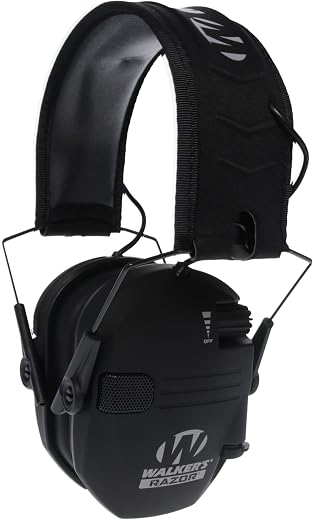
So which budget electronic shooting earmuffs actually hold up at the range — the Razor Slim or the Impact Sport? Both use the same level-dependent amplification to keep range commands audible while cu...
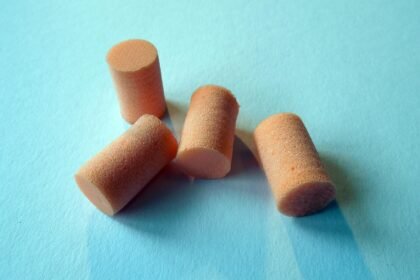
Indoor bays multiply the challenge. Concrete, steel, and lane partitions reflect muzzle blast back toward the shooter; a braked rifle on the next lane can be louder at the ear than the firearm being f...
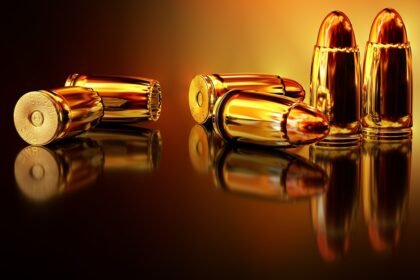
The first dependable comparison is simple: cost per round = total delivered cost ÷ actual number of cartridges “Actual” matters because package names are not counts. A box marked 20 rounds contains 20...
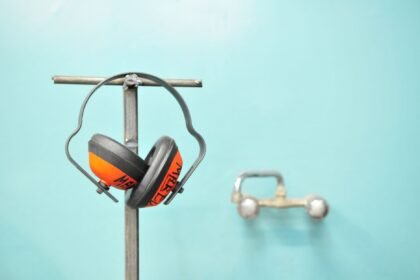
Noise Reduction Rating (NRR) is a standardized U.S. laboratory rating for how much sound a protector reduced under controlled test conditions. It is useful for comparing similarly certified earmuffs a...
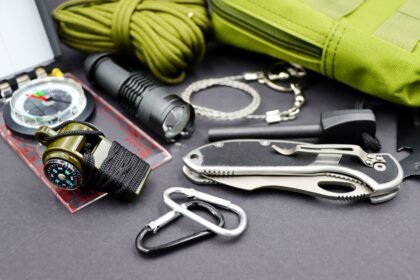
A bag packed for every conceivable activity becomes slow to use. Keep an always-in layer in fixed pockets: eye and ear protection, identification, a small first-aid kit, notebook, marker, water, and b...
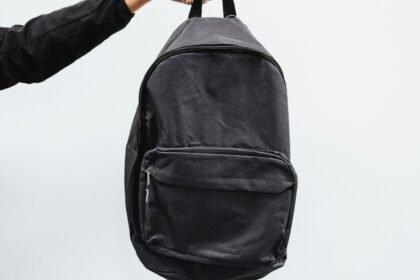
A range backpack is not a distinct class of object so much as a bag organized around a particular job. At its simplest, that job may be carrying eye and ear protection, a small cleaning kit, gloves, w...
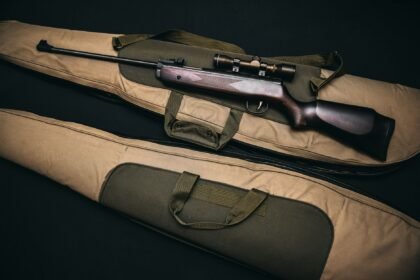
A range bag does not need to be purpose-built. For a first trip, it only needs to do three jobs well: separate small items, protect what should not get crushed or mixed, and keep essentials easy to re...