
Most of the panic comes from the packaging, not from the actual decision.
At the store shelf, labels pile up fast: JHP, +P, bonded, nickel-plated, 124 grain, 147 grain. For a beginner, that alphabet soup can make the first box feel loaded with consequence, as if one wrong pick cancels out every good intention. It doesn’t.
The noise drops once the choice is reduced to a few filters that matter first: correct caliber for the firearm, dependable feeding, a proven hollow-point design, and recoil that stays controllable. Everything else is secondary at the start. Ammo selection becomes less about chasing a perfect round and more about avoiding obvious mismatches.
Start with defensive loads
Begin with purpose-built defensive ammo, typically a modern jacketed hollow point (JHP) or other controlled-expansion load.
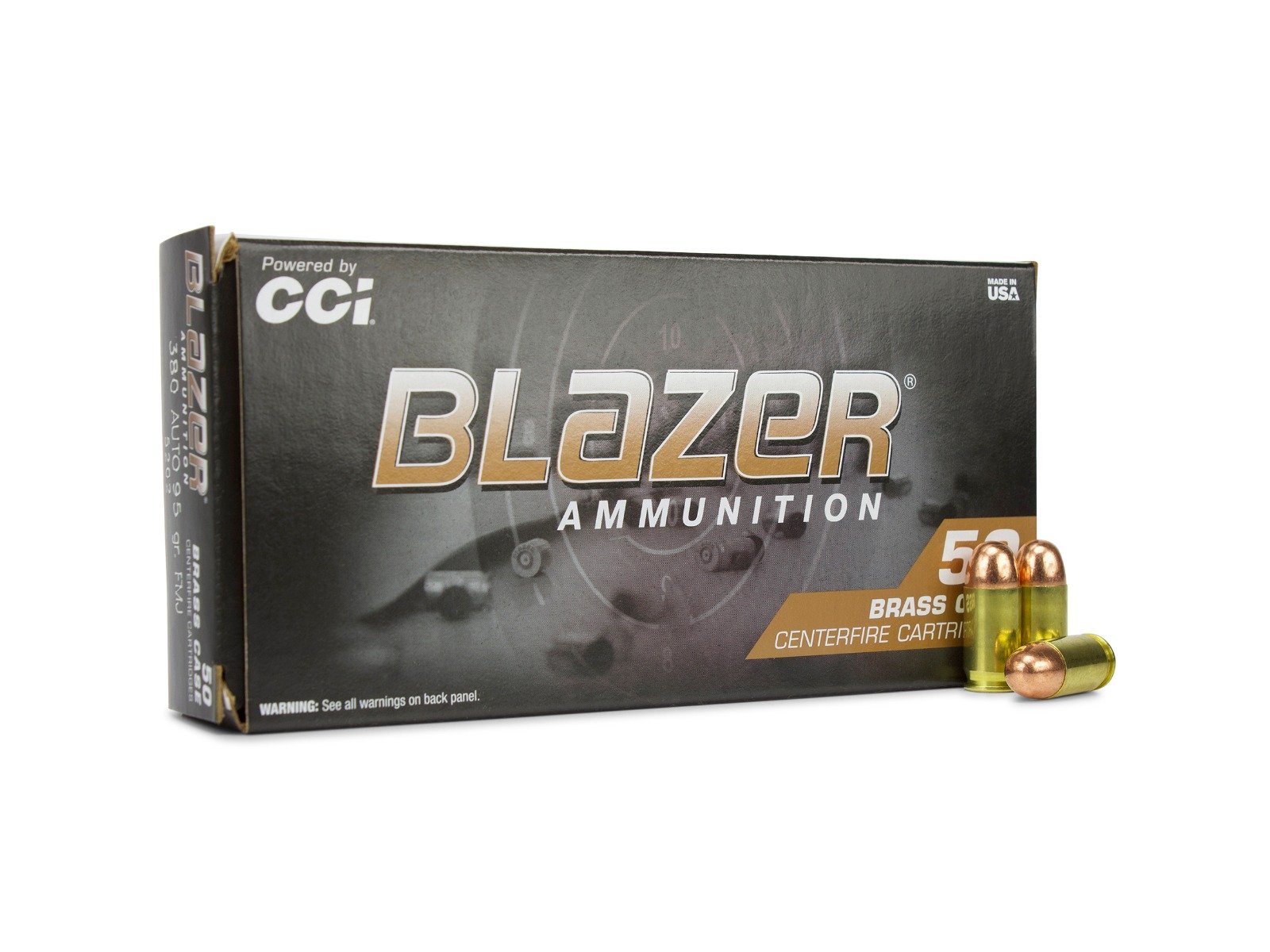
FMJ is for affordable training, reliable feeding, and deep penetration; its terminal behavior differs.
For first self-defense ammo, defensive loads are engineered to open in soft tissue, spend energy sooner, and reduce exit energy.
A useful first self-defense ammo filter is simple.
- Carry or home defense: favor reputable expanding loads that function reliably in the firearm.
- Range practice: FMJ remains the common choice because it is widely available and practical for high-volume shooting.
- Pass on it for defense: any load that jams, shoots far from point of aim, or relies on flashy claims instead of credible test data.
Expansion is not magic, and no handgun round guarantees immediate effect. But for a first self-defense choice, ammunition designed for defense is the clearer baseline than practice ammo that merely goes bang.
Some compact pistols can be selective with hollow-point shapes. A defensive load only makes sense if it feeds, cycles, and prints predictably in that specific firearm.
What “best” means in practice
- Reliable function
A defensive load has to feed, fire, extract, and lock back consistently in the actual pistol and magazine setup. If function is uncertain, every later advantage is theoretical.
Look forRepeated trouble-free cycling in the specific handgun.AvoidLoads chosen on reputation alone, without function proof. - Adequate penetration
The bullet must reach vital structures after passing through realistic barriers and clothing. Penetration standards explained by the FBI test approach matter because shallow stops can fail even when expansion looks impressive.
Look forDepth that remains useful after clothing or intermediate resistance.AvoidVery light or flashy loads that trade depth for spectacle. - Consistent expansion
Expansion helps create a larger wound path, but only after adequate depth is preserved. The key is repeatability, not the largest recovered diameter in ideal media.
Look forUniform expansion across common test conditions.AvoidMarketing built on one dramatic gelatin photo. - Controllable recoil
A load that can be tracked quickly often produces faster follow-up hits and less shooter-induced error. Extra energy is less valuable if it slows accurate shooting.
Look forManageable impulse with rapid sight recovery.AvoidThe hottest option when practical control suffers.
The strongest defensive loads usually win by doing several things well at once, not by dominating a single advertisement metric. A round that functions flawlessly, penetrates enough, expands reliably, and stays controllable is typically more useful than one chasing maximum velocity, maximum expansion, or maximum energy alone.
Match ammo to the pistol
Platform matters for first self-defense ammo as much as caliber.
A full-size pistol with more slide travel, grip area, and weight feeds hollow points more easily.
It also softens recoil.
That is why many shooters find loads that run well in a Glock 19-size pistol.
They are less fussy than the same caliber in a much smaller gun.
Micro-compacts change the equation. Short barrels can trim velocity enough to affect expansion, while the lighter frame makes sharp loads harder to control. In this class, the better round is often the one that cycles cleanly, prints close to point of aim, and still allows quick follow-up shots.
Pocket .380s are the most demanding. Very short barrels, tiny sights, and limited grip leverage can make some hollow points underperform or fail to feed, which is why loads chosen for a hard-to-shoot pocket .380 deserve separate consideration.
- Full-size pistols: broad ammo tolerance; standard-pressure JHPs often perform very well.
- Micro-compacts: favor loads with proven short-barrel performance and moderate recoil.
- Pocket .380s: reliability first; smoother bullet shapes may matter more than impressive box claims.
When two loads look similar on paper, the easier-shooting option usually makes more sense in the smaller pistol.
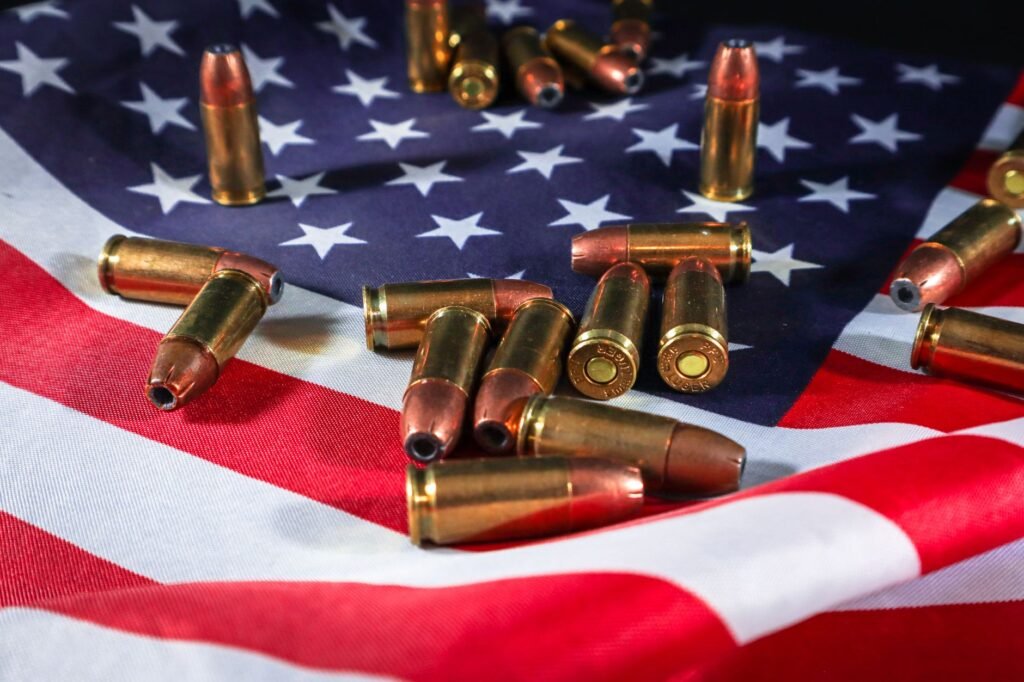
Why +P Isn’t a Free Upgrade
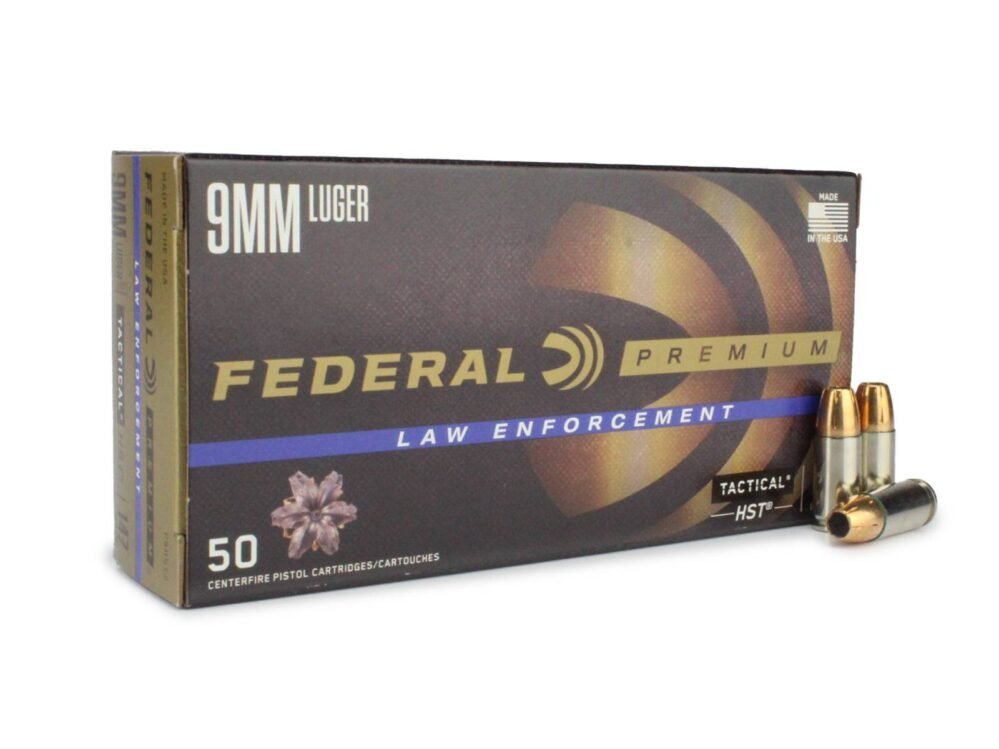
Standard-pressure defensive loads often make more sense as the starting point.
Extra velocity can help some bullets, but only if feeding, recoil control, and practical accuracy remain solid.
Real-world gains are usually incremental and depend heavily on bullet design and barrel length.
Some loads expand well without added pressure, while some short barrels show little meaningful terminal improvement.
Compatibility includes firearm rating, reliability, accelerated wear, and shootability.
Before treating it as an upgrade, compare whether a given pistol is even rated for it, then test function against a standard-pressure baseline.
Standard-pressure defensive JHP establishes a clean reference point. Once reliability, recoil control, and expected terminal behavior are known, +P becomes a specific tradeoff to evaluate rather than a default upgrade.
Let the home refine the shortlist
Home layout matters, but it does not replace the basics. A load that fails to feed, recoils too sharply, or under-penetrates in testing does not become correct simply because walls are close. Environment works best as a final filter applied to already credible defensive hollow points.
In a detached house, longer sightlines and larger rooms can make controllability more important than chasing small velocity gains. In apartments, duplexes, and townhomes, shared walls raise the cost of misses and of rounds that continue after light barriers. That is why many buyers compare loads often discussed for thin-wall apartment use only after confirming reliability in the actual pistol.
Useful factors include:
- room size and likely indoor distance
- neighbors above, below, or beside
- wall, door, and hallway layout
- ability to make fast, accurate follow-up shots
No handgun load offers a promise of safe wall performance. The practical aim is lower overall risk through better shot placement and ammunition with balanced penetration and expansion.
Shared walls matter, but they do not override function, adequate penetration, or controllability. The safest-sounding choice on paper can still be the wrong one if it is unreliable or hard to place accurately.
Shotgun ammo changes the equation
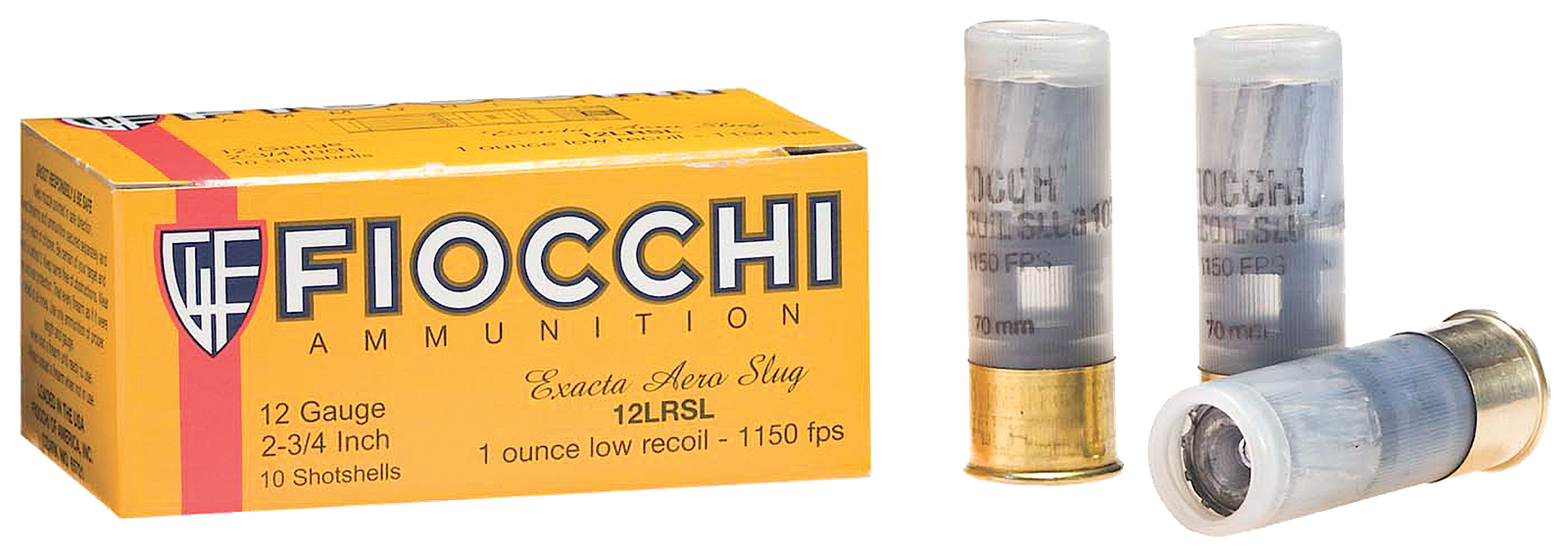
Handgun ammo debates do not transfer neatly to shotguns. The focus is first self-defense ammo, and the variables are pellet size, recoil, and load behavior. For most defensive 12-gauge setups, the conversation starts with proven buckshot loads for indoor use, not hollow-point expansion.
What usually makes sense
What usually makes sense
At typical in-home distances, buckshot patterns are often much tighter than movies suggest. A shotgun still requires deliberate aiming, but it can deliver multiple projectiles with useful penetration.
- #00 and #1 buckshot are common starting points.
- Low-recoil loads can make follow-up shots faster and cleaner.
- Patterning matters because wad design, barrel length, and choke can change results dramatically.
Why birdshot gets overstated
Bird-shot is often praised as a safer compromise, but small pellets can lose effectiveness quickly after clothing, bone, or imperfect angles. That does not make every buckshot shell equal, which is why reduced-recoil options that stay controllable deserve extra attention.
A short pattern test at 5, 7, and 10 yards usually reveals more than marketing copy: actual spread, point of impact, and whether recoil remains manageable under speed.
Confidence comes from the gun, not the box
-
Shortlist two or three loads
Keep the first pass narrow: one standard-pressure load, one alternative, and +P only if the pistol and shooter tolerate it.
-
Run enough rounds to expose patterns
Use a sensible first-round count to compare loads without guessing. The goal is not volume; it is spotting repeatable behavior.
-
Check feeding and lockback
Include full magazines, topped-off starts, and the last round. Nose-dives, failures to return to battery, or odd ejection matter more than marketing claims.
-
Confirm point of impact
At realistic defensive distances, some loads print higher or lower than practice ammo. Fast follow-up hits matter more than tiny bench groups.
-
Judge recoil and flash
The better load is the one that allows clean pairs, one-handed control if needed, and no hesitation in low light.
One uneventful range trip suggests compatibility; it does not guarantee perfection. Retesting after a spring change, optic installation, or a new magazine batch can catch problems that the ammo did not cause.
Keep carry ammo fresh
Ammo rarely fails from a calendar alone; it usually ages from handling, environment, and repeated use. A simple baseline helps: keep defensive cartridges cool, dry, and boxed or loaded in a clean magazine, away from oils, solvents, and loose pocket lint. For a fuller look at how defensive rounds age in storage and service, the key variable is real-world exposure, not a printed date.
The fastest wear often comes from repeated chambering. Each trip up the feed ramp can nick the bullet, scrape the case, or push the bullet slightly deeper into the case; that setback can change pressure. Good habits:
- Rotate the top cartridge instead of chambering the same round endlessly.
- Inspect carry ammo for dents, corrosion, or bullet movement.
- Replace any round contaminated by oil, solvent, or water.
Heat, moisture, oils, and repeated chambering usually shorten real-world service life faster than age alone.
The sensible first box
Frequently Asked Questions
What type of ammo should a beginner buy for self-defense?
Start with purpose-built defensive ammunition, typically a modern jacketed hollow point, rather than standard FMJ practice ammo. Defensive loads are engineered to expand in soft tissue and spend energy sooner.
Is +P ammo better for self-defense?
Not automatically. Standard-pressure defensive loads often make more sense as a starting point, since real-world gains from +P are usually incremental and depend on bullet design, barrel length, and whether the shooter can still control it.
Does pistol size affect which ammo makes sense?
Yes. Full-size pistols have broad ammo tolerance, micro-compacts favor loads with proven short-barrel performance and moderate recoil, and pocket .380s need reliability-first loads with smoother bullet shapes.
How much should I test a defensive load before trusting it?
Run enough rounds to expose patterns, including full magazines, topped-off starts, and the last round, checking feeding, lockback, point of impact, and recoil control rather than relying on a single uneventful trip.
How should I maintain carry ammo over time?
Keep it cool, dry, and away from oils and solvents, rotate the top cartridge instead of repeatedly chambering the same round, inspect for dents or corrosion, and replace any round that becomes contaminated.
A sensible first buy is usually the least exciting one: a mainstream defensive hollow point, standard pressure, from a maker with a long record of consistent loading.
If it runs reliably, shoots to the sights, and stays controllable, it is already doing the important work. Changes later can help, but only when the gun, setup, or use case reveals a specific weakness.



8 Comments
I’m pretty new to this, so can you explain what you mean by “function first” in simple terms? Like, if two hollow points are both from good brands, is the main question just whether my pistol actually feeds them without hiccups?
I always hear people obsess over caliber labels and fancy marketing names, but your point about confidence coming from the gun, not the box, made more sense to me than most ammo articles do.
Exactly. “Function first” means the round has to feed, fire, extract, and eject reliably in your specific pistol before anything else matters.
If two loads are both reputable, the better one is usually the one your gun runs consistently and that you can shoot accurately and controllably. After that, you can compare penetration, expansion, recoil, and point of impact.
This was the biggest lesson for me too. My compact pistol hated one super-hyped JHP but ran boring old HST just fine, so the decision kinda made itself.
Maybe dumb question, but how often is “keep carry ammo fresh” actually necessary?
I don’t leave mine in a hot car or anything, but I do unload/chamber the same top round a fair bit when dry practicing. The setback thing gets mentioned a lot and then never really explained. Is this one of those rare-but-serious problems, or mostly forum drama?
I liked most of this, but I’m still confused on the “home layout” section.
People say overpenetration nonstop, then other people say misses are the real danger. If I live in an apartment with shared walls, does that basically mean I should avoid a handgun and think harder about shotgun setup, or is that too simplistic?
Not trying to start a caliber war lol, just honestly trying to sort signal from noise.
The shotgun section caught my eye because I’ve heard “just use birdshot indoors” for years and years.
Are you basically saying buckshot is still the serious choice because it penetrates consistently enough to reach vital stuff, while birdshot can be too shallow? If so, that’s one of those annoying answers where reality is less comforting than gun-counter advice lol.
The part about +P not being a free upgrade was helpful, because the internet makes it sound like more pressure = automatically better 😅
If someone has a small 9mm carry gun, is standard pressure usually the safer default unless testing shows a real benefit? I’m trying not to buy into the “hotter is always smarter” thing.
That’s a good way to think about it. Standard pressure is the baseline I’d start with, especially in small carry guns where recoil and follow-up shot speed matter a lot.
+P can offer benefits in some setups, but it also brings more blast, more recoil, and sometimes more wear. If you can’t control it as well, the theoretical gain may not help you in practice.