Which alert device actually gets worn
The best device is the one an older adult keeps on all day. Everything else is secondary.
Families usually shop for features. Wearers decide on comfort. That gap explains most abandoned pendants, so this comparison starts with what the device is like to live with and only then looks at what it can do.
- Where the button lives, and why it matters
- Fall detection, and what it does not catch
- Monthly fees over a two-year horizon
- Six devices matched to six households
Medical alert devices for seniors, compared
A medical alert device only helps if it is worn. That single fact shapes this whole comparison, because a pendant left in a drawer protects nobody. So the useful question is not which unit is loudest. It is which one an older adult will keep on through a shower, a nap and a walk to the mailbox. The six medical alert devices for seniors below are ranked on that basis first, and on features second.
They split along four lines. Where does the button live? Does help route to family or to a monitoring centre? Is a monthly fee involved? And does the device still work away from the house?
- Wearability beats specification A plain pendant worn every day protects better than a feature-rich wristband left on charge.
- Fall detection is a backstop No sensor catches every fall, and all of them raise occasional false alarms. Keep a button the wearer can press deliberately.
- Count the subscription A cheap monitored unit can cost more over two years than a dearer one with no plan at all.
- Leaving the house changes everything If the wearer goes out alone, only the mobile GPS units apply. If not, an in-home button costs far less.
None of these devices replaces a call to emergency services.



How the picks divide
Fall detection is the feature families ask about first. It is worth having, but treat it as a backstop rather than a guarantee. No sensor catches every fall, and every model here produces the occasional false alarm. So choose a unit the wearer can also trigger deliberately, with a button big enough to find without glasses.

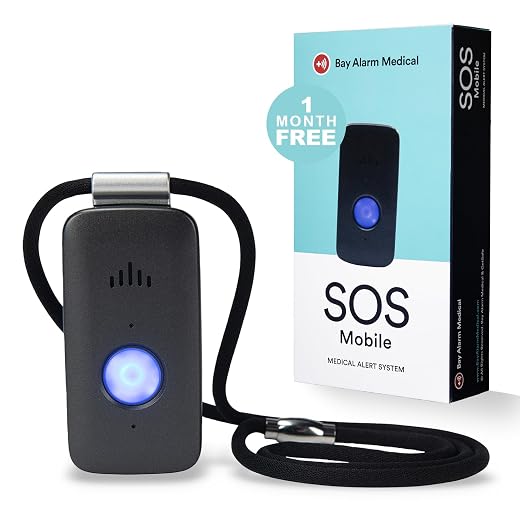

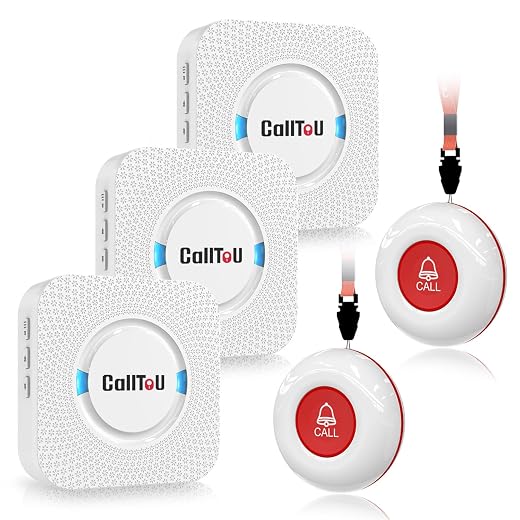
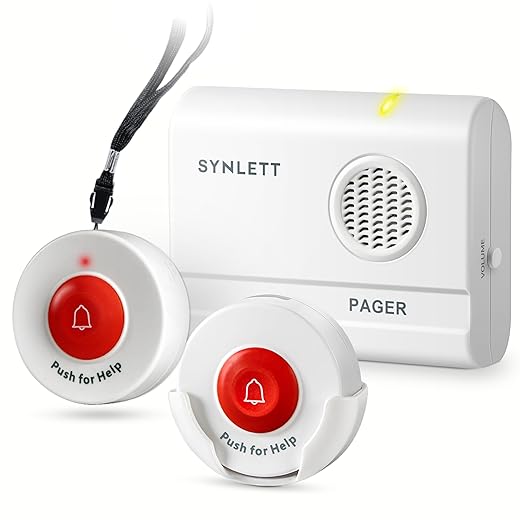
Comparing medical alert devices for seniors side by side
Monthly fees are the detail buyers miss. A cheap unit with a subscription can cost more across two years than a dearer one without. Where a plan is required, the table names it, because that is the number that decides the real price.
Best overall SecuLife Pendant | No monthly fee No-Subscription Alert | Away from home Bay Alarm Mobile GPS | Landline Freedom Alert | In-home CallToU Pager | Best value Two-Button Pager | |
|---|---|---|---|---|---|---|
|
|
|
|
|
|
| |
| Price | – | – | – | – | – | – |
| Worn on the body | Yes | Yes | Yes | Yes | No | No |
| Works outside the home | No | No | Yes | No | No | No |
| Fall detection | Yes | No | Yes | No | No | No |
| Monthly fee | None | None | Plan required | None | None | None |
| Help goes to | Family | Family | Monitoring centre | Family and police | Carer in house | Carer in house |
| Check price | Check price | Check price | Check price | Check price | Check price |
What each device is actually for
No single device suits every household, and the medical alert devices for seniors here divide by who answers the call. A pendant that alerts family directly suits someone with relatives nearby. A monitored GPS unit suits someone who drives, gardens or walks alone. An in-home pager suits a house where a carer is present but not always in earshot.

This is the default recommendation because it removes the two things that stop devices being used: a monthly bill and a stranger on the other end. Alerts go to relatives you nominate, so the wearer hears a familiar voice. Fall detection is automatic, but the manual button remains the reliable path, and it is the one worth practising.
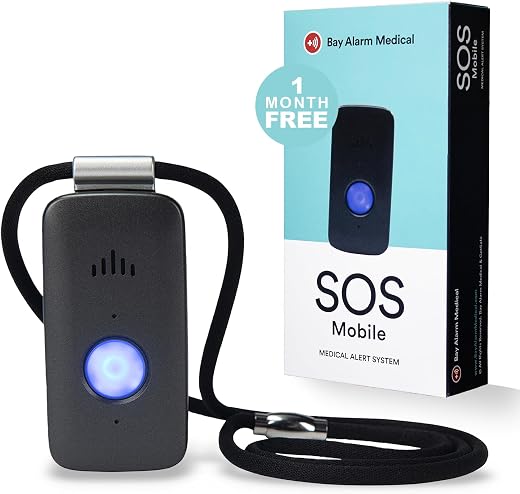
Choose this when the wearer still leaves the house alone. A family-alert pendant is little use if nobody knows which street the wearer is on, and this sends location with the call. It carries a subscription, so price it over two years before comparing it with the unmonitored options above.
- Worn as
- Mobile unit
- Location
- GPS with the call
- Fall detection
- Optional
- Monthly fee
- Plan required
Not a medical alert system at all, strictly speaking, and that is the point. Where a partner or carer is in the house but not always within earshot, a pager solves the real problem at a fraction of the cost. Add a second button so the bathroom is covered as well as the bedroom.
- Worn as
- Not worn — fixed buttons
- Reaches
- A carer in the house
- Fall detection
- None
- Monthly fee
- None
Choosing between them
Start with one plain question. Does the person leave the house alone? If so, the choice narrows to the mobile GPS units. If not, an in-home button or pager costs far less and works better.
Fit matters more than specification. A wrist unit suits someone who dislikes anything round the neck. A pendant suits someone with limited wrist movement. So let the wearer handle both before you buy, because the one they tolerate is the one that gets worn.
For loud alarms that anyone can carry, rather than devices built for medical alerting, see our guide to personal alarms for the elderly.
Five things that decide whether it gets used
The device is worn for sixteen hours a day, so weight and strap material matter more than any specification.
In a fall, the wearer is often on the floor without glasses. The button has to be locatable without looking at it.
Bathrooms are where falls happen. A device removed for showering is absent at the worst moment.
Family routing is free and personal. Monitored routing costs monthly and answers at three in the morning.
A device that needs nightly charging gets left on the nightstand, which is where it will be when it is needed.
How these medical alert devices for seniors were assessed
Specifications come from manufacturer listings, so treat range and battery life as claims rather than measurements. Falls are common enough to plan for. The CDC reports that more than one in four older adults falls each year, and help arriving sooner shortens the time spent on the floor.
None of this is medical equipment, and none of it replaces a call to emergency services. These devices shorten the gap between a fall and somebody knowing about it. That is a real benefit, but it is a modest one, so honest expectations serve a family better than marketing claims.
How this comparison was put together
Selection was made on published specifications and the shape of the household each device suits, not on hands-on testing.
-
Sourced from current listings
Six devices covering pendant, wristband, mobile GPS, landline and in-home pager formats.
-
Ranked by wearability first
Comfort, button feel and charging routine were weighted above feature count.
-
Priced over two years
Subscription devices were compared on total cost, not on the sticker price.
-
Claims left as claims
Range, battery life and detection accuracy are the manufacturer’s figures and are labelled as such.
No device here was tested in a real fall. Treat detection rates as vendor claims.
Common questions
Do medical alert devices for seniors need a monthly subscription?
Not all of them. Devices that alert family members directly usually have no ongoing fee, while devices answered by a monitoring centre almost always do. Over two years the subscription often outweighs a higher purchase price, so compare total cost rather than the sticker.
Is fall detection reliable enough to depend on?
No, and no manufacturer claims otherwise. Fall detection catches many falls but misses some, particularly slow slides to the floor, and it occasionally triggers when nothing has happened. Treat it as a useful backup to a button the wearer can press.
Pendant or wristband?
Whichever the wearer will keep on. A pendant is easier to press and easier to remove, while a wristband is harder to lose and stays on in the shower. Let the person try both, because tolerance decides this more than any feature.
What happens if the wearer cannot speak after pressing the button?
Monitored services treat silence as an emergency and dispatch help to the registered address. Family-alert devices depend on a relative deciding what to do, which is faster in some households and slower in others.
Will one of these work in a care home?
Check first. Many facilities run their own call systems and ask residents not to add separate devices, partly to avoid confusion about who responds.
The short version
Buy for the wearer's routine, not for the longest feature list. The best medical alert devices for seniors are simply the ones that get worn, so a plain pendant beats a clever wristband left charging on the nightstand. So pick the device that fits the person's day, then check the monthly cost before committing.
Start with the person, not the catalogue
- Wearability decides whether any of this works
- Fall detection supplements the button, it does not replace it
- Two-year cost, not sticker price, is the real comparison
Match the device to how the household actually runs. A wearer who goes out alone needs GPS. A wearer who never leaves needs a button in the bathroom, not a subscription.
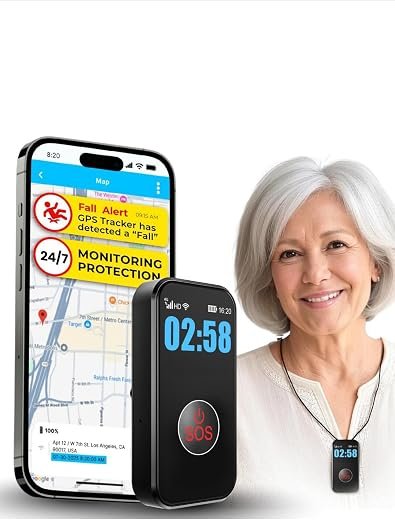
SecuLife Medical Alert Pendant for Seniors — Alerts Go Direct to Family, No Call Center | Auto Fall Detection, GPS Tracking, 2-Way Calling, No Contract,...
Features
| Brand | Seculife |
| Special Feature | 2-Way Calling, Fall Alerts, GPS Tracking, Geo-Fence, SOS |
| Connectivity Technology | 4G LTE Cellular |
| Supported Application | Health Monitoring, Location Tracking, Voice Calling |
| Specific Uses For Product | Elderly Care, Emergency Alert System, Seniors |
- ❤️ 𝐌𝐞𝐝𝐢𝐜𝐚𝐥 𝐀𝐥𝐞𝐫𝐭 𝐏𝐞𝐧𝐝𝐚𝐧𝐭 𝐰𝐢𝐭𝐡 𝐅𝐚𝐥𝐥 𝐃𝐞𝐭𝐞𝐜𝐭𝐢𝐨𝐧: Designed for seniors and individuals with medical conditions, this wearable alert device automatically detects falls and immediately call and send SOS notification to preselected emergency contacts.
- ✅ 𝐄𝐚𝐬𝐲 𝐀𝐜𝐭𝐢𝐯𝐚𝐭𝐢𝐨𝐧 | 𝐌𝐨𝐧𝐭𝐡𝐥𝐲 𝐬𝐮𝐛𝐬𝐜𝐫𝐢𝐩𝐭𝐢𝐨𝐧 𝐫𝐞𝐪𝐮𝐢𝐫𝐞𝐝: $20 per month. Unlimited Fall Alerts, Unlimited Live Tracking, Assistive Speakerphone with Unlimited Voice Mins every month, Intelligent Alerts, Premium Safety Features, Unlimited Live 7 Days a week Customer Care, & more.
- 📞 𝐒𝐎𝐒 𝐁𝐮𝐭𝐭𝐨𝐧 𝐰𝐢𝐭𝐡 𝟐-𝐖𝐚𝐲 𝐂𝐚𝐥𝐥𝐢𝐧𝐠: One-touch emergency communication makes a cellular call just like a cellphone. Also receives calls easily with hands-free auto-answer feature for convenience and reliability. This personal emergency alert device allows direct, hands-free voice calls with caregivers or emergency contacts.
- 📍 𝐑𝐞𝐚𝐥-𝐓𝐢𝐦𝐞 𝐆𝐏𝐒 𝐓𝐫𝐚𝐜𝐤𝐢𝐧𝐠 & 𝐆𝐞𝐨𝐟𝐞𝐧𝐜𝐞 𝐙𝐨𝐧𝐞𝐬: Always know your loved one's location. Set custom safe zones with this medical alert system GPS and receive alerts when they enter or leave designated areas. 1 Year location history available
- 🧓 𝐄𝐚𝐬𝐲-𝐭𝐨-𝐔𝐬𝐞, 𝐒𝐞𝐧𝐢𝐨𝐫-𝐅𝐫𝐢𝐞𝐧𝐝𝐥𝐲 𝐃𝐞𝐬𝐢𝐠𝐧: Built for simplicity, the pendant features a clear display showing time, battery, and signal. Large SOS button and intuitive interface make it ideal for elderly users.
- 🕒 𝐄𝐱𝐭𝐞𝐧𝐝𝐞𝐝 𝐁𝐚𝐭𝐭𝐞𝐫𝐲 𝐋𝐢𝐟𝐞 – 𝐔𝐩 𝐭𝐨 𝟔 𝐃𝐚𝐲𝐬: This medical alert device stays powered longer, reducing charging frequency for fast help, greater convenience and peace of mind. Up to 6 days with 1 hour interval tracking
- 💧 𝐂𝐨𝐦𝐩𝐥𝐞𝐭𝐞𝐥𝐲 𝐦𝐨𝐛𝐢𝐥𝐞 𝐚𝐧𝐝 𝐰𝐚𝐭𝐞𝐫𝐩𝐫𝐨𝐨𝐟: Shower, rain, or accidental splashes? No problem. This emergency medical alert is fully waterproof IP67 and wearable 24/7.
No Subscription, No Contract, No Monthly Fees, Senior Elderly Medical Alert
Features
| Color | White |
| Brand | Assistive Technology Services |
| Power Source | Corded Electric |
| Compatible Devices | Landline, Cell Phone (via adapter), Magicjack |
| Battery Description | Alkaline |
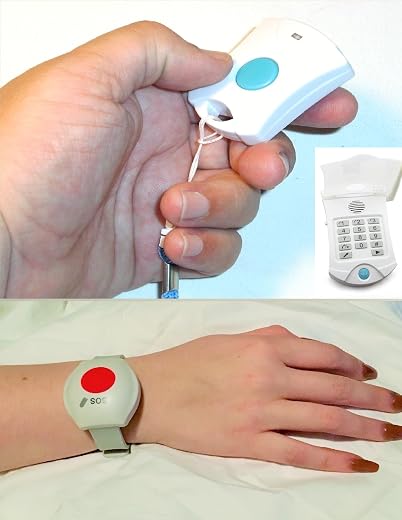
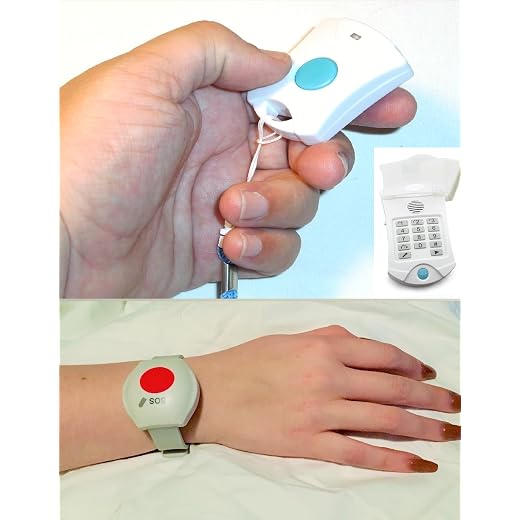
- NO MONTHLY expenses: This medical alert system is a one-time purchase with no ongoing expenses. Panic buttons on the wrist and necklace. Wear it in the tub or shower because it is waterproof.
- Calls out using a landline. If you do not have a landline, use an optional cell phone adaptor or connect to a landline.
- EMERGENCY CALLING: When you press the button, 911 or your emergency contacts are contacted. You have full control over the numbers it will call. You program the numbers yourself.
- EASY SETUP: No expert installation is required for this straightforward plug-and-play setup.
- RANGE: For protection, the remote control can be worn anywhere within 150 feet of the base unit as a pendant or wristband. Covers over 70,000 square feet.
Bay Alarm Medical SOS Mobile GPS - 24/7 Medical Alert with Optional Fall Detection for Seniors - Call to Activate - 4G GPS Medical Alert System with Elderly...
Features
| Brand | Bay Alarm Medical |
| Built-In Media | What’s Included? 1x SOS Mobile GPS Device on Verizon's 4G LTE Network, 1x Charging Dock w/ Power Adapter, 1x Lanyard w/ Magnetic Clasp, 1x Belt Clip, Caregiver Tracking App Access |
| Unit Count | 1 Count |
| Manufacturer | Freeus |
| Number of Items | 1 |
| Item Type Name | Mobile SOS Help Button |
| ASIN | B0C4QTKR83 |
| Additional Features | Rechargeable, GPS Location, Free Caregiver App, Optional Fall Detection |
| Connectivity Technology | Cellular |
| Supported Application | Alarm |
| Specific Uses For Product | Elderly Care, Help/Panic Button, Caregiver Tracking |
| Battery Average Life | 144 hours |
| Compatible Devices | [SOS Mobile GPS Device] |
| Battery Capacity | 420 milliamp_hours |
| Item Dimensions | 2.72 x 1.38 x 0.57 inches |
| Enclosure Material | Plastic |
- Simple Setup: Includes easy-to-follow instructions for quick start.
- Subscription Required: Ongoing service plan needed for full device functionality.
- 4G LTE Coverage: Reliable nationwide cellular connectivity helps keep you connected when it matters most.
- Compact & Lightweight: Weighs under 2 oz and can be worn with a lanyard or belt clip. Designed for durability with water-resistant protection.
- One-Button Access: Quickly connect with a trained operator through the built-in two-way speaker for assistance when needed.
- Caregiver Support: Monitor device status, battery level, and activity through a companion mobile app.
- Long Battery Life: Lasts up to several days on a single charge depending on usage and network conditions.
- Standalone Device: Works independently without requiring a smartphone connection.
- Multiple Wearing Options: Wear around the neck or clip to clothing or accessories for convenience.
Freedom Alert, Landline Personal Emergency Device, 2-Way Call with Family and Police for Home Safety, Device for Seniors and The Elderly
CallToU Wireless Caregiver Pager Call Button Call Bell Medical Alert System
Features
| Power Source | Battery Powered |
| Battery Description | Alkaline |
| Number of Batteries | 2 12V batteries required. (included) |
| Voltage | 260 volts |
| Control Method | Touch |
| Audible Noise | 110 db |
| Mounting Type | Tabletop Mount |
| Maximum Range | 150 meters |
| Sensor Technology | Contact Sensor |
| Color | white 2+3 |
| Brand | CallToU |
| UPC | 606413659363 682559357820 |
| Number of Packs | 2 |
| Unit Count | 5 Count |
| Size | 2 call buttons + 3 receivers |
| Manufacturer | CallToU |
| Manufacturer Warranty Description | 1 Year Manufacturer |
| Number of Items | 5 |
| Model Number | CC01 2-3 |
| Mfr Part Number | CC 2-3 |
| ASIN | B077VMC89R |
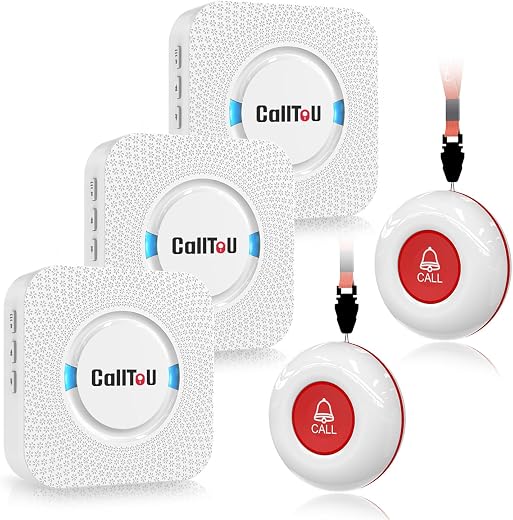
- [ Wireless Guard ] 3 Receiver 2 Call Button. Allow caregivers and residents to be free while ensuring that help is still available at the touch of a button, ideal for elderly, seniors, patients, disabled
- [ Easy to Carry ] The receiver can be moved with the caregiver and the open area working range is 500+ ft, you can take it to the bedroom, kitchen or living area(receiver requires plugging into an outlet). The call button can also be hung around the neck of the person with a neck strap who needs help like a pendant or secured with a bracket or double sticker
- [ Smart Ringtones ] The receiver of caregiver pager has 55 ringing tones to choose from and 5 level adjustable volume from 0db to 110db. Easy use by plug the receiver into an electrical outlet
- [ High Quality ] Both call button and receiver are waterproof and dustproof. Whether you install it in the washroom or take it outside on a rainy day, you don't have to worry about this caregiver pager getting wet
- [ Dont Hesite to Order ] The sophisticated packaging helps you keep the pager secure without worrying about losing it. If you have any questions, you can check the included user manual, and 24 hours customer services and professional technology team are standing by
Caregiver Pager with 2 Wireless Call Buttons for Home Care
Features
| Power Source | Battery Powered |
| Battery Description | AA, 12V |
| Number of Batteries | 4 AA batteries required. (included) |
| Voltage | 12 volts |
| Control Method | Touch |
| Audible Noise | 90 db |
| Mounting Type | Wall Mount |
| Maximum Range | 500 feet |
| Color | 2 Call Buttons 1 Receiver |
| Item Dimensions L x W x H | 3.24"L x 1.3"W x 2.53"H |
| Brand | SYNLETT |
| UPC | 768497814479 |
| Unit Count | 1 Count |
| Size | 2 Call Buttons 1 Receiver |
| Manufacturer | SYNLETT |
| Manufacturer Warranty Description | 1 year warranty from the date of sale |
| Number of Items | 3 |
| Model Number | D091G1 |
| Mfr Part Number | D091G1 |
| ASIN | B09SPSK3V6 |
- PORTABLE CAREGIVER PAGER: This wireless pager system comes with 2 wireless call buttons and 1 portable pager. It allows caregiver or care taker the freedom to attend other tasks while receiving alert from residents, seniors, elderly and loved ones.
- EASY AND SIMPLE TO USE: Makes caring for your loved one easier. With a simple touch of the SOS call button to seek help and assistance from caregiver.
- FLEXIBLE AND VERSATILE: Care giver pager system comes with a belt clip that can be clipped on the belt or be placed on a flat surface. Each call button comes with a bracket that can be fixed to a wall. Nurse call buttons can also be worn around neck as call pendant or alert button with lanyard provided or mounted on headboard bedside or bathroom wall.
- NEVER MISS A CALL: Switch to DINGDONG for a loud chime/doorbell alert. Change it to ALARM for a continuous alarm siren when receiving signal from call button. A simple wireless pager system for seniors or call button for elderly at home.
- EFFECTIVE CALL BELL SYSTEM: The nurse alert system works for small family home or care unit. Wireless signal range between the pager and beepers or panic button is up to 500 feet in open area. Effective and compact adult monitors for elderly and the seniors.
- ABSOLUTE PEACE OF MIND: SYNLETT simple alert call buttons and pagers system provided comprehensive and care service support. 12 MONTHS of product support with ultra-long lasting battery life on both pagers and call buttons.