A stone that feels slick is asking for diagnosis, not more force.
The blade travels across the stone, yet there is no gritty feedback, dark swarf, or visible progress at the edge. STOP and inspect the setup. Extra pressure may round the bevel, deepen an uneven wear pattern, or make a glazed surface feel temporarily more aggressive without restoring its cutting action.
First, rinse or wipe away loose swarf and confirm that the stone has the correct lubricant. Then check the surface under angled light: a shiny, smooth patch suggests loading or glazing, while a hollow beneath a straightedge indicates dishing. If the blade still skates after cleaning, the stone likely needs refreshing or flattening before sharpening continues.
Read the stone’s surface
Norton Abrasives distinguishes loading—metal particles filling the surface—from glazing, where the abrasive face becomes smooth and loses bite. Examine a cleaned stone under low, angled light, then compare the clues below.
| Likely problem | Visible clue | Sharpening feedback |
|---|---|---|
| Loading | Gray or dark swarf packed into pores | Increasing drag, weak metal removal |
| Glazing | Smooth, reflective patches | Edge skates with little tactile bite |
| Dishing | Light shows beneath a straightedge across the center | Bevel becomes rounded or angle changes through the stroke |
| Lubricant trouble | Water beads, slurry clumps, or the face dries rapidly | Alternating suction and slipping |
| Abrasive loss | Bare or unusually polished areas, especially on a diamond plate | Clean, flat surface still cuts slowly |
For a clearer flatness check, draw a light pencil grid over a dry stone and make a few passes on an appropriate flattening surface. Lines disappearing only at the edges indicate a hollow; isolated surviving marks reveal low spots. Stop once the pattern is understood rather than removing unnecessary material.
A slow stone is not always damaged. A grit too fine for repairing chips may feel ineffective, while inconsistent angle control can prevent the edge from reaching the abrasive. Before resurfacing, mark the bevel with permanent marker and make several controlled strokes; uneven ink removal points to technique or geometry rather than the stone.
Clear the abrasive surface
Swarf—the mixture of removed metal, fractured abrasive, and sharpening fluid—can settle into a stone’s pores. Once packed in, it shields fresh abrasive grains from the edge. The stone may then feel slick, cut slowly, or produce less dark slurry than usual.
Loading is often easier to spot on light-colored stones, where gray or black streaks contrast with the surface. Dark stones can hide the same buildup, so cutting feel and a wipe with a clean cloth may reveal more than appearance alone.
Use a cleaning method suited to the material:
- Water stones: Rinse with clean water and gently scrub with a dedicated nylon brush. Persistent glazing may require a manufacturer-approved dressing or flattening stone.
- Oil stones: Flush and scrub with the honing oil recommended by the maker. Water alone may not lift oil-bound swarf.
- Ceramic stones: Follow brand guidance. Spyderco, for example, recommends a scouring pad and powdered abrasive cleaner for its ceramic bench stones.
- Diamond plates: DMT recommends cleaning its plates with water and a brush; mild detergent may help remove stubborn residue. Avoid aggressive scraping that could damage the nickel matrix holding the diamonds.
After cleaning, rinse away loosened particles and dry or store the stone exactly as its manufacturer directs.
Solvents, acids, and strong degreasers can affect binders, adhesives, or plated surfaces. Check the stone maker’s instructions before changing fluids or using chemical cleaners.
Restore a glazed cutting face
A stone can look clean yet feel slick when exposed grains have rounded over or swarf has compacted into the binder. Heavy pressure accelerates this burnishing, while inadequate lubrication can worsen loading. An abrasive that is too fine or too hard for the steel may also skid rather than release fresh grit.
Match the dressing method to the stone
- Waterstones: Use the maker’s flattening plate, a compatible diamond lapping plate, or loose silicon carbide powder on a reliably flat surface.
- Oilstones: Use a purpose-made resurfacing stone or coarse silicon carbide abrasive with the lubricant specified by the manufacturer.
- Solid ceramic stones: Start with the maker’s cleaning or dressing block. Aggressive lapping can alter the finish and should follow product guidance.
- Diamond plates: Do not lap the coated face. Cleaning may remove residue, but a worn or stripped abrasive layer generally requires replacement.
Mark the face with a pencil grid, then dress with light, even strokes. Stop as soon as the marks disappear and the surface has a consistent, slightly open texture. Removing extra material shortens stone life and can introduce a new hollow. After rinsing away loose abrasive, resume sharpening with lighter pressure and the correct lubricant.
Flatten evenly
-
Draw pencil grid
-
Wet-lap compatibly
-
Check edge-to-edge
-
Stop when marks vanish
Center wear reduces contact, distorts wide bevels, and destabilizes angle control.
Clean a clogged stone
Amazing Ideaz covers oil- or water-assisted cleaning before flattening.
When the stone may not be the problem
Excess pressure can destabilize the angle, force swarf into the surface, and make burr formation harder to interpret.
Use controlled, repeatable strokes and inspect the apex under bright light. A reflecting edge has not yet reached an apex, regardless of how much force was applied.
Slurry can help some water stones, but too much may soften feedback, round the apex, or reduce contact with fresh abrasive.
Follow the stone maker’s guidance. Diamond plates and many ceramic stones generally should not be treated like slurry-forming water stones.
Fine grit, wear-resistant steel, alternating strokes, or an unstable angle can produce a small or intermittent burr.
Check both sides with light fingertip passes away from the edge, magnification, or a marker test. If scratches form but progress is slow, move to a coarser suitable abrasive.
The wrong lubricant can clog pores or interfere with the binder. Use the manufacturer-specified water, honing oil, or approved cleaner; do not switch an oil-loaded stone back to water. If the surface is clean but barely scratches the steel, select a coarser abrasive intended for that alloy rather than adding pressure or slurry.
Which stones can safely be resurfaced?
Which stones usually tolerate resurfacing?
Bonded waterstones and oilstones can often be flattened or lightly dressed, provided the maker permits it. Use a compatible flattening plate or abrasive rather than an improvised coarse surface.
Should a diamond plate be lapped flat?
Generally, no. Lapping can remove the plated diamond layer; DMT care guidance instead emphasizes cleaning with water and drying the plate after use.
How should dense ceramic stones be refreshed?
Start with the manufacturer’s cleaning method, not aggressive flattening. Spyderco, for example, recommends powdered abrasive cleaner and a scouring pad for its ceramic stones.
What about natural sharpening stones?
Their hardness, porosity, and slurry behavior vary by stone and quarry. Follow guidance from the named producer or an established sharpening reference before using flattening powder, detergent, or chemical cleaners.
A diamond plate that remains slow after careful cleaning may have worn or detached abrasive, not glazing. Further abrasion usually cannot restore that coating; replacement or manufacturer evaluation is the safer next step.
Escalate carefully, then retest
-
Start with cleaning
Remove swarf using the method approved for the stone’s binder. Allow the stone to dry if its instructions require inspection while dry.
-
Dress only if needed
If cleaning leaves a slick, noncutting face, use a compatible dressing or flattening tool and remove as little material as possible.
-
Inspect before reuse
Retire stones with cracks, unsafe thinning, loose layers, debonding, or contamination that cannot be removed without damaging the abrasive.
-
Run a controlled test
Use a familiar blade at a stable angle and moderate pressure. Fresh scratches, consistent feedback, and normal burr formation indicate restored cutting action.
-
Replace persistent failures
Replacement is warranted when a sound, clean, flat surface still sheds excessively or fails to expose effective abrasive.
Follow the stone manufacturer’s guidance for lubricants, drying, flattening, and minimum usable thickness.
- Clean during sharpening when swarf begins masking the surface.
- Use the full stone face and flatten early to limit severe dishing.
Begin with the least destructive remedy: cleaning, followed by minimal compatible dressing or flattening. Then test under controlled conditions rather than judging by appearance alone.
Structural damage or persistent abrasive failure calls for replacement, not more aggressive resurfacing.
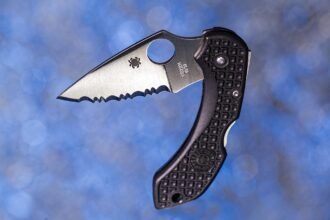
Loading affects some jobs more than others. Serrations are the worst case, since sharpening a serrated pocket knife concentrates all the work on a small area of rod or stone.