

Too little feels reckless; too much can be its own problem.
In the sporting-goods aisle, one canister shouts maximum strength while another promises a wider fog, a longer reach, or police-style punch. The real anxiety is not bravado; it is trust. A spray that sounds mild can feel like gambling on a bad day.
But the opposite mistake is common too. An oversized can or hyper-aggressive formula can become harder to clip, carry, aim, and remember under stress. If the label is confusing, the safety awkward, or the can too bulky for daily carry, stronger on paper may mean less usable in real life.
A “stronger” spray is not one single number
OC percentage
The share of oleoresin capsicum in the formula. It does not directly reveal how much active irritant is present.
Major capsaicinoids
Usually the clearest potency line on a label. It measures the compounds that do most of the real work once the spray lands.
SHU
Scoville Heat Units often describe the pepper extract before the final blend. Huge SHU claims can sound impressive while saying little about the finished canister.
Overall formula
Solvents, propellant, viscosity, and spray pattern affect reach, cling, and consistency. Two products with similar actives can feel very different in use.
Label reading
A practical scan starts with formula and delivery type, then major capsaicinoids, with OC and SHU used only as supporting context.
Front labels usually promote the most dramatic figure available. That is often SHU or OC %, because both look simple and powerful in marketing. In practice, a lower-profile label listing major capsaicinoids and a well-built formula often tells more about actual potency than the loudest headline claim.
Potency claims that mislead
OC % often describes how much pepper extract is in the formula, not how much active heat reaches the target.
One product can advertise 10% OC yet contain fewer major capsaicinoids than a lower-OC formula. Across brands, OC % alone is a weak comparison tool.
SHU may describe the raw pepper source or resin, not the finished spray coming out of the can.
That distinction matters. A dramatic SHU claim can reflect an ingredient upstream in production, while the final aerosol depends on the actual formulation and active concentration.
Those are marketing terms, not standardized potency classes.
Without clear figures for major capsaicinoids, finished-formula specs, and spray pattern, chest-thumping language adds confidence theater rather than comparable information.
Look for a formula that states major capsaicinoids or capsaicinoid content, explains whether SHU refers to the finished product, and avoids vague superlatives in place of data.
Delivery often matters more than formula
A canister is only as effective as its ability to put spray where it needs to go. Two products with similar actives can perform very differently if one throws a clean, predictable pattern and the other spits, atomizes unevenly, or runs dry too soon.
What changes real-world performance
Several design details can outweigh a slightly hotter formula:
- Spray pattern: a narrow stream is usually easier to place precisely, while wider patterns trade some precision for easier coverage. That is why stream and fog formats are not interchangeable.
- Range: a longer useful range can create more margin, but only if the spray remains coherent instead of breaking up early.
- Burst count: more short bursts generally give more chances to correct aim than one or two long dumps.
- Nozzle behavior: consistency matters. A nozzle that dribbles, over-mists, or varies from burst to burst makes practice and prediction harder.
- Can size: larger cans often provide better runtime and burst count, but they can be slower to draw, harder to conceal, and less likely to be carried at all.
A small, controllable unit with a stable nozzle can be more practical than a larger can boasting stronger headline numbers. In other words, usable strength is partly a delivery problem: placement, repeatability, and enough spray on target to matter. That is often a better buying lens than chasing the most aggressive label.
The right spray is the one that actually gets carried
- Pocket carry
Pocket carry punishes bulk. Smaller canisters and low-snag safeties tend to stay on-body, even if they offer fewer bursts.
Look forSlim shape, secure clip, quick one-hand indexing, and a focused stream that limits self-contamination.AvoidLarge cans that print, bounce, or get left behind because they feel cumbersome. - Bag carry
A bag allows more size, but access gets slower and less predictable. Extra output helps only if the unit can be found and drawn cleanly.
Look forA larger can with easy tactile orientation and a dedicated pocket or anchor point.AvoidLoose storage among keys and cosmetics, where the spray must be searched for under stress. - Walks and errands
For routine on-foot use, balance matters more than maximum capacity. Moderate size, simple deployment, and controllable spray pattern usually beat headline potency.
Look forEnough range and burst count for confidence, without adding bulk or blast-heavy fog patterns.AvoidOversized units chosen for specs alone, especially if wind and close spacing are realistic concerns. - Runs and hot-car backup
Running favors the lightest secure option; vehicle storage favors convenience but adds heat, cold, and slower access. Those are different jobs.
Look forFor runs, minimal weight and retention; for cars, rotation and products rated for storage conditions.AvoidTreating a vehicle-only can as equivalent to on-body carry, or carrying a heavy unit that is dropped or skipped.
An overbuilt canister can look reassuring on paper yet perform worse in real life if it is hard to carry, slow to reach, or more prone to blowback in close, windy spaces. The most sensible setup is usually the one whose size, spray pattern, and access method match the way it is actually carried day to day.
Why hotter stops helping
Most reputable civilian defensive sprays sit in a fairly narrow performance band. Once a formula reaches a credible finished-product major capsaicinoid level and is paired with a competent nozzle, the payoff from chasing an even scarier label usually drops fast.
What most often weakens real-world performance is not a missing extra decimal point. It is the ordinary manufacturing stuff:
- inconsistent fill levels
- weak valves or sticky actuators
- poor atomization or stream breakup
- leaks, short shelf life, or vague labeling
The “hottest” can also bring tradeoffs. Harsher residue can make practice less appealing, post-use contamination more miserable, and confined-space use feel riskier because any blowback is harder to shrug off.
After the effective threshold is met, reliability, repeatability, and handling usually separate good products from bad ones more than macho potency claims.
Among established brands, the important question is often not which one is hottest, but which one fires cleanly and consistently every time.
Common buying scenarios
Is the strongest formula best for commuting?
Usually not. Daily urban carry rewards fast access, secure grip, and a pattern that works cleanly at short range; a slim, predictable can often beats a bulkier product left in a bag.
What works for running or dog-walking?
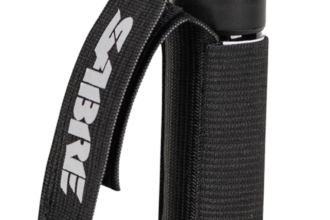
Movement changes the priority list. Many buyers compare runner-friendly pepper spray formats because hand straps, clip orientation, and one-motion activation matter more than chasing maximum heat.
Gel or stream for everyday carry?
A stream often offers the quickest, most familiar deployment with useful reach. Gel can cut down airborne mist, but some versions demand more precise aim and can slow follow-up bursts.
Is a larger can worth it?
Only when clothing or bag carry keeps it immediately accessible. More volume can mean more bursts, yet pocket users often give up comfort, concealment, and draw speed first.
The sweet spot is rarely the hottest label. Clear active-ingredient specs, a consistent nozzle, and a carry method that keeps the can instantly reachable usually matter more than extra claimed intensity.
A quick screen before buying
-
Read past the headline
Look for formula type, finished-product actives or major capsaicinoids, spray pattern, stated range, and burst count. A trustworthy label explains the product instead of shouting about “maximum heat.”
-
Check the controls
The safety should be easy to defeat by feel, with a clear firing direction and enough shape to index under stress. Tiny, slippery tops trade shelf appeal for fumbling.
-
Treat burst count realistically
Quoted range matters less than how many short, controlled bursts the can can deliver. A large number on the package means little if one long press drains it.
-
Find the date code
Manufacture or expiration dating should be visible on the can, not buried in fine print. Fresh inventory and clear rotation matter more than macho branding.
-
See whether practice is available
A matching inert trainer, or at least access to pepper spray training for beginners, is a strong sign of a serious brand.
A plain, specific spec sheet is usually the better sign: clear actives, pattern, burst count, and dating. When a brand leads with SHU slogans but hides basic deployment details, the weak point is often not heat but transparency.
Training and shelf life count as part of strength
A spray that looks ideal on paper can still fail for ordinary reasons: expired propellant, a missed replacement date, or hesitation caused by unfamiliar controls. In practice, those weak points matter more than another notch of advertised heat.
- Check the expiration and lot/date markings before carrying.
- Replace on schedule; propellant loss and seal aging can reduce range and consistency.
- Practice the safety, grip, draw, and firing motion with an inert trainer if available.
The better buy is often the can that is current, tested, and familiar in hand. Strength selection and upkeep are part of the same decision.
A practical rule of thumb: pick a spray with transparent, reputable potency, a pattern that can be controlled under stress, and a size or form that reliably gets carried. That mix usually matters more than chasing the hottest label.
What counts as practical can change with local restrictions, allowed can sizes, and everyday carry habits. If the choice still feels murky, broader beginner guidance can help narrow the field before comparing formulas.





5 Comments
I get the point about carryability beating max potency, but what about runners? If someone is out early morning and only wants something tiny in a waistband or hand strap, is the tradeoff mostly burst count, or does nozzle consistency usually get worse too on the really small cans?
Also curious where gel fits into that. Less blowback sounds great in theory, but I keep hearing it’s slower to affect people. That seems… not ideal if you’re already under stress 😅
For running I’d personally take a small stream over gel unless you’ve actually practiced with gel. The reduced blowback is nice, but in a panic I think aiming matters more than people expect. Tiny cans are convenient, but yeah, the lower burst count is what would bug me most.
The part about “stronger” not being one number was honestly the most useful bit here. I’ve seen cans shouting crazy SHU numbers and always assumed that meant better, full stop.
So if two sprays are both from reputable brands, would you personally trust the one that clearly lists major capsaicinoids over the one that mostly markets OC %? Feels like half the battle is just decoding the label nonsense.
This might be a dumb question, but when you say reputable sprays all cluster in an “effective band,” does that mean shoppers are mostly wasting time obsessing over tiny potency differences?
Because that would explain why every brand uses the same tough-guy marketing language like it’s selling dragon fire in a keychain lol. I’d rather know if the thing sprays consistently after sitting in a purse for 8 months.
Appreciated the emphasis on training and shelf life, because almost nobody talks about that part. People will compare heat numbers for an hour and then toss an expired can in a glove box for three summers.
One scenario I still wonder about: for someone who splits time between walking a dog, commuting, and occasional road trips, is it smarter to keep one “good enough everywhere” spray and just practice with that, or have different sizes for different uses? I can see both arguments.
Part of me thinks one familiar unit is better under stress. Part of me thinks the article is right that carry method changes everything, so the ideal car can and pocket can probably aren’t the same thing.