
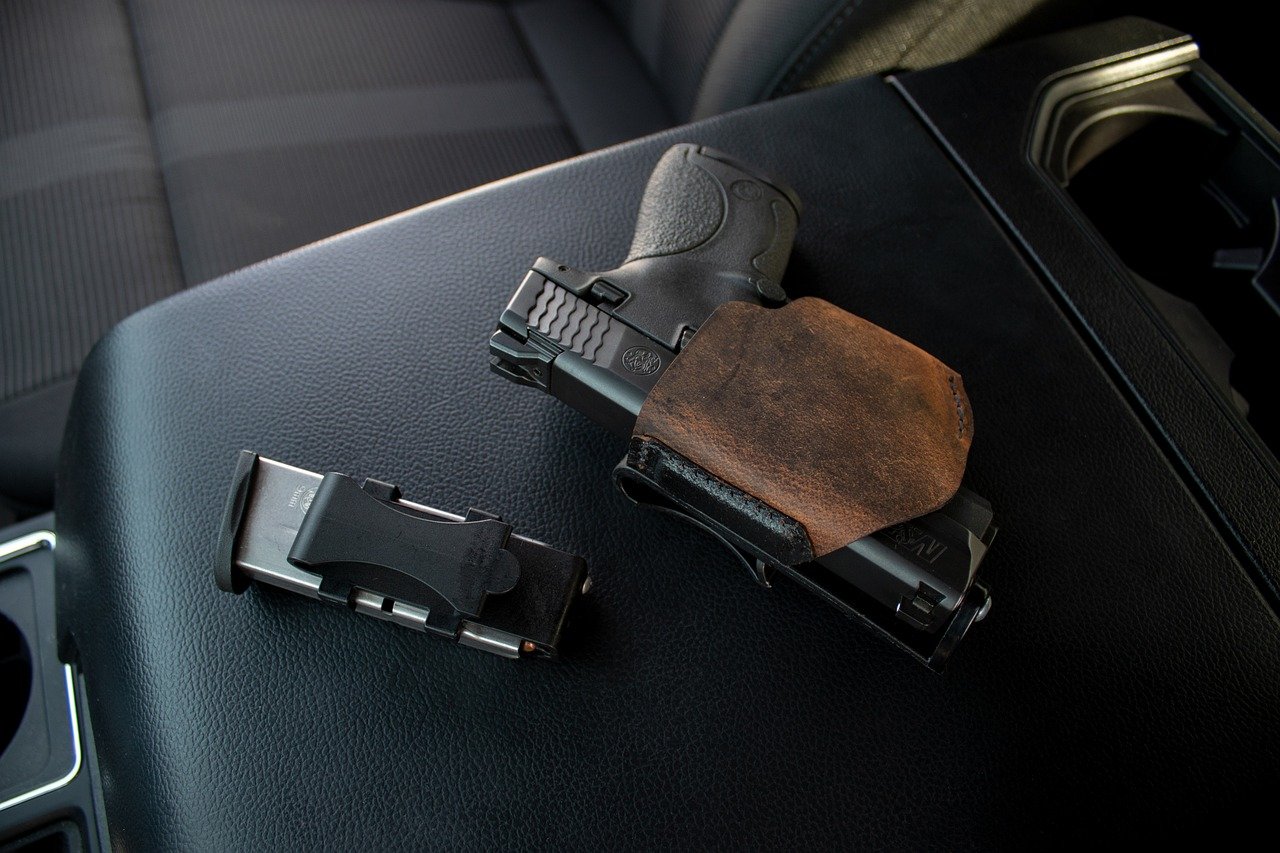
A single stoppage is a clue; an unmarked magazine turns it into a dead end.
The pistol runs cleanly for hundreds of rounds, then one cartridge noses into the feed ramp, fails to lock back, or emerges with a damaged case rim. Without a magazine ID, that event cannot be tied to the component that presented the cartridge.
A malfunction may stem from ammunition, fouling or lubrication, recoil-cycle timing, grip-induced disruption, or a particular magazine’s feed lips, spring, follower, body, or baseplate. Those causes can produce similar symptoms, especially when the failure occurs only once. Numbering makes each magazine a traceable test item: repeated failures with No. 4, across otherwise varied ammunition and conditions, are far more meaningful than a vague note that “a magazine failed.” Conversely, a problem that appears across several numbered magazines points attention away from any one magazine. The number does not diagnose the fault by itself; it preserves the evidence needed to compare patterns rather than rely on memory.
Build a clean magazine inventory
Before applying a number, lay out every magazine intended for the inventory and create a clean starting list. Keep magazines for each specific pistol together; even two outwardly similar models may use different bodies, followers, baseplates, or springs.
Verify that the pistol is unloaded and keep live ammunition away from the work area. Then sort magazines into distinct groups based on the factors that affect reliability comparisons:
- Pistol make, model, and generation
- Caliber
- Capacity and magazine body length
- Factory versus aftermarket construction
- Duty/carry, match, training, or intentionally worn magazines
A 15-round 9 mm magazine and a 17-round version for the same pistol should not share an uninterrupted sequence if their springs, extensions, or handling differ. Likewise, a training magazine with a deliberately damaged baseplate is not useful evidence in the same pool as serviceable magazines.
Assign each group its own prefix, such as G19-01 through G19-08 or P320C-01 through P320C-06. The prefix preserves context when a magazine is found loose in a range bag or appears later in a failure log.
Do not reuse an ID after a magazine is discarded or converted to parts. Mark it retired in the log so earlier failure notes remain traceable.
Choose an ID system that survives range use
For one pistol and a modest collection, simple sequential numbers are usually the strongest choice: 01, 02, 03, and so on. They are quick to mark, easy to call out in notes, and hard to misread when a stoppage needs recording between strings. Starting at 01 rather than 1 also leaves room for a clean, expandable inventory.
A coded identifier becomes useful when several pistols, calibers, or owners share a pool. A format such as G19-15-03 can identify the pistol family, capacity, and individual magazine. Keep the code short: if it cannot be read aloud or entered reliably while distracted, it is too elaborate.
Make the mark unambiguous
- Use a consistent location, such as the baseplate or lower rear body.
- Avoid letters easily confused with numbers:
O/0,I/1, andS/5. - Do not reuse an ID after discarding a magazine; retain it in the log as retired.
- Record capacity separately when baseplates or extensions can change it.
The convention should support the larger decision of which pistol magazines belong in the inventory. Factory and aftermarket magazines, different generations, and modified baseplates can look similar yet behave differently; distinct IDs preserve that distinction without requiring a complicated code.
Match the mark to the magazine
A magazine ID is useful only if it stays attached and can be read during inspection. The best method depends on the body material, how often the magazine is handled, and whether the magazine may later be reassigned or sold.
Polymer bodies
For polymer magazines, a paint pen or paint-filled recessed panel is quick, visible, and easy to replace. Paint can wear at the baseplate and along the front strap, so placing a small code on a flat, protected side panel generally lasts longer. Adhesive labels work for short tests or loaner magazines, but sweat, oil, solvents, and holster friction can lift their edges.
Avoid deeply scratching or melting polymer. A shallow, controlled mark in a manufacturer-provided identification panel is less likely to create a stress riser than an improvised engraving elsewhere.
Steel and aluminum bodies
Metal magazines tolerate a fine engraving, electric pencil mark, or durable paint better than most polymers. Engraving is permanent, but it is a poor choice for a magazine that may need a changing status label, such as test, training, or retired. Clear tape over a written number is useful for a brief diagnostic session, not long-term inventory.
Keep every mark clear of functional areas:
- Witness holes, where paint or labels can obscure round-count checks
- The follower, feed lips, and magazine catch notch
- The baseplate release and floorplate rails
- The upper body and any surface that contacts the pistol’s magwell during seating
A number placed consistently—such as the lower left side above the baseplate—makes logs faster to read and comparisons less error-prone.
Apply the chosen mark to one magazine, then clean and handle it normally. If it smears, peels, or catches during insertion and removal, relocate or change the method before marking the full inventory.
Put the number where it can be read at every handoff
-
Read it during reloads
A mark on the baseplate or lower rear of the body remains visible when a magazine is in the hand, on the belt, or ejected onto the ground. That makes it possible to connect a stoppage to a specific magazine before it disappears into the reload pile.
-
Confirm it at the bench
During inspection, the body identifier ties observations to the tube, feed lips, witness holes, spring, and follower. Record whether the fault appeared with the magazine loaded, partially loaded, or after cleaning; these details often separate a damaged body from a spring or follower issue.
-
Keep storage slots traceable
When magazines live in bags, bins, or labeled slots, their IDs preserve rotation history and prevent an unreliable unit from being returned silently to general use. A simple inventory can note model, capacity, parts changes, and status beside each number.
-
Log malfunctions while the details are fresh
A live record can capture date, pistol, ammunition type, round count, symptom, and magazine ID. “Failure to feed, M07, second-to-last round” is far more useful than “occasional jam.”
-
Match body and baseplate marks when parts move
A body-only number follows the component most likely to cause feed and retention problems, but a swapped baseplate can make identification slower during reloads. Baseplate-only numbering is highly visible but can misidentify the magazine after parts are exchanged. Matched marks—such as M07 on both body and baseplate—retain speed and traceability; update the record whenever either component is reassigned.
If a baseplate is replaced temporarily, mark it as a mismatch in the log rather than assuming the visible number identifies the body.
Treat each number as a test subject
A number identifies a magazine; it does not convict it. A stoppage linked to Magazine 07 is only a lead until its condition and operating context are recorded. The goal is a controlled comparison: what was different about that unit, what ammunition was present, and whether the same pattern returns.
Create a short baseline entry when each magazine enters service or the inventory. Capture:
- Manufacturer, capacity, and version markings, including witness-hole layout or revision codes
- Approximate age and round count, if known, plus whether it was bought used
- Starting condition: new, cleaned, dirty, dropped, stored loaded, or visibly damaged
- Parts changes: replacement spring, follower, baseplate, extension, or altered feed lips
- Pistol context: model, generation, caliber conversion, and any relevant configuration
- Ammunition context: load type, bullet profile, cartridge overall length when known, lot, and whether it was reloads or factory ammunition
Apparently identical magazines can be materially different. A later follower, stronger spring specification, revised feed-lip geometry, or small molding change may alter behavior; this is especially relevant when comparing reliability differences among Glock magazine versions. Record the physical clues rather than assuming every same-capacity magazine belongs to one test group.
A baseline also prevents false conclusions after maintenance. If Magazine 07 begins working after a spring replacement, the record can separate “the numbered magazine failed” from “the original spring-and-follower setup failed.”
Log every cycle, not just the stoppages
A range log works when it records the conditions surrounding a magazine, not merely the word “malfunction.” One line per magazine string is usually enough. Record the magazine ID before the string begins, so a baseplate change or bench mix-up cannot rewrite the evidence later.
| Field | Example entry |
|---|---|
| Date / pistol | 2025-03-08 / Pistol A |
| Magazine / configuration | M07 / standard spring, 15-round body |
| Ammunition lot | 124-grain FMJ, lot B42 |
| Rounds loaded / fired | 15 / 15 |
| Result | No stoppage; slide locked open |
| Conditions | Dry, dusty bench; magazine dropped once |
For a stoppage, describe the observable event precisely: failure to feed (nose low, round partially chambered, or feed ramp contact), failure to return to battery, failure to eject, double feed, or failure to lock open. Add the round number in the string and whether the same condition recurred after the magazine was removed from use. Avoid writing “jam” alone; it hides the detail needed to compare patterns.
Successful strings matter. Ten clean 15-round cycles are evidence that M07 performed through 150 rounds under stated conditions; they prevent a single old event from dominating the record. Note changes separately—new spring, different follower, replacement baseplate, or a different ammunition lot—because the same number is no longer an unchanged test subject.
Dirt, sand, mud, unburned powder, or liquid exposure belong in the conditions field, not automatically in the cause column. Those notes can indicate when magazine cleaning after range use is appropriate, followed by a fresh, clearly dated baseline string.
Escalate, repair, or retire
A repeatable fault earns a controlled comparison, not an immediate verdict. Run the suspect magazine again under the same pistol configuration and ammunition lot, then alternate it with a known-good, similarly configured magazine. If the symptom follows the numbered magazine across sessions while the control remains clean, the evidence strengthens.
Inspect the feed lips, follower travel, spring orientation, baseplate retention, and body for dents or debris. Replace a clearly worn service part only when the magazine design supports it, record the change, and repeat the same comparison. A magazine that continues to produce the same fault after inspection and retest belongs in a retired status—not back in the general pool.
IDs also make a practical training-mag rotation possible: assign duty, practice, test, and reserve roles, then track rounds, repairs, and retirement dates by number.
- Confirm pattern Repeat the condition before assigning blame.
- Compare fairly Alternate with a known-good control.
- Preserve history Log parts, rounds, role, and disposition.
Frequently Asked Questions
Why should I number my pistol magazines?
A number turns a magazine into a traceable test item, so repeated failures tied to one numbered magazine point to that component, while failures spread across several magazines point elsewhere.
What is the best way to mark a magazine?
For polymer bodies, a paint pen or paint-filled recessed panel works well and is easy to replace. Metal magazines tolerate fine engraving, electric pencil marks, or durable paint better than most polymers.
Where should I place the ID mark?
Use a consistent location such as the baseplate or lower rear body, and keep marks clear of witness holes, the follower, feed lips, the magazine catch notch, and the baseplate release.
Should I reuse a number after retiring a magazine?
No. Keep the retired ID in the log so earlier failure notes stay traceable, rather than reassigning that number to a new magazine.
What should a range log record for each magazine?
Record the magazine ID, date, pistol, ammunition lot, rounds loaded and fired, the specific result (such as failure to feed or failure to eject), and the surrounding conditions.
Keep the record usable
- Mark the magazine and its baseplate.
- Log clean cycles as well as stoppages.
- Retest after every part change; record retirement permanently.
A number becomes useful only when it follows the magazine through testing, repair, rotation, and retirement. That history keeps the next failure traceable rather than anecdotal.




10 Comments
This worked! I had one magazine that gave me a nose-up failure twice and I kept calling it random ammo. Once I numbered everything, both incidents traced back to #4 with two different ammo loads.
New spring, documented the change, then ran it separately. No more issues through 300 rounds so far. The little “test subject” mindset makes this way less guessy.
One caution: capacity is definitely worth including in a compact code if you own the same pistol in more than one configuration. I learned that after mixing 15- and 17-round mags in the same bin. Nothing unsafe happened, just messy records and a lot of muttering at the range.
The “log clean cycles too” recommendation is spot on. A stoppage log by itself makes every failure look dramatic, but 400 uneventful rounds through the same magazine is useful evidence too.
I use a tiny notebook in my range bag rather than an app. Date, pistol, mag number, ammo, round count, and exactly what happened. Not glamorous, but it makes patterns much harder to argue with.
I appreciate the advice not to declare a cause from one malfunction. People are very quick to say “bad mag” when the pistol was filthy, the ammo was questionable, and they changed three parts at once. Controlled comparisons are boring, but boring is how you get an answer.
I get the theory, but engraving feels like overkill for a handful of range mags. Has anyone had numbers on the baseplate alone cause confusion during a reload drill? I can see them at the bench, but not always when everything is moving.
I only marked baseplates at first and ran into that exact issue when two were sitting on the table body-up. Adding a tiny matching number on the rear of the body fixed it. It doesn’t need to be huge—just readable when you’re sorting them.
That is the reason for matched marks in the article. A baseplate-only ID can be perfectly adequate for a small, stable set, but it becomes weaker when magazines are staged loose, inspected, or have parts exchanged. Engraving is optional; the goal is simply a durable, visible identifier in more than one useful orientation.
Step 3 didn’t work great for me with paint pen on my polymer magazines. It wore off around the baseplate after a couple range trips, and tape got grimy fast. Is there a label type that actually holds up without making the mag too thick for the pouch?
For polymer bodies, a small laminated label or durable vinyl label placed on a flat, protected section can work well, provided it does not interfere with seating or your grip. Clean the surface thoroughly with alcohol first and let it cure before use. Many people also put a matching ID on the baseplate, so the body marking does not have to do all the work.
Numbering the body AND baseplate was the part I’d been missing. I swapped baseplates after cleaning and suddenly my “bad mag” appeared to heal itself… turns out I’d just changed its identity 😅
Started a simple spreadsheet with pistol, mag ID, ammo, and rounds since last spring change. It already saved me from blaming the gun for two failures that both followed mag 07.