
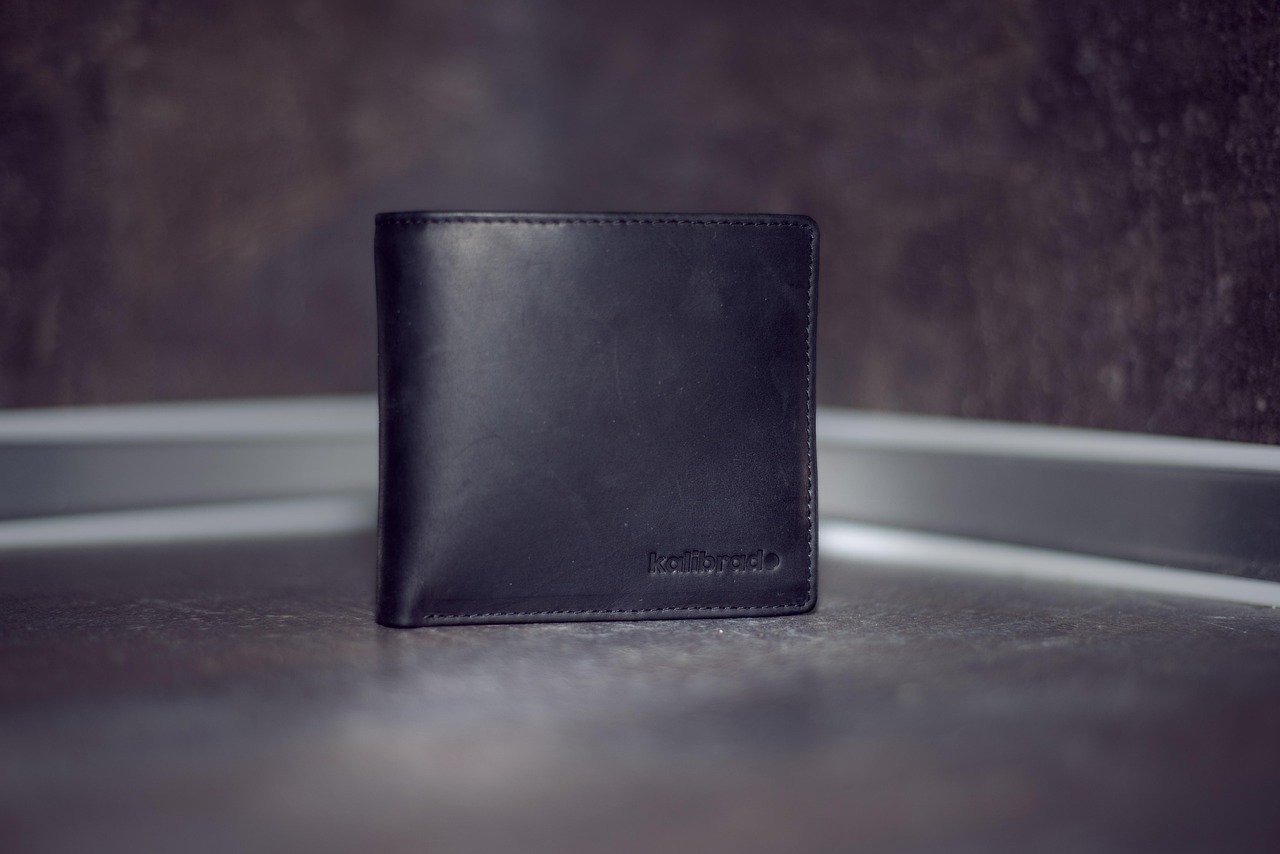
A card that slides out too easily is often the first sign that the pocket has changed shape—not merely softened.
A new leather wallet commonly feels tight for its first several weeks. Fibres compress, finishes burnish and pocket openings relax slightly as cards are inserted and removed. That measured settling is normal: the card still meets noticeable resistance and remains secure when the wallet is turned upside down.
Trouble begins when a pocket has been routinely packed beyond its intended capacity. Leather does not spring back like elastic; once its fibre network has been pulled wider under repeated load, recovery is usually partial at most. Heat, moisture and thick stacks of receipts accelerate the change. A pocket that gapes while empty, shows stress creases at the stitched corners, or releases a single card with no friction has likely undergone structural stretch. Conditioning may improve suppleness and appearance, but it cannot reliably shrink an enlarged slot.
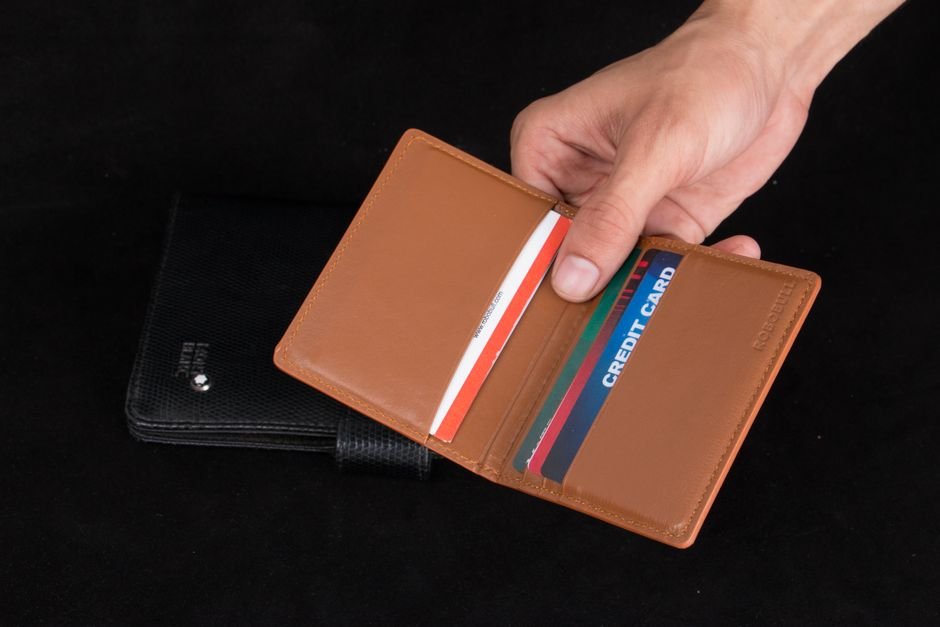
Lighten the daily carry
The quickest way to slow further stretching is to remove bulk before treating the leather. For leather wallet maintenance, a pocket forced wide every day keeps its fibers under tension. Conditioner may improve feel, but it cannot make an overloaded slot hold a shape it is never allowed to recover.
Audit what is actually carried
Empty the wallet and divide its contents into three groups:
- Daily: payment card, identification, transit pass, and one or two genuinely used cards.
- Occasional: membership cards, receipts, spare cash, and gift cards; these belong elsewhere until needed.
- Poor wallet candidates: coins, keys, thick access fobs, stacks of receipts, and multiple cards in one slot.
A practical limit is one card per designed card pocket for leather wallet maintenance.
The bill compartment closes without a hard ridge.
If the wallet must be pressed shut, it leaves a pronounced outline in clothing.
If cards must be tugged from a shared slot, the load works against its grip.
Coins and bulky items are especially damaging because they create concentrated pressure rather than even thickness. A small coin pouch, key organizer, phone wallet, or separate card holder can keep those forces out of the leather. Rotating in only the cards needed for that day also gives stretched pockets time to relax between uses.
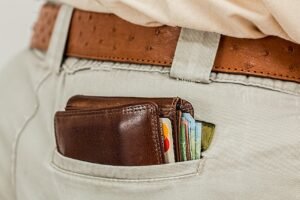
Give Every Slot a Permanent Job
- Match each pocket to one card
A card slot holds its shape more reliably when it carries one card of roughly the same thickness every day. Smooth plastic cards are usually a predictable fit; embossed, metal, laminated, or stacked cards place more localized strain on the mouth of a slot.
- Keep the bifold evenly loaded
On a bifold, similar total thickness on the left and right panels helps the wallet close without one side levering against the other. If one panel carries several cards and the opposite panel is nearly empty, the fuller side is more likely to be compressed and distorted in a pocket.
- Avoid the thin-to-thick cycle
Removing a single thin card and later forcing in a stack is particularly hard on a settled slot. Leather recovers some surface compression, but repeated wide expansion encourages the fibers at the opening to stay displaced. A spare card holder is gentler than treating one slot as overflow storage.
- Return cards to the same places
A fixed arrangement turns daily use into low-level preventive maintenance. It limits rubbing between card edges, reduces repeated reshaping, and makes an overfilled pocket immediately obvious rather than gradually normal.
- Check thickness after adding anything new
Replacement bank cards, access badges, transit cards, and protective sleeves can change the load more than expected. When a new item is thicker, moving it to a roomier compartment rather than squeezing it into an established slot preserves the original fit.
A stable layout also makes it easier to notice when a pocket begins loosening before the change becomes permanent.
Reset bulk before it sets
A wallet rarely develops a severe lump in a single day.
For leather wallet maintenance, the leather spends weeks formed around that uneven stack.
Removing these items before they become routine is more effective than trying to flatten a distorted pocket later.
Set a fixed empty-out rhythm
A weekly empty-out works well for most daily wallets; a two- or three-day reset may suit anyone who collects receipts or carries cash often. Empty every compartment onto a flat surface and return only the assigned cards and a modest note stack. Receipts, tickets, gift cards, coins, and spare keys belong elsewhere.
Pay particular attention to the bill compartment corners and the inner fold of a bifold. A folded receipt or a coin can create a concentrated high spot, while thick notes packed at one end pull the fold off-center. The wallet should close without its edges lifting or its spine being forced open.
Check card resistance
After the reset, test each slot with its usual card. A card should enter with smooth, light resistance and remain in place when the open wallet is turned upside down and given a gentle shake. A card that slides out under its own weight indicates that the slot has loosened; adding a second card to “tighten” it temporarily usually widens the opening further.
Daily compression matters as much as the contents. Storing the wallet flat and unloaded overnight helps it rest in its intended shape. Sitting on a rear-pocket wallet bends the spine and crushes card layers, while a crowded jacket pocket can warp corners—especially when trying to conceal wallet bulge in tailored clothing. Moving it to a bag or an unoccupied pocket before sitting reduces repeated distortion.
Keep pressure off the leather
Heat amplifies the effect of bulk. A loaded wallet left in a warm car, pressed under a laptop, or trapped beneath other items in a drawer can take on the shape of whatever bears against it. A flat, dry resting place and a consistent empty-out routine keep the wallet’s load predictable—and its grip more reliable.
If the wallet no longer lies flat when empty, stop treating it as a carrying problem alone. Continued overfilling can deepen the set in the leather; reduce the load and avoid prolonged compression while it rests.
Conditioner Cannot Tighten a Loose Slot
Conditioner does not restore lost tension or rebuild a widened pocket edge.
It lubricates and replenishes some flexibility in the leather fibers; it cannot reliably compress fibers that have been permanently displaced.
Heavy application can make thin wallet leather more pliable, lowering the friction that keeps cards secure.
Slots depend on firm grain, close stitching, and controlled stiffness. Saturating the leather can soften those working surfaces and leave residue on card edges.
Finish type and the maker’s care directions set the limits.
Protected, coated, corrected-grain, vegetable-tanned, and aniline leathers react differently; waxes or oils may darken, stain, or alter the surface. When appropriate, a tiny test application on a hidden area can reveal a change before broader use.
Handle a Wet Wallet Without Locking In Slack
-
Empty it immediately
Remove cards, cash, receipts, and inserts before moisture and their combined thickness press the damp leather outward.
-
Blot; do not rub
Press a clean, absorbent cloth against both sides and along slot mouths. Rubbing can abrade the finish and drive water farther into the leather.
-
Restore the intended profile
Lay the wallet open on a dry towel and lightly align warped edges with clean fingers. Keep pockets empty; cards used as forms can preserve an enlarged opening.
-
Let air do the work
Dry it flat at ordinary room temperature, away from sun, radiators, vents, and enclosed humid spaces. Turn it once or twice so both faces release moisture evenly.
-
Reload only when fully dry
When the leather feels dry at seams and inside slots, return only the normal card load. A reduced load for the first day can help the fibers settle without renewed strain.
If dye transfers to the blotting cloth or the leather becomes stiff, stop handling it and allow it to dry naturally before assessing the finish.
Hair dryers, radiators, direct sun, ovens, and hot-car drying can contract leather unevenly, leaving brittle edges, wrinkled panels, or distorted slots. Alcohol, soaking, and aggressive conditioning are similarly unreliable “tightening” methods: they may change the finish without restoring the fiber structure that provides grip.
Tell temporary slack from structural failure
-
Unload the wallet for a full day
Lay it flat, empty, and away from heat. This reveals whether crowding is the main cause rather than judging a pocket while it is still under pressure.
-
Test one normal-thickness card
Return a single card to its usual slot, then turn the wallet opening-down over a soft surface. A card that stays put may only need a lighter permanent load.
-
Inspect the pocket mouth and seams
Look for a mouth that remains visibly gaped when empty, elongated stitch holes, loose thread, detached lining, or a curled edge.
-
Separate surface wear from failed structure
Scuffs and dryness are cosmetic. Split leather layers, torn seam anchors, and a lining that no longer supports the pocket are structural problems.
-
Match the remedy to the failure
Reduced carry can stabilize mild slack; a leather repairer may restitch or reline a sound wallet. Enlarged leather pockets rarely regain original grip through treatment alone.
A wallet is often worth keeping when its slots still close around a single appropriate card after resting empty, and the stitching remains tight. In that case, carrying less prevents the leather from being repeatedly driven past its elastic range.
A pocket that stays open like a funnel sheds a card with little movement. If the pocket has separated layers, it has moved beyond a simple load-management problem. For leather wallet maintenance, a repairer can reinforce seams or replace a failed lining, but cannot restore permanent stretch. Adhesive inserts and improvised shims may add temporary friction, yet they concentrate pressure at the pocket mouth.
When retention matters more than preserving the current layout, a closure or mechanical hold is usually more durable: a zip compartment, snap tab, elastic band, or a card case with a positive clamp. For cash carried externally, the same principle applies when preventing a money clip from slipping: retention should come from the hardware or design, not from forcing tired leather to grip harder.
- Maintain a Baseline Keep each pocket assigned to one card and clear receipts, coins, and duplicate cards at least weekly.
- Interrupt Stress Early After rain, sweat, or a hot car, empty the wallet, reshape it lightly, and let it dry flat before reloading.
- Treat Slippage Seriously A card that slips out during ordinary handling is a warning, not a break-in milestone: reduce the load immediately.
Leather Wallet Care: Common Questions
Can leather conditioner shrink a stretched card slot back to size?
No. Conditioner lubricates and replenishes some flexibility in leather fibers, but it cannot reliably compress fibers that have been permanently displaced. A loose slot needs reduced load and careful use, not a softening treatment—and heavy conditioning can even lower the friction that keeps cards secure.
How often should a wallet be emptied out?
A weekly empty-out works well for most daily wallets, while a two- or three-day reset may suit anyone who collects receipts or carries cash often. Empty every compartment onto a flat surface and return only the assigned cards and a modest note stack.
What should I do if my leather wallet gets wet?
Empty it immediately, blot (don’t rub) both sides with an absorbent cloth, lightly reshape the warped edges while empty, and let it air-dry flat at room temperature away from sun, radiators, or vents. Reload only once it’s fully dry, ideally with a reduced load for the first day.
How can I tell if a card slot is truly loosened rather than just settling in?
Unload the wallet for a full day, then test a single normal-thickness card by turning the wallet opening-down over a soft surface. If the card slides out with no resistance, or the pocket mouth stays visibly gaped when empty, the slot has likely undergone structural stretch rather than normal settling.
When should a wallet be repaired instead of replaced?
Repair makes sense for sound leather with localized seam or edge failure—a repairer can sometimes restitch seams or replace a lining. Replacement is the more honest choice when multiple pockets have lost retention, the pocket mouth stays open like a funnel, or the leather layers have separated.
Protect Grip Through Small, Regular Choices
- Reserve repair for sound leather with localized seam or edge failure; replace a wallet when multiple pockets have lost retention or the leather is permanently distorted.
Leather slots hold cards through controlled compression and surface friction, not through conditioner or forced shrinking. A light, consistent load and prompt recovery after moisture or heat give that structure the strongest chance of lasting.
When cards no longer stay secure, remove excess contents at once and test the wallet after it has rested flat. If retention remains unreliable, an honest repair-or-replace decision is safer than continuing to trust weakened pockets.


8 Comments
Glad you mentioned that a repair can stabilize seams but won’t necessarily restore the leather’s grip. I was about to pay to have a loose card pocket “fixed,” but a snap sleeve or card holder insert may be more realistic at this point.
The wet-wallet advice would have saved me a lot of grief last winter. Mine got soaked in a jacket pocket, and I tried drying it near a radiator because apparently I enjoy making problems worse. The card slots went weirdly wavy afterward.
Emptying it, blotting it, then drying it flat sounds boring, which probably means it’s the correct answer lol.
I’ve had decent luck storing my wallet flat overnight with the cards removed once a week. It hasn’t made already-stretched pockets tight again, but it does seem to keep my newer wallet from getting that permanent lump in the middle.
Coins are the real villain here. Why do they weigh approximately the same as a small appliance after two weeks?
Seriously. I switched to a little coin pouch and my bifold stopped looking like it had swallowed a rock. The uneven bulge was worse than the total number of cards for me.
The “one card per slot” rule is the thing I needed to hear. I kept rotating different stacks of cards through the same two front slots and then wondered why my debit card started doing escape tricks every time I opened the wallet 😅
Going to assign the slots and stop treating it like a tiny storage unit.
That rotating-stack habit is a common cause of loose slot mouths. Keeping each slot assigned to one card, or at least the same thickness of card, gives the leather a much more predictable load.
I’m a little skeptical about the shake test as a general rule. A card can stay put when the wallet is new but still be awkwardly tight enough to bend or scuff it. Is the test meant to be done with the wallet open, held upside down, or just a light shake while closed?
Otherwise, good reminder that conditioner is not some magic leather shrink ray. I learned that one after applying too much to an old bifold and making the pockets feel noticeably softer.
Fair question. It should be a gentle test with the wallet open or angled downward—not a vigorous upside-down shake. The point is simply to see whether a normally seated card begins sliding out under light movement. A snug slot can be inconvenient, but a card that drifts out without being pulled is the warning sign.