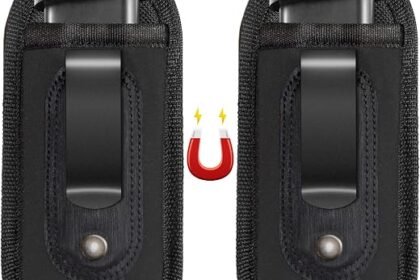
Placement, cant, and clothing adjustments Tactical adjustments that actually cut printing These tactical adjustments actually cut printing without needing a different carrier. Additionally, these opti...

Your Everyday Carry Load Out Starts Here
Everything that rides on the belt: holsters, magazines, carry accessories and the defensive tools that go with them.
Placement, cant, and clothing adjustments Tactical adjustments that actually cut printing These tactical adjustments actually cut printing without needing a different carrier. Additionally, these opti...
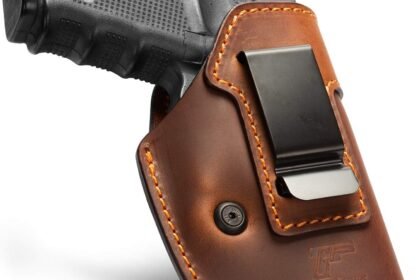
An appendix carry holster sits at the front of the waistband, roughly between the navel and the hip bone. That position shortens the draw. It also hides the grip better than strong-side carry under mo...
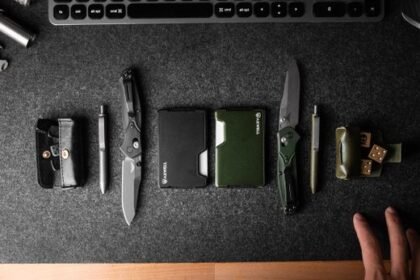
A holster, a key part of concealed carry essentials, determines concealment, comfort, and how reliably the pistol stays in place. Additionally, selecting the correct holster and carry position first p...
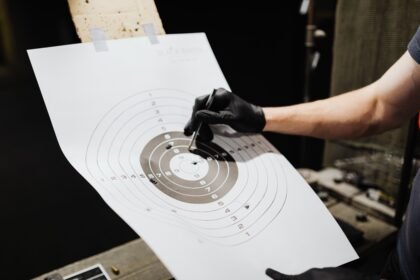
A tactical pen most reliably serves as a compact utility and emergency tool rather than a guaranteed defensive weapon. Three evidence‑consistent roles stand out: Close‑range defensive strikes are poss...
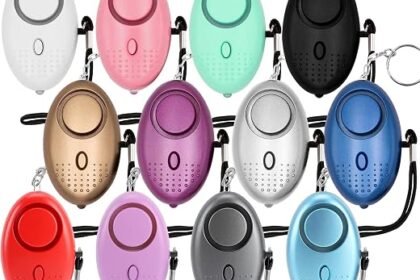
Personal alarms for older adults succeed or fail on three practical measures: audibility, ease of activation, and dependability. Loudness (measured in dB) determines whether a neighbor or caregiver wi...
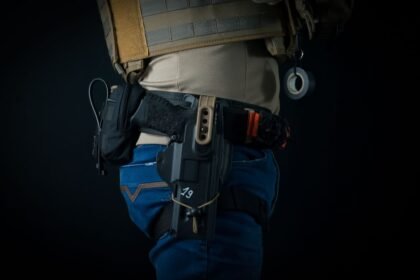
A compact taxonomy reduces decision friction for personal defense tools. Additionally, each category below lists the core trade-offs: range, activation complexity, collateral effects, and legal sensit...
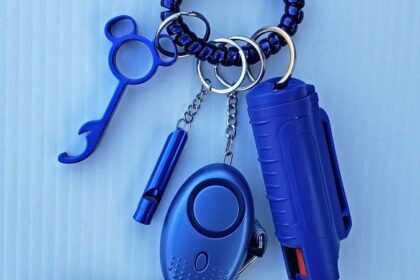
Key statutory themes California treats pepper spray as conditionally permissible: statutes and regulations allow civilian possession and sale in many circumstances but attach limits that control who m...
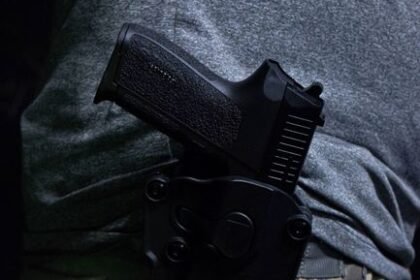
Keep purchases focused on concealed carry accessories: list items by daily impact rather than impulse. Additionally, rank accessories in three tiers, then filter choices using five trade-off criteria....