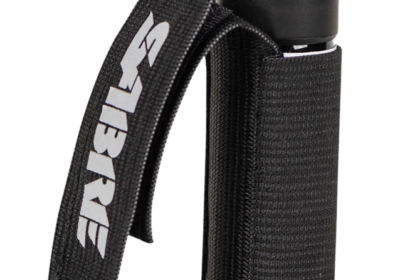
Pepper spray training doesn't need a live canister to be effective — most of the value comes from rehearsing the safe sequence with an inert trainer: locating the actuator by feel, confirming the...

Your Everyday Carry Load Out Starts Here
Everything that rides on the belt: holsters, magazines, carry accessories and the defensive tools that go with them.
Pepper spray training doesn't need a live canister to be effective — most of the value comes from rehearsing the safe sequence with an inert trainer: locating the actuator by feel, confirming the...
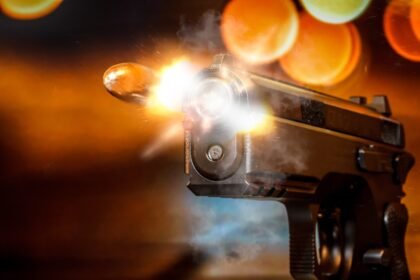
Pistol magazine extensions solve two different problems that often get conflated — added ammunition capacity and a fuller grip for the firing hand — and conflating them is how someone ends up with a m...

An off-body carry bag only earns the word ‘safer’ when it comes with a genuine custody routine — a dedicated compartment that stays separate from keys and loose gear, retention that holds ...
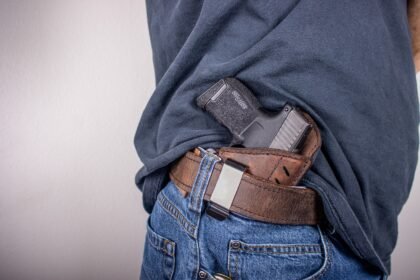
A purpose-built gun belt can make daily carry feel markedly more controlled. By resisting sag and unwanted twist, it helps keep the holster at a consistent cant and ride height, which supports steadie...
Before applying a number, lay out every magazine intended for the inventory and create a clean starting list. Keep magazines for each specific pistol together; even two outwardly similar models may us...
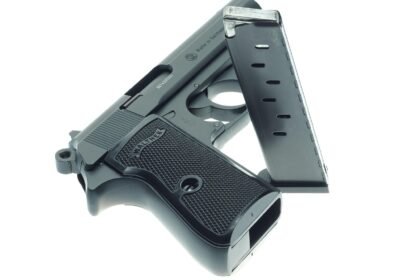
Choosing pistol magazines for a new handgun means matching exact fitment, feed geometry, and follower design to the pistol — not simply grabbing anything that shares a caliber marking. A pistol magazi...
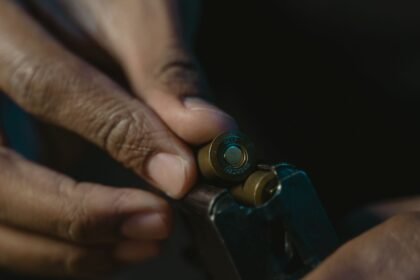
A magazine is easier to service safely when it is treated as a component of a complete firearm system, not as an isolated part. First, isolate the firearm in accordance with its manual: keep its actio...
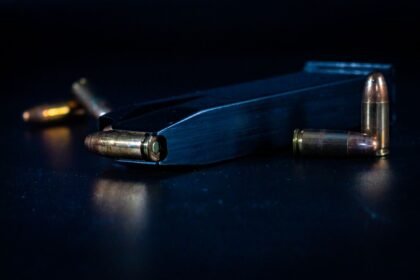
The loaded magazine storage question comes down to spring engineering, not superstition: a correctly made spring held within its normal compression range does not wear out simply from sitting loaded. ...
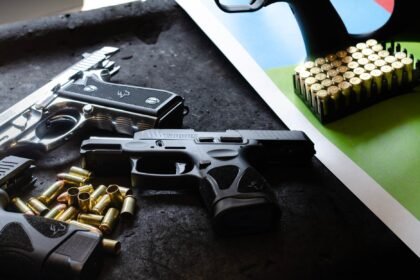
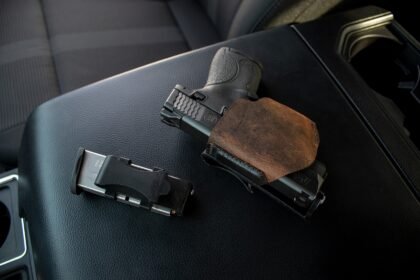
A vehicle works best as a short-gap location, not a routine place to leave a handgun between errands, work shifts, or overnight parking. The more often the gun moves from body to console, lockbox, or ...
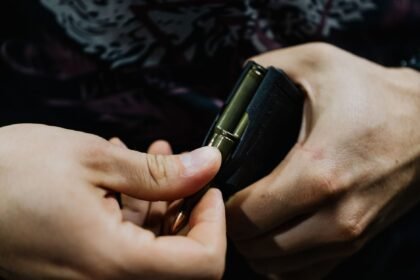
Most shooters do fine with three to five pistol magazines for a normal range session, with eight or more reserved for classes and long strings. The number that actually helps is the one that lets a dr...