

A glove box can speed up a roadside check—and magnify the damage from a smashed window.
After a minor collision or a routine traffic stop, a driver may need to produce registration or insurance evidence within minutes. Yet the same papers, left in the cabin, can give a thief a home address, vehicle identifiers, policy details, and material useful for impersonation or fraudulent claims.
The sensible balance turns on availability, privacy, and local requirements. Some jurisdictions require particular documents to be carried or shown on request; others accept a digital record or allow details to be verified electronically. A document that proves current coverage may be useful at the scene, while a title, service history containing personal data, or spare ownership paperwork often creates more exposure than practical benefit. Rules and accepted digital formats vary, so the controlling source is the relevant licensing or insurance authority—not a universal checklist.
- Registration commonly identifies the vehicle; a title establishes ownership and is usually more sensitive to keep in the car.
- Digital proof can reduce paper exposure, but a dead battery, poor signal, or an officer’s local acceptance rules can affect its usefulness.
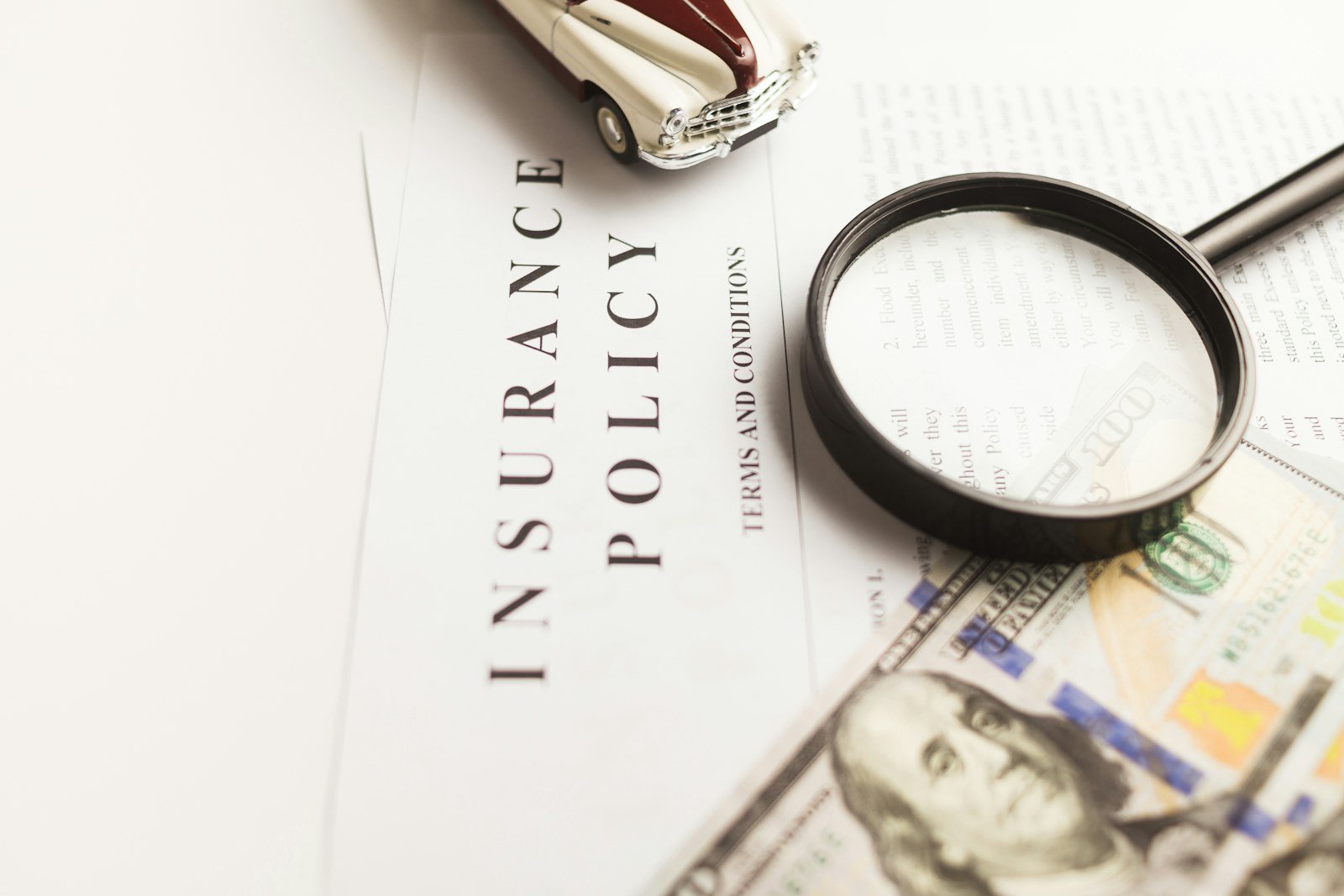
Requirements change at the border
There is no universal in-car document list. Carry requirements can differ between countries, states, provinces, and even road types. They may also depend on whether the vehicle is privately owned, rented, leased, commercially operated, carrying passengers for hire, or crossing an international border.
Digital proof has made the picture less consistent. Some jurisdictions accept an insurer’s app or a stored electronic insurance card at a traffic stop; others still require a paper certificate in particular circumstances. Acceptance of a digital driver license, registration, or emissions record can be different again. An image saved to a phone is not necessarily equivalent to an official digital credential.
Before placing anything in the glove box, drivers can confirm the current position through:
- the relevant transport, motor-vehicle, or police authority;
- the vehicle’s insurer, for proof-of-coverage rules and offline access options;
- a rental or leasing provider, where its agreement and roadside contact details matter;
- official border and customs sources for international trips.
Rules also change: a document accepted last year, or in a neighboring region, may not meet the current local requirement. Official sources are more reliable than generic checklists, particularly for commercial vehicles and cross-border travel.
The two documents most often needed
For routine driving, the documents most likely to be requested are current vehicle registration and evidence of active insurance. Registration links the vehicle to its official record; insurance evidence shows that required cover was in force at the relevant time. A roadside officer, collision counter party, or recovery provider may need either quickly.
The acceptable format is not universal. Some jurisdictions still expect a paper registration card or certificate in the vehicle. Others accept an insurer’s app, a PDF policy card, or an official wallet credential displayed on a phone. Cross-border travel, commercial use, rental vehicles, and certain inspections can impose different document rules, so the relevant transport authority and insurer remain the authoritative sources.
Digital proof needs a practical backup
A phone-based policy card is convenient, particularly after a renewal or change of insurer, because it can show the newest effective dates. But digital proof becomes awkward when the battery is flat, reception is unavailable, an app requires a fresh sign-in, or a device has been damaged in a crash.
A sensible vehicle file therefore uses the format accepted locally while preserving an offline fallback:
- a current printed insurance card, where paper is accepted;
- a downloaded PDF or wallet pass saved for offline access;
- a legible registration copy or original, according to local rules;
- replacement documents immediately after a plate, ownership, insurer, or address change.
Old cards and expired registration copies can create confusion. Removing superseded versions after confirming the replacement is valid keeps the glove compartment—and the phone—ready for the documents that actually matter.
The title is usually not glove-box paperwork
A practical in-car file is narrow: current operating evidence, such as registration and insurance proof. Ownership, identity, and account records are a different category.
A stolen vehicle can expose far more than its make and registration number when it contains a title, purchase file, loan correspondence, or copies of identity documents. Those records can also be difficult to replace.
The title generally establishes ownership; registration generally shows that the vehicle is currently registered for road use. They are not interchangeable.
Roadside checks commonly focus on the driver, current registration, and insurance status. Title requirements and electronic-title practices vary by jurisdiction, but a paper title is usually not a routine operating record.
A copy can help identify vehicle details, but it normally does not carry the transfer function of an original title or an official electronic-title record.
Keeping the original in a secure location reduces theft and loss exposure. A signed title is particularly sensitive because it can be central to transferring ownership; an unsigned original is still valuable.
Build the file around the journey
A locally used private car may need little beyond current registration and insurance evidence. A vehicle approaching a required inspection can also carry the appointment confirmation or a recent pass certificate where local practice makes it useful. Parking, access, emissions-zone, or commercial-use permits belong in the vehicle only while valid and required for that vehicle.
Keep incident information practical
A roadside-assistance membership number, insurer claims contact, and a blank accident-report form can be useful after a breakdown or collision, particularly where signal coverage is poor. These items help record facts without proving ownership or exposing a broader financial history. A photographed damage checklist may also be useful for a short-term rental, but it is not a substitute for the rental company’s reporting process.
Add temporary authority for special use
Fleet drivers may need a company authorization, vehicle-use letter, or dispatch contact. Rental drivers crossing a border may need the rental company’s written permission, plus any insurance certificate or country-specific proof required for that trip. These documents are often date- and destination-specific, so they are better added shortly before travel and removed afterward.
An accident form and claims contacts are reasonable glove-box materials. By contrast, avoid leaving original title documents, loan or lease papers, tax records, passport copies, home addresses beyond what registration requires, or spare identity documents in the car. A break-in turns these records into a more serious identity and fraud exposure.
Paper, copies, and phone-based proof
A paper original remains the most broadly legible format: it needs no battery, signal, login, or compatible device. It can also be easier for an officer, repair shop, or towing operator to inspect quickly. Its weakness is privacy: a lost vehicle can expose every detail printed on it.
A paper copy limits the loss if the original is stolen, but it is only as useful as the authority accepts it. Copies can be excellent for reference numbers, roadside-assistance instructions, and non-sensitive vehicle details; they may not substitute for an official registration or insurance credential.
Digital records need two fallbacks
An insurer app or government-issued wallet can show the freshest policy or registration status and may be explicitly accepted in some locations. But acceptance is not the same as resilience. A dead battery, app outage, expired login, lost phone, damaged screen, or weak reception can turn a valid record into an inaccessible one. A screenshot or downloaded PDF stored offline helps with connectivity, yet may be rejected if it looks outdated, cropped, or cannot be authenticated.
A practical mix is a current paper credential where required or commonly expected, plus an offline digital backup and the issuer’s contact details. Before presenting phone-based proof, the display can be limited to the relevant document. Handing over an unlocked phone can reveal messages, photos, saved accounts, location history, and unrelated files—far more than a paper card does.
A document can be officially valid in an app yet unavailable at the exact moment it is requested. Battery power, offline availability, and a readable screen are separate reliability checks.
Store proof without advertising it
A document holder is not merely an organizer. A small, opaque, weather-resistant sleeve or zip folio keeps paper from absorbing condensation, fading in sun, or becoming unreadable after a spill. It also makes it easier to see when an expired card or an old temporary permit is still in the vehicle.
Keep the holder deliberately thin. It can contain the current registration and insurance evidence where paper proof is useful, plus only journey-specific items that genuinely need to travel with the car. Originals of ownership records, finance paperwork, passport copies, spare identity documents, and old policies create more loss exposure than roadside value.
Put it out of sight
Loose papers in a center console, door pocket, or sun visor advertise both information and opportunity. A plain holder placed in a closed glove compartment or another concealed compartment is generally less conspicuous; it should not carry labels such as “insurance” or “registration.”
A practical check after each renewal or trip is simple:
- remove superseded cards and permits;
- replace damaged or damp pages;
- confirm the holder contains no unnecessary personal data;
- take sensitive travel-only records out when the journey ends.
The aim is a file that can be found quickly by its legitimate user, but reveals as little as possible if the vehicle is opened by someone else.
Refresh the vehicle file when something changes
-
Review it at renewal time
When registration, insurance, inspection, emissions, roadside-assistance, or permit dates approach, compare every carried item with the current record. Replace expired proof promptly; an old insurance card beside a current digital policy can create avoidable confusion.
-
Use trigger events, not only a calendar
A policy change, address change, plate replacement, ownership transfer, loan payoff, new driver, relocation, or border trip can alter what evidence is current. A short review after each event keeps the vehicle file aligned with its actual status.
-
Purge paperwork that no longer supports the trip
Remove expired temporary permits, superseded registration copies, old accident forms with completed claim details, prior assistance cards, repair invoices, and obsolete contact sheets. Historical records can be retained elsewhere if needed, rather than left in the car.
-
Update each vehicle separately
Proof belonging to one vehicle may not establish coverage or registration for another. After any change, check every regularly driven car, including a partner’s vehicle, a family fleet vehicle, or a car that is usually parked elsewhere.
-
Give high-turnover vehicles an extra check
Shared, company, newly purchased, leased, borrowed, and seasonal vehicles often collect stale papers during handoffs. Before a vehicle returns to regular use, confirm that its folder contains only current, vehicle-specific documents and working digital backups.
A recurring reminder can catch date-based renewals; event-based checks cover the changes that reminders often miss.
Use a four-part test before adding any record
- It is needed during ordinary roadside contact
A record earns a place in the vehicle when an officer, insurer, recovery operator, or repairer may reasonably need it before the trip ends.
Keep or carry whenCurrent registration and accepted insurance evidence.Leave at home whenOwnership files needed only for sale, transfer, or lending. - It identifies this vehicle, not the driver’s wider life
Vehicle-specific proof limits exposure if the car is broken into or borrowed.
Keep or carry whenVIN-linked permits, assistance details, and relevant travel authority.Leave at home whenPassports, tax records, finance agreements, or spare identity documents. - It works without a signal or login
Digital credentials can be useful, but a dead battery, weak reception, or app outage changes the calculation. Locally confirm what a paper or offline copy must cover.
Keep or carry whenDownloaded, readable proof plus any required physical original.Leave at home whenA link, portal login, or screenshot that cannot be verified. - It is current for this trip and vehicle use
A document can be valid yet irrelevant when the vehicle, territory, driver, or use has changed.
Keep or carry whenTrip-specific permits and current policy details.Leave at home whenExpired renewals and paperwork from a former vehicle.
Car Documents: Common Questions
Should the vehicle title be kept in the car?
Generally no. A title establishes ownership rather than showing current road-use status, and roadside checks commonly focus on the driver, current registration, and insurance status instead. Keeping the original title at home reduces exposure if the car is broken into.
Is a screenshot of an insurance app good enough to show at a stop?
It depends on local acceptance, and it isn’t fully reliable on its own. A dead battery, weak signal, expired login, or damaged screen can make digital proof inaccessible, so a downloaded PDF or wallet pass saved for offline access is a useful backup to an app that needs a live connection.
What documents are most likely to be requested at a routine stop?
Current vehicle registration and evidence of active insurance are the two most commonly needed. Registration links the vehicle to its official record, while insurance evidence shows required cover was in force.
How should documents be stored in the car?
Use a small, opaque, weather-resistant sleeve or zip folio kept in a closed glove compartment rather than loose in a console or door pocket, and avoid labeling it “insurance” or “registration.” Remove superseded cards and permits after each renewal.
- Review the kit after renewal, a change of vehicle use, a border crossing, or a policy update.
- A small opaque holder can protect papers while making stale records easier to spot.
The finished vehicle file is small, current, and locally verified: it contains only proof likely to be needed during that vehicle’s actual journeys. Sensitive originals and broader identity records remain elsewhere; phone-based proof is supported by an offline fallback where local rules or practical conditions call for one.




9 Comments
For accident forms, are you suggesting a blank exchange-of-information form? My insurer has one in its app, but after a fender bender I can see myself fumbling through menus and battery warnings instead of finding the right screen.
I keep a printed one with a pen in my emergency kit. It also helps when the other driver is stressed or their phone is dead. Just don’t put your policy number or home address on the blank form ahead of time.
Maybe I’m overly cautious, but even an opaque pouch feels like a tempting target if it’s in the console. Do people actually take the registration inside every night, or is that overkill?
I park on the street fairly often, and the theft-vs-getting-stopped-without-it calculation is annoying.
The “refresh when something changes” advice is great, although I’m guilty of having three expired insurance cards in my glove box right now. Apparently my filing system is archaeological layers 😂
Digital insurance cards are convenient until you have one bar of signal in the middle of nowhere and the app decides it needs you to log in again. Ask me how I know 🙃 An offline PDF or a paper backup seems like the sensible middle ground.
How does this change for a leased vehicle? I don’t have the title, obviously, but I do carry a copy of the lease agreement on long trips in case there’s a question about taking the car across a state or national border.
Would a short authorization letter from the leasing company be better than carrying the full agreement? The agreement has far more account details than anyone at a roadside stop needs.
A vehicle-specific travel authorization or permission letter is generally the cleaner option, especially for border travel. Check the leasing company’s requirements and the destination’s rules well before leaving; some borders may expect original or formally signed authorization. Keep the full lease agreement securely elsewhere unless it is specifically requested.
One nuance: some states let you show insurance electronically, but that does not necessarily mean an officer can take your unlocked phone and scroll around. People should know the difference between voluntarily displaying a credential and handing over their entire device.
A printed card avoids that awkward conversation, even if it is less current than the insurer app.
The point about not leaving the title in the glove box cannot be repeated enough. My cousin had her car broken into and the thief got a whole folder of documents—such an unnecessary headache.