
The trick is disappearing in plain sight, not looking prepared for a border crossing.
At the turnstile, in a rideshare, at the café register, a wallet gets exposed in quick public flashes. Too thick, and it prints through trousers or bulges in a blazer. Too technical, and it reads like travel kit—the kind of accessory that invites a second look precisely when discreet carry matters most.
That creates a narrow target: enough structure for cards, cash, and daily friction, but not so little that carry becomes an exercise in self-denial. The strongest slim anti-theft designs tend to hide their intent through clean proportions, muted hardware, and low-profile materials that resist prying, snagging, and obvious security-gear cues.
Choose by what actually rides in the pocket
A slim wallet is optimized for pocket silhouette first. It spreads cards, softens edges, and avoids extra hardware that prints through fabric.
An attached system solves a different problem: capacity and access. Once a product is sized for a phone, clip, or belt mounting, it usually stops behaving like a discreet daily wallet—even if it can hold cards.
What “anti-theft” means here
- Low visibility
A wallet draws less attention when it reads as an ordinary pocket object, not a travel accessory. Matte surfaces, muted branding, and familiar proportions matter more than tactical naming.
Look forQuiet styling that disappears in denim, chinos, or a jacket pocket.AvoidBold hardware, neck-wallet cues, or obvious security gadget aesthetics. - Retention under movement
Security starts before any theft attempt: a wallet that stays planted during sitting, driving, and quick movement is less likely to print, shift, or work loose. Surface grip and edge structure count as much as closure style.
Look forMaterials and shape that resist sliding and accidental ejection.AvoidGlossy shells or floppy builds that migrate to the pocket opening. - Calm pocket behavior
Slimness alone is not enough. A good carry piece stays flat, avoids hot spots, and does not create the constant fidgeting that advertises where valuables are kept.
Look forEven thickness, soft edges, and stable card stack control.AvoidBulges, sharp corners, or layouts that require constant readjustment. - Real usable capacity
A wallet becomes less secure when overloaded or when access is so awkward that cards and cash are exposed in public for too long. The useful limit matters more than the stated slot count.
Look forClean access with a realistic everyday loadout.AvoidMarketing-heavy capacity claims that only work when packed uncomfortably thin.
The rankings come from carry behavior, not spec-sheet theater. Each model was judged as a loaded daily wallet first, then as an “anti-theft” piece only if it stayed discreet and well-controlled in the pocket.
That keeps a slim bifold and a phone pouch from being scored by the same fantasy use case.
Cards, folded cash, and normal pocket companions were used to see how thickness, edge pressure, and pocket shift changed once the wallet stopped being empty.
Retrieval and re-pocketing were weighed because fumbling, spreading contents, or needing two-handed wrestling can undermine discreet carry even on a compact design.
Performance was compared across front pockets, back pockets, and jacket carry to separate products that only behave well in one ideal setup from those that stay composed more broadly.
Marketing terms such as tactical, RFID, or EDC were treated as secondary unless they changed real carry behavior.
Rugged slim wallet for hard daily carry
01
Durable polymer, ultra-slim everyday carry
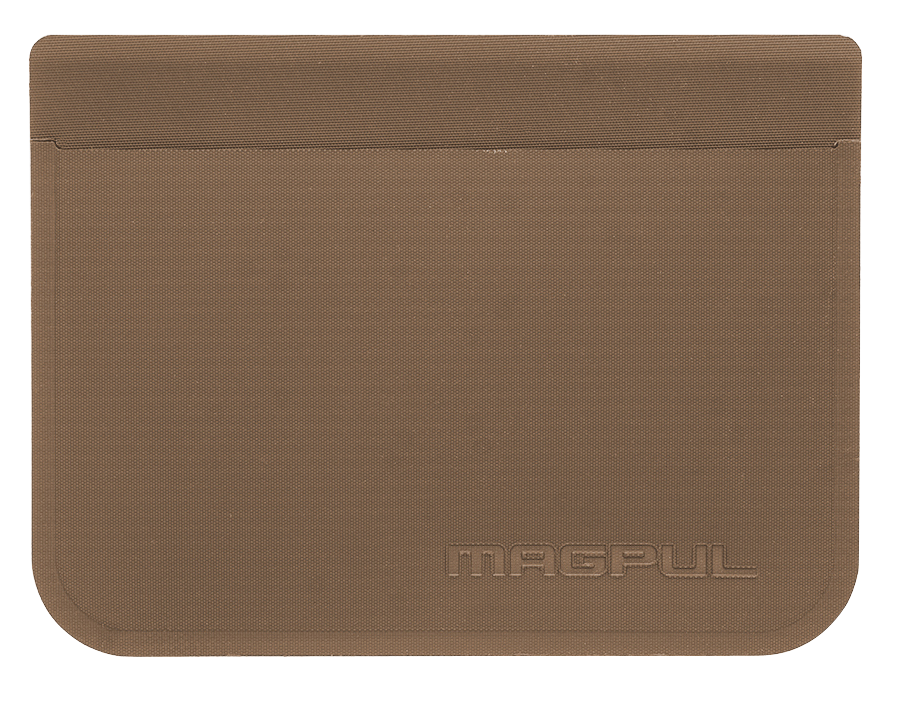
The Magpul DAKA Everyday Tactical Folding Wallet (FDE) sits in the middle ground between a conventional minimalist wallet and overt travel gear. Its polymer construction and folded layout aim at readers who want a pocketable wallet that feels tougher and more weather-tolerant than leather or fabric, while still staying recognizably wallet-shaped.
This is the fit for everyday carry that sees rough pockets, damp conditions, or workwear use, but does not need to escalate into a zip pouch or pocket organizer. The Flat Dark Earth finish gives it a distinctly field-oriented look, so it suits casual, outdoorsy, or utility-leaning wardrobes better than dress-office settings.
- Polymer body resists moisture, abrasion, and edge wear better than most slim leather designs.
- Slim folded form stays easier to conceal than tactical pouches or admin-style organizers.
- Stiff structure helps cards stay aligned instead of bunching in a soft pocket wallet.
- Low-bulk build works well when carried with a disciplined card-and-cash load.
- Capacity discipline matters; overstuffing quickly undermines both slimness and clean pocket carry.
- FDE colorway reads more outdoors or range than office-neutral.
- Less forgiving hand-feel than leather, with a more utilitarian texture and flex pattern.
- Not the most natural choice for frequent receipts, coins, or miscellaneous stash items.
Quick take A strong option for readers who want real durability and stable card retention in a true wallet format. It is most convincing when kept lean; once overloaded, its main advantages fade quickly.
This is the rugged everyday choice for anyone who wants more toughness and card security than a standard slim wallet usually offers, without moving into pouch territory. Its value is clearest in hard daily use: rough pockets, changing weather, and minimal loads.
The compromise is straightforward. It rewards restrained contents, and the FDE finish makes it look more outdoorsy than quietly corporate.
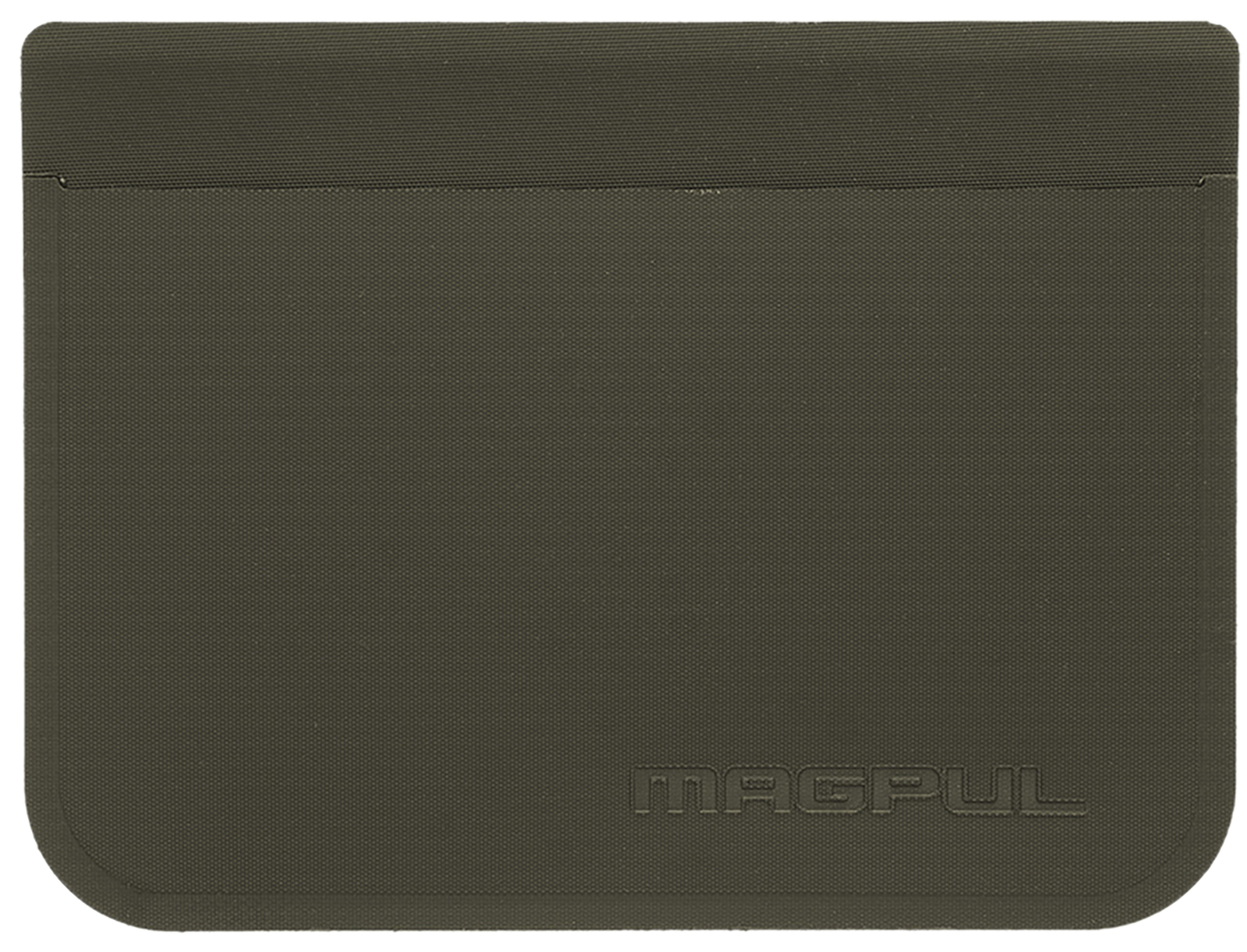
Same rugged build, more casual-friendly finish: Magpul DAKA OD Green
- OD Green feels more like heritage workwear than airport gear in denim, canvas, and boots.
- The muted shade hides dust, abrasion, and edge wear better than brighter colors.
- Keeps the same slim polymer build and visible-ID convenience as the standard DAKA bifold.
- With tailoring, dress belts, or polished leather, the color can skew more obviously tactical.
- The material still reads utilitarian up close, so color alone does not make it dressy.
- Best appearance comes with a light load; overstuffing makes the bifold look more gear-like.
Office-friendly slim bifold — Magpul Daka Bifold Wallet
Sleek bifold with anti-slip texture
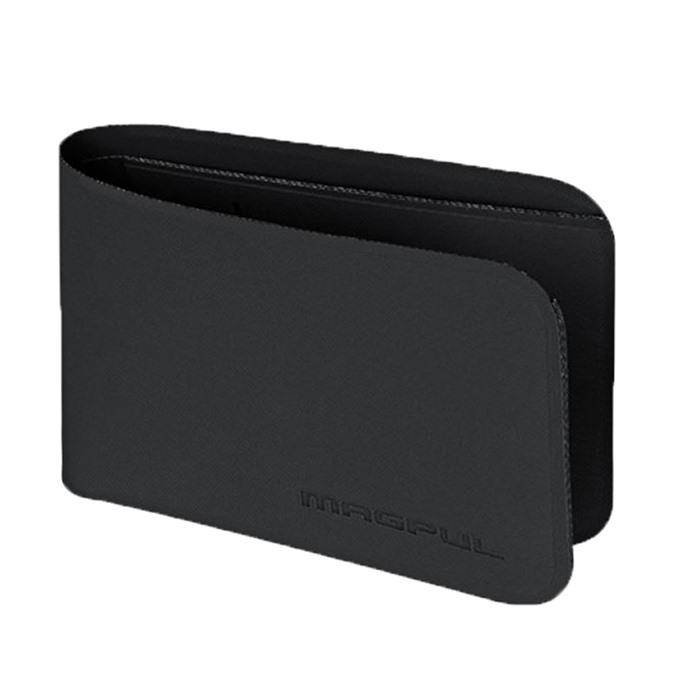
The Magpul Daka Bifold Wallet is the safer fit for readers who want an anti-theft-minded wallet that still reads like a normal everyday bifold. In black, its shape and finish tend to disappear in offices, restaurants, and dressier social settings far more easily than overtly rugged or travel-coded designs.
Its appeal is less about gadgetry than about staying visually unremarkable while keeping a compact footprint. That low-profile effect depends on restraint, though: a few cards and flat bills preserve the clean silhouette, while extra cards, stacked receipts, or bulky contents make the bifold print and behave like any other overstuffed wallet.
- Familiar bifold shape blends into professional settings
- Black finish looks less tactical than brighter utility colors
- Textured exterior can help reduce pocket shifting
- Polymer construction resists moisture and surface wear
- Slim profile fades quickly when overloaded
- Less natural drape than leather bifolds
- Organization is basic rather than highly segmented
- A technical material feel may not suit formal tastes
For readers who want anti-theft benefits through concealment and pocket stability, this version makes a persuasive case because it keeps the familiar bifold silhouette intact. The black finish helps it pass quietly in more polished environments, but its slim appeal is conditional: once packed beyond the essentials, it stops disappearing and starts advertising itself.
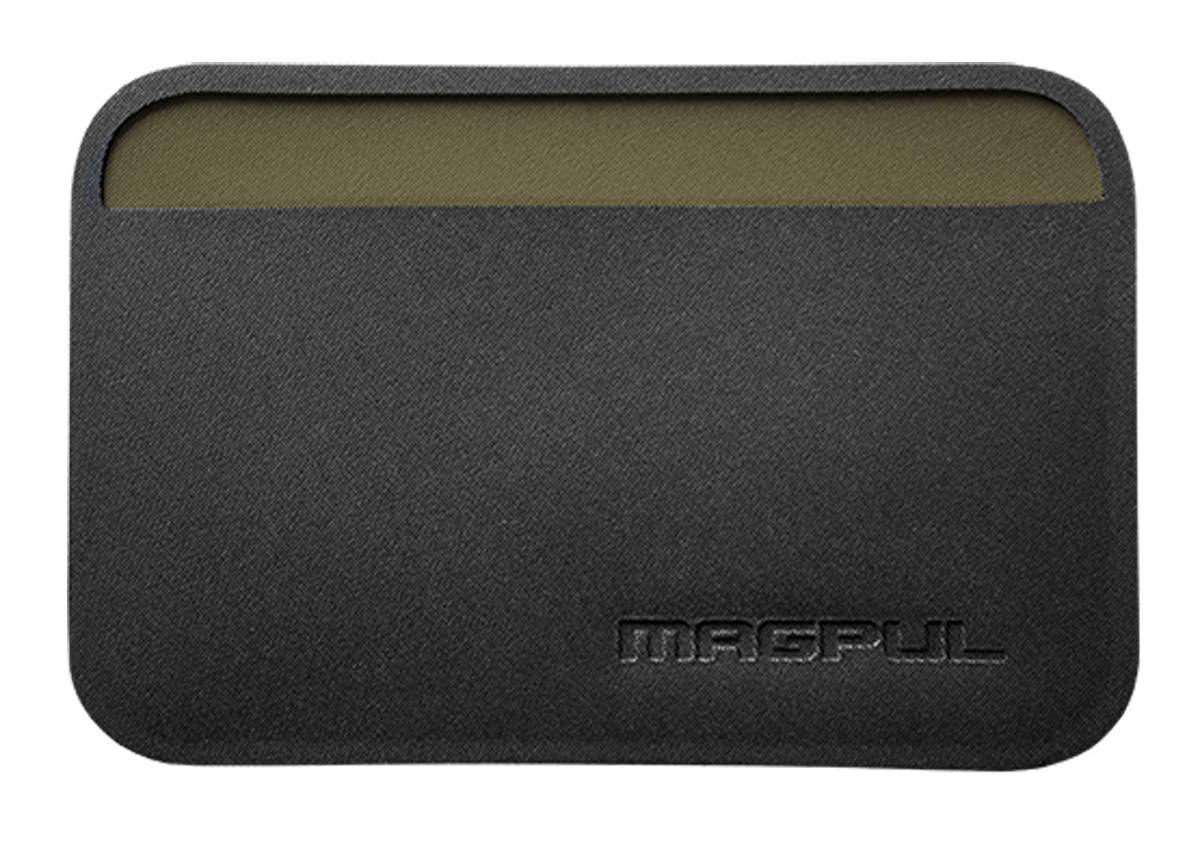
Front-pocket essentials card sleeve — Magpul DAKA Essential Wallet
Simple layout for essential cards only
The Magpul DAKA Essential trims the wallet idea down to a small, card-first sleeve built for front-pocket carry. Its appeal is simple: less bulk, less outline through fabric, and less chance of flashing a thick billfold during routine movement. For readers chasing the lowest visible footprint in jeans, chinos, or travel trousers, this format makes sense.
It suits a disciplined loadout far more than a just-in-case one. A few core cards and a very small amount of folded cash are where it feels most natural; anyone who routinely carries receipts, backup cards, or multiple payment options will hit its limits quickly.
- Very low pocket print
- Front-pocket friendly size
- Rigid, tidy card carry
- Less casual exposure
- Little tolerance for extras
- Cash carry stays limited
- Quick overload feels bulky
- Not ideal for backups
Among the slimmer anti-theft-leaning options in this roundup, the DAKA Essential makes the strongest case for bare-minimum carry. Its small format helps reduce both pocket bulge and incidental visibility, which is a real advantage in crowded, casual movement.
The trade-off is strict capacity discipline: once cash, backup cards, or daily clutter enter the mix, the benefit narrows fast.
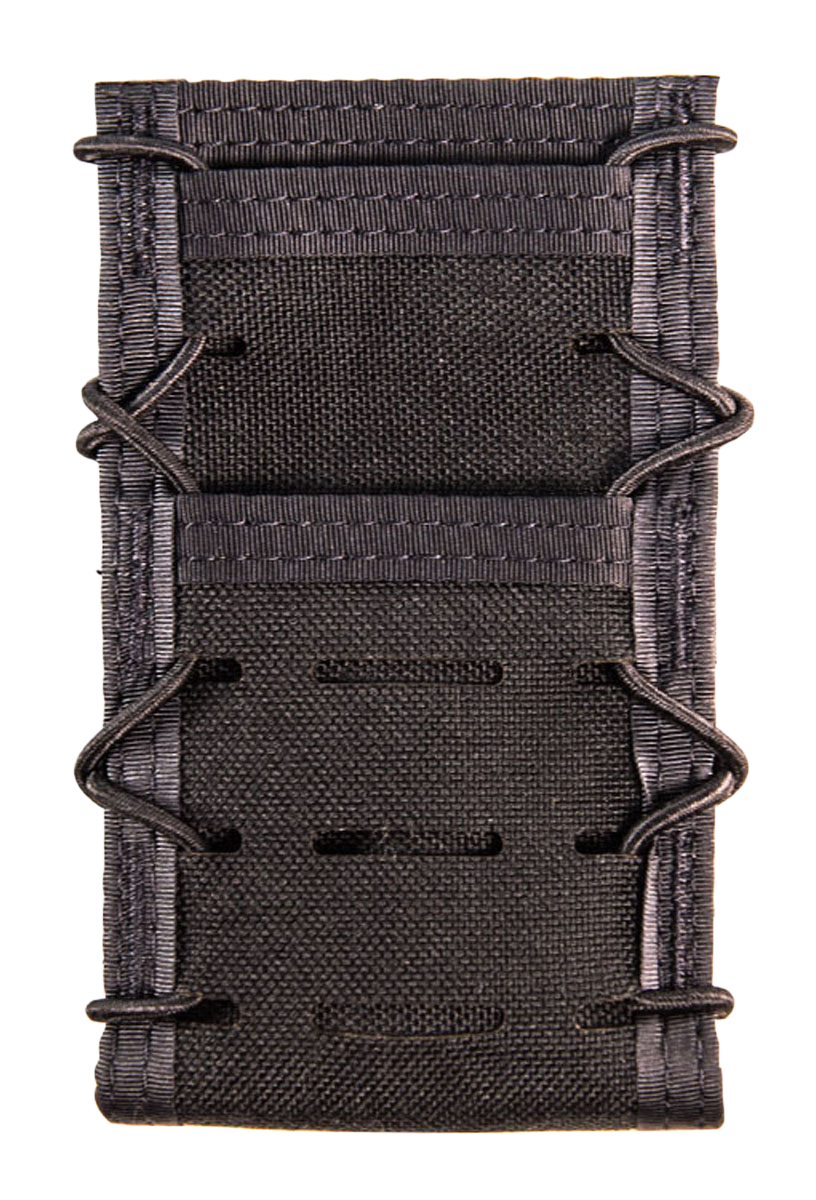
Not a wallet, a retention pouch: High Speed Gear ITACO V2
Phone-carrying pouch with rugged nylon build
High Speed Gear ITACO V2 Phone Wallet Pouch makes sense less as a classic slim wallet and more as a compact retention pouch for phone-plus-essentials carry. It suits workwear, belt-mounted, or bag-integrated setups where controlled organization matters more than a low-profile, pocket-wallet look.
- Keeps phone and cards consolidated
- Stable in gear-based carry
- Rugged, moisture-resistant shell
- Too bulky for slim-wallet duty
- Visible carry hurts discretion
- Tactical look stands out
For users carrying a phone, cards, and a few small essentials as one controlled unit, this pouch can be the more practical tool. The heavy-duty nylon build and pouch format favor security in motion, especially in setups where pocket carry is already secondary.
The tradeoff is straightforward: it solves a different problem from a discreet slim wallet. Once carried visibly on a belt, pack strap, or similar mounting point, it behaves more like a compact gear rig than a stealthy wallet.
| Carry slot | Visual read | Loaded bulk | ID window | ||
|---|---|---|---|---|---|
|
Magpul DAKA Everyday Tactical Folding Wallet FDE Front-pocket pick | Front pocket | Rugged casual | Low | View | |
| Front pocket | Muted casual | Low | View | ||
|
Magpul Daka Bifold Wallet Black Minimalist Design Conventional look | Front or jacket | Classic wallet | Low-medium | View |
These three separate more by silhouette and visual language than by raw capacity. The two folding DAKA versions stay flatter through the fold than a traditional bifold, so they are the closer match for front-pocket invisibility. Between them, color does most of the work: FDE looks more overtly rugged, while OD Green disappears more easily into denim, canvas, and muted casual wardrobes.
The black Daka Bifold trades a little stealth for familiarity. It looks more natural at a checkout counter, in an office, or with tailoring. For readers weighing a slim wallet against a money clip, it behaves most like a normal wallet while still keeping bulk controlled.
Front-pocket invisibility: DAKA Folding Conventional appearance: Daka Bifold Attachment-based retention: none of these; that priority usually points to a clipped or tethered carry setupWhen slim still shows
What clothing changes
A slim wallet disappears only if the pocket helps it. Fabric weight, surface friction, and cut matter as much as the wallet itself.
For anti-theft slim wallets, the same card load that vanishes in rigid denim can print clearly through lightweight chinos, merino trousers, or stretch-blend joggers.
Soft fabrics tend to trace edges. Stiffer cloth breaks up the outline, while textured weaves create visual noise that hides corners.
Slick pocket linings can also let a wallet rotate or creep upward. Grippier interiors usually keep a sleeve or bifold planted lower and flatter.
Silhouette matters next. A front pocket with a narrow opening can clamp a wallet in place, but on very slim pants it may turn even a good card sleeve into a visible slab.
That is why anti-theft styles that stay discreet with suiting often depend on drape, pocket depth, and how cleanly the trouser front falls.
Overstuffing is where discreet carry usually fails. A slim shell loaded with receipts, coins, and backup cards stops behaving like a slim wallet and starts acting like a hard wedge that pulls the pocket mouth open.
A quick fit check helps:
- Thin wool, jersey, or stretch chinos: favor the sparsest card load
- Rigid denim or canvas: a polymer bifold can hide better despite greater stiffness
- Tailored trousers: avoid tall stacks that create a rectangular top edge
- Shallow pockets: choose shorter wallets that sit below the opening
The last giveaway is behavioral.
Repeated pocket-checking draws more attention than a faint outline, especially for anti-theft slim wallets.
It advertises where valuables sit and can lift a jacket or shirt hem.
A wallet can look discreet standing still and still become obvious in use. Fewer adjustments, fewer pocket taps, and a lighter load usually do more for concealment than an extra feature or tougher material.
-
Loaded profile, not empty dimensions
A four-card sleeve and a seven-card bifold can both look slim on paper, then behave very differently once cash, transit cards, and receipts move in.
-
Outfit compatibility matters as much as thickness
Soft tailoring, lightweight trousers, and shallow front pockets expose bulk faster than denim or canvas. A wallet that disappears in jeans can print clearly in office wear.
-
Bifolds and sleeves solve different problems
The folding DAKA models handle mixed contents more gracefully, while the Essential stays convincing only with a tightly edited card-first load.
-
Pouches are a separate architecture
The ITACO V2 is closer to a retention-focused gear carrier than a discreet pocket wallet. Frustration usually comes from expecting belt or strap utility to behave like front-pocket carry.
A wallet can be well made and still feel wrong in daily use.
Too bulky often means the loadout outgrew the form factor. Too visible usually reflects trouser cut and fabric, not a bad design. Too tactical-looking is often a wardrobe mismatch rather than a performance flaw.That framing separates genuine product limits from simple carry mismatch.
Frequently Asked Questions
Does RFID blocking make a wallet anti-theft?
Not primarily. RFID blocking mostly addresses card skimming, not pocket loss or grab-and-go theft, so low visibility and stable retention usually matter more for everyday security.
Does a tactical look make a wallet safer?
Not necessarily. Highly rugged or tactical styling can draw more attention, while plain shapes and muted colors tend to disappear better in everyday settings.
What is the biggest reason a slim wallet stops looking discreet?
Overloading it. A slim shell packed with receipts, coins, and backup cards stops behaving like a slim wallet and starts printing through the pocket like a wedge.
Is a phone pouch like the ITACO V2 a slim wallet alternative?
Not really. It functions more as a retention pouch for belt or bag-mounted carry, and it behaves like a compact gear rig rather than a discreet front-pocket wallet.
Pick the shape before the feature list
- DAKA Folding Wallet: strongest fit for denim, workwear, and rougher daily carry with a light load.
- Daka Bifold Black: cleaner choice for office trousers or jackets where a conventional silhouette matters.
- DAKA Essential: smallest front-pocket option when cards outrank cash capacity.
Among the true wallets, the Magpul DAKA Folding Wallet makes the most sense when pocket friction, weather resistance, and casual clothing matter more than polish; the OD Green variant suits canvas-and-denim wardrobes, while FDE reads more overtly outdoors. The Magpul Daka Bifold Wallet Black is the safer pick when the wallet may appear in meetings, restaurants, or tailored clothing. The DAKA Essential works best as a card-first sleeve with emergency cash only.
The outlier is the High Speed Gear ITACO V2: useful when phone, cards, and tethered retention need to stay together, but it behaves like a compact carry pouch rather than a discreet slim wallet. In practice, clothing drape, pocket depth, carry volume, and exposure risk decide the right match long before RFID or branding claims do.
High Speed Gear ITACO V2 Phone Wallet
Magpul DAKA Essential Tactial Wallet (Black)
Magpul DAKA Everyday Tactical Folding Wallet (FDE)
Magpul DAKA Everyday Tactical Folding Wallet (OD Green)


11 Comments
Any chance you do a budget version of this? Like under $25 and not tactical-looking lol. The black bifold sounds closest to what I want, but I’m trying not to spend premium money on something that basically holds 6 cards and one sad emergency twenty 😅
Why only Magpul-heavy options here? I know the article isn’t pretending to be a giant roundup, but 4 out of 5 products from the same brand made me wonder if there were other slim bifolds or card sleeves that got cut.
I actually liked the distinction between the OD Green and black versions based on wardrobe. Sounds silly until you’ve had one wallet make you look like you’re headed to a campsite during office week.
That’s a reasonable question. The list ended up Magpul-heavy because those models gave useful contrasts within the same material family: folding wallet vs bifold vs compact sleeve, plus different styling signals under real pocket carry.
I wasn’t trying to claim they’re the only options worth buying — more that they illustrated the article’s criteria cleanly. A broader multi-brand roundup would definitely include more conventional leather and metal-cardholder references.
Honestly I found that helpful. Same brand removes one variable, so you can focus more on shape/load/styling instead of every difference being “well this one is leather, this one is aluminum, this one is canvas…”
Surprised the Alpaka Zip Pouch Coin or even a Chums surfshorts wallet didn’t make the list. Not saying they’d win, but for concealment + retention they’re at least worth mentioning, especially for people who carry weird little extras.
Also, on the “when slim still shows” section: thank you. People blame the wallet when half the problem is tight chinos and a pocket opening that fights you every time you sit down.
Those are fair alternatives. I left them out mainly because this roundup was narrowed to pieces that still read clearly as wallet-first in daily pocket use, rather than zip pouches that start drifting toward mini-organizer territory.
And yes — a lot of “this slim wallet prints” complaints are really clothing-drape issues or load creep. Once cash, keys, and receipts migrate in, the wallet gets blamed for a pocket problem it didn’t fully create.
Totally agree on the Chums point though. It’s cheap and secure, but it absolutely starts becoming a tiny bag if you let yourself get carried away with extras.
I get why you separated the phone pouch into a different carry class, but then why include the High Speed Gear ITACO V2 at all? It kind of proves your own point that once it mounts or consolidates too much stuff, it stops behaving like a discreet wallet.
Not mad, just felt a little like an apples-to-oranges entry.
Fair pushback. I included it because a lot of readers shopping “anti-theft wallets” are really comparing pocket wallets against retention-heavy pouch setups, and I wanted that boundary to be explicit.
The ITACO V2 wasn’t there as a direct winner in slim-wallet behavior; it was there to show where wallet logic breaks and pouch logic begins.
Interesting angle, but why no Ridge, Trayvax, or even a basic Herschel card holder in the comparison? If the whole point is “doesn’t look like travel gear,” those feel like obvious benchmarks.
I did appreciate the part about shape mattering more than feature lists though. That tracks way more with real life than all the RFID marketing fluff.
No Bellroy mention? Kinda wild for an article about office-friendly slim wallets that don’t scream TOURIST 😂
I get that your anti-theft definition was concealment/retention/stable pocket carry, not RFID or zipper theater, but Bellroy seems like the obvious compare-against for the black bifold section. Even if it lost on retention, I wanted to see that spelled out.