
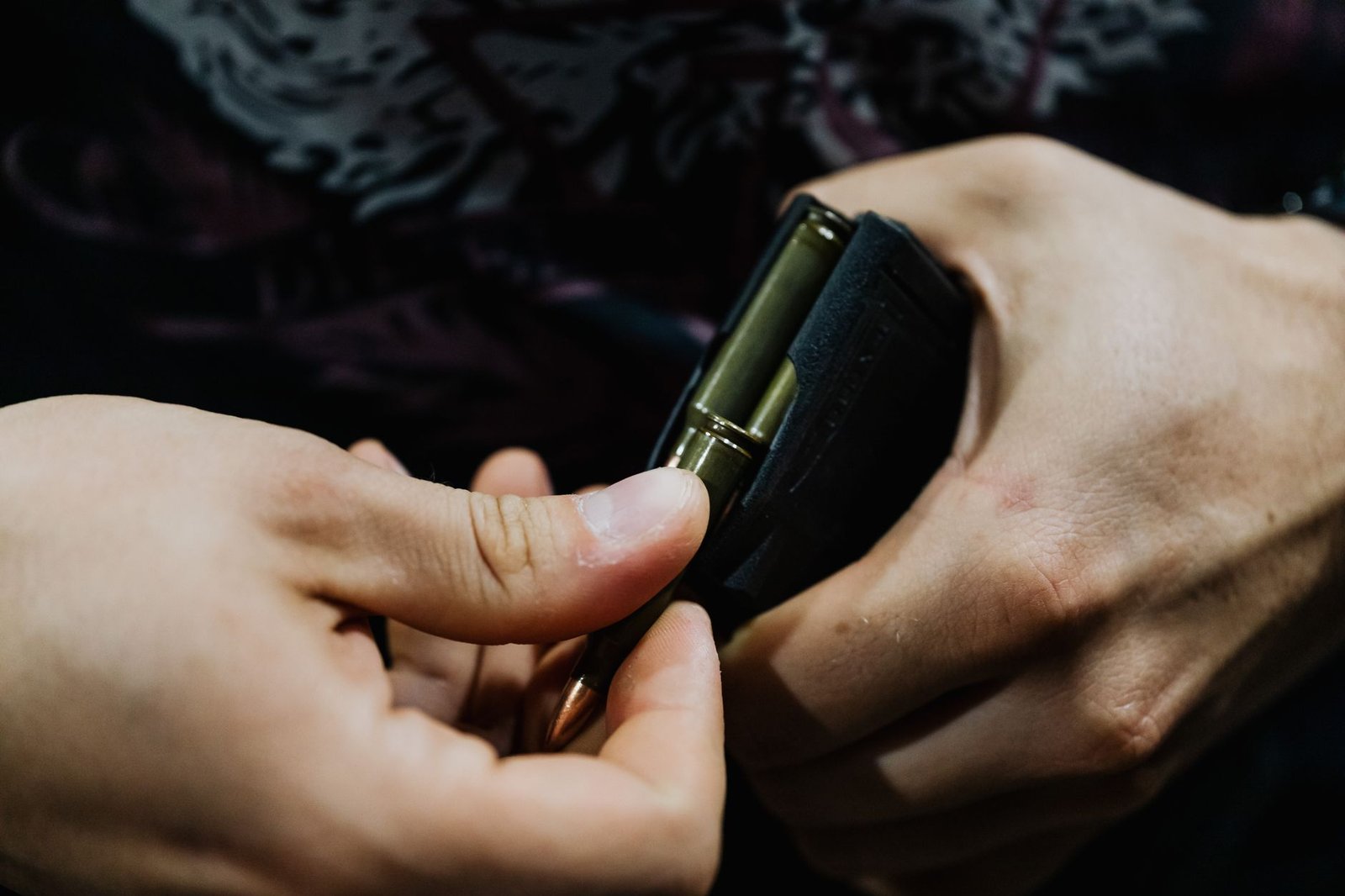
The problem is rarely the reload itself; it is the training rhythm that dies with it.
The timer beeps, a short string is fired, and then everything stops to stuff the same two magazines again. That pause matters. Grip pressure resets, visual focus drifts, and whatever the drill was measuring—pace, transitions, decision-making, recoil control—gets blurred by housekeeping.
With too few magazines, practice turns into administration. Broken flow produces weaker reps: reloads happen in artificial places, longer strings never build, and fatigue or consistency patterns stay hidden because the shooter keeps dropping out of the problem before it develops. More loaded magazines do not just add convenience; they preserve continuity, which is what makes a drill honest.
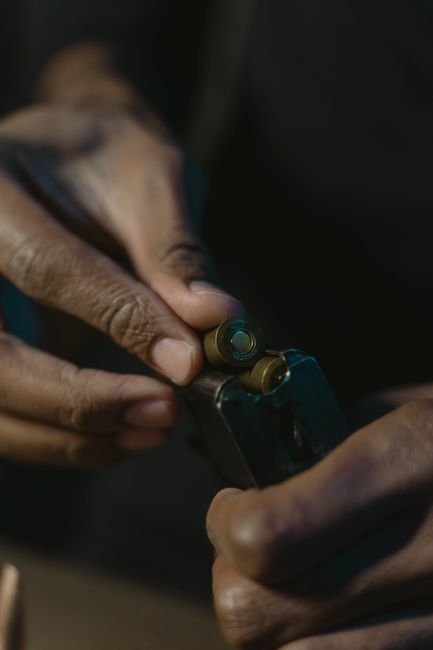
Most shooters do fine with three to five pistol magazines for a normal range session, with eight or more reserved for classes and long strings. The number that actually helps is the one that lets a drill run to its natural stopping point instead of stalling on a reload.
Magazine count makes more sense when tied to the session
Functional floor
The smallest number that allows a drill to happen at all. It keeps the pistol running, but frequent topping-off and loading breaks dominate the session.
Practical set
Enough magazines to complete common strings before pausing to reload them. This preserves cadence, exposes errors under fatigue, and keeps attention on shooting rather than housekeeping.
Working inventory
A more relaxed pool that supports rotation, marking suspect magazines, and isolating one for malfunction work. It also leaves a spare if one gets dropped, damaged, or starts acting inconsistently.
Session-driven count
The right number changes with the plan: slow accuracy work needs fewer magazines than movement drills, classifier-style stages, or classes with repeated back-to-back strings.
A small magazine count can make practice possible; it rarely makes practice efficient.
A larger count mainly buys three things:
longer uninterrupted strings cleaner comparison between runs a buffer for testing, marking, or sidelining a questionable magazineThat is why two shooters with the same pistol may reasonably carry very different training inventories.
Five magazines is the strongest general baseline
Set magazine count from how the training block actually flows
-
Start with the uninterrupted work period
Count how many rounds the shooter wants available before a natural pause. The right number is driven less by total session round count than by how long the block needs to run cleanly.
-
Match count to drill structure
Bill drills, transition ladders, and back-to-back standards consume magazines faster than slow-fire groups. Reload-intensive exercises may also require one magazine reserved for partial loads.
-
Estimate reset opportunity
If targets, timers, or coaching notes create regular pauses, fewer magazines remain workable. When the line stays active and momentum matters, extra loaded magazines preserve diagnostic value.
-
Factor in refill efficiency
A magazine loader, organized ammo, and a flat surface for staging reduce the penalty of owning fewer magazines. Poor staging has the opposite effect and makes even five feel thin.
-
Choose the band
Use three as a workable minimum, five as the default for most serious practice, and eight-plus when high-tempo training or long blocks make reload downtime the main bottleneck.
Magazine count by training scenario
Does pistol size decide magazine count?
Capacity changes how often reloads occur, but session design matters more. A compact used for slow accuracy work can need fewer magazines than a full-size pistol in a fast, movement-heavy block.
How many magazines fit a fundamentals session?
For deliberate draws, single shots, and short strings, three often keeps the line moving. Loading pauses usually do not disrupt the purpose of the drill.
What raises the number in practical or movement drills?
Mandatory reloads, multiple shooting positions, and longer strings increase magazine demand quickly. Five to eight keeps repetitions continuous when the drill punishes idle time.
Why do classes often require more than solo practice?
Class pace compresses downtime because relays, demos, and coached repetitions arrive in batches. Preloaded magazines preserve focus and prevent rushed topping-off from breaking the training rhythm.
Magazine needs usually follow one question: how many uninterrupted work cycles must the session support before administrative loading becomes a distraction?
Three variables predict the answer:
rounds per string forced reloads or movement between positions pace of the line, relay, or classWhen all three climb together, magazine count climbs too—even if pistol capacity does not.
More magazines do not automatically mean better practice
Extra magazines mainly buy uninterrupted time on the line; they do not create better repetitions by themselves.
Skill improves from clear standards, feedback, and repeatable execution. A short pause to assess hits, grip, or draw quality can add more value than another fully loaded magazine.
A practical magazine count includes units that are dirty, questionable, or temporarily removed for inspection.
Springs weaken, feed lips get damaged, and debris causes intermittent faults. A shooter who owns five magazines may functionally have only three or four available on a given day.
Keeping proven magazines separate from suspect or practice-only magazines makes malfunctions easier to diagnose.
If every stoppage occurs with the same marked training magazine, the source is easier to isolate. Mixing categories can hide whether the fault came from ammo, gun, or magazine.
Count the magazines that are actually usable
A long row of loaded magazines can make a session feel efficient, but volume and value are not the same thing. Once a drill has enough capacity to run cleanly, additional magazines often produce diminishing returns. At that point, the limiting factor is usually observation: shot calling, grip consistency, draw quality, or reload execution.
Better sessions are often built around useful interruption, not zero interruption. Brief pauses to confirm targets, log misses, or compare split patterns can reveal more than simply burning through another stack of ammo. Even simple habits like marking magazines to trace recurring failures can turn a frustrating stoppage into actionable data.
The real inventory also needs a buffer for magazines that are not ready for prime use. A sensible count includes magazines that may be:
- dirty after a high-round session
- suspect because of one unexplained feed issue
- out of rotation for spring, base pad, or feed-lip inspection
- range-only because they have a known quirk but still serve diagnostic or malfunction-drill roles
That is why the working number is rarely the same as the ownership number. A shooter who wants five dependable magazines for normal training may realistically need more than five total, simply because some portion of the pile will be under observation, cleaning, or limited use.
The cleanest setup is a split system: trusted magazines for carry-readiness or baseline reliability work, and range-only magazines for hard use, testing, and fault isolation.
If a magazine causes an unexplained stoppage, move it out of the trusted group until it repeats cleanly after inspection and testing. That separation preserves confidence in the baseline set and makes patterns easier to spot.
Capacity changes the real count
A magazine inventory is not just a number of bodies; it is a round-count system. Five 10-round magazines provide 50 rounds before a refill, while five 17-round magazines provide 85. That difference changes how often drills stop, how often reloads appear inside a string, and whether a session emphasizes shooting problems or loading problems.
Compact and subcompact pistols make this more obvious. Flush-fit magazines keep the gun short, but they also increase reload cadence and reduce the margin for make-up shots. Smaller baseplates can be slower to grab from pouches and harder to strip during stoppage work, so the same “five-mag setup” can feel very different across platforms.
Extensions are a tradeoff, not a cure
Extensions can recover capacity, but they also change length, balance, and reliability variables. Extra rounds add weight low in the gun, which can help control for some shooters and make concealment or pouch fit worse for others. That is part of deciding whether magazine extensions make sense for daily use, especially when a training convenience creates carry compromises.
Platform quirks matter as much as raw capacity:
- Some short magazines become difficult to seat on a closed slide when topped off.
- Some extension kits run best only with matched springs and followers.
- Some pistols remain reliable with added length; others become noticeably more sensitive to dirt, grip pressure, or loading technique.
In practice, effective inventory means total usable rounds and dependable function.
Start with the smallest inventory that keeps practice honest
- Three magazines can work; five usually removes friction; more only matters when the drill tempo proves it.
- A realistic total includes magazines that are dirty, suspect, cooling, or set aside for carry rather than practice.
- The best upgrade point appears when reload delays start changing cadence, masking errors, or breaking a drill’s intended rhythm.
A simple rule emerges: enough magazines are on hand when the session runs at its intended pace without constant administrative pauses, but not so many that extra gear substitutes for structure. For most shooters, that lands around a working set of five, with higher counts reserved for classes, movement-heavy drills, or formats that demand long uninterrupted strings.
The next move is not automatic expansion. Run current drills as planned and watch where progress actually stalls. If the limiting factor is marksmanship, grip, vision, or stage planning, more magazines will not fix it. If the limiting factor is repeated downtime, constant topping-off, or too many magazines out of service, then adding inventory begins to make technical sense rather than simply feeling convenient.



6 Comments
I liked the distinction between functional floor vs practical set vs working inventory.
What I’m still fuzzy on is where you’d place mags that are 100% reliable but annoying to seat when fully loaded. Do those stay in the training pile only, or do they count toward the working inventory if the issue is more about handling than actual reliability?
Feels like that line gets blurry fast.
That’s exactly the kind of edge case where the categories help. If a magazine is reliable but changes your handling enough to affect clean execution—hard seating, different extension length, altered balance—I’d usually separate it from the core working set unless the session is specifically meant to test that condition.
In other words, it can still be useful, but I wouldn’t let it define the baseline inventory for everyday practice unless that’s the configuration you truly run most of the time.
Yeah, I’d treat those as their own mini category. I have two like that and they work fine, but they absolutely slow me down on reloads, so mixing them with my normal mags makes my notes kinda useless.
Good article overall, but I think people underestimate how quickly “range-only” mags pile up. One cracked basepad, one mag that gets gritty and starts acting weird, one that’s technically fine but you no longer trust… suddenly your nice round number isn’t real anymore 😅
Would you say the 5-mag baseline assumes at least one spare beyond the active rotation, or is the point that five is the active set and anything else is just insurance?
The “five mags is the strongest general baseline” part makes sense, but how would you adjust that for someone training mostly with compact 10-round mags in a state with capacity limits? It feels like the same drill structure falls apart way faster there, especially if you’re trying to see fatigue instead of just doing constant admin reloads.
Maybe I’m overthinking this, but doesn’t “start with the smallest inventory that keeps practice honest” depend a lot on the range itself? At my local place, the ceasefire rhythm and lane rules are more disruptive than the reloads lol.
So in that case would extra mags actually be less about better training and more about compensating for a kinda bad environment?