
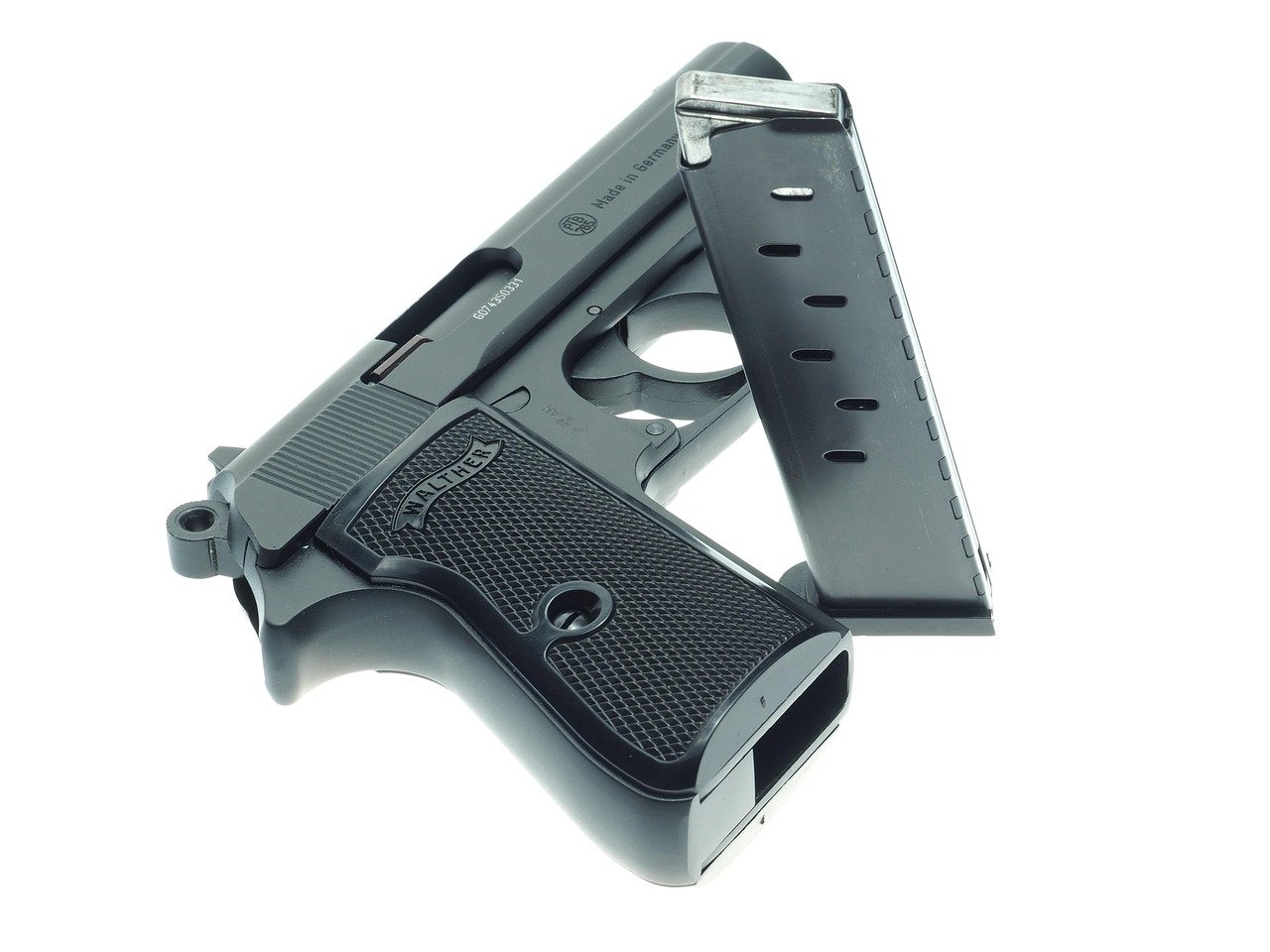
A magazine that slips into the grip is not necessarily a magazine the pistol can run.
At the counter, two magazines may share the same cartridge marking, similar length, and nearly identical witness holes—yet one can cause failures to feed, fail to lock the slide open, or refuse to seat under a closed slide. A pistol magazine is a timed mechanical assembly, not a generic ammunition container.
Its body geometry locates the cartridge; feed-lip shape controls its release angle; the follower actuates the slide stop; and the catch notch must meet the pistol’s magazine catch at the exact height. Even variants within one handgun family can differ in grip length, baseplate profile, capacity, caliber conversion details, or generation-specific geometry. The reliable choice is the magazine explicitly designated for the pistol’s exact model, caliber, and generation—preferably from the maker or a proven specialist manufacturer.
- Confirm the model marking, caliber, and generation—not merely the brand name.
- A longer compatible magazine may function in a shorter-grip pistol, but its exposed section needs the correct sleeve or baseplate for a secure fit.
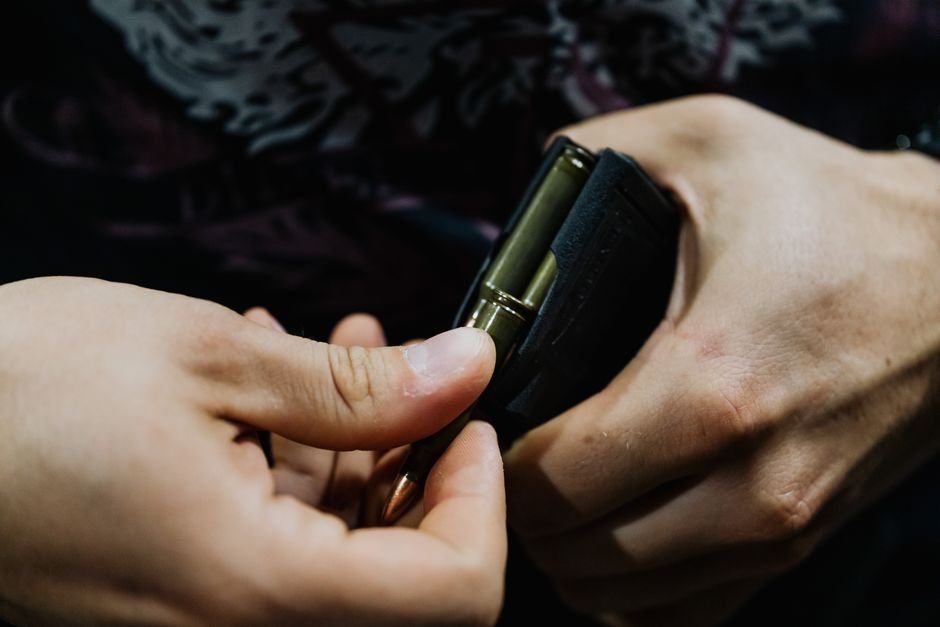
Choosing pistol magazines for a new handgun means matching exact fitment, feed geometry, and follower design to the pistol — not simply grabbing anything that shares a caliber marking.
Fitment comes before capacity
A pistol magazine is not a universal cartridge container. Exact documented compatibility is the first requirement; capacity, material, and brand matter only after it is established. Two magazines can share a silhouette, caliber marking, and even a manufacturer name while differing at the points that control retention and feeding.
Match the firearm’s full designation against the magazine maker’s fitment chart: make, model, generation or production revision, caliber, and frame size. “Compact,” “full-size,” and “subcompact” are not merely descriptions of grip length. They can indicate different magazine bodies, notch locations, spring lengths, or baseplates. When in doubt, the designation on the handgun and its manual outrank a retailer’s thumbnail image or a forum comparison.
The small features that decide compatibility
Several details do work that is easy to miss:
- Magazine-catch geometry: The catch notch must be at the correct height, shape, and side for the magazine to lock securely.
- Feed lips: Their width, angle, and release point present the cartridge to the chamber. Similar-looking lips can behave differently across models and calibers.
- Follower design: The follower controls cartridge angle and slide-lock engagement; a mismatched version may not reliably activate the stop.
- Baseplate clearance: Extended, flared, or oversized baseplates can contact a grip sleeve, magwell, or frame before the magazine fully seats.
- Magazine body dimensions: Width, front-to-back length, and internal taper affect insertion, retention, and stack geometry.
A longer magazine from the same pistol family may function in a shorter-grip version only when the manufacturer specifically lists that pairing. Conversely, a short magazine generally cannot serve a larger frame if its catch cut and body length do not reach the retention point. Use the handgun manufacturer’s manual and the magazine manufacturer’s published compatibility table, then verify the exact SKU rather than relying on shared family names.
Magazine body
The steel or polymer shell sets cartridge stack angle, internal clearance, and catch-notch position. A magazine can enter the grip yet sit fractionally too high, low, or loose for dependable presentation.
Spring
Spring force raises rounds fast enough to meet the cycling slide. Weak, binding, or poorly matched springs may cause nose-dives, sluggish feeding, or failures near the last rounds.
Follower
The follower supports the cartridge stack and usually actuates the slide stop after the final round. Its shape must control both the cartridge’s release angle and the pistol’s specific slide-stop lever.
Feed lips
Feed lips retain the top cartridge until the slide strips it forward. Their length, spacing, and contour determine when the round releases; a small difference can change how a bullet enters the chamber.
Baseplate
The baseplate closes the magazine and provides a gripping surface. Its profile can affect seating against the grip, clearance with a magwell, and whether a fully loaded magazine latches under a closed slide.
Insertion and an audible latch confirm that the catch engaged the notch; they do not confirm the feed path. Reliable operation also requires the spring to keep pace with slide movement, feed lips to release the chosen cartridge at the correct moment, and the follower to raise the slide stop on the last round. Different bullet profiles and overall cartridge lengths can expose marginal geometry that looks fine in an empty pistol.
Start with a proven factory baseline
Factory, or OEM, magazines are the best reference point for a new handgun because they were designed around that pistol’s feed geometry, magazine catch, slide-stop interface, and specified ammunition envelope. They provide a known baseline when evaluating whether a stoppage comes from the magazine, ammunition, pistol, or handling.
A sensible initial set is a small core of OEM magazines that function consistently through ordinary loading, feeding, lock-back, and drop-free checks. Numbering each magazine makes patterns visible: if one unit produces repeated issues while the others do not, it can be isolated rather than blamed on the pistol as a whole.
That does not make every aftermarket magazine a bad choice. Established makers may supply original equipment for some pistol brands or produce well-regarded alternatives. Their value is strongest when exact model compatibility, spring specification, follower design, and feed-lip geometry are documented—not inferred from a similar-looking body.
Before relying on an alternative, test it separately from the factory group with the ammunition normally used in the handgun. Keep the proven OEM magazines as the control set; experimentation becomes far easier when there is a dependable comparison point.
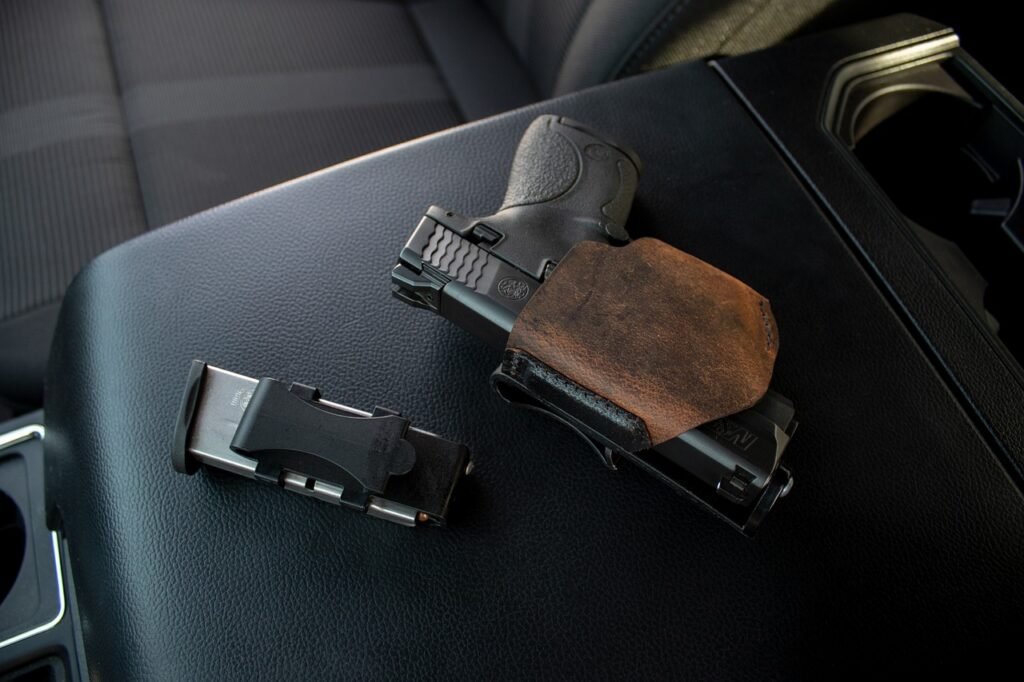
Choose length by the pistol’s job
- Flush-fit magazines
The shortest option keeps the grip compact and is least likely to print under clothing. It can, however, leave less purchase for the little finger and offer less capacity.
Look forA baseplate that sits flush without interfering with the chosen holster or reload grip.AvoidAssuming the smallest magazine is automatically the easiest to control. - Standard magazines
The normal full-grip magazine is usually the best baseline for range work, training, and general handling. It balances capacity, draw clearance, and predictable seating.
Look forFull seating with the intended grip and reliable clearance beneath the holster mouth.AvoidTreating an optional compact magazine as the pistol’s universal standard. - Extended magazines
A longer body adds capacity and can improve reload purchase, but changes balance and protrudes below the grip. It may contact seats, cover garments, benches, or holster hardware.
Look forEnough added length to aid handling without snagging or driving the magazine upward under pressure.AvoidSelecting extension length solely for the largest round count. - Competition-length magazines
Long magazines support high-round-count stages and fast reloads, but demand compatible pouches and room to move. Their extra length makes them poorly suited to many concealment setups.
Look forMagazine and pouch dimensions that clear the body, belt line, and match equipment rules.AvoidUsing competition magazines where their length compromises carry or holster clearance.
Magazine-capacity restrictions can apply by jurisdiction and may change over time. Before obtaining, carrying, or using a higher-capacity magazine, confirm the current rule through the relevant official local authority or statute—not a retailer listing, forum post, or old packaging.
A compliant-length magazine may still need the same fit, seating, and function checks as any other magazine.
Assign Each Magazine a Job
-
Begin with a small, traceable group
For a practical starting count, see how magazine needs change with training volume. Mark each unit discreetly so its results can be recorded rather than attributed to “the magazines” as a group.
-
Reserve proven units for highest-confidence use
After repeated clean function with the intended ammunition, keep the most consistent magazines separate from experimental units. A magazine earns that status through documented performance, not brand reputation alone.
-
Use dedicated training magazines hard
Training magazines absorb routine loading, unloading, drops, dirt, and reload practice. This reveals weakening springs, damaged feed lips, or intermittent lockback behavior without confusing the history of the confidence set.
-
Add duplicates before chasing variety
Several matching, verified magazines keep a session moving when one becomes suspect. They also create a comparison: if a stoppage follows one numbered unit, the pistol and ammunition can be checked against known-good duplicates.
-
Keep later spares in rotation
Extra magazines are useful as replacements, extended-session units, or rotation stock. Store them identified, inspect feed lips and baseplates periodically, and function-test any unit returning from storage before assigning it a critical role.
A simple log of magazine number, ammunition, rounds fired, and any malfunction turns vague impressions into usable evidence.
Inspect the Magazine Before It Becomes a Problem
-
Match every marking to the pistol
Confirm the maker’s stamp, caliber, model or platform code, witness-hole pattern, and capacity marking against a reliable reference. A magazine that merely resembles the correct one may have a different catch cut, feed-lip geometry, or follower.
-
Read the body in good light
Reject steel bodies with deep dents, creases, split seams, or corrosion around the feed lips and floorplate rails. On polymer bodies, look for cracks at the catch notch, feed-lip area, and rear spine; stress whitening can precede a visible split.
-
Examine the top end closely
Feed lips must be even, unbent, and free of chips or peening. Compare the follower’s shape and anti-tilt features with a known correct example, then press it through its travel: it should move smoothly without binding or hanging.
-
Check the spring and baseplate
A spring cannot be judged by color alone, but rust, kinks, uneven coils, or weak upward return are warning signs. Ensure the baseplate locks positively, sits squarely, and has no cracks, improvised shims, or loose retention tabs.
-
Treat altered and scarce magazines cautiously
Extensions, cut-down bodies, polished feed lips, substituted followers, and mixed parts remove the certainty of factory specification. Counterfeits often imitate logos while using poor stamping, rough seams, vague markings, or incorrect finishes. Discontinued pistols require extra patience: verify provenance and condition rather than paying for an untested look-alike.
Treat extensions as a new setup
A magazine extension is not merely an accessory. It can change spring compression, follower travel, baseplate retention, seating force on a closed slide, and how the magazine behaves when dropped. A longer body or grip can be useful for a deliberate purpose—additional purchase, a competition stage, or a range spare—but it creates a new magazine configuration even when the original tube is unchanged.
Test the extension with its intended spring, follower, and stated cartridge capacity. Mixing parts from different kits obscures the cause of a malfunction and can mask inadequate spring force. Check that the baseplate locks positively, the follower reaches full travel without binding, and the magazine seats and releases consistently both empty and loaded.
Keep the test controlled
Start with clean, serviceable equipment and one known ammunition load. Load to the intended capacity, then observe feeding, slide lock after the final round, and whether the magazine remains seated during repeated firing. Repeat with the ammunition types the pistol is likely to use; bullet profile, overall length, case material, and power level can expose differences that a single load does not.
Mark every magazine with a durable, unique identifier on the body or baseplate—never on a surface that interferes with fit. A simple log turns a vague “it jammed” into a useful pattern. Record the magazine ID, ammunition, round count, extension or parts installed, pistol configuration, temperature or fouling conditions, and the exact stoppage. If the same issue follows one numbered magazine across different sessions, it is meaningful evidence; if it appears across several magazines with one load, the magazine may not be the common factor.
A cautious validation sequence
-
Inspect and identify
Confirm the extension, spring, follower, and baseplate are correctly installed; assign the magazine a unique number.
-
Establish a baseline
Run a known reliable factory magazine with the same ammunition and pistol setup.
-
Test the altered magazine
Use its intended capacity and observe seating, feeding, retention, and last-round slide lock.
-
Vary one condition at a time
Change ammunition or conditions only after recording the prior result, so comparisons remain useful.
-
Review repeat failures
Set aside any magazine that repeats a specific issue and inspect it before returning it to general use.



Maintain function, not appearances
Cosmetic scratches, finish loss, and polished contact marks rarely matter. Dirt, moisture, corrosion, bent feed lips, cracked bodies, damaged baseplates, sluggish followers, and weakened or contaminated springs deserve attention first. Keep magazines dry, remove grit that can impede the follower, and retire components that no longer move or retain cartridges correctly.
Loaded magazines and spring life
A magazine left loaded is not automatically being ruined. Quality coil springs generally lose useful force through repeated cycling, overheating, corrosion, poor material, or damage—not simply sustained compression within their designed range. A particular model’s manual remains the best authority on storage and replacement intervals.
Buy in this order
- Confirm the handgun’s exact model and documented magazine fitment.
- Buy one or more OEM magazines as the functional baseline.
- Add reputable alternatives only after separate range testing.
- Number each magazine, inspect it periodically, and replace suspect parts before trusting it.

Frequently Asked Questions
Will any magazine that fits into the grip work reliably?
Not necessarily. A magazine can insert and latch while still having a mismatched feed-lip angle, follower shape, or catch-notch geometry that causes failures to feed or failures to lock the slide open.
Should I start with OEM magazines or aftermarket ones?
Start with a small core of OEM magazines. They’re designed around the pistol’s exact feed geometry and give you a known-reliable baseline before testing any aftermarket alternatives.
What should I check before buying a used or aftermarket magazine?
Match every marking — maker’s stamp, caliber, model code, and capacity — against a reliable reference. Inspect the body for cracks or dents, check that feed lips are even and unbent, and confirm the follower moves smoothly without binding.
Does leaving a magazine loaded wear out the spring?
Not simply from sustained compression within its designed range. Quality coil springs generally lose force through repeated cycling, overheating, corrosion, or damage — not from being left loaded.
Why should I number my magazines?
Marking each magazine with a unique identifier lets you log ammunition, round count, and any malfunctions per magazine. If one numbered magazine keeps producing issues, it can be isolated rather than blamed on the pistol as a whole.
A magazine is a consumable mechanical part
Prioritize documented fitment, proven function, and condition over finish wear or capacity claims. A simple OEM-first, test, number, and inspect sequence makes later choices easier to evaluate.




16 Comments
Good reminder that capacity isn’t automatically the best choice. For my carry setup, a longer magazine gives me more grip, but it also prints more under a light shirt.
I had been thinking of buying extensions right away. Sounds like I should get comfortable with the factory magazines first and then test any extension as its own setup.
That is a sensible order. Factory magazines establish what normal operation looks like in your pistol, which makes later troubleshooting much clearer. If you add an extension, number that magazine separately and test it with the ammunition and conditions you actually expect it to handle.
Exactly. The extra grip is nice, but my extended one became a range spare because it changed how the gun sat in my usual pouch.
So a tiny dent in the magazine body is not necessarily trash, but a bent feed lip is a bigger deal? This article made me look at my range mags a little harder. One of them has plenty of battle scars 😅
I appreciate the breakdown of separate tests. I used to think “it clicks into the pistol” meant it was compatible, full stop. Never considered that it could latch correctly but still release rounds at the wrong time or fail to activate the slide stop.
The “assign each magazine a job” idea is really useful. I only own three right now and have basically thrown them all in the same range bag. Numbering them seems almost too simple, but I can see how it would make a recurring problem obvious.
Would you test a reputable aftermarket magazine the same way as OEM, just with more rounds? I’m on a budget, and factory mags for my particular handgun are surprisingly pricey.
Not looking for a shortcut around reliability—just trying to figure out a reasonable starting point instead of being told “buy ten OEM mags” like money grows in the magazine pouch.
The basic checks are the same: secure seating, positive release, feeding, slide-lock behavior, and repeatability across your intended ammunition. The important point is to test each alternative by exact model rather than assuming a brand’s general reputation guarantees compatibility. Starting with a small number of OEM magazines gives you a useful baseline; you do not need to buy ten at once.
That’s how I approached it: two factory mags first, then one aftermarket mag as a dedicated range tester. If it acts up, at least you know what variable changed.
The counterfeit/discontinued-magazine warning deserves more attention. I bought two “new old stock” magazines for an older handgun at a gun show, and one had rough feed lips plus a follower that felt flimsy.
They were cheap for a reason, apparently. Cosmetic scratches don’t bother me, but I’m going to inspect the functional bits much more closely now.
That is exactly the distinction worth making: finish wear may be harmless, while feed-lip damage, cracks, corrosion in critical areas, altered followers, or weak/rough spring action can affect reliability. With older-platform magazines, provenance is often as important as outward condition. A bargain is only a bargain if it works consistently.
Gun-show “NOS” can mean “newly old somehow” lol. I bring one known-good factory mag along now when I’m comparing used ones.
When you say exact model designation, do you mean even the generation matters? I found a couple mags online that look identical to the ones for my pistol, but the listing says they fit a newer version. Trying not to learn this one the expensive way.
Yes—generation, frame size, and sometimes a specific variant matter. Similar-looking magazines can differ in the catch notch, feed-lip geometry, follower, or baseplate clearance. Use the manufacturer’s documented compatibility list for your exact pistol marking, and treat anything else as unproven until it has been tested carefully.
Been there. A “close enough” mag seated in mine but wouldn’t reliably lock the slide back. Looked nearly identical side by side.
I’m still confused about spring fatigue. Is it okay to keep magazines loaded for home defense, or should I unload them every few weeks? There are about a million opinions on this online and half of them sound very confident 😂