
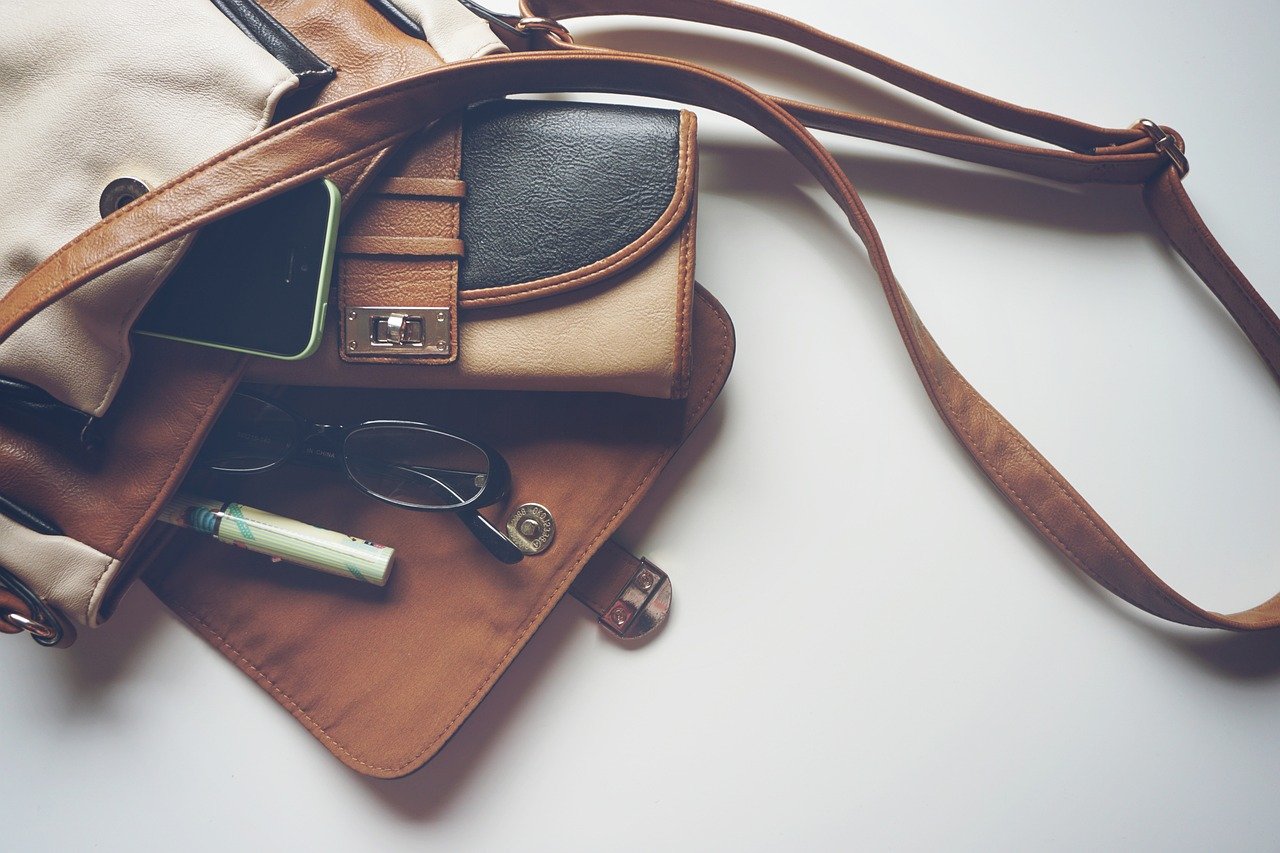
A full bag can still leave the essentials missing.
At the checkout, the tote is heavy enough to strain a shoulder, yet the needed item—a pen, a charging cable, a bandage—somehow cannot be found. That frustrating mismatch often feels like poor preparation, but it is usually just clutter with momentum.
EDC tends to fail not because too little is carried, but because everything is carried without a plan. The real fix is rarely more effort. It is a simple system: what stays every day, what rotates by situation, and what does not belong in the bag at all. Prepared starts to feel lighter once each item has a job.
What counts as everyday carry
EDC
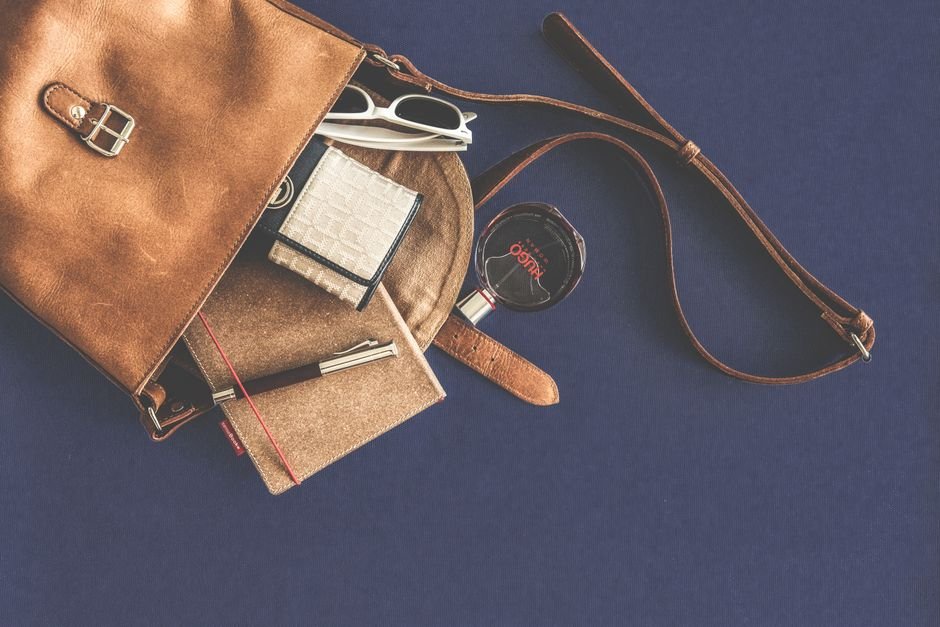
Everyday carry is the small set of items a person reliably keeps on hand because they solve common, ordinary problems: access, communication, payment, light, hygiene, or a quick note. In a first setup, it is less about being prepared for everything than about not being caught without the basics.
Daily essentials
These earn a permanent spot because they are used almost every day or would cause immediate friction if forgotten. Phone, keys, wallet, ID, and a house-access method usually belong here.
Situational extras
These are useful often enough to matter, but not in every outfit, bag, or errand. A compact power bank, mini hand cream, transit card, or lip balm may rotate in based on weather, commute length, or destination.
Fantasy backups
These are carried for unlikely scenarios rather than real patterns of use, often creating bulk and decision fatigue. Duplicates, oversized tools, and “just in case” items tend to crowd out the things actually reached for.
Repeatable routine
A strong first kit is the one that can be packed the same way most mornings without thought. Consistency matters more than quantity because familiar placement makes essentials easier to notice, grab, and replace.
Map the Day Before Adding Gear
- Start with a plain-day timeline
List the day in order: commute, desk time, school pickup, gym stop, errands, evening social plans. Include where transitions happen, because most carry failures show up between locations rather than inside a single routine.
- Log every small interruption
For several days, note each moment that slows things down: digging for keys, dead phone battery, dry hands, missing pen, no hair tie, nowhere to stash a receipt, sunglasses left behind. Minor annoyances matter because repeated friction usually identifies true everyday needs.
- Record context, not just the item
Each problem should be paired with the environment that caused it: formal office, public transit, hot weather, walking at night, toddler duty, travel day. The same object can be essential in one setting and useless bulk in another.
- Separate frequency from intensity
Some gaps happen daily but are easy to tolerate; others are rare but disruptive, such as a drained phone during navigation or no menstrual backup on a long day out. A first EDC usually works better when it covers both common annoyances and a few high-impact failures.
- Look for patterns before shopping
After the log fills up, group notes into themes: access, power, hygiene, weather, admin, comfort, safety, care of valuables. Only items that solve the same problem across multiple days deserve a fixed place; everything else can remain a situational add-on.
A short audit often reveals that better placement solves as much as new gear.
Do not count items carried only because they seemed like a smart idea online. Count what gets used, what gets searched for, and what repeatedly goes missing at the worst moment.
Pick the bag before the gear
Before another item is added, the carry format needs to be chosen.
For everyday carry for women, the bag should prioritize access speed. Moreover, it targets comfort, usable capacity, and how the loadout feels by day’s end.
A thoughtful kit in the wrong bag often gets left behind.
For example, a few patterns show up quickly.
- Crossbody: usually strongest for fast access and control in crowds, but limited depth makes bulky pouches frustrating.
- Tote: flexible and office-friendly, yet easy to overfill unless it has real internal structure.
- Belt bag or compact sling: excellent for phone, keys, wallet, and small personal items, but often runs out of room once a bottle or notebook enters the mix.
The most practical starting point is the smallest format that carries fixed essentials plus one routine extra. That keeps weight honest and exposes what truly earns space. Otherwise, if a setup only works on light days or with outfits, it is not yet everyday carry for women.
Fit matters as much as volume.
Additionally, strap drop and opening width matter.
Pocket placement and whether the bag stands upright affect daily friction more than raw liters.
- Fast access
The most-used items should come out without digging or setting the bag down.
Look forPhone and keys reachable in one motionAvoidDeep single-compartment black holes - All-day comfort
Weight placement matters more than empty-bag weight alone.
Look forStable strap, balanced carry, no constant slippingAvoidNarrow straps that concentrate pressure - Real capacity
Listed volume can mislead when pockets and bottle shapes steal space.
Look forRoom for essentials plus one daily variableAvoidBag that looks full before the day starts - Built-in discipline
A little structure prevents clutter and overpacking.
Look forDefined slots or simple internal zoningAvoidToo many tiny pockets or none at all




A first EDC that covers the day
-
Phone
This is usually the highest-frequency item, so it belongs in the fastest-access pocket. A slim case, card sleeve, or wrist tether can reduce bag-diving without adding much bulk.
-
Keys
Carry only active keys plus any essential fob. A compact organizer or quiet clip helps prevent noise, scratches, and the common failure of losing keys at the bottom of the bag.
-
Wallet or ID setup
At minimum, this means photo ID, one payment method, and any transit or building-access card used most days. Many beginners do better with a pared-down card holder than a full wallet because it is easier to place consistently.
-
Power for the phone
A short cable and compact battery or wall plug can solve a recurring dead-phone problem, which is really an access problem once tickets, maps, or contact methods live on the phone. Add this only if charge anxiety shows up often in the day audit.
-
One admin tool
Choose just one: a slim pen, mini notebook, or discreet personal-care item. The right pick is the one that repeatedly prevents delays, missed notes, or awkward last-minute scrambles.
If an item does not get used most weeks, it usually belongs in a rotating extra, not the core kit.


Add comfort without clutter
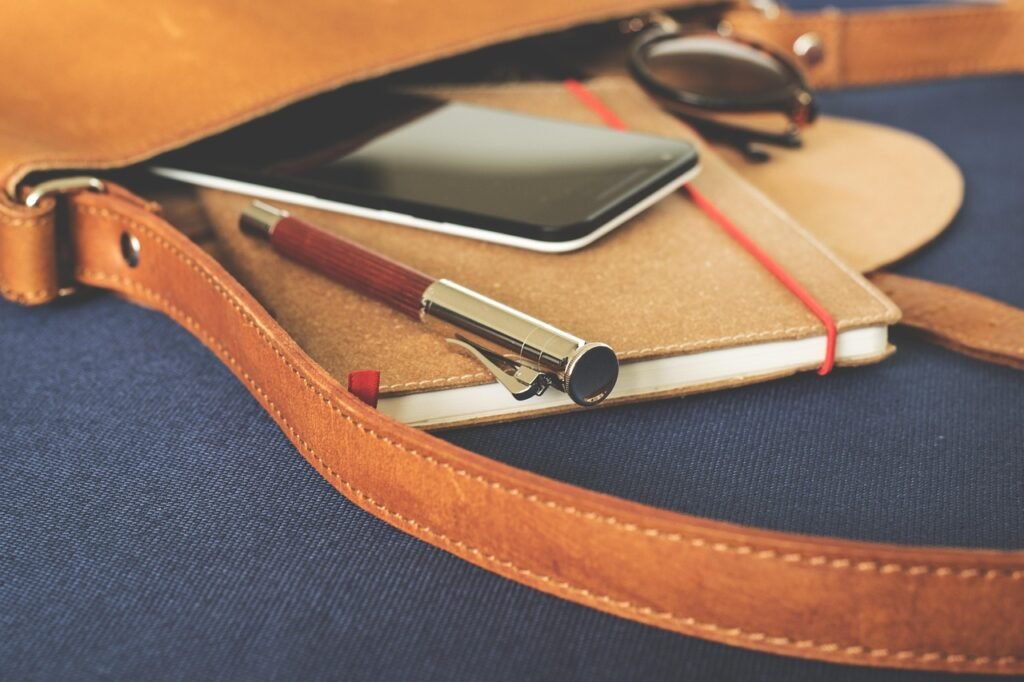
Comfort items belong in a first EDC only when they prevent a nuisance that shows up often.
The test is not leftover room in the bag.
Specifically, it is whether the item repeatedly saves time, preserves neatness, or avoids distraction.
A few examples earn their place: a flat tissue pack, a compact hair tool, lip balm with a secure cap.
They also include discreet backup period supplies.
A bulky mini-toiletry kit usually fails the same test.
Moreover, it adds weight, steals access, and is rarely used in full.
- Compact: slim enough to disappear into a pocket or small pouch
- Clean: sealed, leak-resistant, and easy to wipe down
- Discreet: quiet packaging, neutral case, no noisy rummaging
If an item cannot be found quickly, it creates friction.
Moreover, it should be opened neatly and put away without mess.
Additionally, comfort gear works best when stored in a fixed spot.
It should be limited to the few items that reliably make the day smoother.
A micro-pouch or zip sleeve keeps soft items clean, stops loose products from migrating, and makes quiet retrieval easier in shared spaces.

Useful Carry Does Not Need a Tactical Look
For most days, low-profile basics solve more problems than a pocketful of gear.
Phone, keys, payment, power, and one high-use admin item handle far more real-life friction than an aggressive-looking loadout. Quiet access and repeat use matter more than appearance.
Carry changes with dress code, pocket access, bag size, and social setting.
A compact pouch may work in a tote, while a slim card holder suits formalwear. Discreet options such as jewelry-style mini tools can make sense when bulk or visible clips would not.
Policies, venue rules, and travel restrictions can turn extra gear into dead weight.
Cutting tools, aerosols, and even certain batteries may be restricted at offices, events, schools, or airports. A simpler setup is often easier to keep compliant and consistently carried.
An effective setup often looks ordinary. When carry blends into daily dress, it is more likely to stay comfortable, policy-aware, and genuinely useful.
Pack for speed, not just capacity
Good carry becomes almost invisible when each item lands in the same place every time.
Moreover, keys that float, lip balm at the bottom, and a pen clipped wherever space appears create delays.
These delays feel larger than the items themselves.
Packing for access and shape
Pack by access and shape
Additionally, a simple layout helps.
- Front or top access: phone, transit card, badge, lip balm
- One-handed pocket: keys on a short tether, earbuds, compact sanitizer
- Flat wall: card holder, notebook, folded tissues
- Bottom anchor: heavier items such as a battery bank or slim bottle, placed upright to stop rolling
Soft items can fill curved gaps.
Rigid items usually ride better against a flat panel.
Quiet carry matters too: a key sleeve, pouch, or clipped carabiner cuts jingling and helps prevent scratches.
Additionally, reachability matters for everyday carry for women.
If an item cannot be reached with one hand while walking or holding a door, its location likely needs work.
At the end of the day, a quick reset can keep the setup reliable:
Return each item to its home Remove receipts and loose coins Confirm that phone, keys, and payment are the first items reached -
Carry the same setup for one week
Consistency exposes real friction faster than constant tweaking. Ordinary errands, commuting, and workdays usually reveal what actually earns space.
-
Track use, not intentions
Daily-use items deserve permanent placement. Things that seemed smart but stay untouched are often just optimistic packing.
-
Remove what does not pull its weight
Unused gear adds bulk, noise, and decision fatigue. If it solves no recurring problem, it can leave the core kit.
-
Separate rare needs into modules
Weather, gym, travel, kid-related, or evening extras can live in small add-on pouches. That keeps the main carry lean without losing flexibility.
-
Keep refining until it feels effortless
A dependable EDC becomes light, familiar, and quick to reach into. The goal is less gear drama, more quiet reliability.
Frequently Asked Questions
What should go in a first EDC kit?
Start with daily essentials: phone, keys, a wallet or ID setup, a way to charge the phone, and one admin tool like a pen or small notebook. Only add situational extras once a pattern of need shows up.
How do I know if an item belongs in the core kit?
Track use, not intentions. If an item doesn’t get used most weeks, it usually belongs in a rotating extra rather than the core kit.
What bag format works best for a starter EDC?
The most practical starting point is often the smallest format that carries the fixed essentials plus one routine extra, since that keeps weight honest and exposes what truly earns space.
Does a good EDC need to look tactical?
No. For most days, low-profile basics like phone, keys, payment, power, and one high-use admin item solve more real-life friction than an aggressive-looking loadout.
A carry that earns trust
- Frequent use matters more than hypothetical preparedness.
- Modules handle exceptions without bloating the daily load.
A first EDC rarely starts perfect. It becomes dependable through short trials, small cuts, and a clear split between daily essentials and occasional add-ons.




14 Comments
Maybe dumb question, but what exactly counts as an “admin item”? Is that like meds, receipts, a pen, transit card, mini notebook? I kept rereading that part and felt 100 years old lol
I’m curious about the “pack for speed, not just capacity” part. Especially the bit about shape-based placement.
Can you give a concrete example of that? I understand fixed homes in general, but I don’t totally get how shape changes placement beyond “small stuff in small pockets.”
Also, quiet key carry is underrated. The jangling drives me nuts.
The “map the day before adding gear” section makes sense, but honestly it also sounds like homework 😂
Do you recommend literally writing down every friction point for a week, or just noticing patterns mentally? I want to do this but I know myself… if the setup process is too complicated I’ll quit before I start.
I liked that you said useful carry doesn’t need to look tactical. So much women’s EDC content swings to either “just carry a cute pouch” or “here is your urban operator starter pack” and there’s no middle ground lol.
How would you handle office environments where you technically can carry a lot, but you don’t want to look like you’re unpacking camping gear at your desk? That balance is where I get stuck.
That middle ground is exactly what I was aiming for. In office settings, I’d prioritize items that disappear visually and function quietly: slim wallet, compact key setup, one power option, and maybe one comfort/admin item that solves a recurring problem.
A good test is whether you can access what you need without spreading your whole bag across the desk. If the kit creates a scene every time you reach for something, it probably needs simplification or better item placement.
Another helpful approach is separating “desk life” from “on-body life.” Keep the true everyday core small, then let a drawer or work tote handle bulkier situational items if your workplace allows it.
The part about “overpacking can hide missing essentials” really hit me. I’m exactly that person 😅 I throw in a bunch of random stuff and then somehow still can’t find my card or lip balm when I need it.
When you say assign fixed roles, do you mean like one pocket is ALWAYS for keys, one pouch is ALWAYS for admin stuff, etc? I like the idea, I’m just not sure how strict to be about it when switching bags.
Yes — that’s exactly the idea. A fixed role can be a specific pocket, a small pouch, or even just a consistent “zone” inside the bag. The goal is less about being rigid and more about reducing the little search moments that make daily carry annoying.
If you switch bags often, keeping a few essentials grouped in a pouch can help preserve those roles without having to rebuild from scratch every time.
I started doing this with a tiny zip pouch for cards/receipts/random bandaids and it helped way more than I expected. Not fancy, just less digging around like a raccoon in my tote lol.
The week-long trial idea sounds good in theory, but I’ve tried “testing” systems before and I end up changing 4 things at once, then I can’t tell what actually worked.
Would you start with the absolute minimum core first and only add one extra item per few days? Or is that too slow? I’m trying to build something dependable, not just make a prettier mess.
I’m still confused about the difference between fixed essentials, rotating extras, and low-value backups.
Like, is a charger fixed or rotating? Mine is essential on work days but not really on weekends. I get the concept, but in real life it feels blurry.
It is blurry in real life, and that’s normal. The categories are meant to help decision-making, not force every item into a perfect box.
A charger could absolutely be a rotating extra if you only need it in certain contexts. A fixed essential is something you expect to need regardless of the day’s variation, while a rotating extra comes in when your schedule, commute, or work setup changes. Low-value backups are the “nice to have just in case” items that are replaceable and shouldn’t crowd out higher-use gear.
One simple test: if you leave home without it, do you notice every single time, only on some days, or almost never? That usually tells you whether it belongs in the core, the rotation, or nowhere at all.
I appreciated the point about picking the bag before the gear. A lot of EDC content online acts like the bag is just a container, when really the opening style, strap comfort, and whether it stands up on its own changes everything.
My question is about “honest capacity.” Is that basically the amount you can carry without turning the bag into a black hole? Because some totes hold a lot in theory but become impossible the minute I add one water bottle.