

A purse can sound composed—until one handful of keys turns it into a tiny percussion section.
The giveaway often happens at the worst moment: the bag lands on a conference table with a metallic rattle, or a hand searches for a pen and the keys answer first. That sound is usually not a failure of “being organized.” It is a simple physics problem: hard, loose objects have room to accelerate and collide against one another, the zipper pull, coins, or a phone.
The immediate fix is containment, not a complete bag overhaul. Separating the keyring into a small soft pouch, a dedicated zip pocket, or a sleeve with a lined interior interrupts those impacts. A bulky ring with several fobs may also need its own compartment; clustering it beside other metal hardware tends to recreate the noise. Once the meeting is over, that small containment step can become an easy organization habit rather than an anxious last-minute check.
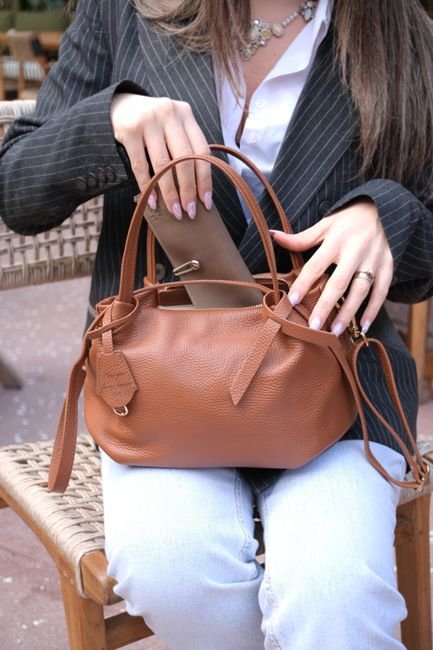
Find what is actually making the noise
Hold the purse by its handles, lift it a few inches, then give it a small tilt and gentle shake.
Additionally, listen for the character of the sound, not its volume, and notice keys jingling purse.
A bright, irregular clatter usually means keys are hitting one another.
It may also strike a compact, metal water bottle, or hardware inside the bag.
Repeat the test after holding the key bundle still through the purse opening. However, if the sound largely disappears, the keys jingling purse are the moving source. Additionally, if it remains, another hard item—or the bag’s own clasp, chain, or feet—may be involved.
Additionally, fob-heavy rings need extra attention, keys jingling purse included.
Moreover, plastic fobs mute metal-to-metal contact but can cause a loud thud against hard contents.
Test each compartment; outer pockets stay quiet, while the main compartment amplifies movement.
Silence the keys with what is already in the purse
-
Lift out every hard loose item
Remove coins, a metal pen, spare batteries, lip balm tubes, and any keyring accessories. A key bundle can be quiet on its own yet clatter sharply against one hard object.
-
Make a soft wrap
Use a scarf corner, tissue packet, spare mask, sunglasses pouch, or folded receipt bundle. Wrap the keys so metal surfaces cannot strike each other; fold material between the largest keys rather than merely covering the outside.
-
Secure the bundle low in the bag
Place the wrapped keys flat against the purse bottom, where they have less room to swing. Tuck them beside a soft item such as a wallet in a fabric cover, knit accessory, or pouch.
-
Create a soft restraint without a pocket
If the purse has no enclosed compartment, lay the keys under a scarf, cardigan, or other soft layer, then anchor that layer with a wallet or notebook. The goal is to stop sliding as well as cushion impacts.
-
Test with one short movement
Close the bag and give it a gentle walking-motion shake. If noise remains, isolate the keyring itself from the keys or move nearby hard items farther away.
Avoid leaving keys loose beneath only a thin paper receipt; it cushions little and shifts easily.
A soft cover alone may not solve the problem if the key bundle can slide across the purse. Cushioning absorbs the strike; restraint prevents the next strike.
For a short walk into a meeting, keys held flat under a weighted soft layer often stay quieter than keys dropped into an open side pocket, where they can swing against the bag hardware.
Reduce noise within the key bundle
An isolated set can still jingle when the split ring is overloaded. Keys then hang at different angles and swing into one another; a large ring can also let them travel far enough to strike with force. Remove duplicate, retired, or seldom-used keys first. Keeping daily keys on a smaller, tighter ring reduces both travel and collision points.
Separate the noisiest hardware
The usual offenders are not always the keys themselves:
- Metal charms and logo tags act like small bells. Removing them is the simplest fix.
- Rigid key fobs can repeatedly hit a key blade. Put the fob on a short fabric loop, a coated clip, or a separate attachment inside the same pouch.
- Building-entry fobs are often quiet alone but loud against metal. A silicone or fabric sleeve can cushion their edge while leaving the reader-facing surface accessible.
- Car remotes should not be buried under a thick wrap if quick button access matters. A fitted silicone cover or a dedicated soft pocket keeps the remote usable and separates it from blades.
For a frequently used house key, a compact key organizer can hold blades in a stacked, pivoting arrangement. This limits free swing while allowing one key to be rotated out at a time. It is less suitable for bulky transponder keys, unusually thick security keys, or fobs that must remain easily removable.
Finally, check the ring itself. Worn split rings can gape, scrape, and let keys slide unpredictably. A smoother, appropriately sized ring—or a small locking connector between the key cluster and the purse clip—can keep the bundle compact without making essential items hard to detach.
Give the keys one dependable home
A quiet purse stays quiet when the keys return to the same enclosed, soft-sided spot every time. That habit also removes the familiar pre-meeting search: the hand goes to one location rather than stirring every hard item in the bag.
Match the holder to the bag
- Interior zip pocket: Convenient and already built in, provided it is large enough that the bundle does not press against coins, pens, or the zipper pull.
- Small padded pouch: Often the strongest noise-control option. Light padding absorbs impacts and keeps keys isolated; a contrasting lining makes the pouch easier to find.
- Bag insert: Useful in roomy totes with no compartments. Choose one with a zippered key bay, not an open slot where the ring can strike its edges.
- Structured key sleeve: Keeps a compact bundle flat and predictable, though rigid shells may transmit sound if they contact a phone or metal hardware.
- Tether: Prevents loss in deep bags, but the clip needs fabric coverage or a soft attachment tab. An exposed metal clip can become a new rattle point.
After unlocking a door, return the bundle before adding other items. Consistency matters more than elaborate organization.
Stop the purse from becoming a mixing bowl
-
Identify the second hard object
Coins, earbud cases, compact mirrors, pens with metal clips, and key hardware create different impact patterns. Even a quiet key bundle can become noisy when another object rolls or swings into it.
-
Give every hard item its own soft boundary
A zip pouch suits coins and small adapters; a sleeve can buffer an earbud case or mirror; a pen loop or narrow case keeps writing tools from migrating. One large organizer pocket is rarely enough when hard objects can still touch inside it.
-
Keep the main cavity soft
Reserve the open compartment for fabric items: a scarf, notebook, soft wallet, tissues, or a pouch holding nonmetal essentials. These layers absorb movement rather than adding another striking surface.
-
Contain hardware-heavy accessories
Chain straps, carabiners, metal zipper pulls, and decorative charms can strike keys or the bag frame. Tucking them into a dedicated pocket or wrapping them against a soft item prevents a new source of clatter.
-
Test the packed purse, not just the keys
After loading the usual contents, lift, tilt, and gently shake the purse. Move one case at a time until the remaining sound identifies the last collision path.
Fit the fix to the bag
An organizer that works in a structured briefcase can fail in a soft tote. The deciding factors are how far the keys can travel and what they can strike.
Choose a stable position
- Open tote: Put a zippered pouch at the base, beneath a soft item such as a scarf or pouch of chargers. Avoid clipping keys to the rim; each swing turns the bag into a pendulum.
- Compact cross-body: Use the built-in zip compartment or a very slim key sleeve. Bulky pouches crowd the compartment, making the keys scrape the zipper, phone, or hardware whenever the bag shifts.
- Structured work bag: A dedicated interior pocket or fixed leash can work well because the bag holds its shape. Add a soft cover if the tether lets the ring tap a laptop sleeve, bottle, or metal clasp.
- Exterior key pocket: This is convenient only when it closes fully and has a fabric lining. An exposed snap, zipper pull, or loose pocket turns a separate compartment into another collision point.
Test the loaded bag as it will be carried: walk at a normal pace, set it down firmly, then reach in one-handed. Any rattle identifies a route the keys still have to move; reposition the pouch until those motions stay quiet.
Quiet is not useful if the keys become harder to grab
Use a slim fabric sleeve or padded pouch sized to the actual bundle.
Rigid shells can knock against a phone, compact, or bag hardware. Oversized cases also consume space and slow access.
Keep daily keys in one closed internal location; reserve a clearly marked slot for an emergency key.
An exposed clip swings, taps hardware, and can catch during travel. Internal placement is quieter and more predictable.
Keep the everyday set together and isolate only a rarely used or emergency key.
Multiple rings create more loose metal pieces and require sorting under pressure. A single compact set remains easier to identify by touch.
Quiet Keys in a Purse: Common Questions
What's the fastest way to quiet keys before walking into a meeting?
Remove any hard loose items nearby, wrap the keys in a soft item like a scarf corner or pouch, and tuck the bundle low and flat against the purse bottom. A quick gentle shake test confirms whether the noise is gone.
Is a rigid key case the best way to stop keys from rattling?
Not usually. A rigid case can knock against a phone, compact, or other hardware in the bag. A slim fabric sleeve or padded pouch sized to the actual key bundle tends to damp sound without creating a new impact surface.
Why do keys still jingle even after being put in a pouch?
The split ring may be overloaded, letting individual keys swing and strike each other inside the pouch itself. Removing duplicate or rarely used keys, and keeping the daily set on a smaller, tighter ring, reduces that internal movement.
Should keys be clipped to an exterior loop for quick access?
An exposed exterior clip tends to swing and tap against bag hardware, adding noise rather than reducing it. A closed internal location that’s used consistently is quieter and just as fast once it becomes a habit.
What other purse items commonly cause the same rattling noise as keys?
Coins, metal pens, compact mirrors, and decorative charms or chain straps are common culprits. Giving each hard item its own soft boundary, such as a small zip pouch or sleeve, prevents them from striking the keys or each other.
Make the quiet setup automatic
- A silent purse depends on containment and a closed compartment.
- The lift-and-walk check catches failures that a stationary shake can miss.
At the end of the day, remove promotional tags, spare rings, and other additions that no longer earn a place on the key bundle. Return the keys to their protected pocket or pouch, keep coins, chargers, and other hard items in separate zones, and fully close the compartment.
Before leaving, lift the purse and take several normal steps. Any remaining click usually means an item escaped its boundary. Folding that check into an everyday-carry checklist makes a quiet departure routine rather than a meeting-day scramble.



6 Comments
The lift/tilt/shake test was oddly helpful. I was blaming my keys, but the real clunk was my little metal lipstick tube hitting the key ring. Put the tube in the zip pocket and wrapped the keys in an old glasses cloth—quiet walk into the office for once 🙌
My tote has no interior pockets, so it really does turn into a mixing bowl by lunchtime. Holding the keys flat beneath my notebook and scarf works while I’m walking, but they slide loose as soon as I dig for anything.
A small padded pouch seems like the obvious answer, except I worry I’ll be fumbling around for it at my front door. Has anyone found one that is quiet without becoming another thing to unzip?
I use a soft drawstring sunglasses pouch clipped *inside* the tote with a fabric loop. No zipper, and the drawstring keeps the keys from escaping. Mine is bright yellow so I can spot it instantly.
I removed two decorative charms and the extra loyalty-card tag from my key ring after reading this. The keys themselves weren’t terrible; the dangling junk was the actual jingle machine. Still not perfectly silent when I drop the bag on the passenger seat, but much better.
That is a very common culprit. For the remaining drop noise, try keeping the reduced key bundle in a soft pocket or close-fitting pouch, rather than just loose against the bag lining. Then do a quick “set the bag down” test as well as a walking test—those are different kinds of impacts.
I appreciate the warning about rigid key cases. I bought one thinking it would solve everything, and it just made one big plastic thunk against my water bottle. Quiet-ish, but not meeting-room quiet. 🙃