

A capable everyday bag feels lighter not because it holds less, but because every item earns its space.
The morning may start with a commute, shift to an unplanned errand, and end in a dim parking garage or sudden rain. A bag stuffed with “just in case” items becomes awkward to search, heavy on one shoulder, and surprisingly useless when a key, card, or charging cable is needed quickly.
The useful middle ground is layered preparedness: a small core for access and communication, a compact comfort layer for the body and changing conditions, and one situational item that reflects the day ahead. Placement matters as much as quantity. Frequently used essentials belong in dedicated, reachable pockets; liquids, loose pens, and snack wrappers need containment; weight sits close to the back and low in the bag. This preserves easy movement while leaving enough capacity for the inevitable extra—a receipt, a sweater, a borrowed book—without turning daily carry into luggage.
- A 1–3 litre organizer or small crossbody suits essentials-only days; larger totes benefit from internal pouches to prevent a loose-item pile.
- Power banks, metal water bottles, and dense cosmetic cases add weight quickly; carrying only one of these may noticeably improve comfort.

A Carry System, Not a Checklist
Everyday carry
A small set of items kept with a person most days because they reliably support routine tasks, communication, payment, access, comfort, or minor problem-solving. Its value comes from consistency and fit, not from carrying more.
True essential
An item earns a daily place when it is used often, has meaningful consequences when absent, or is difficult to replace when needed. Keys, identification, a phone, and required access tools commonly qualify.
Occasion-only item
Some gear matters greatly but only for particular plans: a transit pass, gym lock, presentation adapter, rain layer, or travel document. Keeping it in a ready-to-add module prevents the everyday kit from expanding permanently.
Replacement difficulty
A low-use item may still be worth carrying if a replacement is unavailable, slow to obtain, or disruptive to lose access to. This separates a spare key or essential access card from easily purchased convenience items.
Low-value clutter
Duplicates, expired supplies, “just in case” gadgets, and items with no recent use often consume space without improving readiness. Periodic removal makes the remaining system easier to find, carry, and trust.
Build the kit in three layers
A dependable everyday carry is less a fixed list than a three-layer system. The first layer stays on the person: phone, keys, identification or access card, payment method, and any regularly required personal item. These pieces need the most reliable placement because leaving home without them causes immediate disruption.
The second layer supports an ordinary day and can live in a handbag, backpack, work tote, or vehicle when appropriate. A compact charger and cable, water, notebook, pen, tissues, and a small grooming or comfort item are common examples. This layer should solve predictable inconveniences without turning the bag into storage.
The third layer changes with the setting: a transit pass for commuting, weather protection outdoors, a presentation adapter for work, or a child-related pouch for caregiving. Climate, transport, workplace rules, security screening, and accessibility needs all shape this layer. A rain-heavy city and a car-dependent suburb naturally produce different kits.
Friction often comes from duplicates without a role: three chargers scattered across bags, loose pens, or one-use gadgets carried “just in case.” Give each item a home, and combine functions where it does not compromise reliability.
-
Name the always-with items
List the items whose absence would interrupt access, communication, travel, or routine obligations.
-
Pack for the usual day
Add only supplies that are used often enough to justify daily weight and space.
-
Add a context pouch
Keep activity- or destination-specific pieces together so they can move in and out quickly.
-
Run a weekly reset
Remove accumulated receipts, expired snacks, and orphaned items; replace depleted essentials.
A layered kit can evolve as routines, seasons, and local conditions change.
Choose the carry method before the bag
A larger bag can hide disorganization; a compact carry cannot. The smaller the available volume, the more each item needs a clear role, a fixed home, and a realistic frequency of use. Edit duplicate cosmetics, loose receipts, and “just in case” objects before adding capacity.
Test access, not just volume
Consider the moments when an item is needed: while walking, at a checkout, on transit, or with one hand occupied. A phone, keys, transit card, and any alert device work better in exterior or top-level locations that can be reached without emptying the bag. Secure deeper pockets suit spare cash, documents, and less-frequent items; an open tote may be convenient but offers less containment in crowds.
- Pockets keep a very short kit stable, but vary dramatically by fabric, garment cut, and movement.
- Crossbodies balance hands-free access with security when strap length and bag depth suit the torso.
- Totes and shoulder bags handle work layers and bulkier modules, yet benefit from internal pouches to prevent a shifting load.
Clothing changes the system. For events or warm-weather outfits, ways to carry essentials in a pocket-less dress can avoid forcing everyday items into an awkward silhouette. A smaller frame may need crossbody proportions designed for petite builds, while bust shape can change where a strap sits and how easily the zipper opens; this guide explains crossbody placement for a larger bust. Fit is functional: a bag that swings, digs in, or blocks access tends to make even a well-edited kit less usable.
When a light bag feels heavy
A bag can feel burdensome even when its item count is sensible. Where mass sits, how it moves, and how the strap meets the body often matter as much as total weight. A structured bag with rigid hardware, a heavy chain, thick lining, or a large metal zipper can add surprising baseline weight before essentials go inside.
Look beyond the essentials
Common hidden contributors include full-size wallets, spare cosmetics, cable-and-charger bundles, water bottles, coin buildup, and items left behind after a specific outing. Loose contents also shift toward the bottom, creating a pendulum effect that makes the load feel less stable.
A wider, well-anchored strap spreads pressure over more surface area; a bag that rides close to the body moves less with each step. Those details are worth comparing in purses with broad, supportive straps, especially when a narrow strap tends to dig in.
Let discomfort inform the edit
Recurring shoulder pressure, strap slipping, or a bag that feels tiring after ordinary errands is useful audit feedback—not merely a reason to carry fewer things. Empty the bag periodically, weigh the bag itself against its contents, and question every duplicate or “just in case” item. For a practical sequence of changes, see what to adjust when a purse feels too heavy.
Removing one small item rarely fixes a bag whose strap, hardware, or shape concentrates load in one place.

Make retrieval automatic
Consistent placement shortens the search for a ringing phone, a transit card at a gate, or a pen needed mid-conversation. More importantly, an empty assigned spot makes a missing item apparent before leaving home. The goal is not a perfectly packed bag; it is a layout that remains legible on a busy day.
Use simple zones
A practical everyday bag often needs only three:
- Immediate-access zone: phone, keys, wallet, access card, and lip balm in an exterior pocket or top interior pocket.
- Protected zone: glasses, earbuds, and other crush- or scratch-prone items in a padded or zipped pocket.
- Support zone: charger, tissues, medication container, cable, and other occasional items inside one small pouch.
Retention matters as much as speed. A slip pocket retrieves a phone quickly but may be unsuitable for loose keys; a zippered compartment retains small items but adds a step. Open pockets make contents visible, while dark, deep compartments can conceal duplicates and forgotten items.
Pouches and organizers help when they group a genuine module, such as a charging kit. Too many create “bag within bag” friction and consume volume. Clear or light-lined pouches improve visibility; soft, flexible pouches add less bulk than rigid organizers. Keeping the same item in the same zone across bags preserves the system when the bag changes.
Security that slows interference
Security features work as layers of delay and visibility, not as guarantees. The right mix depends on crowding, travel patterns, how often the bag is set down, and how quickly its contents must be reached.
What each feature actually changes
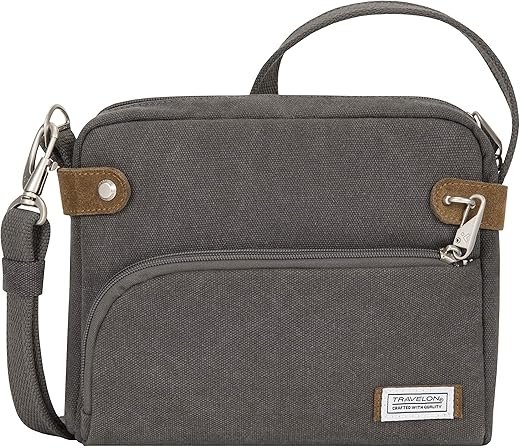
- Zippers and flap closures deter casual reach-ins and keep contents contained, but slow one-handed access. A zipper pull positioned toward the body is less exposed than one facing outward.
- Body-side pockets conceal a phone, passport, or wallet against the torso. They are practical while standing, yet can be awkward to reach while seated or wearing a coat.
- Locking clips add a deliberate extra step between a stranger and the main compartment. They can be worthwhile in dense environments, though repeated unlocking may discourage consistent use.
- Cut-resistant panels or straps resist opportunistic slashing; they do not make a bag invulnerable. Their stiffer construction may add weight or reduce drape.
RFID-blocking liners address a narrow concern: contactless-card scanning at close range. They do not prevent loss, physical theft, or account misuse after a card is taken. For a closer comparison of purse security features that genuinely matter, assess the whole bag rather than treating one badge as protection.
A personal alarm is only useful when it is reachable
An alarm is an attention-drawing device, not a guarantee of intervention. Its usefulness depends on who can hear it and the surrounding setting.
What an alarm can realistically accomplish is disruption, visibility, and a signal that something is wrong—not automatic rescue.
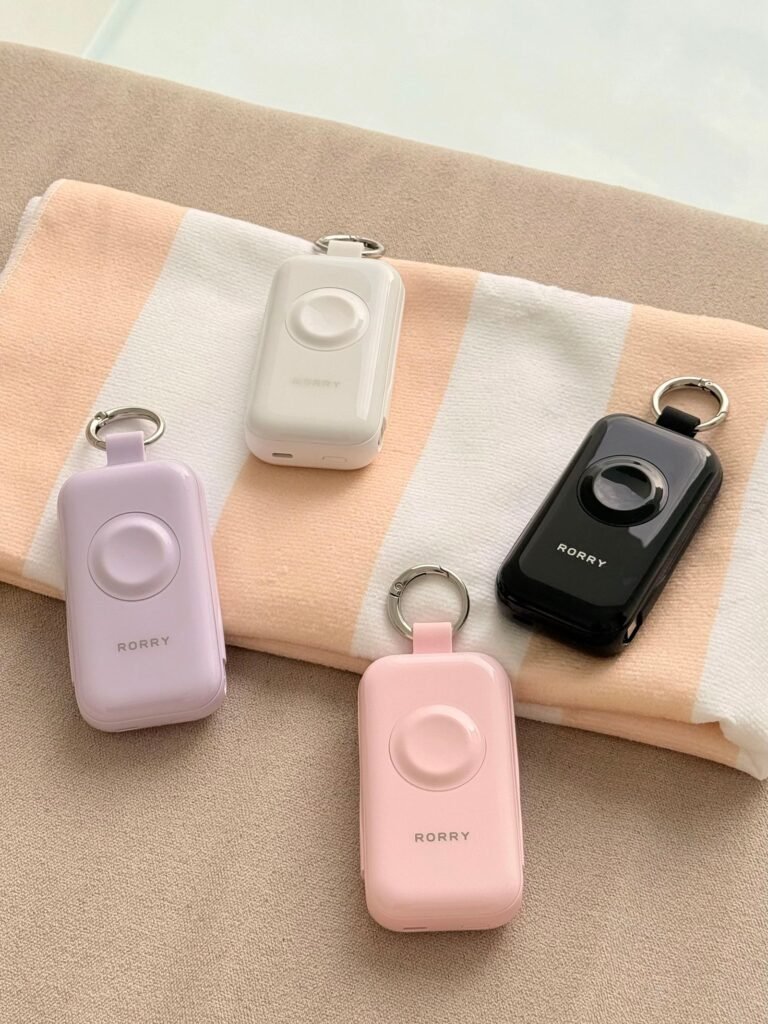
A pin, button, or twist control must be recognizable by touch and operable without looking.
Brief, occasional familiarity with the activation sequence makes a small device less likely to become a confusing key-ring object.
An alarm buried in a zipped compartment may be secure but slow to reach. Exterior placement needs protection from snagging and accidental pulls.
A reachable purse attachment point balances access with a short, protected lanyard and a clip that stays closed.
A light can help locate a keyhole or the device, but it does not replace alarm output. Battery condition affects both functions.
When comparing features that genuinely affect daily carry, check battery type, test method, low-battery indication, and resistance to unintended activation.
Reset the system, not the whole kit
A carry setup stays useful when it is reset at the same low-friction moment: after arriving home, while changing clothes, or before charging a phone. Empty receipts and wrappers, return borrowed items, top up consumables, and put each core item back in its assigned zone.
Keep the reset deliberately brief. A tray or hook near the exit can hold the bag, keys, and any item awaiting a decision; anything that remains there for several cycles has revealed a packing problem.
Let use decide the design
After a week or two, note what was repeatedly searched for, never touched, or awkward to reach. Change one variable at a time: remove an unused item, move it to a module, switch pockets, or try a different bag on days when clothing or transit changes. Real use shows whether the issue is the list, the container, or the packing order.
Everyday Carry: Common Questions
What's the difference between a true essential and an occasion-only item?
A true essential is used often, has meaningful consequences when absent, or is difficult to replace—keys, identification, a phone, and required access tools commonly qualify. An occasion-only item matters greatly but only for particular plans, like a transit pass, gym lock, or rain layer. Keeping occasion-only gear in a ready-to-add module prevents the everyday kit from expanding permanently.
How often should the bag be reset?
A carry setup stays useful when it’s reset at the same low-friction moment each cycle—after arriving home, while changing clothes, or before charging a phone. The reset should stay brief: empty receipts and wrappers, return borrowed items, top up consumables, and put each core item back in its assigned zone.
Does an RFID-blocking liner prevent theft?
No. RFID-blocking liners address a narrow concern—contactless-card scanning at close range—and do not prevent loss, physical theft, or account misuse after a card is taken. Assessing the whole bag’s security features together matters more than treating one badge as protection.
Does a personal alarm guarantee help will arrive?
No. An alarm is an attention-drawing device, not a guarantee of intervention. Its usefulness depends on who can hear it and the surrounding setting—it offers disruption, visibility, and a signal that something is wrong, not automatic rescue.
What's a practical way to organize items inside the bag?
Simple zones work best: an immediate-access zone for phone, keys, wallet, and access card in an exterior or top pocket; a protected zone for crush- or scratch-prone items like glasses and earbuds; and a support zone for occasional items like a charger, tissues, or medication in one small pouch. Keeping the same item in the same zone across bags preserves the system when the bag changes.
- A reset point prevents small clutter from becoming permanent carry weight.
- Testing one change at a time makes the cause of friction easier to identify.
A light system that can be restored quickly is more dependable than a fully stocked kit that is difficult to maintain.





12 Comments
The “assigned homes” idea is probably what I need most. I keep moving my lip balm and keys between bags, then somehow neither is where I expect it to be.
I like the suggestion to choose the carry method before buying a bag. For a crossbody, would you put a personal alarm on the outside strap, inside the main compartment, or in a quick-access pocket? I worry that “secure” often means “impossible to reach when stressed.”
That trade-off is exactly the right thing to consider. A dedicated quick-access pocket or a consistently used attachment point near the top of the bag usually works better than burying the alarm in the main compartment. Test whether you can locate and activate it one-handed while walking; if you cannot, the placement is too secure for its purpose.
Thank you for saying compact setups require tighter editing. I keep trying to make a tiny bag work while packing it like a weekend trip, then blame the bag. A separate context module for gym days or travel makes much more sense than carrying every possibility all week.
How often do you do the “brief reset”? Weekly sounds sensible, but I feel like I add receipts, snacks, and random kid items daily. By Friday my purse is basically an archaeological dig 😅
I’m a little skeptical of RFID liners being mentioned alongside locks and cut-resistant materials. Aren’t they solving a much less common problem than someone simply leaving a zipper open or setting a bag down somewhere? It seems easy to spend money on security features and miss the basic habits.
Also, is a lock actually worthwhile for everyday commuting, or does it mostly add hassle?
Yes—those risks are very different, and basic habits generally deliver more value first. Closing the bag, keeping it in contact with you, using body-side placement in crowds, and not overloading exterior pockets address common everyday problems. RFID protection is a narrow, optional feature rather than a foundation of a carry system.
A small lock can make sense when you need to briefly secure a bag to something or discourage casual opening in a particular setting, but it is rarely necessary for a routine commute. If it makes access irritating enough that you stop using the bag well, it is not the right tool.
Agreed. I bought an RFID wallet years ago and the bigger security upgrade was honestly just switching from an open tote to a zip-top bag.
The section on light bags feeling heavy was validating. My canvas tote weighs almost nothing empty, yet after 20 minutes it feels like I’m carrying a small appliance. Turns out all the “just in case” stuff is apparently a small appliance.
The matched-closures point caught my attention. Do you mean using similar zipper pulls/clips so they feel alike, or choosing pouches that open the same way? I currently have a mix of snap cases, drawstring pouches, and tiny zippers, and finding things by touch is weirdly harder than it should be.
Mostly the second: use a small number of closure styles so opening a pouch does not require a fresh decision every time. Similar zipper pulls can help too, especially if one pouch is for frequent-use items. The goal is not perfect uniformity—it is making your most-used items easy to identify and open without emptying the whole bag.
Could you give an example of what belongs in each of the three layers for a normal office-and-errands day? I understand the essential layer, but I’m fuzzy on where something like a charger, tissues, or a small medication pouch goes.