
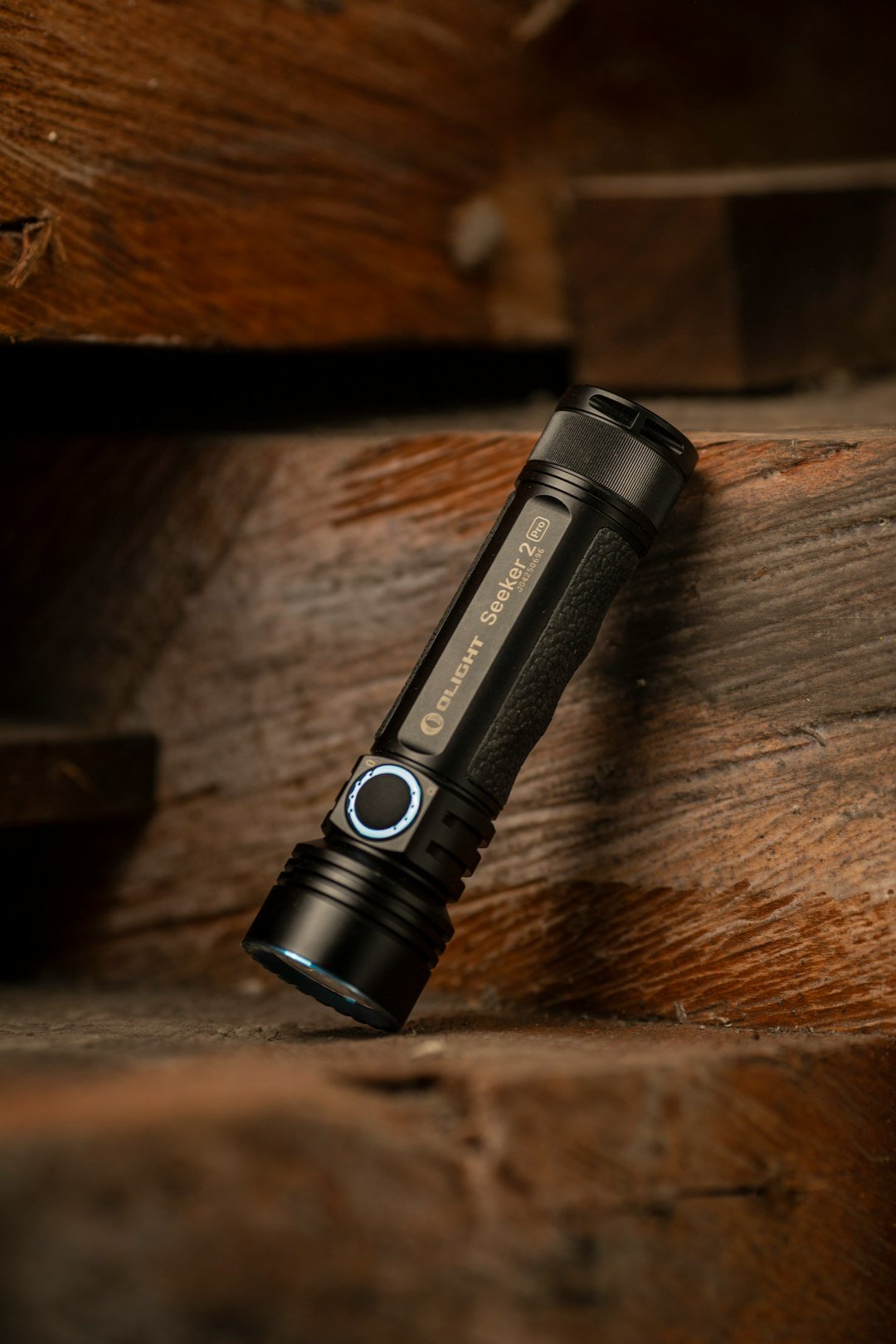
A recognizable logo can narrow the field—but it cannot choose the right flashlight.
A first flashlight search can turn into a wall of claims: 2,000 lumens, “tactical” construction, aircraft-grade aluminum, USB-C charging, professional reliability. Familiar makers are helpful because they usually offer clearer specifications, replacement support, and a track record that is easier to check than an unknown marketplace label.
Still, brand reputation is a starting point, not a verdict. A compact everyday-carry light needs comfortable size and sensible controls; a camping light benefits from sustained runtime and a useful beam; a vehicle light may need simple charging and easy storage; a work light must tolerate drops, grime, and repeated use. Even respected brands make models aimed at very different budgets and jobs. The better question is not “Which maker is best?” but which maker’s particular light fits the situation without paying for features that will never be used?
- Compare the stated runtime at the brightness actually expected to be used—not only the headline turbo output.
- Look for an IP water-resistance rating and a drop rating when durability matters.
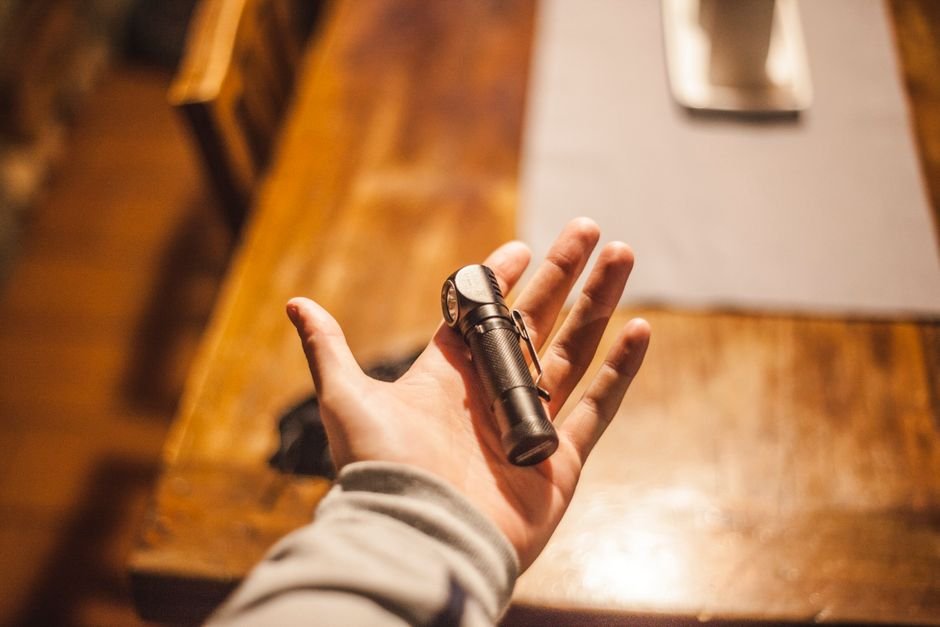
A brand is a starting point, not a verdict
- The maker’s usual emphasis
A brand may repeatedly favor compact EDC lights, high-output throwers, simple duty tools, or enthusiast-friendly emitters. That pattern helps narrow the search, but individual models can sit outside it.
Look forA design focus that matches the actual job.AvoidAssuming every model shares the flagship’s strengths. - The details on the exact light
After choosing a likely maker, compare the published runtime graph, beam profile, battery format, charging method, control layout, and IP rating. These details determine whether a light is pleasant and dependable in use.
Look forSpecifications and reviews for the exact model.AvoidChoosing from a logo, maximum-lumen claim, or price alone.
Model letters often describe size, battery family, generation, or output tier—not a universal quality ladder. A quick guide to reading flashlight model names can prevent comparisons between unlike lights.
Likewise, “made in” claims may refer to assembly, components, or company location. The details behind USA-made flashlight claims are worth checking rather than treating the phrase as proof of durability. OEM arrangements are also normal in the industry; how Olight’s manufacturing relationships work shows why the brand on the tube is only part of the story.
Olight and the pocket-first brands
Olight has built much of its appeal around lights that feel finished for everyday carry: tidy machining, strong pocket clips, simple side switches, and magnetic charging cables that snap into place. For a light used around the house, on dog walks, or for quick errands, that low-friction routine can matter more than squeezing out the last bit of output or runtime.
The trade-off is worth noticing before purchase. Olight’s magnetic cables and often proprietary battery arrangements are convenient, but a forgotten cable can be harder to replace than a common USB-C lead or a standard 18650 cell. Brands such as RovyVon also emphasize compact, rechargeable carry lights, while makers such as Fenix and Nitecore more often give buyers a broader mix of USB-C and removable-cell options.
Carry comfort is part of performance
A flashlight that feels bulky, slippery, or awkward to clip will tend to stay in a drawer. Diameter, clip tension, switch placement, and tail shape all affect daily comfort—especially for people seeking slim EDC lights that fit smaller hands. A short light can still feel wide; a slightly longer model may carry better if its body is narrow and its clip sits deep.
Before choosing, it helps to check three practical details:
- Charging: Is the correct cable likely to be available when traveling?
- Battery: Can a spare be bought easily, and is it user-replaceable?
- Carry: Does the clip support the preferred pocket orientation without creating a hot spot?
Polished EDC need not be expensive; there are budget-friendly lights that avoid the cheap feel, though charging and clip quality deserve close inspection.
Fenix and Nitecore: dependable or feature-rich?
Fenix has long appealed to hikers, campers, and anyone wanting a light that behaves predictably. Many models use familiar side-switch controls, practical brightness steps, and conventional replaceable cells. The appeal is less about novelty than confidence: a basic handheld Fenix is often easy to pick up after months in a drawer and run without consulting a manual.
That straightforwardness suits jobs where the light is a tool, not a hobby. Look for the beam pattern, battery size, and runtime needed first; a high claimed lumen number matters little if the preferred mode is awkward to reach or steps down quickly from heat.
More functions, more to learn
Nitecore covers a wider spread, from tiny keychain lights to high-output search lights, headlamps, and unusually shaped EDC models. Its catalog often adds electronic lockouts, multi-color emitters, battery indicators, USB-C charging, and specialized modes. Those extras can solve real problems, but button holds, mode groups, and shortcuts may take a few practice runs to remember.
Neither approach is automatically better. Fenix is a sensible starting point when simple, repeatable operation is the priority; Nitecore makes sense when a specific feature genuinely changes the task. For a closer match by activity and light type, compare Fenix and Nitecore options side by side before choosing.
SureFire and Streamlight: built around the job
SureFire and Streamlight matter less because they chase the newest output figure than because their lights fit established working systems. A tail switch that behaves predictably under stress, a familiar handheld layout, and a weapon-light body that accepts proven mounts and remote switches can be more valuable than an extra lighting mode.
For agencies, security teams, and emergency services, purchasing also means repeatability: documented models, distributor availability, replacement parts, holsters, mounts, and batteries that can be ordered again next year. The brands commonly seen in police duty-light programs reflect that practical ecosystem, not a single universal “best” light.
A civilian buyer need not pay for a department-style standard. For home, vehicle, or range use, the sensible question is whether the chosen light has the desired control layout, compatible mounting hardware, and a source for spares—not whether it carries a duty label. SureFire’s sought-after reputation also attracts counterfeits; used and marketplace listings deserve a careful fake-check before purchase.
Before buying a weapon light, confirm the exact mount, switch, battery, and holster fit for that model. Brand compatibility is not automatic.
Controls and beam pattern can matter just as much.
Useful output must be easy to select and direct.
Personal needs may be simpler and cheaper.
A vehicle or home light rarely needs fleet-level standardization.
Counterfeits can copy markings and packaging.
Seller history, price, and construction details still require scrutiny.
Jobsite lights: coverage over throw
Job site lights are not merely tactical torches in thicker housings. Their job is to keep a work area visible while both hands remain busy: inside a cabinet, under a sink, or across a half-finished room. A broad, even flood beam usually matters more than a distant hot spot.
Mounting is part of the beam pattern. A magnetic base, hanging hook, tripod socket, or folding stand can put light where it is needed without balancing a flashlight on a pipe. Tough metals and protected lenses still matter around drops, dust, and wet floors.
What earns a place on site
- Large, glove-friendly controls that can be found without looking.
- Honest runtime on a useful medium setting, not only a brief turbo claim.
- A stable base or flexible mount that keeps the beam aimed at the work.
- Tool-battery compatibility when a crew already uses that platform; shared packs simplify charging and spares.
- Replaceable chargers and batteries, since lost cables and worn packs should not retire an otherwise sound light.
For occasional repairs, a compact USB-rechargeable flood light may be enough. Regular trades work often favors a larger platform light with a spare pack nearby. Construction-focused light choices make those trade-offs easier to compare.
Performance lights reward attention
Enthusiast-oriented makers such as Wurkkos, Sofirn, Emisar/Noctigon, and Acebeam often offer striking value: high output, several beam shapes, and emitter choices that can favor warm, accurate color or maximum throw. Many also provide programmable interfaces, so a light can be set to start low, ramp smoothly, or reach turbo only when needed.
That flexibility asks more of the owner. Turbo output creates heat quickly, batteries must be reputable and correctly charged, and a complex interface is less reassuring when the light is needed in a hurry. A 3,000-lumen claim matters less than whether the light can sustain a useful level without becoming uncomfortable or draining its cell early.
Spend for the consequences of failure
A practical rule is simple: pay more when the light has a regular job where failure, confusion, or downtime has real consequences. That can mean a daily work light, an emergency tool, or a model needing a specific beam and mounting system. The extra money buys more than lumens: it can buy predictable controls, tested regulation, easier warranty support, and compatible batteries or accessories.
For a drawer backup, occasional dog walk, or lending light, a simpler value model is usually sensible. The premium-versus-budget decision comes down to the role, not prestige. Saving is reasonable when a spare light, basic output, and occasional charging cover the need; refinement is worth paying for when the light must work the same way every time.
Support that outlasts the first battery
A flashlight’s long-term value is often decided after the first damaged clip, flattened cell, or lost charging cable. Before buying, check whether the maker sells clips, O-rings, tailcaps, proprietary cables, and batteries individually. A model with ordinary, easy-to-source cells can be simpler to keep running than one tied to a discontinued charging system.
A broad warranty headline is not enough. Lifetime warranty promises may exclude batteries, consumable seals, cosmetic wear, water damage, or shipping costs; some also require the original purchaser and proof of purchase. Clear exclusions, a reachable support channel, and published repair procedures are more useful signs than the word lifetime alone.
A quick ownership check
- Confirm that the clip and O-rings can be replaced without special tools.
- Find the correct cable or cell before choosing a magnetic or proprietary system.
- Look for a parts page and note how replacement pieces are ordered.
- Keep the receipt and avoid opening sealed electronics if warranty coverage matters.
For an everyday light, a readily available $5 clip or seal can preserve a far better purchase than an impressive warranty that offers no practical path to repair.
- Start with the use case
Choose the brand lane that matches the light’s real job: pocket carry, duty use, work area lighting, or enthusiast performance.
Look forA maker whose usual priorities fit the task and preferred controls.AvoidBuying a famous brand whose typical design suits a different job. - Verify the exact listing
After narrowing the field, compare current runtime charts, beam pattern, battery type, dimensions, and included accessories on the manufacturer’s page.
Look forA current model from an authorized seller with clear warranty coverage.AvoidOld reviews, vague marketplace listings, or unusually cheap stock of uncertain origin.
Frequently Asked Questions
Does a brand name guarantee the right flashlight?
No. Brand reputation is a starting point, not a verdict. The specific models runtime, beam pattern, battery format, and controls are what decide whether it fits the job.
What is the trade-off with a magnetic charging system like Olights?
It is convenient, but proprietary battery arrangements and magnetic cables can be harder to replace on the road than a common USB-C lead or a standard 18650 cell.
How do Fenix and Nitecore differ as brands?
Fenix favors simple, repeatable side-switch controls and conventional replaceable cells. Nitecore offers a wider catalog with electronic lockouts, multi-color emitters, and specialized modes that take more practice to learn.
Why do SureFire and Streamlight matter for duty use?
Their value comes from established working systems: documented models, distributor availability, replacement parts, holsters, and mounts that can be ordered again next year, not just raw output.
What should be checked before trusting a lifetime warranty claim?
Whether it excludes batteries, consumable seals, cosmetic wear, or water damage, and whether it requires the original purchaser and proof of purchase. A reachable support channel matters more than the word lifetime alone.
- Compare only two or three finalists; a longer list usually hides the practical differences.
- Keep the receipt and verify the seller before the first charge.
Brand reputation makes a useful first cut because it suggests the kind of ownership experience to expect. The final decision belongs to the specific model, its current specifications, and the seller standing behind it.
A sensible choice is rarely the brightest option on paper. It is the light whose beam, controls, power system, and support fit the job well enough to be carried and used.
Knowing what each maker does best narrows the field considerably. Five tactical flashlights compared picks specific models from Olight, Streamlight, Nightstick and META, and says what each one is actually for.



15 Comments
When you say performance lights need battery awareness, what should a beginner actually watch for? I see 18650, 21700, protected, unprotected… and then my brain leaves the chat.
I don’t need crazy turbo output; I just don’t want to buy something unsafe or impossible to maintain.
A simple starting point is to buy the exact battery type the manufacturer recommends from a reputable battery seller, and use the supplied charger or a quality charger with independent slots. Do not carry loose lithium-ion cells with keys or coins, and replace a cell if its wrapper is damaged. If you do not need high-output enthusiast features, a light with USB-C charging and a standard, supported cell is usually the least complicated route.
Seconding the loose-cell warning. A cheap plastic battery case is boring, but way less exciting than a pocket fire.
Could you explain “familiar operation” with Fenix a little more? Does that just mean one button turns it on, or are we talking about mode memory and not needing a secret 14-click ritual to get low mode? 😅
That is largely what it means. Familiar operation usually means clearly separated on/off and mode-changing actions, sensible mode memory, and no need to memorize a complicated sequence for ordinary use. Individual Fenix models still vary, so it is worth checking the manual or a runtime chart rather than assuming every light in the brand works identically.
The “14-click ritual” is exactly why I sold one of my enthusiast lights. Fun to tinker with at home, terrible when you just want to find the fuse box.
I work around renovation sites and everyone seems obsessed with throw distance. A wide flood that can stand or hang is much more useful when I’m looking inside cabinets or above a ceiling grid. Glad you called that out.
Does a duty light have to be huge? I want something dependable for power outages and keeping by the front door, but I don’t need weapon accessories or a light that feels like a police baton. Streamlight and SureFire discussions online make it sound like that’s the only category they belong in.
Good reminder to check runtime rather than only lumens. I bought a tiny “2000 lumen” light once; it was very impressive for about the length of a microwave burrito. Then it stepped down so far it may as well have been a keychain glow stick.
Maybe I’m cynical, but “support” claims on flashlight sites are often just a warranty page full of exclusions. I’d rather have a standard 18650 and a normal USB-C cable than a fancy ecosystem that becomes useless in three years.
I always assumed a Fenix was automatically “better” than an Olight because it costs more. For a dog-walking light that stays in a jacket pocket, is magnetic charging actually a good enough reason to pick Olight, or should I care more about the battery type?
For that use, convenience can be a perfectly valid reason to choose it. Magnetic charging makes a light easier to keep topped up, but check whether the model uses a proprietary cell, whether you can buy a spare easily, and whether the charging cable is available separately. Also pay attention to the lowest usable mode and clip orientation—those often matter more on a daily dog walk than maximum lumens.
I have an Olight clipped in my coat pocket for walks and the charger has been great for me. I did buy a second cable for the car though, because naturally the original disappeared into the house void.
The point about brands being a starting point is useful. I was about to buy a Streamlight purely because people at work use them, but I hadn’t considered whether the switches and mounts match what I already have.
Is an authorized seller really that important for a basic personal flashlight, or mainly for expensive duty models?
It matters at both price levels, although the risk is greater with popular duty-oriented models. An authorized seller is more likely to provide a genuine product, valid warranty coverage, and the correct battery or charging equipment. For a basic light, it can also save the hassle of receiving old stock, an incomplete package, or a listing with inaccurate specifications.