
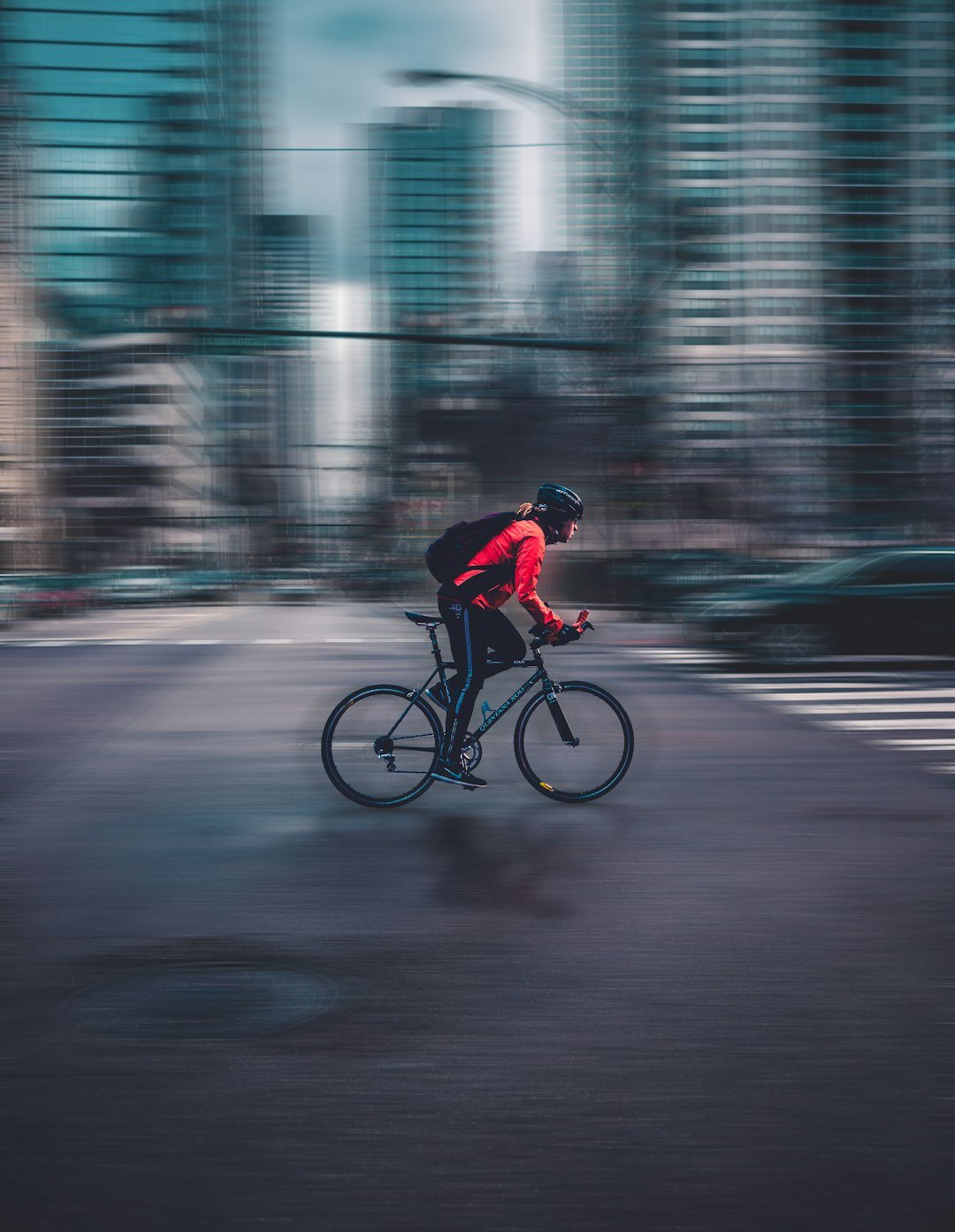
A commute kit earns its space only when it solves a problem likely to occur that day.
A new commuter can leave with a bare backpack, hit a sudden shower, and arrive with a soaked laptop and no dry layer—or carry so much “just in case” equipment that the ride feels like hauling luggage. Neither extreme is necessary.
A flat, fast urban route ending at a workplace with showers calls for a very different load from a gravelly path to campus, a stop for groceries, or an all-day shift with no secure storage. Distance matters, but so do weather exposure, repair options along the route, clothing requirements at the destination, and whether the bicycle can carry weight on a rack rather than on the rider’s back. The useful question is not “What belongs on every bike?” but “What failure would meaningfully disrupt this particular trip?”
- For many short urban rides, a phone, keys, payment method, water, lights, and a compact lock cover the immediate essentials.
- A rack bag or pannier keeps weight off the back and generally handles laptops and spare clothing more comfortably than a loaded daypack.
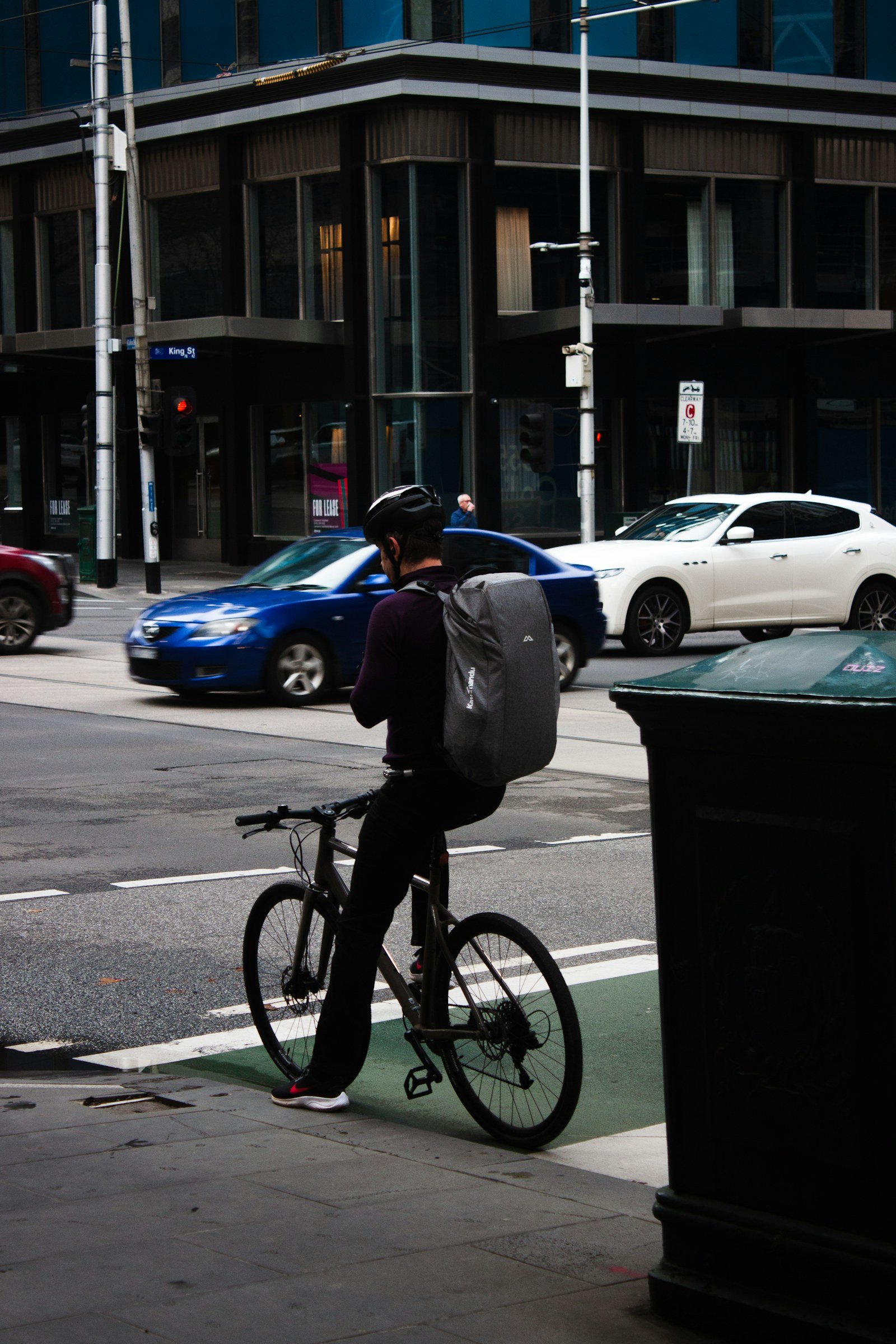
Pack for impact, not every possibility
- It is needed on most rides
Daily carry earns its space when it solves a routine problem during the ride or immediately on arrival.
Bring it whenKeys, payment, phone, basic flat repair, required lights.Leave it whenItems packed merely because they might be useful someday. - The destination cannot replace it
A workplace locker, secure parking, shower, kitchen, or spare clothing changes what must travel on the bike.
Bring it whenItems unavailable or unreliable at the endpoint.Leave it whenDuplicates of supplies kept securely at work or school. - Being without it would end the trip
A compact repair or safety item matters more than a convenience item when its absence can strand the rider or make the return impractical.
Bring it whenTools matched to the bike’s actual failure points.Leave it whenBulky contingency gear for failures with another recovery option. - Conditions make it likely today
Rain, cold, darkness, an unusually long route, or carrying cargo can justify temporary additions. Remove them when the trigger disappears.
Bring it whenWeather layers, extra water, cargo restraints, or a brighter light.Leave it whenLeaving conditional gear in the bag by default.
Before an item goes in the bag, ask: How often is it used? Can the destination supply it? What happens if it is missing?
High-frequency or trip-ending items stay in the core kit. Low-likelihood items with easy endpoint support belong in a locker, drawer, or at home—not on every ride.
Start with a bike that earns trust
A commuter bike that is routinely checked removes the need to pack around uncertainty.
Most daily breakdowns trace to a soft tire, dry chain, loose fastener, worn brake pad, or poorly adjusted shifting.
A quick pre-ride check catches most of these before they become a problem.
Before leaving, a compact check takes little time: tires feel firm and show no embedded debris, brakes bite before the lever reaches the bar, wheels sit securely, the chain runs quietly, and lights switch on. Fixing these at home is lighter than carrying spares for every failure.
A lean on-bike or pocket kit commonly includes:
- a correctly sized spare tube or patch kit
- tire levers and a compact pump or inflator
- a multitool matched to the bike’s fasteners
- a quick link for a derailleur-equipped bike
- front and rear lights, where visibility warrants them
Local conditions decide the margins. Glass-strewn shoulders may justify a second tube; isolated routes can make a stronger pump and more repair capability sensible. On short urban trips near shops and transit, a spare tube plus inflation may be enough. Secure, covered parking may reduce what travels, while rain, darkness, and long gaps between services add more value than duplicate gadgets.
A tubeless setup needs plugs and sealant awareness; a rim-brake bike may need a different wheel-removal tool. Every carried item should fit the actual machine.
Dress for the destination, not the saddle
A commute kit earns its space by making arrival comfortable enough for the next activity. That usually means managing sweat, rain, and presentation—not carrying clothing for every temperature swing or an overnight breakdown.
Build a modular transition kit
Start with what is worn: breathable base layers, a packable shell when rain or wind is likely, and footwear suited to the destination. A light over shirt, compact scarf, or thin gloves can extend a normal outfit across a surprisingly wide range of conditions. Layers work better than a bulky spare outfit because they can be added or removed before the rider overheats.
A small freshening pouch can handle the parts that matter most after a ride:
- deodorant or wipes
- a small comb or hair tie
- spare socks or underwear when the route is sweaty or wet
- a cloth for glasses, helmet marks, or rain
Let the destination carry the bulk
Where a locker, desk drawer, or secure workplace storage exists, keep duplicate supplies there: shoes, a change of clothes, toiletries, and a charger. This turns daily carrying into a narrow, weather-responsive kit. It also avoids repeatedly transporting items that are needed only after arrival.
For errand-focused riding, the same principle applies: carry the item needed for the stop, then let panniers or a basket absorb purchases rather than preloading a backpack “just in case.”
Choose luggage by load, not habit
Pockets handle the truly small, immediate items: phone, keys, transit pass and a slim wallet. A small saddle or frame bag can hold a repair kit permanently, leaving daily luggage for cargo that changes. Keep dense objects low and close to the bike’s center when possible; a U-lock or multi-tool bouncing high on the body becomes noticeable quickly.
When body-worn cargo still works
A compact backpack suits a light load, a short ride, or a destination where the bag must travel beyond the bike. Its limitation is heat: a back panel traps moisture, particularly under a waterproof shell. For a change of clothes, lunch, laptop and charger, moving work cargo from the back to panniers can make warm-weather commuting markedly more comfortable.
Let the bike carry the weight
Rear panniers are a practical step up once the load includes substantial work gear, groceries, or shoes. Use a padded sleeve for electronics and place the heaviest pieces at the bottom, split evenly if using a pair. Before buying, verify rack rail diameter, heel clearance, hook adjustment and load rating; not every pannier locks securely onto every rack.
A handlebar or top-tube bag earns its place for frequently reached items, but it must not obscure lights, cables, or the bike computer. Frame bags distribute weight neatly, though a full triangle bag may displace bottle capacity.
Without rack mounts, seat-pack and larger rack-free carrying systems can expand capacity, but their sway and packing access are less convenient for a laptop-heavy weekday load. Start with the smallest setup that closes comfortably; a bag packed to its limit every day is usually a signal to change carrying method, not add more straps.
Give every item a job
A compact commute setup works when each compartment solves a distinct problem. Adding two bags that both hold loose essentials usually creates more searching, rattling, and forgotten items—not useful capacity.
Keep active items reachable
A small handlebar or top-tube bag suits items needed while stopped: phone, keys, transit pass, snack, and a light. Its volume is deliberately limited, which prevents it becoming a dumping ground. Before fitting one, confirm that cables can move freely and that the mount does not obscure the bike computer.
Contain dirty and emergency items
A saddle bag, frame strap, or sealed pouch is effective for repair gear: tube, levers, patch kit, multitool, and inflation equipment. Keeping these together contains road grime and means a flat-kit check takes seconds. A U-lock needs its own stable location; swinging weight on the bars can affect steering, while a frame mount can conflict with bottle access.
Protect what cannot be replaced
Laptop, documents, spare clothing, and electronics benefit from the most structured, weather-resistant compartment, often a pannier or dedicated backpack sleeve. A frame bag can centralize dense weight, but its shape may compete with bottle cages, especially on smaller frames.
Small bags have physical costs. A full handlebar bag can interfere with lights, cables, and hand positions; a wedge-shaped saddle bag may touch the rear tire on compact frames or with a long dropper post. For genuinely pocket-sized daily items, compare small bar bags designed for phone, keys, and snacks, then reserve larger luggage for cargo that needs protection.
Keep rain outside, not everywhere
Waterproofing is most valuable around items that are difficult to replace or cannot arrive wet: electronics, paper documents, spare clothes, and medication. A short ride through occasional drizzle may only call for a pack cover or a lightweight shell; sustained rain, wheel spray, and an exposed rack load justify a more sealed system.
Think in layers, not one expensive barrier. A water-resistant outer bag can shed most rain, while a roll-top dry bag or zip pouch protects the critical inner load. This avoids carrying fully waterproof luggage on every fair-weather trip. For work electronics, compare panniers designed to cushion laptop gear on rough streets as well as their closure style: waterproof fabric matters less if the opening admits spray.
Destination facilities change the calculation. A locker, radiator area, changing room, or sheltered place to hang a shell can make damp outer layers manageable. Without drying space, pack a compact change of socks or a separate bag for wet gear; otherwise moisture spreads into the day’s clean clothing.
For frequent all-weather riding, the trade-offs of waterproof panniers are often easier to justify when cargo stays on the bike through heavy rain.
Rain commonly enters through open tops, zips, seams, and road spray from below. Put the most sensitive item in its own sealed inner pouch before relying on the bag’s outer rating.
Carry security and repairs by route
A lock is not merely a destination item: its weight and shape affect every kilometer before arrival. On a short urban ride with attended bike parking, a compact lock matched to the known fixture may be sufficient. A route that ends at street racks, transit stops, or long unattended parking can justify a more substantial setup—provided the rack, frame, and at least one wheel can be secured as intended.
Keep the lock on the bike rather than on the body when practical. A frame-mounted bracket, sturdy frame bag, or rack strap avoids a swinging load and frees pockets; the ways to carry a U-lock without compromising pedaling differ by frame clearance and lock shape. Test any mount over bumps, and position metal hardware away from cables, spokes, and paint.
Scale the repair kit to the bailout options
For a supported city commute near shops, transit, or pickup options, a minimal kit can be enough:
- tire levers and a correctly sized spare tube or patch option
- a compact pump or inflation device
- a small multi-tool, plus a quick link only for a chain compatible with the drivetrain
Longer, isolated, or late-night routes reduce the value of “buy it on the way” assumptions. Add the items needed to deal with a flat far from home, and check that they fit the actual valve type and tire system. A saddle bag or frame strap choice for a repair kit keeps this cargo permanently mounted, so it is less likely to be forgotten when daily luggage changes.
Run a two-week carry audit
-
Log what leaves the bag
After each ride, note items used, wished for, and untouched. A phone note takes less than a minute.
-
Keep recurring problem-solvers
Retain gear that repeatedly handles access, repairs, security, hydration, or a predictable comfort issue.
-
Remove duplicates
One reliable light, payment method, repair tool, and weather layer usually beats several overlapping backups.
-
Build small reserve modules
Store a rain module, work-change module, and long-ride module separately; attach only the relevant one.
-
Review the return trip
The final kit also covers darkness, wet cargo, a secure lock-up, and any items needed to ride home comfortably.
A kit that remains unused for two weeks is not automatically unnecessary; it may belong in a conditional module.
- Treat extra capacity as optional, not permanently occupied.
- A modular kit makes weather and work changes faster to manage.
The practical commuting kit is the smallest repeatable load that supports a safe, comfortable arrival and a secure, usable ride home. Audit actual rides, keep proven essentials, and let uncommon demands live in separate modules.
Bike Commute Packing: Common Questions
What's the minimum I need to carry on a short urban bike commute?
For many short urban rides, a phone, keys, payment method, water, lights, and a compact lock cover the immediate essentials. Additional gear should only be added when the route, weather, or destination makes it likely to be needed that day.
Should I carry a backpack or use panniers for my commute?
A compact backpack suits a light load, a short ride, or a destination where the bag must travel beyond the bike, but it traps heat and moisture against the back. Rear panniers are a practical step up once the load includes substantial work gear, groceries, or shoes, since they keep weight off the rider.
How much repair kit do I actually need for a daily commute?
It depends on the route’s bailout options. A supported city commute near shops and transit can get by with tire levers, a correctly sized spare tube, a compact pump, and a small multitool. Longer, isolated, or late-night routes reduce the value of “buy it on the way” assumptions and justify a fuller kit.
Do I need fully waterproof panniers for occasional rain?
Not necessarily. A short ride through occasional drizzle may only call for a pack cover or lightweight shell, while sustained rain and an exposed rack load justify a more sealed system. Layering a water-resistant outer bag with a roll-top dry bag or zip pouch for critical items is often more practical than one expensive fully waterproof bag.






9 Comments
I appreciate the reminder to dress for the destination. I was showing up at the office in cycling clothes under “normal” clothes, which meant carrying two complete outfits every day. Keeping shoes and a cardigan at work cut my bag size in half.
My only issue is that not every workplace has lockers. A drawer works for small things, but I wouldn’t leave expensive shoes in mine.
That’s exactly the kind of tradeoff worth noticing. Destination storage does not need to mean a full locker; a desk drawer, a secure cabinet, or even a small agreed-upon shelf can handle the items that are bulky but low-risk. For valuables, it may be better to carry them or use inexpensive duplicates at work rather than assume they’ll stay put.
I keep hearing that backpacks make commuting miserable, but my ride is only 20 minutes and I usually carry a laptop, lunch, and a change of shirt. Is a pannier really worth setting up for that, or is this mostly for longer rides?
For a 20-minute ride, a backpack can be perfectly reasonable if the load is light and you arrive comfortable. The tipping point is usually heat and weight: a laptop plus lunch and clothing can make your back sweaty surprisingly quickly. If that becomes a recurring annoyance, a single rear pannier is a useful upgrade—not a requirement.
I’m going to try the two-week audit. Right now I have three snack bars, two chargers, a spare shirt, a first-aid kit, and things whose original purpose has been lost to history living in my pannier. Apparently my bike bag is an archaeological site.
The rain section feels a little optimistic for people who commute somewhere properly wet. A rain cover over a pannier has leaked on me more than once, and then my laptop was swimming. Do you mean use a dry bag *inside* the pannier as well, or just rely on better panniers?
Dry bag inside, definitely. I learned this after one “waterproof” cover turned into a very expensive sponge. Mine is just a roll-top liner and it has held up through two winters.
The “pack for impact” idea is helpful, although I’m still nervous about leaving out stuff. What would count as irreplaceable on a normal urban commute besides phone/keys/wallet? I tend to bring a whole mini hardware store because I once got stranded with a loose seat post 🙃
Could you clarify the “permanent bike-mounted storage” suggestion for repairs? I have a small saddle bag with a tube, tire levers, patches, and a multitool, but I worry it will get stolen when I lock up outside. Taking it off daily sort of defeats the point of never forgetting it.